By Nduwimana Joseph | M. Director
Emergency Food Assistance – Progress and Needs Report
Project: Emergency Food Assistance for Vulnerable Refugee Families
Location: Kakuma Refugee Camp, Turkana County, Kenya
Implementing Organization: The Discover Organization
Reporting Purpose: Progress update, impact, challenges, and continuing needs
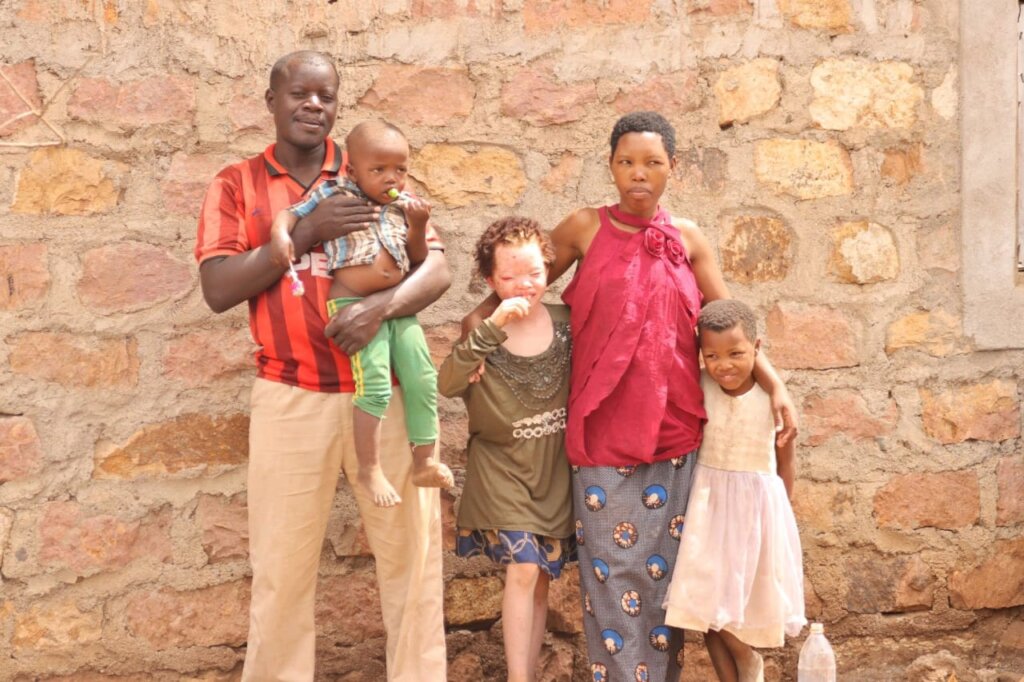
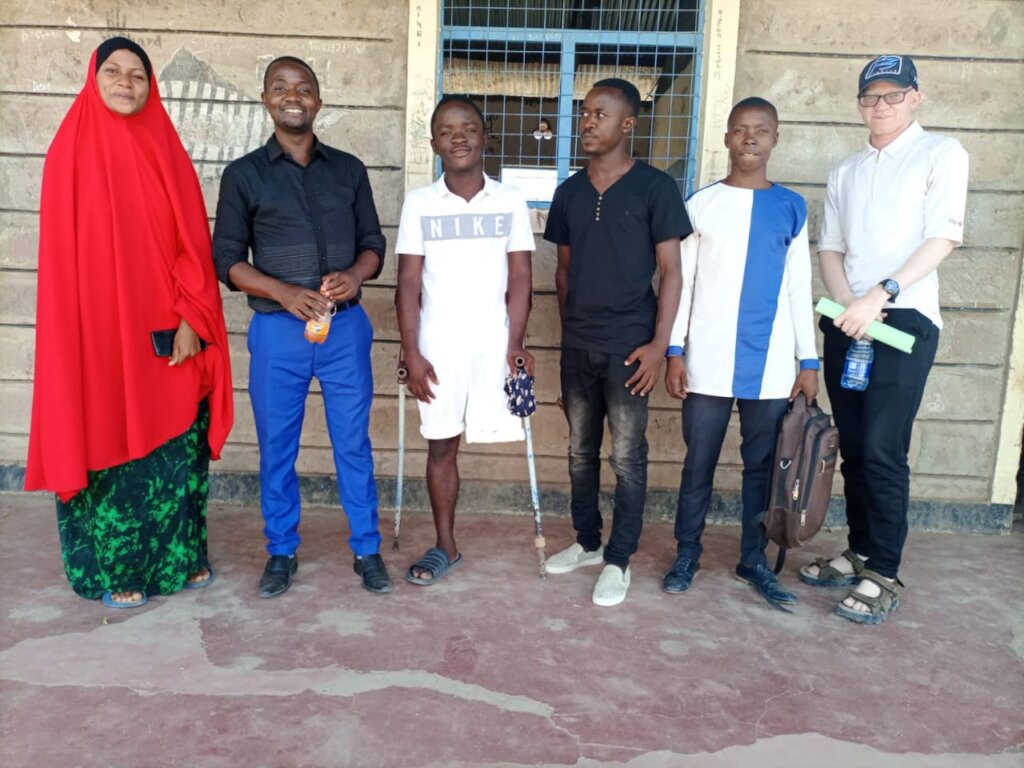
Discover Organization initiated this emergency food assistance response to support vulnerable refugee families experiencing difficulties accessing adequate food.
Since the beginning of the response, we have continued to provide assistance whenever resources have been available. Previous reports have documented the families reached and the assistance provided.
This report provides an update on the progress of the response and, importantly, explains the current gap between the level of need in the community and the resources available to respond. During the reporting period, Discover continued to monitor food insecurity among vulnerable households and provide assistance where resources allowed.
The response has focused on households experiencing significant vulnerability and limited capacity to meet their food needs.
Key activities include:
- Identification and prioritization of vulnerable households.
- Distribution of emergency food assistance when funding was available.
- Community-level follow-up to understand continuing needs.
- Documentation of distributions and beneficiaries.
- Submission of progress reports to partners and supporters.
The support received to date has enabled Discover to respond directly to families facing immediate food insecurity the assistance provided has offered immediate relief to families who would otherwise have had limited access to food.
Beyond the individual distributions, the project has also helped Discover develop a better understanding of the food insecurity situation within the communities we serve.
One important lesson from implementation is that food insecurity is not resolved through a single intervention. Families who remain without stable income or other reliable sources of food can become vulnerable again after the assistance period ends.
This means that continued and predictable support is important if emergency assistance is to have sustained value.
However, the main challenge currently facing the project is the availability and predictability of funding.
The resources available to Discover are limited, and there are periods when we can go one or two months without sufficient funding to conduct food distributions.
During these periods, the needs of vulnerable families continue, but our ability to respond is reduced.
This has created a clear gap:
The demand for food assistance is continuous, while the resources available to provide that assistance are intermittent. As a result, Discover is sometimes required to prioritize only the most urgent cases rather than responding to the wider number of families requiring assistance.
The current challenge is therefore not a lack of identified beneficiaries or lack of community need.
The primary challenge is insufficient and irregular funding.
This affects the project in three main ways:
1. Continuity:
Long periods without funding create interruptions between food distributions.
2. Coverage:
Limited resources mean that we cannot support all vulnerable families identified.
3. Planning:
Unpredictable funding makes it difficult to plan food distributions in advance and maintain a consistent response schedule.
The funding received so far has enabled Discover to begin and continue the response, and we are grateful for the support provided.
However, the available resources are currently insufficient to maintain regular food distributions.
Current position:
Area| Situation
Community need| Continuing
Vulnerable families identified| Continuing to increase/require support
Food response| Ongoing when resources are available
Funding availability| Limited and irregular
Distribution continuity| Affected by funding gaps
Additional funding need| High
This demonstrates that additional funding would directly strengthen the continuity and reach of the response.
Additional funding would allow Discover to move from a primarily reactive response toward a more planned and consistent response.
It would enable us to:
- Maintain more regular food distributions.
- Support families already identified as vulnerable.
- Reach additional households facing severe food insecurity.
- Reduce interruptions caused by funding gaps.
- Plan distributions and procurement more effectively.
- Strengthen monitoring and reporting of the response.
The objective is not simply to increase the number of distributions, but to ensure that support is available when vulnerable families need it.
Discover will continue to maintain transparent reporting on the use and impact of funds received.
Future reporting will continue to provide information on:
- Funds received and utilized.
- Number of households supported.
- Assistance provided.
- Beneficiary selection and prioritization.
- Distribution activities.
- Challenges and lessons learned.
- Remaining funding and community needs.
This will allow partners to clearly understand both the impact achieved and the gap that remains.
The emergency food assistance response has demonstrated that Discover can mobilize available resources and provide direct support to vulnerable refugee families.
However, implementation has also demonstrated a critical limitation: the scale and continuity of the response are currently constrained by irregular funding.
The evidence from the project therefore points to a clear next step not simply to continue fundraising for individual distributions, but to secure more predictable support that can allow Discover to maintain a consistent emergency food response.
The support provided so far has enabled Discover to respond to immediate food needs and provide relief to vulnerable families.
At the same time, the continued need in the community and the interruptions caused by funding gaps demonstrate that the response requires additional resources.
We are grateful for the support received to date and remain committed to using every contribution responsibly. Continued and more predictable funding will allow us to strengthen the response, reach more vulnerable families, and reduce the periods in which families in need are left without assistance.
The progress made so far demonstrates what available resources can achieve. The remaining gap demonstrates what additional support can make possible.
By Nduwimana Joseph | Managing Director
By Nduwimana Joseph | Managing Director
Project reports on GlobalGiving are posted directly to globalgiving.org by Project Leaders as they are completed, generally every 3-4 months. To protect the integrity of these documents, GlobalGiving does not alter them; therefore you may find some language or formatting issues.
If you donate to this project or have donated to this project, you can receive an email when this project posts a report. You can also subscribe for reports without donating.



Support this important cause by creating a personalized fundraising page.
Start a Fundraiser