By Thais Arriola | Project Leader
San José, Petén – Guatemala
At the invitation of the Ministry of Environment and Natural Resources (MARN), HaciendoECO carried out a Menstrual Health and Environmental Education Morning at a public school in San José, Petén, integrating health education, environmental awareness, and emotional well-being into a single comprehensive intervention.
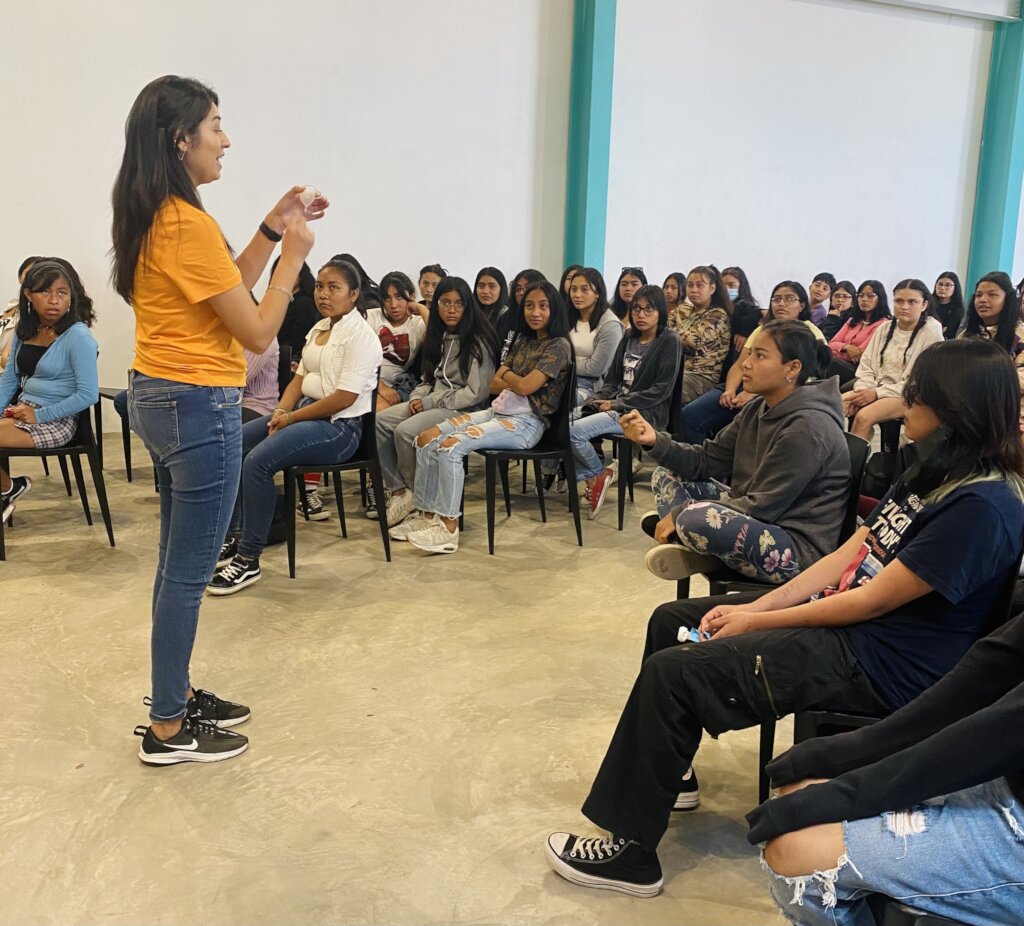
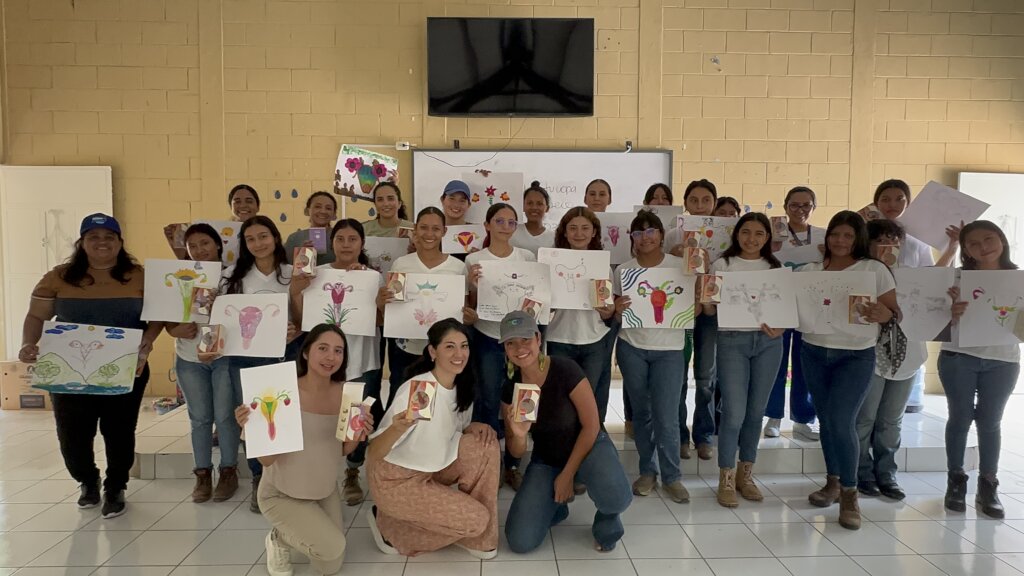
During this activity, students participated in a guided educational session on menstrual health and the anatomy of the female reproductive system, addressing how menstruation works, why it occurs, and dispelling common myths that often generate fear, shame, or misinformation. The session emphasized menstruation as a natural biological process and encouraged open, respectful dialogue in a safe learning environment.
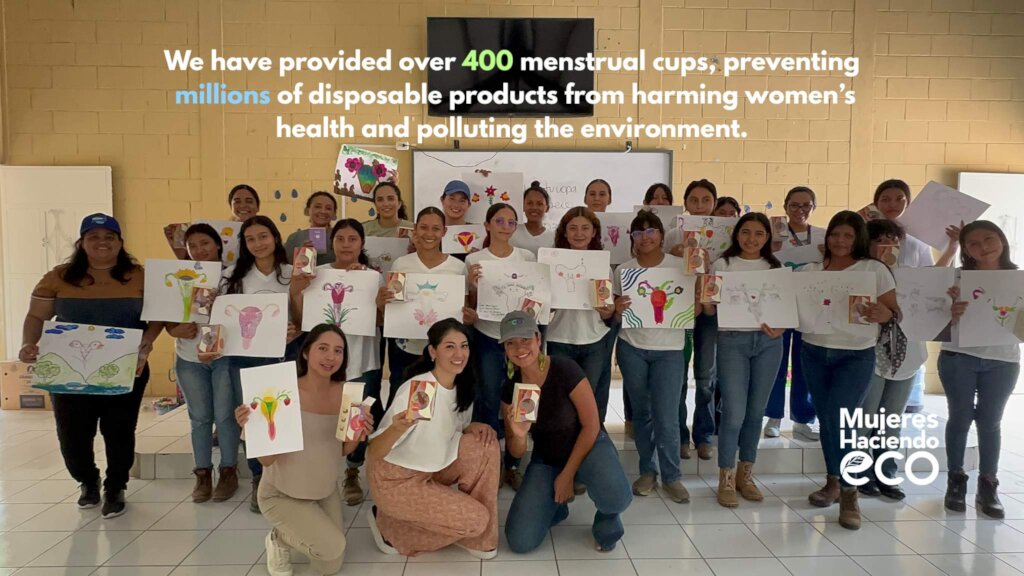
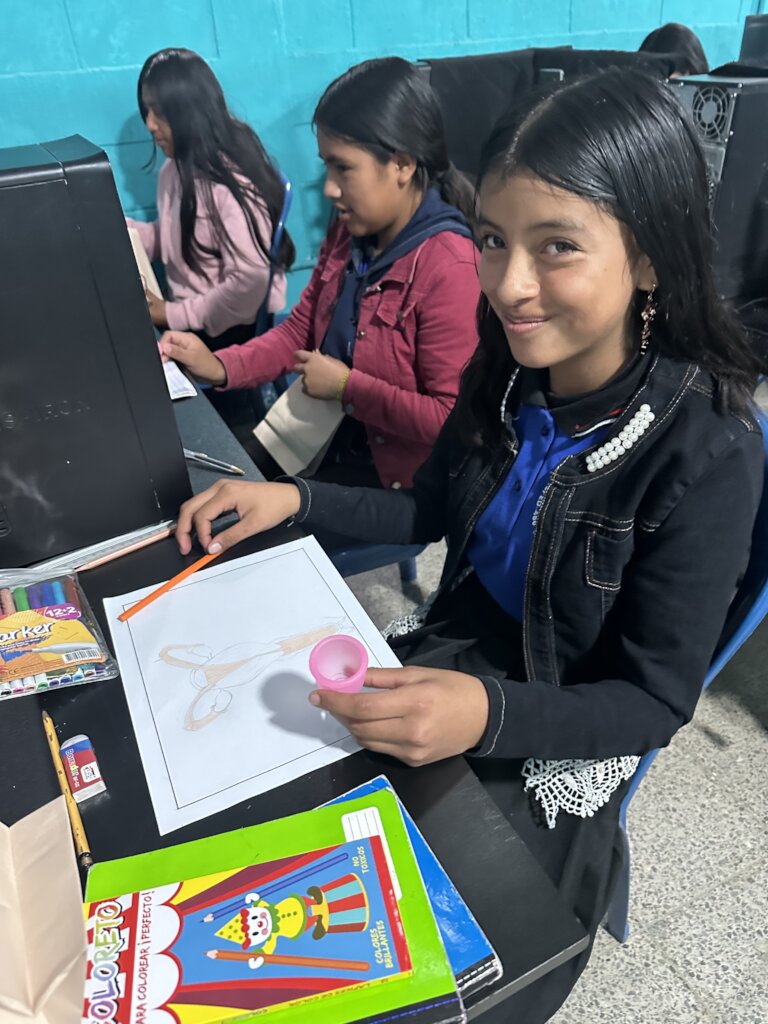
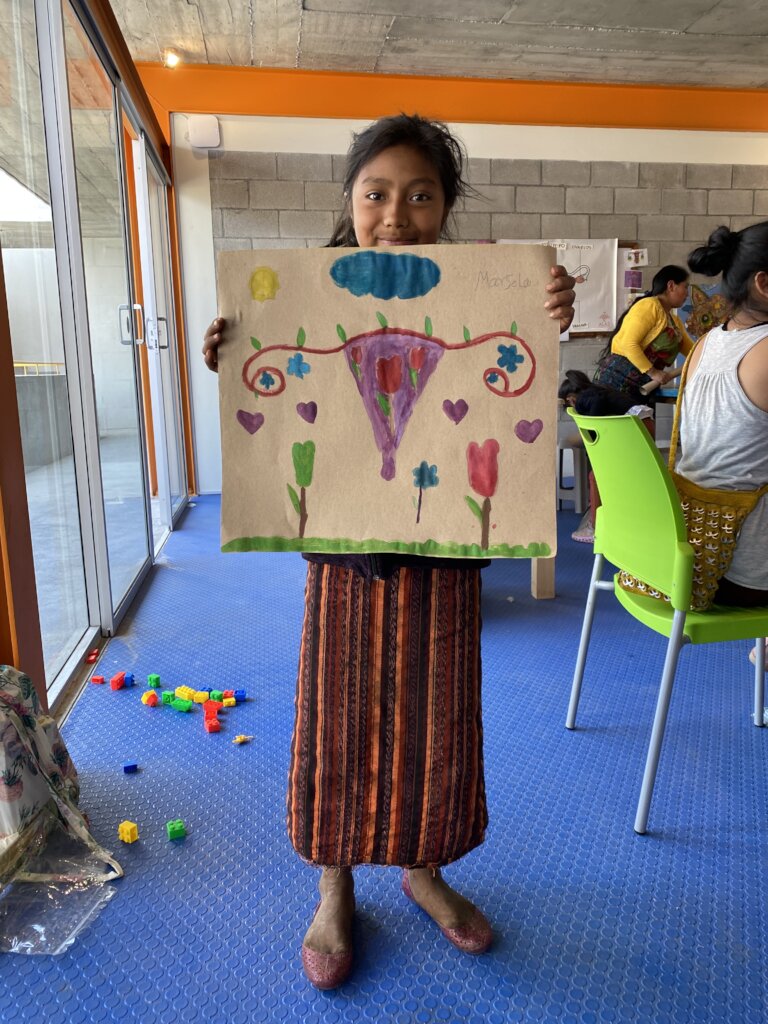
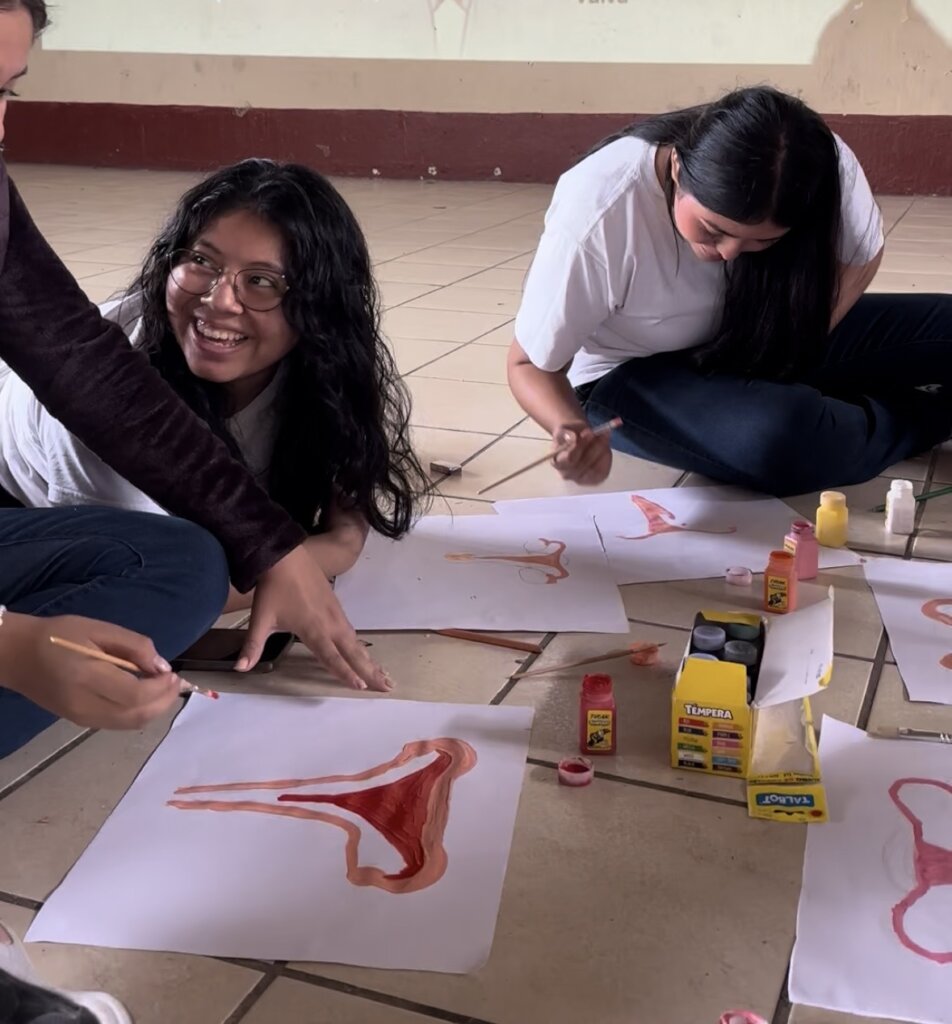
To complement the educational component, an art therapy activity focused on menstruation was implemented. Through creative expression, students were invited to reflect on their emotions, experiences, and beliefs related to menstruation. This activity helped normalize the topic, reduce stigma, and support emotional expression, particularly in a context where menstruation is often treated as a taboo subject.
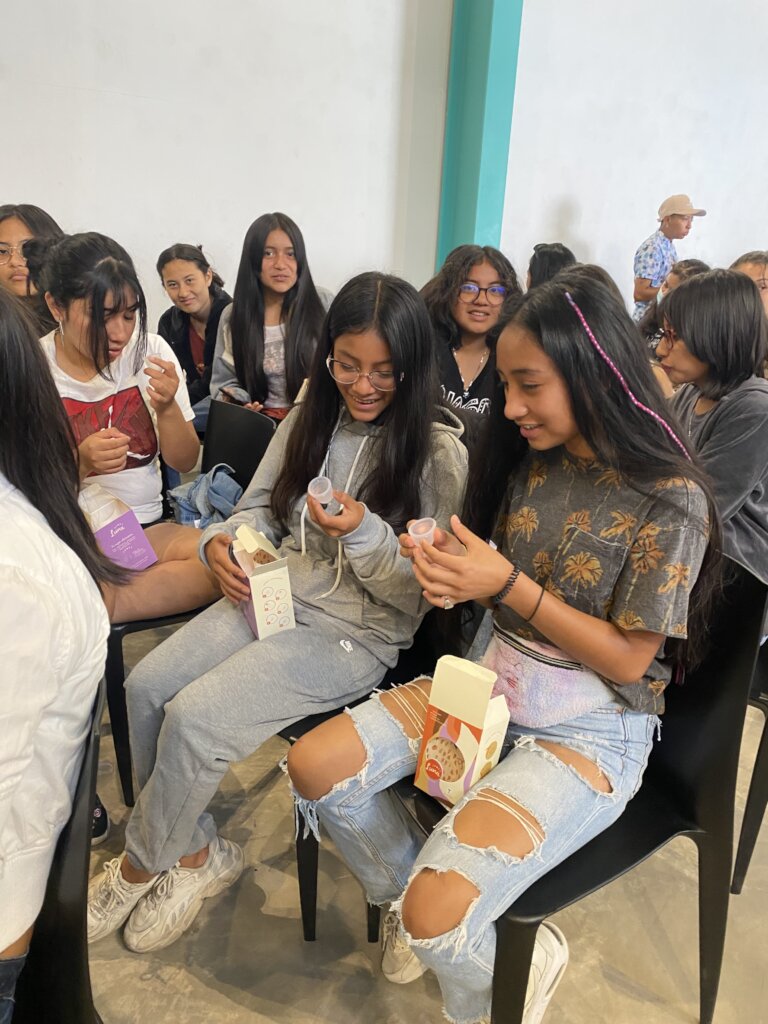
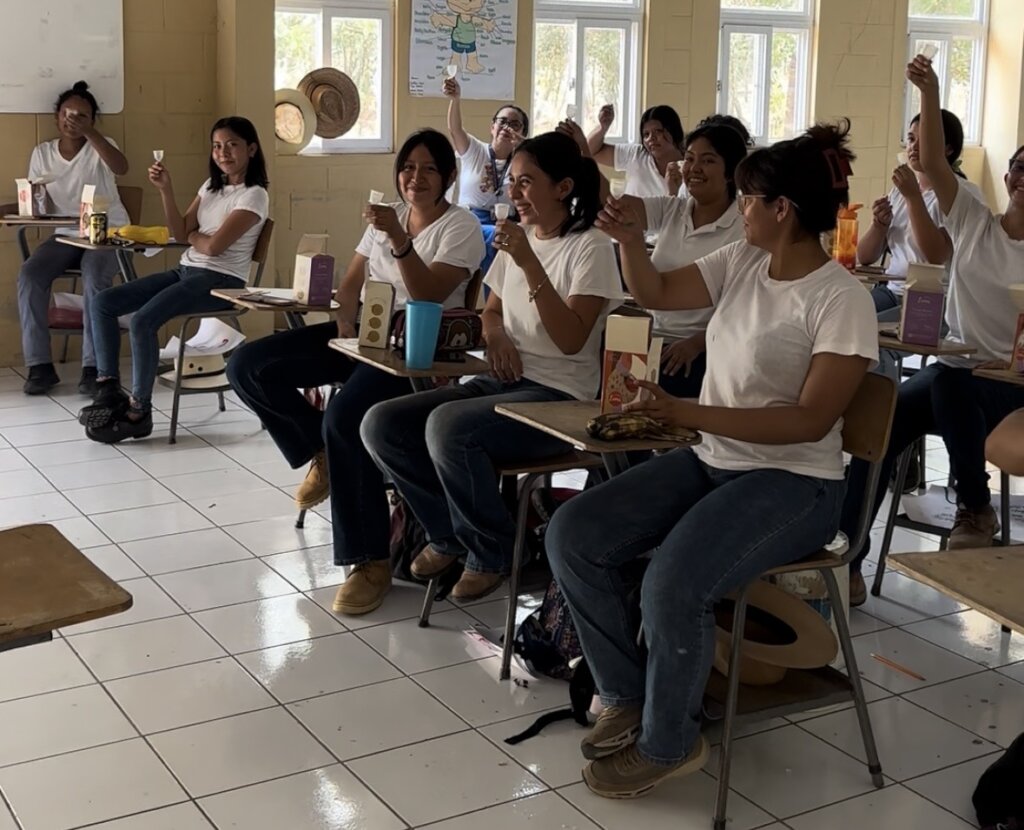
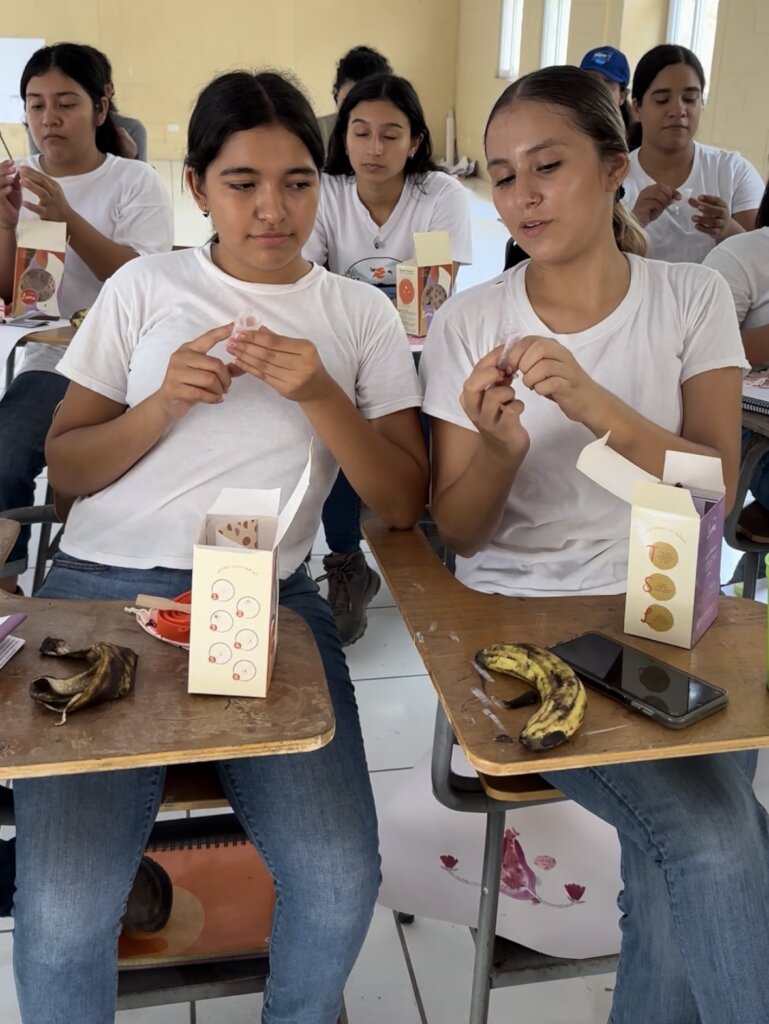
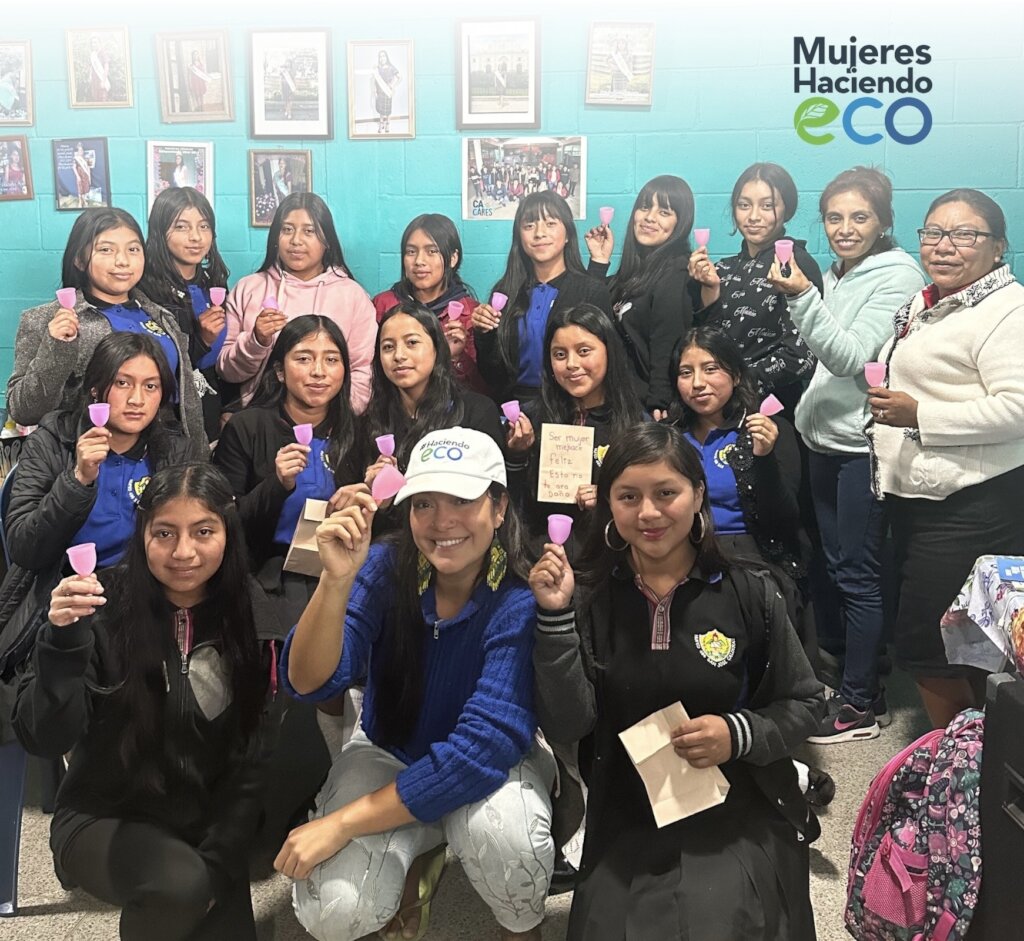
A central component of the morning was an interactive talk on sustainable menstrual management, with a focus on menstrual cups. Students learned how menstrual cups work, how to use and care for them safely, and how reusable menstrual products contribute to improved health outcomes while significantly reducing environmental harm. The discussion highlighted the negative health and environmental impacts of single-use menstrual products, especially plastic waste that persists in ecosystems for hundreds of years and disproportionately affects rural and environmentally sensitive regions such as Petén.
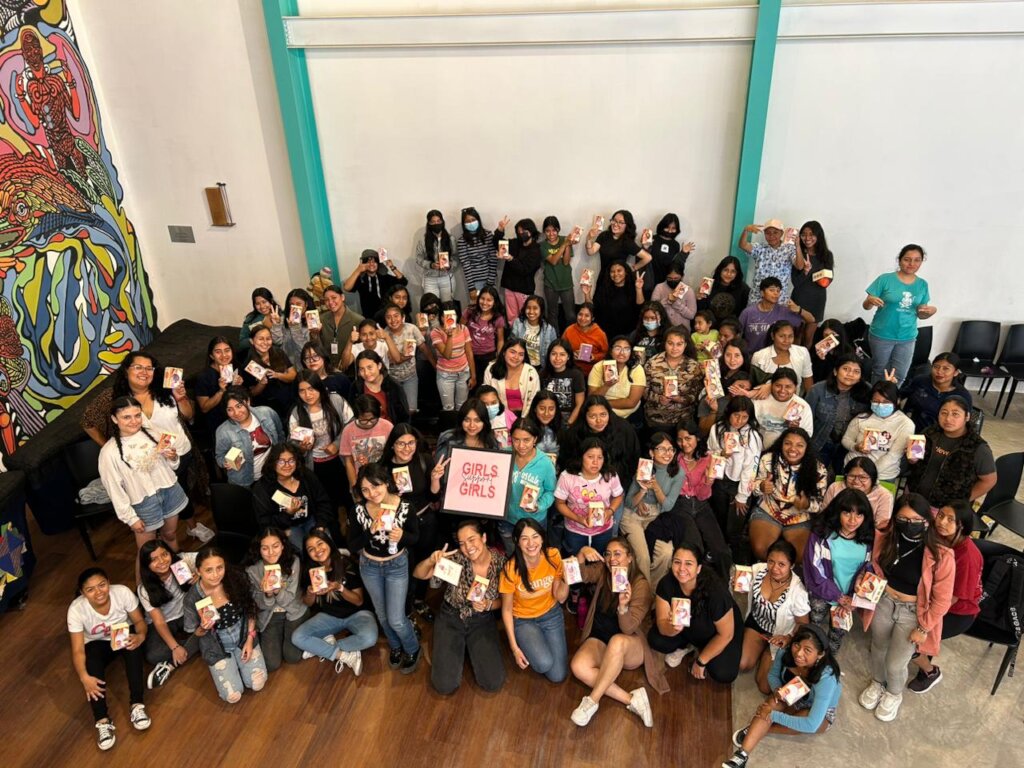
At the conclusion of the activity, 40 reusable menstrual cups were distributed, ensuring that each recipient left with both the knowledge and the means to manage their menstruation with dignity and autonomy. These cups represent a long-term solution: a single menstrual cup can replace approximately 2,000 single-use pads or tampons over its lifespan. As a result, this intervention is projected to prevent the disposal of approximately 80,000 single-use menstrual products, significantly reducing plastic waste and environmental contamination.
Beyond the environmental impact, the activity strengthened students’ confidence, improved understanding of their own bodies, and reinforced the link between personal health, education, and environmental responsibility. The collaboration with the Ministry of Environment also demonstrates the value of coordinated action between public institutions and community-based organizations to address intersecting challenges related to gender equity, education, and sustainability.
This intervention reflects HaciendoECO’s commitment to creating holistic, high-impact programs that empower girls, protect the environment, and generate lasting change in underserved communities.
Links:
Project reports on GlobalGiving are posted directly to globalgiving.org by Project Leaders as they are completed, generally every 3-4 months. To protect the integrity of these documents, GlobalGiving does not alter them; therefore you may find some language or formatting issues.
If you donate to this project or have donated to this project, you can receive an email when this project posts a report. You can also subscribe for reports without donating.