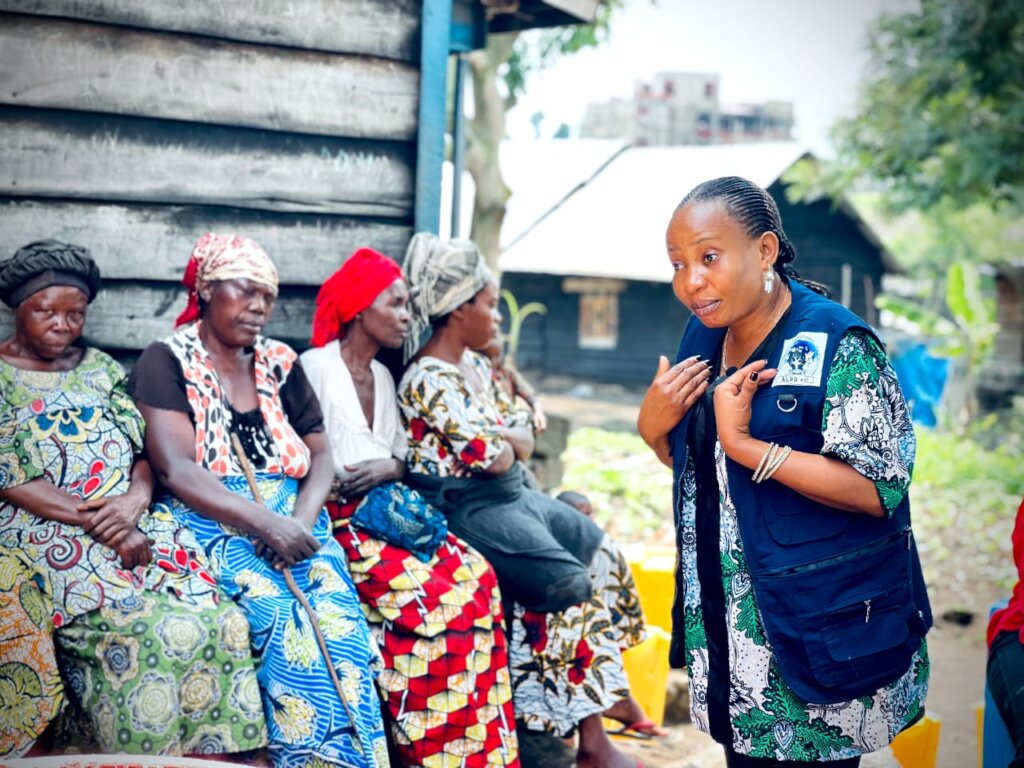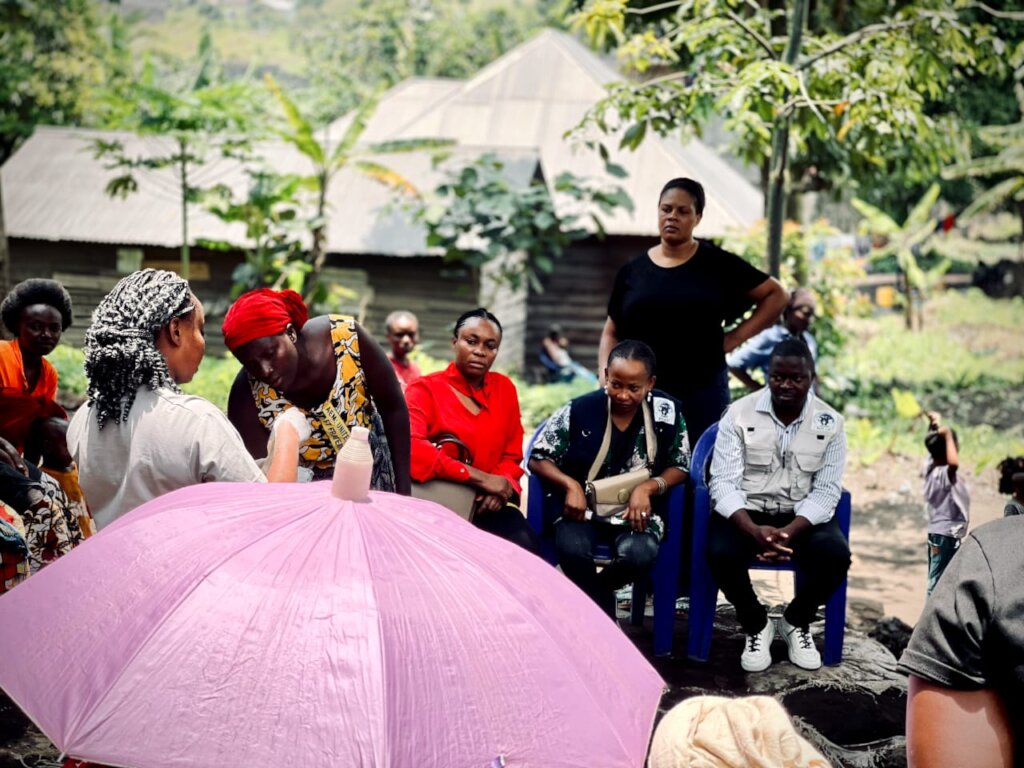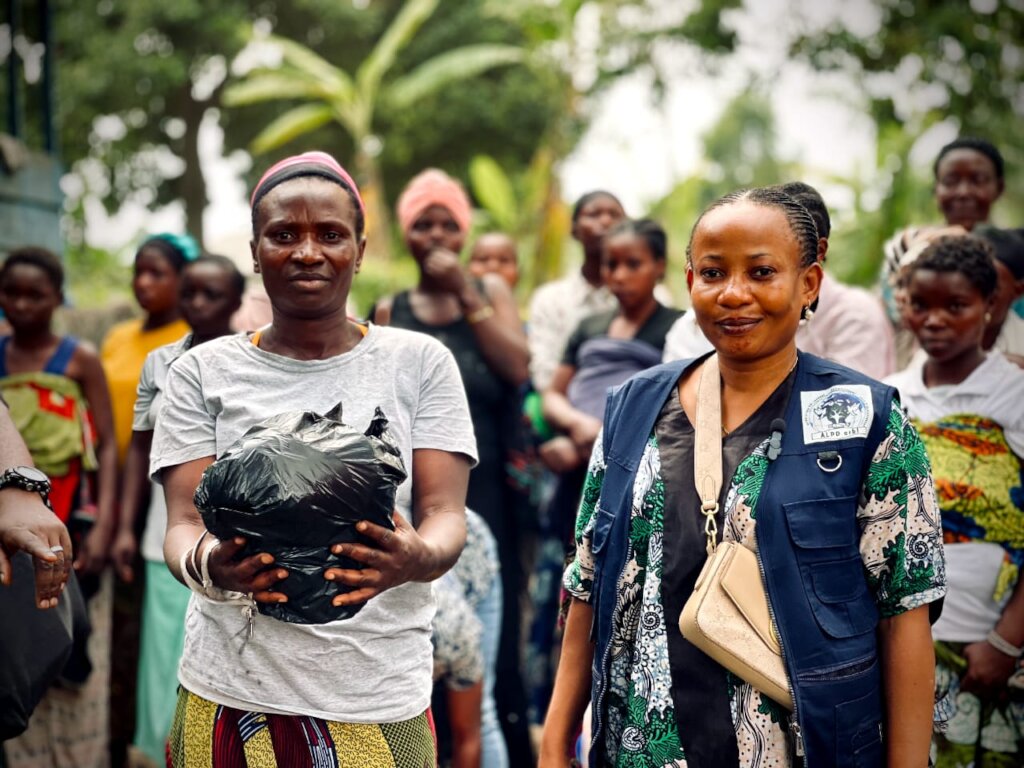
This project aims to strengthen the economic resilience and food security of 100 vulnerable women in Goma through technical training in agri-food pocessing- smoking and salting fish, meat and chicken) adressing both the need for financial independence and the reduction of losses in an area marked by instability.The project's objectives are to enable beneficiaries to generate stable income through the sale of high quality smoked products; Improve local protein preservation;
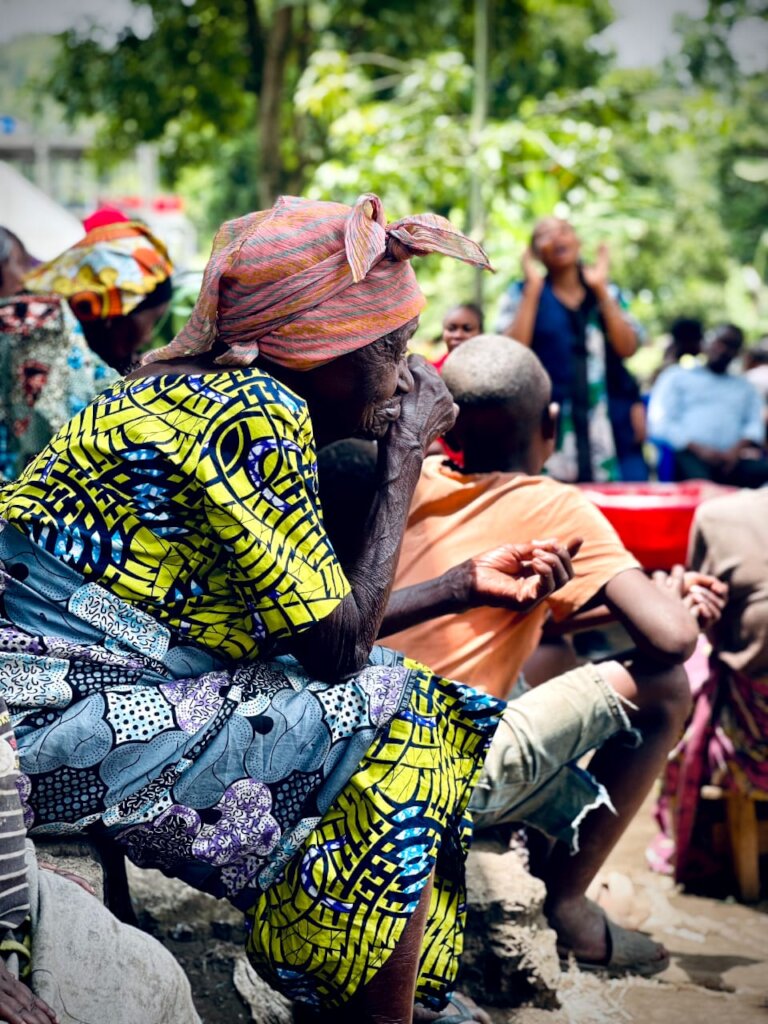
The city of Goma currently hosts over 100000 internally displaced persons living with host families.70% of households are headed by women, 40% of whom are survivors of sexual violence.In Goma,6 out of 10 vulnerable women lose 40% of their food investment due to a lack of preservation technics.They sell raw fish and meat at a loss,earn less than $50 per month,and remain dependent on humanitarian aid.The lack of training in smoking and salting,combined with insufficient equipment and market access
The project adresses the problem of post harvest losses , low income , and aid dependency by providing a practical , low-cost, market-driven in 4 compronents: Technical skills transfer-from raw product to market-ready prodct; Productive assets & shared processing units-tools to work ,no just knowledge;Busness & market linkage-from production to income;Protective & enabling environment-skeep women in the business.
Average montthly income increases from $30-50 to 90-120 within 6 months. Each of the 4 shared processing units creates 2 indirect jobs for porters, packaging suppliers, and childcare providers. 2, 4 tons of fish and meat preserved annually instead of rotting , recovering $14400 in lost value per year at Goma market prices. During lake kivu fishing bans or road insecurity , preserved products maintain supply and reduce price spikes in Goma markets.
This project has provided additional documentation in a PDF file (projdoc.pdf).



Support this important cause by creating a personalized fundraising page.
Start a Fundraiser