![Women groups in corn value added products]()
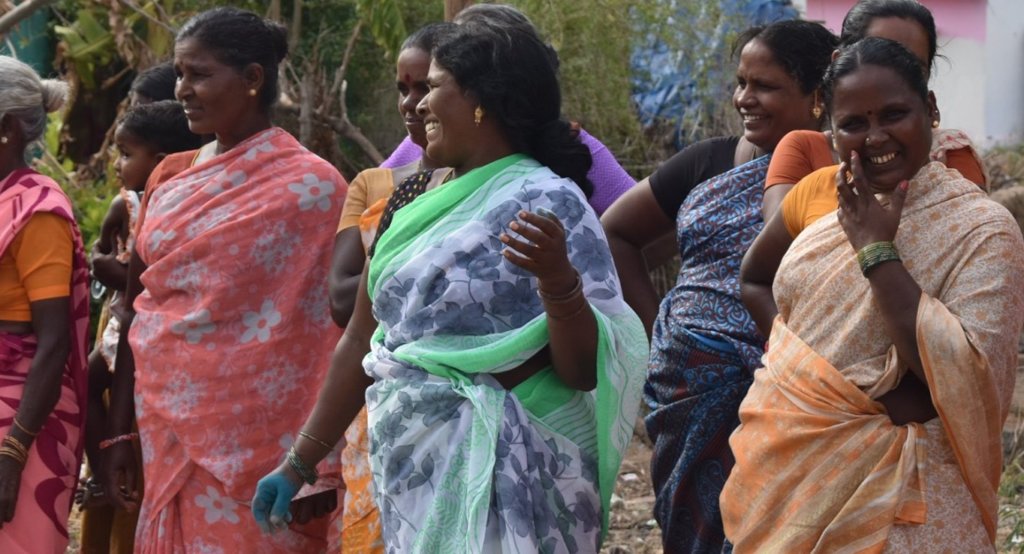
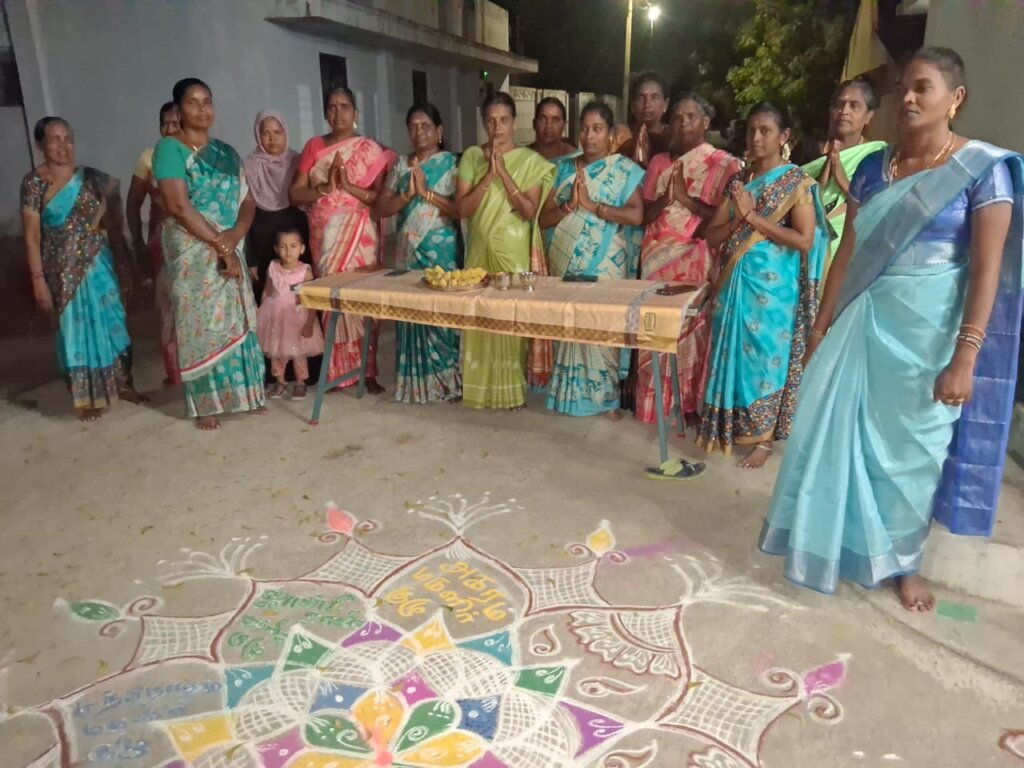
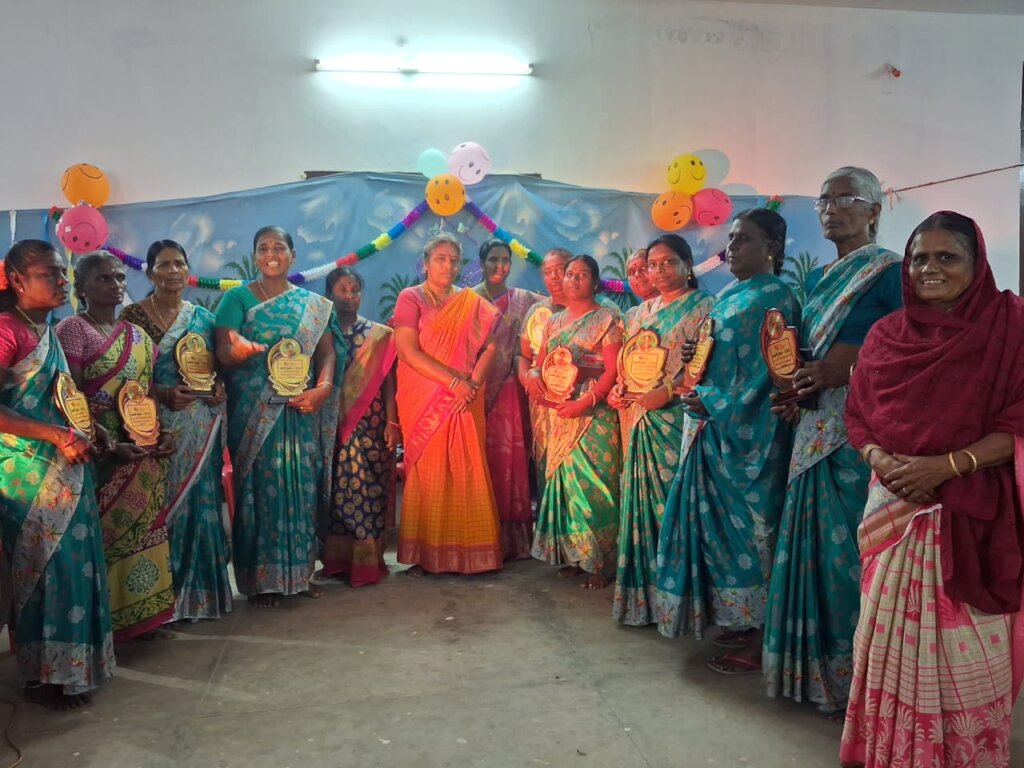
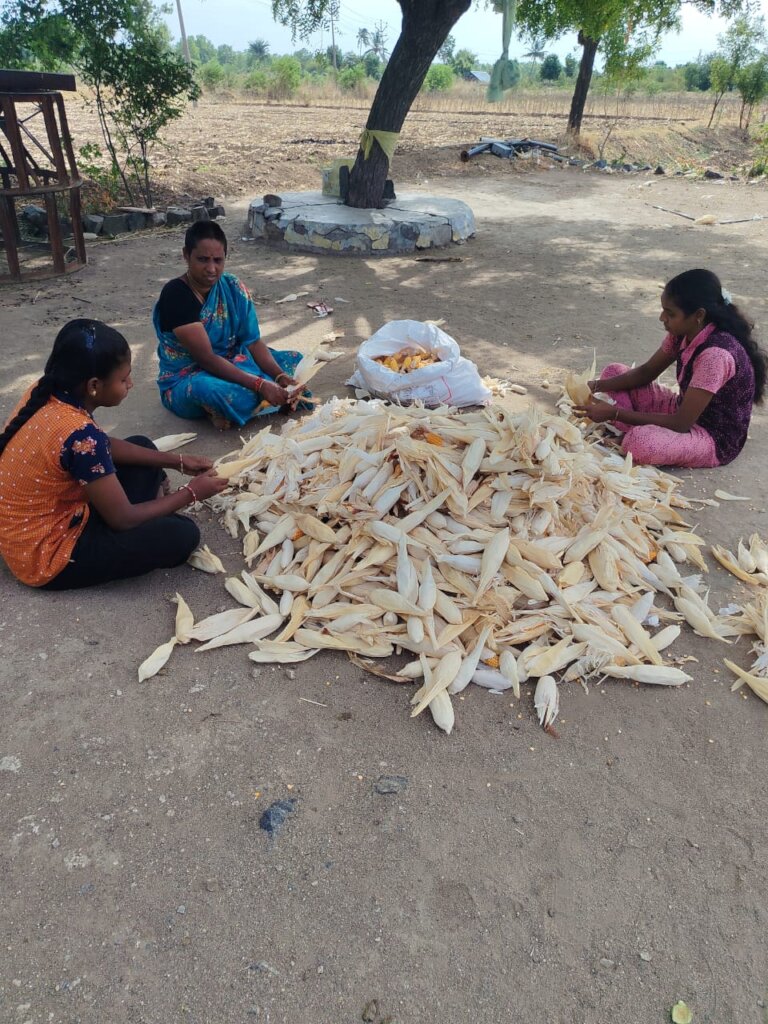
Women groups in corn value added products
Empowering Tamil Women Through Agribusiness: Join the Virtual Volunteer Movement
Introduction
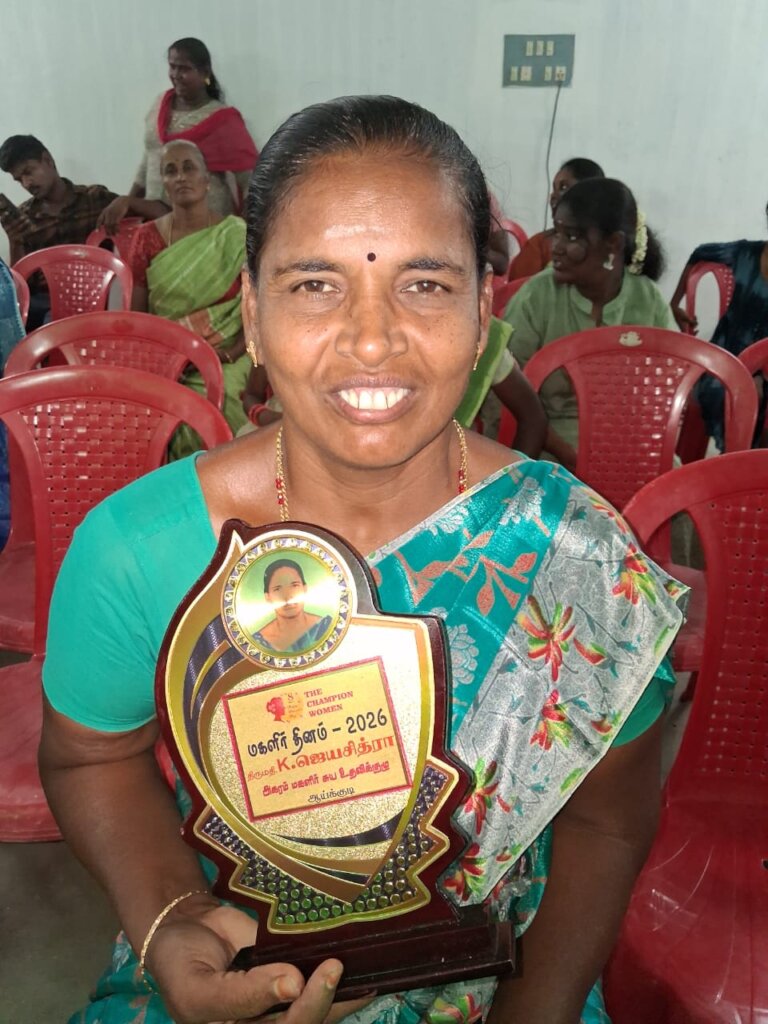
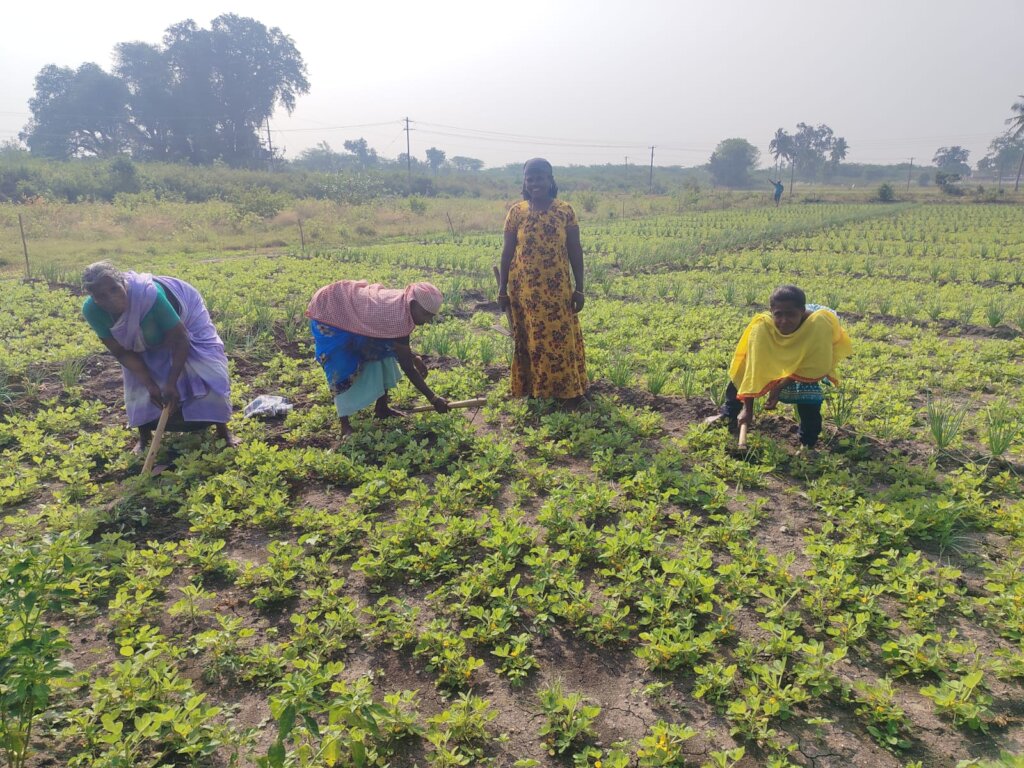
Rural women in Tamil Nadu often face significant socio-economic challenges including limited access to education, financial resources, and market opportunities. To address these barriers and foster economic independence, a group of 20 Tamil women entrepreneurs have come together to form a collective agribusiness focused on organic farming and value-added agricultural products. This report provides an overview of their journey, achievements, challenges, and the critical role virtual volunteers can play in scaling their impact.
Background and Context
Tamil Nadu’s rural communities rely heavily on agriculture for livelihood, but small-scale women farmers often lack the support necessary to compete in larger markets. Limited access to technology, market information, and financial literacy frequently result in reduced incomes and persistent poverty. Recognizing this, local NGOs and community leaders initiated programs to empower women farmers through training, resource access, and cooperative business models.
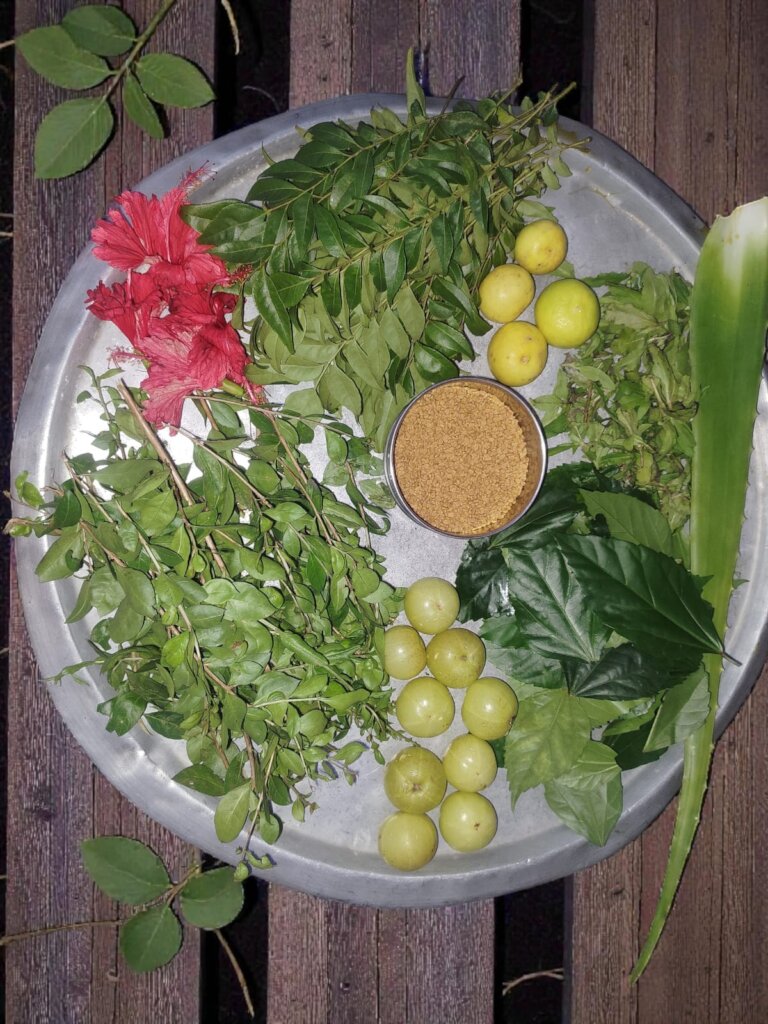
The current agribusiness collective was born from this vision, focusing on sustainable, organic practices that respect the environment and produce high-quality goods such as millets, herbal powders, and traditional pickles. The collective aims to provide women with not only financial stability but also a platform for leadership and community development.
Project Goals and Objectives
-
Economic Empowerment: Increase income and livelihood security of 20 women entrepreneurs.
-
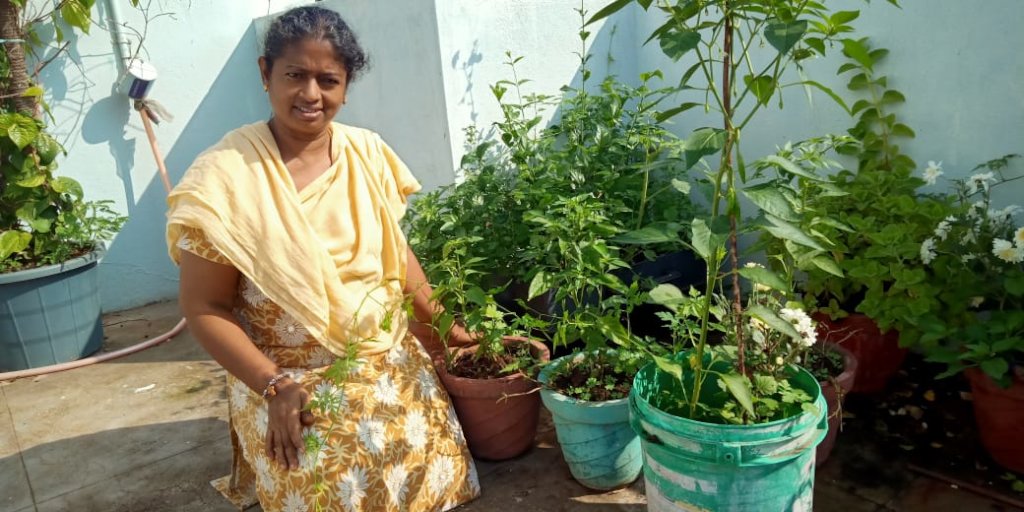
Sustainable Agriculture: Promote organic farming practices that conserve natural resources.
-
Skill Development: Enhance knowledge in business management, marketing, and production.
-
Community Building: Foster a supportive network among women and their families.
-
Market Expansion: Develop channels for selling products beyond local markets.
Achievements to Date
-
Training and Capacity Building:
-
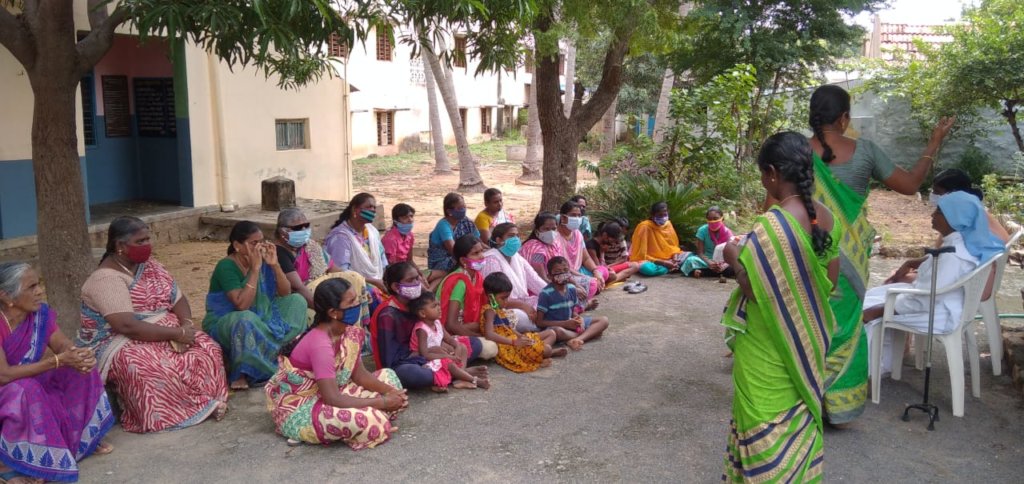
Conducted workshops on organic farming techniques, food safety standards, and financial management.
-
Women learned bookkeeping and basic inventory management.
-
Production and Marketing:
-
Economic Impact:
-
Community Engagement:
-
Strengthened social bonds within the group, encouraging mutual support.
-
Organized community events to raise awareness on women’s empowerment and sustainable agriculture.
Challenges Faced
-
Limited Market Reach: Current sales primarily confined to nearby villages and weekly markets.
-
Marketing and Branding Deficits: Lack of digital presence and professional packaging limits product appeal to wider audiences.
-
Financial Literacy Gaps: Need for enhanced skills in pricing strategy, cost management, and digital payment systems.
-
Infrastructure Constraints: Inadequate access to cold storage and transport facilities hinders product shelf life and delivery.
-
Language Barriers: Difficulty in communicating with urban customers and e-commerce platforms, many of which operate primarily in English.
The Role of Virtual Volunteers
Virtual volunteers can be game-changers for this agribusiness collective by bridging gaps through remote support in the following areas:
-
Digital Marketing & Social Media: Creating engaging content, managing social media pages, and storytelling to build brand identity.
-
E-Commerce Development: Assisting in setting up online shops (e.g., Instagram, WhatsApp Business, Shopify) to reach urban and international markets.
-
Graphic Design: Designing attractive, eco-friendly packaging and labels that reflect the cultural roots and quality of the products.
-
Financial and Business Mentoring: Training on bookkeeping software, pricing models, and budgeting for sustainable growth.
-
Translation and Communication: Supporting Tamil-English translation for product descriptions, customer communication, and marketing materials.
Corn Value-Added Products
Corn is a versatile crop with many opportunities for value addition, especially in rural agribusiness. Processing raw corn into value-added products not only increases income but also opens new markets and extends shelf life.
Common Corn Value-Added Products:
-
Corn Flour / Cornmeal
-
Ground from dried corn kernels, used in baking, cooking, and as a gluten-free alternative to wheat flour.
-
Can be packaged for household or industrial use.
-
Popcorn
-
A popular snack made by heating special varieties of corn kernels until they pop.
-
Can be flavored with spices, caramel, cheese, or chocolate.
-
Corn Starch
-
Extracted from corn, used as a thickening agent in food products and in industrial applications.
-
Has multiple uses in cooking and manufacturing.
-
Corn Oil
-
Extracted from corn germ, used for cooking and frying.
-
Also used in cosmetics and industrial products.
-
Corn-based Snacks
-
Includes corn chips, tortillas, extruded snacks, and puffed corn products.
-
Often flavored and packaged for retail.
-
Corn Syrup and Sweeteners
-
Cornmeal Porridge / Ready-to-Eat Products
-
Fermented Products
-
Animal Feed
-
Corn Husk and Cob Products
Benefits of Adding Value to Corn:
-
Increased Income: Processed products command higher prices than raw corn.
-
Employment Opportunities: Value addition creates jobs in processing, packaging, and marketing.
-
Waste Reduction: Utilizing by-products reduces agricultural waste and enhances sustainability.
-
Market Diversification: Access to different consumer segments and export potential.
Email connect@voice-trust.org to be a part of the change and join our virtual volunteering movement.
![A PWD person purchased corn flour for cattle]()
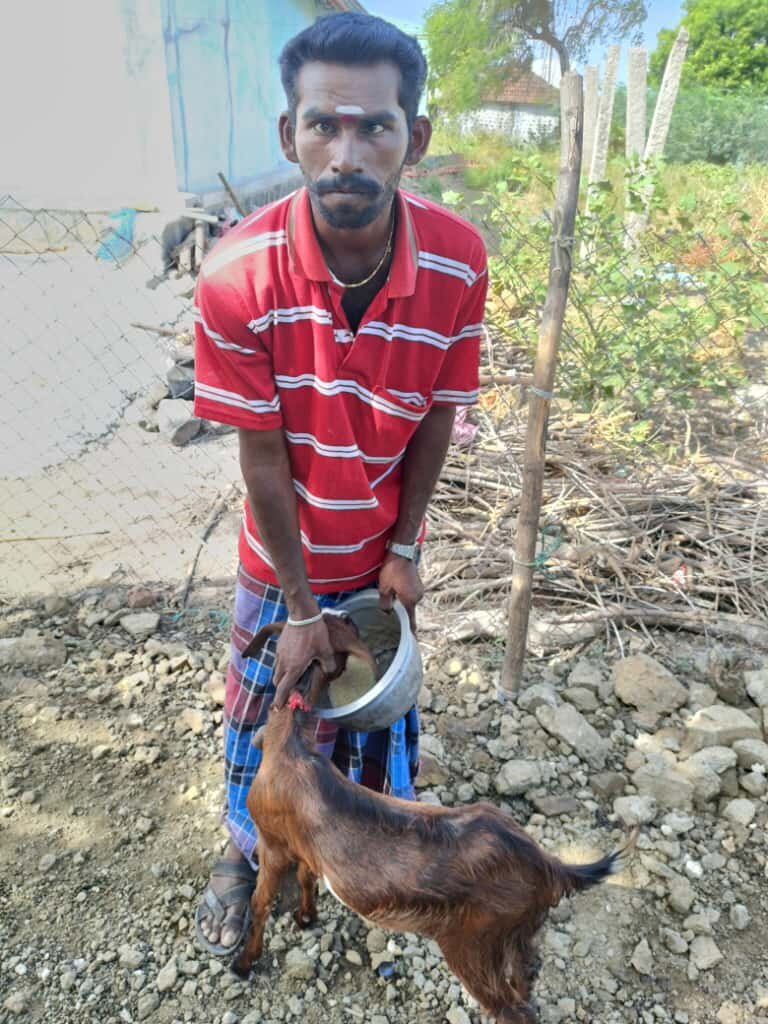
A PWD person purchased corn flour for cattle
![Share on Twitter]()
![Share on Facebook]()