By Faith Luvembe | Project Leader
1. Empowerment Hub and Integrated Agri-Aquaculture Center: A Proposal for Adolescent Girls in East Asembo, Siaya County
This revised proposal outlines the establishment of a dedicated Adolescent Girls Empowerment Hub in East Asembo Location, Siaya County, Kenya. Leveraging the existing framework, the Hub will serve as a safe, inclusive, and empowering space for adolescent girls and young women (including teen mothers), focusing on holistic development, sustainability, and economic resilience through an integrated organic agri-aquaculture system.
The Hub is designed as a replicable, community-driven model to address the critical needs of vulnerable adolescent girls in the region, particularly limited access to safe spaces, comprehensive health and reproductive health education, life skills, and sustainable livelihood opportunities. This project is a collaborative, co-created response to a documented needs assessment in East Asembo Location, Rarieda Sub-County, Siaya County.
1.0 Executive Summary: Integrated Livelihoods and Empowerment
The Adolescent Girls Empowerment Hub is a proposed community center located at Ndara-Okago Market, Aluru ‘B’ Village in East Asembo Location, Siaya County, Kenya. It is specifically designed to provide a safe, inclusive, and empowering environment for vulnerable adolescent girls and young women, with programs strategically focused on their unique developmental and economic needs.
The project will establish a sustainable, replicable model on a ¾ acre leased plot of land. Key features will include constructing permanent buildings for training and mentorship, a robust water system featuring two 50,000-liter tanks and rainwater harvesting, and a circular bio-economy system.
The central component of the sustainable livelihood strategy is the Integrated Organic AgriAquaculture System, comprising:
1.Two Earthen Ponds for Organic Aquaculture:
One pond dedicated to raising Tilapia (Oreochromis niloticus).
One pond dedicated to raising Mudfish (e.g., Catfish, Clarias gariepinus).
2. Organically Grown Indigenous Vegetables:
Utilizing pond water/effluent for irrigation and fertilization to grow indigenous vegetables (e.g., Saga, Managu, Terere), creating a low-cost, nutrient-rich food and income source.
3.Ten Dairy Goats:
Integrated into the system to provide manure for pond fertilization (following organic methods) and milk for the daily feeding program and income generation.
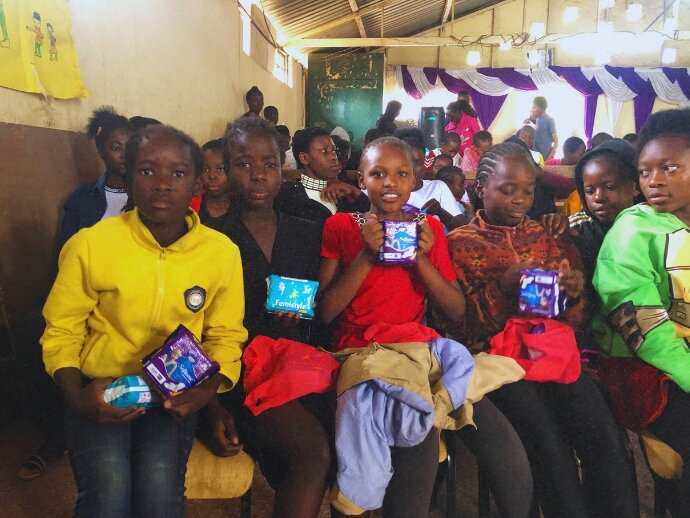
The Hub will implement a daily feeding program for 150 children/adolescent participants, featuring the produce from the organic agri-aquaculture system. Comprehensive programs will include: Reproductive Health Support for Adolescents and Teen Mums, Life Skills and Mentorship, Mental Health Support, Climate Action/Agri-Aquaculture Training, and Digital Literacy.
Through these initiatives, the project aims to mentor and empower over 10,000 adolescent girls and young women, and provide water safety/swimming lessons to more than 6,000 children and adolescents. The total budget is USD200,000, with a strong focus on community co-creation and long- term sustainability. A robust Monitoring, Evaluation, Accountability, and Learning (MEAL) framework will ensure the project's success and replicability as an economic empowerment model.
2.0 Project Context and Rationale
The Hub directly responds to the vulnerability of adolescent girls in East Asembo, where high rates of teenage pregnancy, school drop-outs, and limited economic opportunities perpetuate cycles of poverty. By focusing resources on this demographic, the project creates a pathway to self-reliance. The integrated agri-aquaculture system is a practical, hands-on agribusiness training platform that teaches sustainable food production, resource efficiency, and entrepreneurship using locally relevant, highdemand species (Tilapia and Mudfish) and nutrient-dense indigenous vegetables.
3.0 Sustainable Livelihood Strategy: Agri-Aquaculture
Pond System: The two earthen ponds provide a controlled environment for raising two different species (Tilapia and Mudfish), diversifying risk and product offerings. The use of organic manure (from the goats) and natural feed sources reduces operational costs significantly.
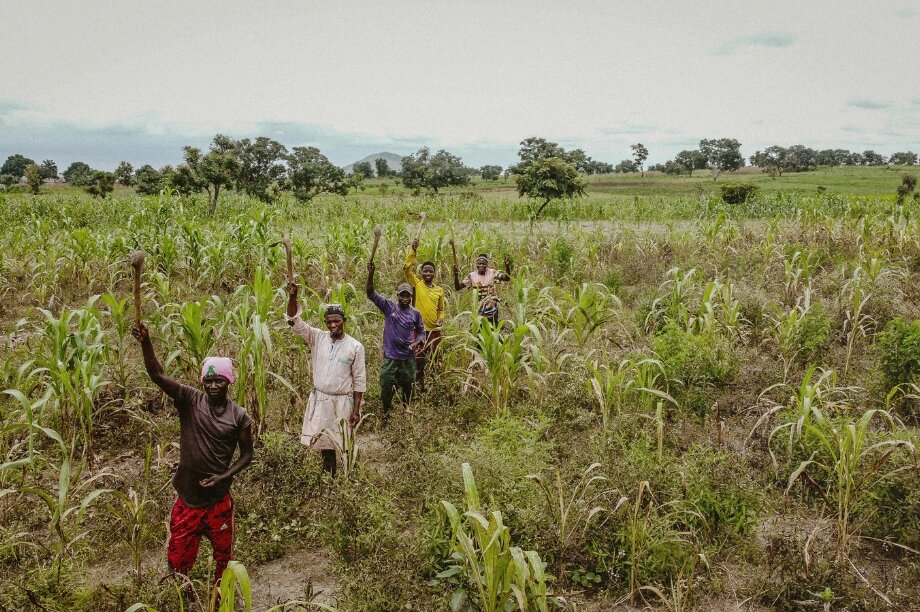
Vegetable Production: Indigenous vegetable beds will be strategically placed to utilize the nutrient-rich water (effluent) from the ponds, establishing a closed-loop, bio-economical system that maximizes water and nutrient use while minimizing waste. This training module directly addresses food security and climate-smart agriculture.
Training: Adolescent girls will receive vocational training in pond management, organic vegetable cultivation, fish harvesting/processing, and market linkage, creating a direct route to employment or self-employment.
Project reports on GlobalGiving are posted directly to globalgiving.org by Project Leaders as they are completed, generally every 3-4 months. To protect the integrity of these documents, GlobalGiving does not alter them; therefore you may find some language or formatting issues.
If you donate to this project or have donated to this project, you can receive an email when this project posts a report. You can also subscribe for reports without donating.



Support this important cause by creating a personalized fundraising page.
Start a Fundraiser