By Anna Miller | AIDA Communications
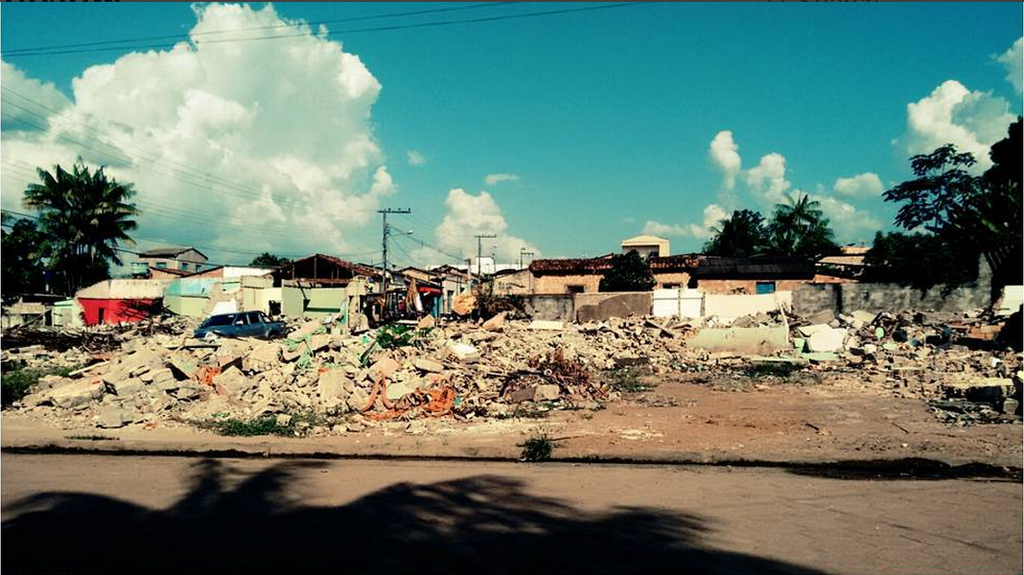
Around Altamira, homes are being destroyed. In parts of the city, the familiar walls that have stood witness to birth and death, that have seen children grow and families evolve, have been reduced to rubble.
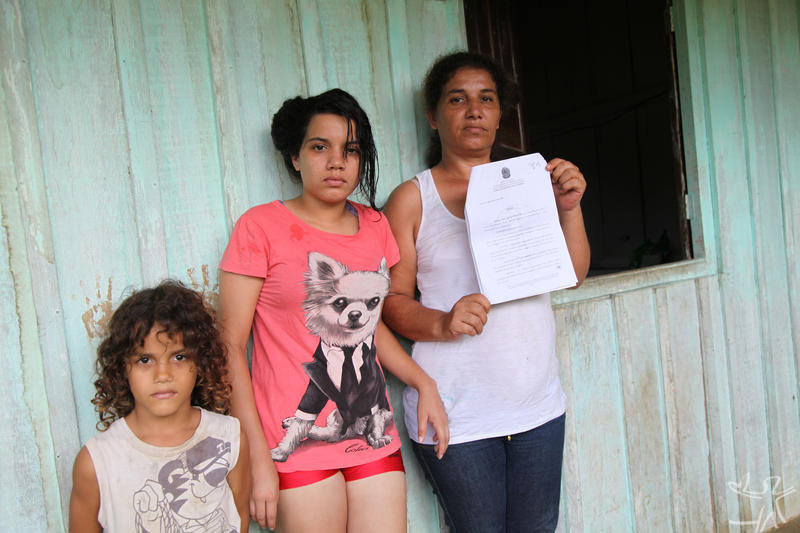
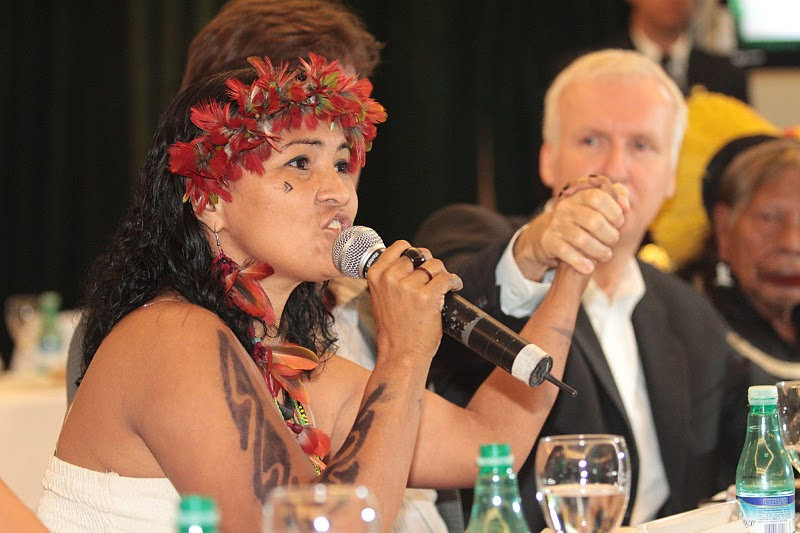
On the avenue 7th of September, Antonia's house is the last left standing. Her street is empty, piles of concrete all that remain of her friends and neighbors. Norte Energía has given her 10 days to evacuate. On Tuesday, Antonia, a local activist and leader of Movimento Xingú Vivo, harvested five liters of sweet açai berries from the tree in her yard. Soon it too will be gone.
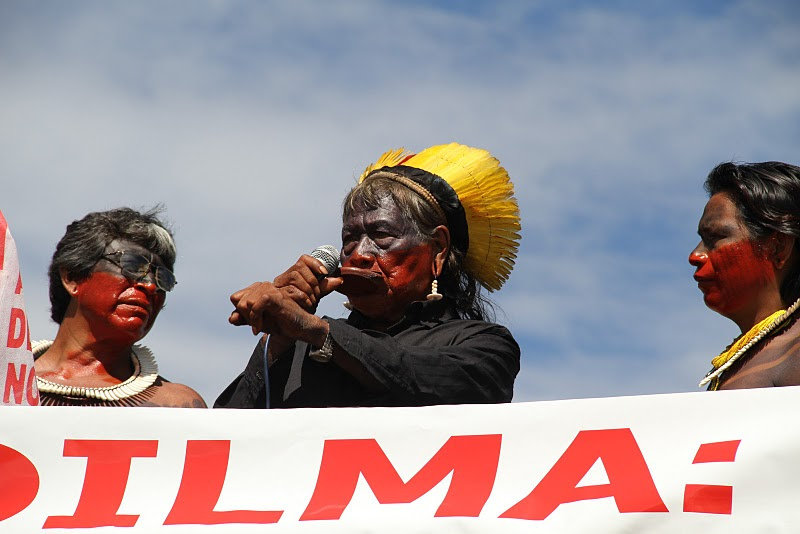
“[President] Dilma says the dams produce cheap electricity, but the cost is paid here in the destruction of the environment and the destruction of people’s lives,” she said in a conversation with The Guardian last December.
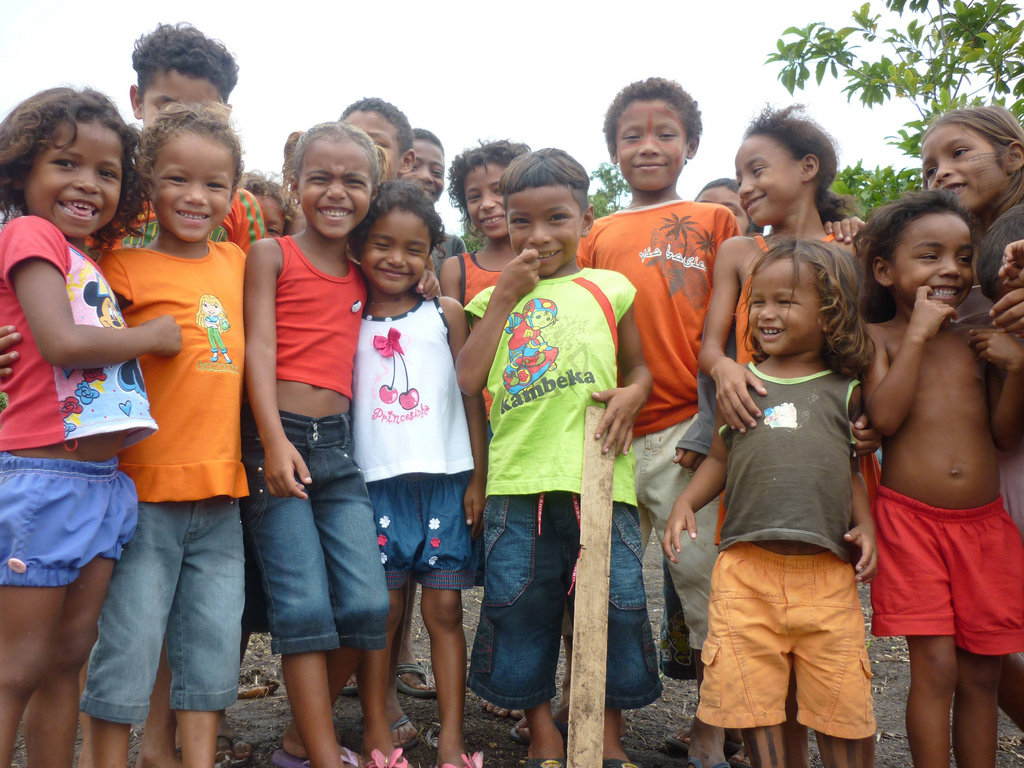
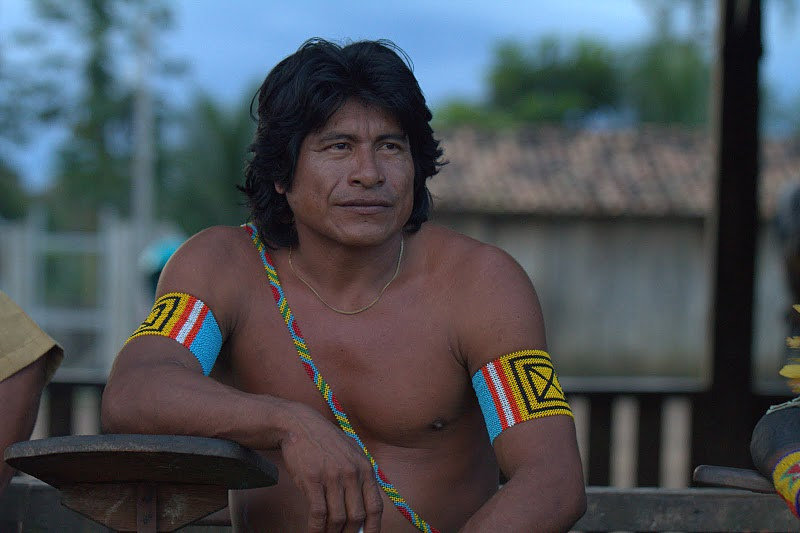
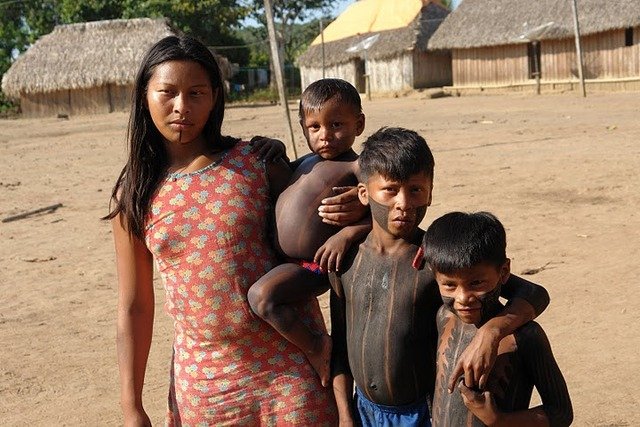
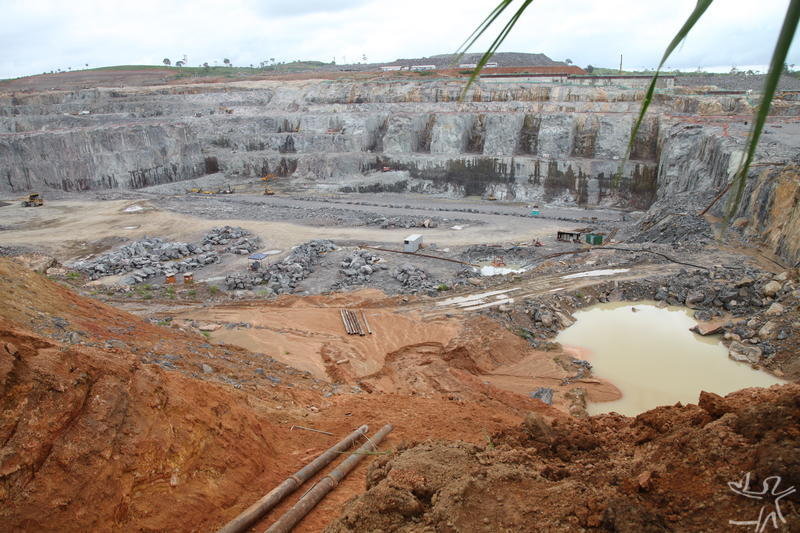
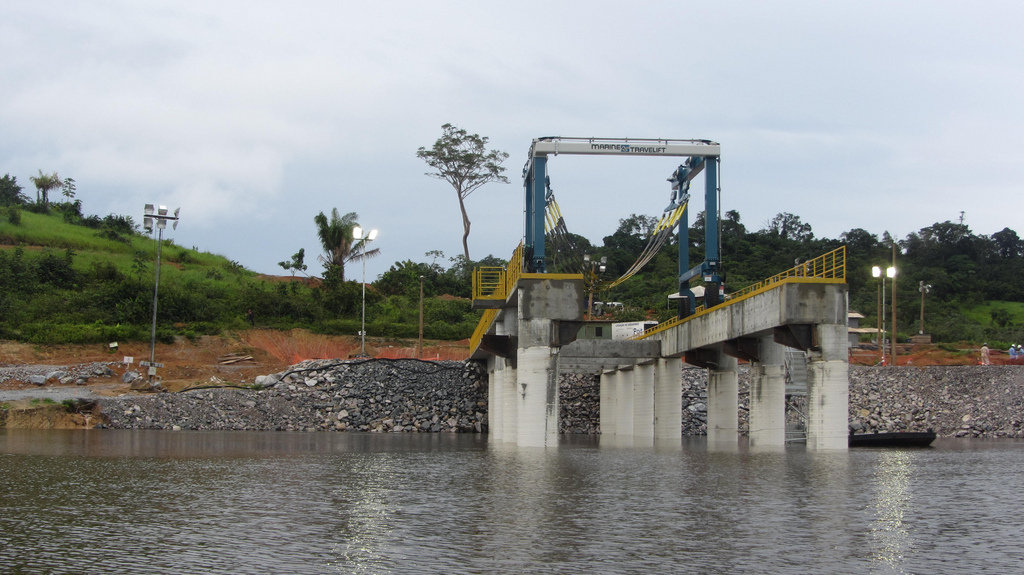
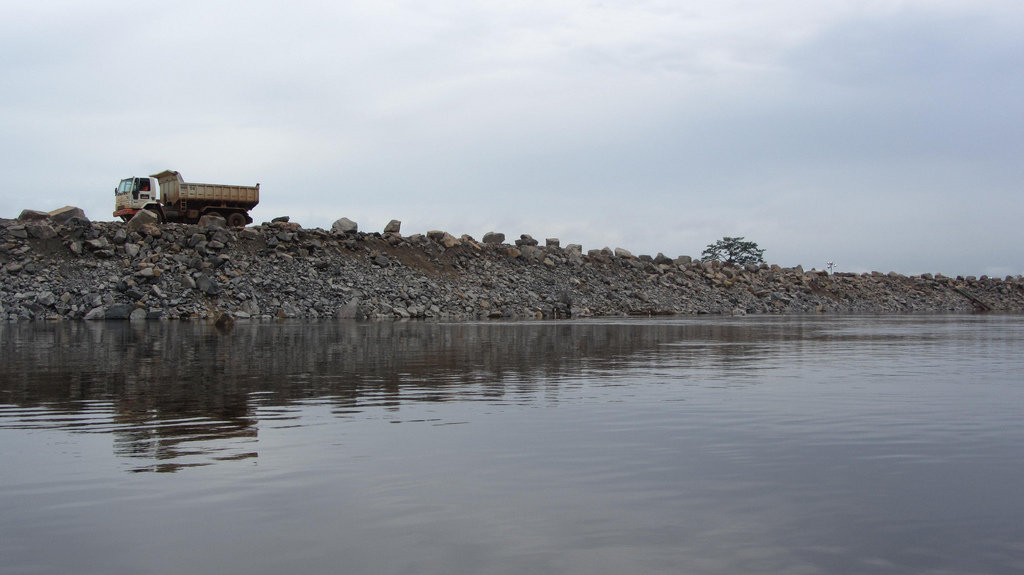
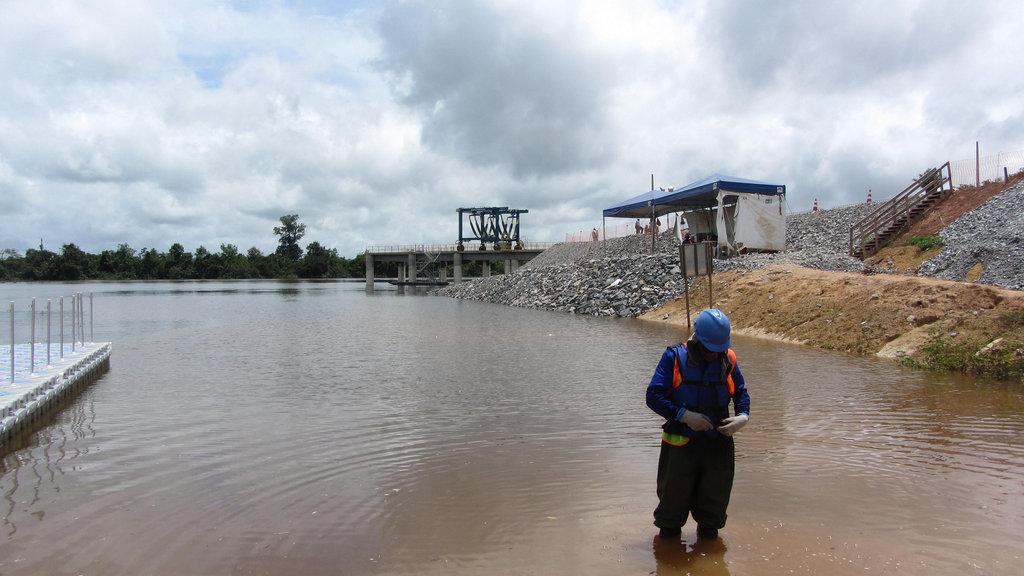
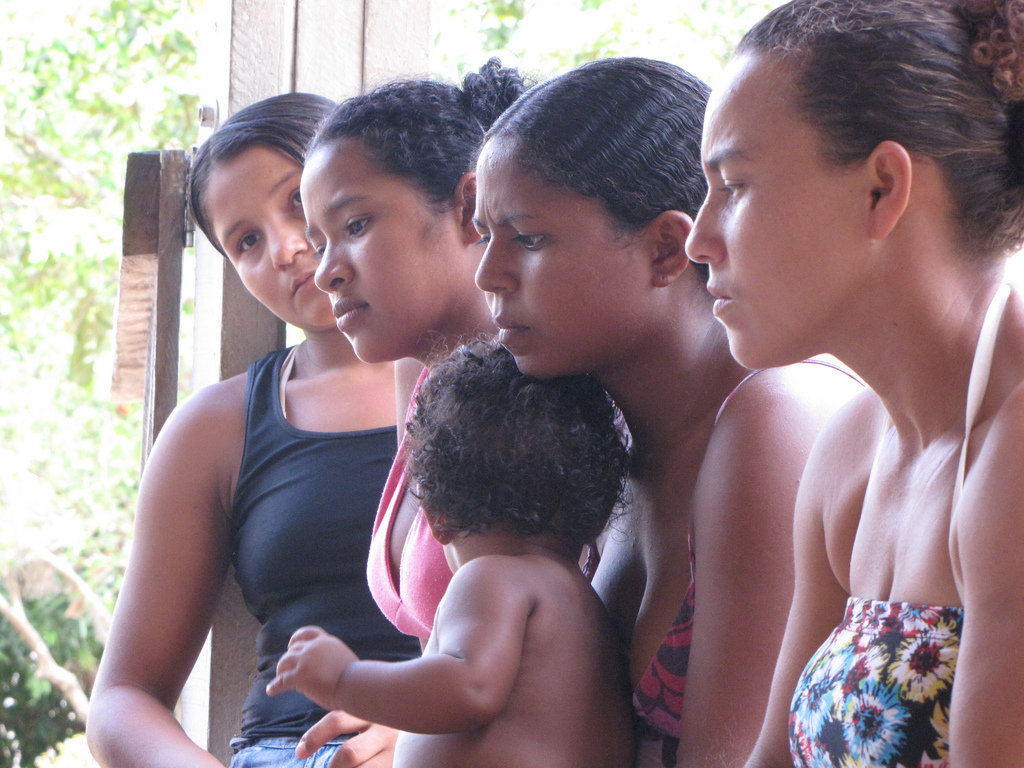
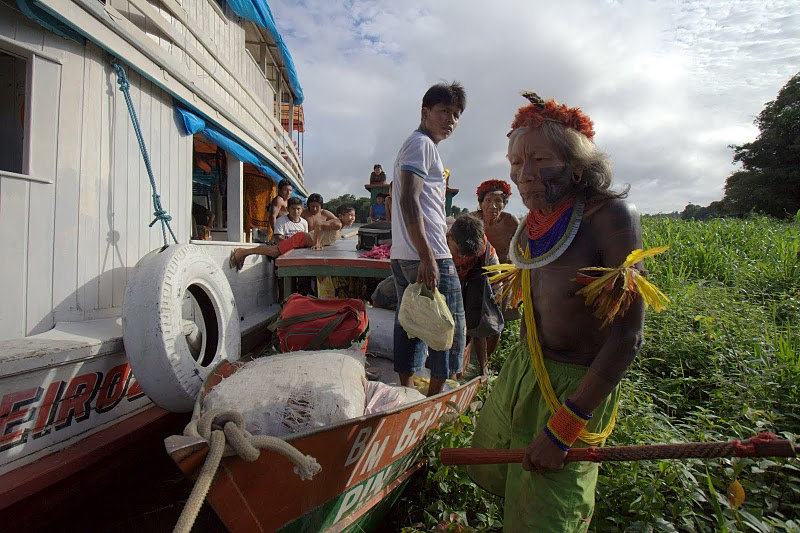
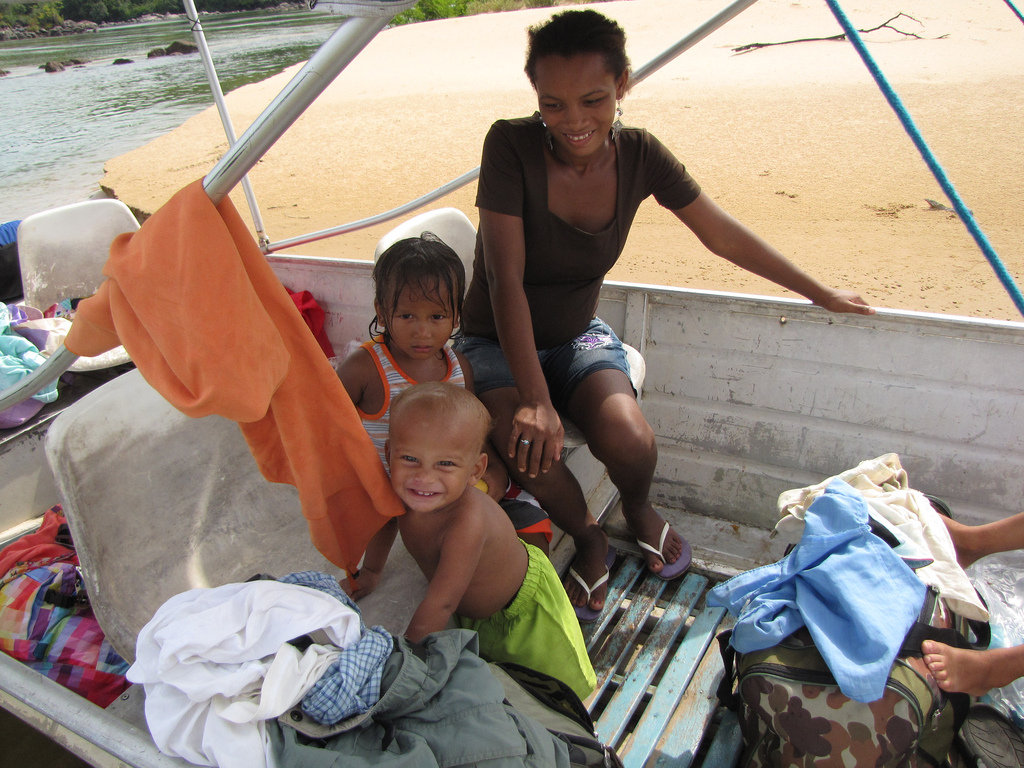
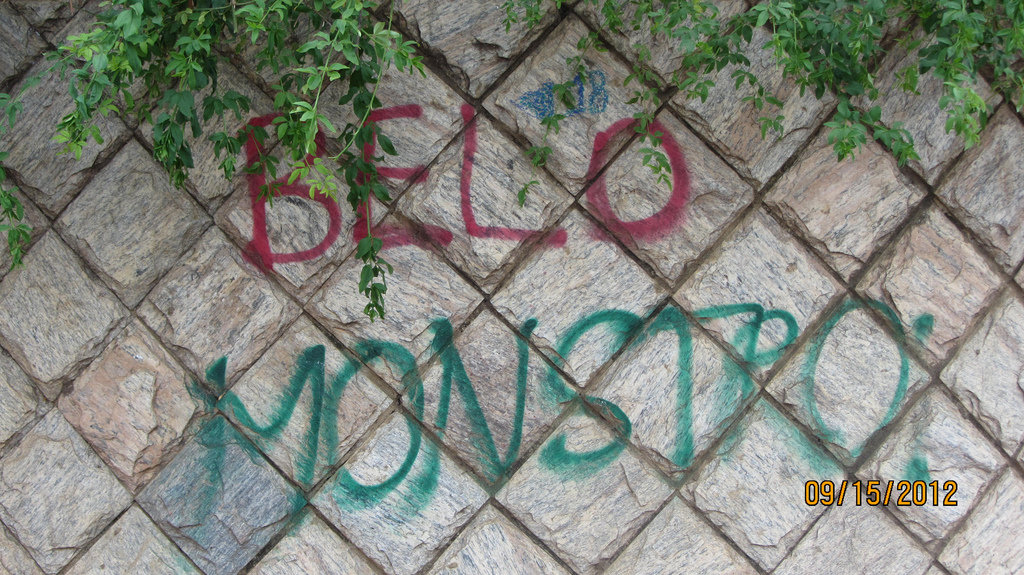
As an increasing number of neighborhoods are destroyed, and families displaced, the construction of Belo Monte continues. Beyond the town, the natural flow of the Xingú River, the wild waterway that has, for centuries, carved its way through the Brazilian Amazon, has abruptly begun to change course. Riverine communities are already feeling the effects of their changing landscape, their lives and livelihoods cut off by what will soon be the third largest dam in the world.
The operators of Belo Monte have begun provisional closures of the river in order to proceed with the last phases of the dam’s construction, which is now more than 70 percent complete. With work moving steadily along, the operators recently requested the dam’s operating license from the Brazilian Institute for Environmental & Natural Resources (IBAMA). That request signals the frightening final stage of the dam’s approval process. If granted, the license would authorize the filling of the dam and, thus, the final diversion of the Xingú River. The dam would thereafter begin partial operation.
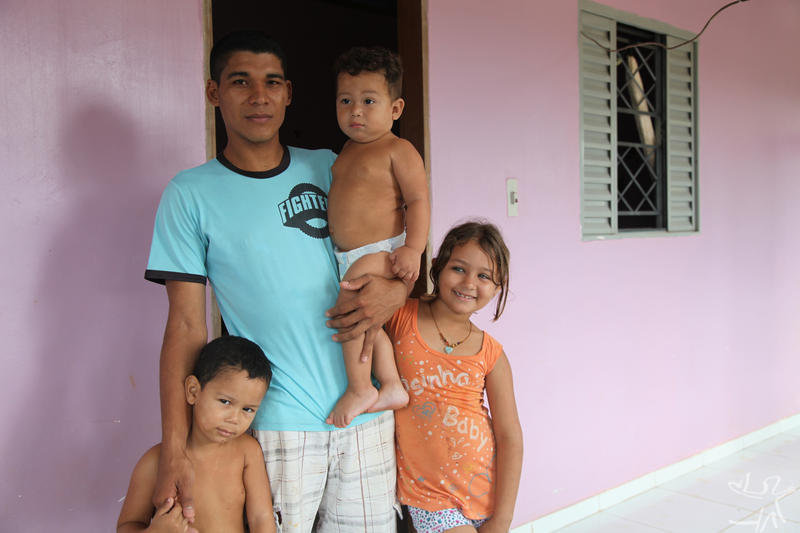
We know that full operation of Belo Monte will worsen an already dire situation for communities affected by the construction of the dam. Already thousands have been forcibly relocated from their homes, in violation of their human rights, and only a fraction of those displaced have received any sort of minimum compensation.
In light of the risk established by the dam’s potential licensure, we at AIDA are even more determined to stop this process in its tracks. In July, alongside local NGOs Justiça Global, Sociedad Paraense de Defensa de los Derechos Humanos and Movimiento Xingú Vivo para Siempre, AIDA filed a brief with the Inter-American Commission for Human Rights (IACHR) on behalf of the affected communities.
In the brief we urged the Commission to maintain precautionary measures granted in favor of the indigenous communities of the Xingú River basin. We argued, based on our fact finding and supported by a report of the Socio-Environmental Institute of Brazil, that the social and environmental situation surrounding Belo Monte is urgent and only worsening, and that measures have not been taken to avoid irreparable damage to riverine communities.
Our arguments were reinforced by a report filed by the Federal Prosecutor’s Office after a mission to Altamira in July. Through recorded testimonies, they proved that the forced relocations are depriving families of their means of subsistence, and violating their human rights. By ignoring the importance of maintaining the families’ lifestyle, the relocation is in violation of the principles of the project’s environmental basic plan.
In the face of such blatant disregard for human rights, we are continuing the fight to stop the damage being caused by Belo Monte. We do so alongside Antonia, and a strong coalition of affected peoples and organizations on the ground in Brazil.
“Brazil must comply with its national and international human rights obligations”, said María José Veramendi Villa, senior attorney at AIDA. “We won’t cease our efforts until Brazil is held responsible for violating the human rights of the indigenous and riverine communities affected by the Belo Monte dam.”
Project reports on GlobalGiving are posted directly to globalgiving.org by Project Leaders as they are completed, generally every 3-4 months. To protect the integrity of these documents, GlobalGiving does not alter them; therefore you may find some language or formatting issues.
If you donate to this project or have donated to this project, you can receive an email when this project posts a report. You can also subscribe for reports without donating.