By Marcella Ribeiro | Fellow Attorney, Human Rights Program
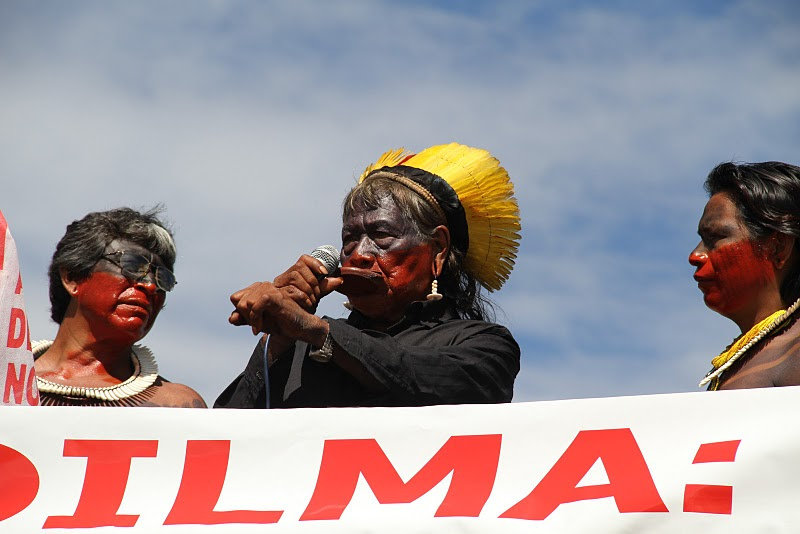
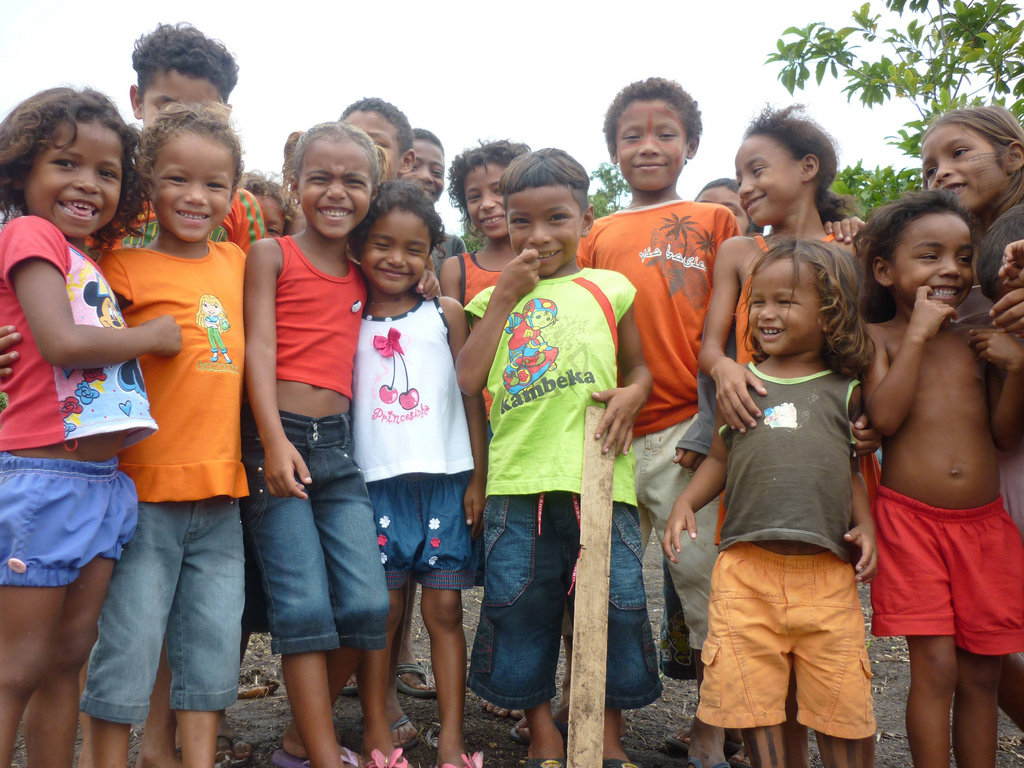
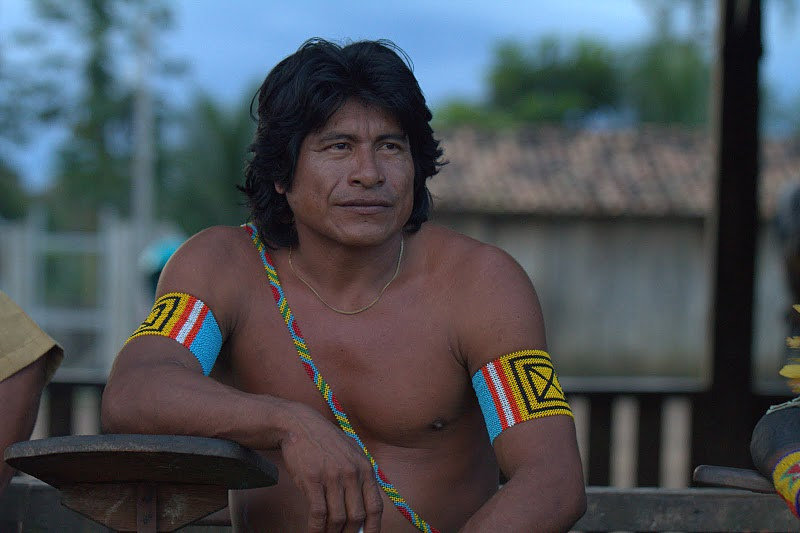
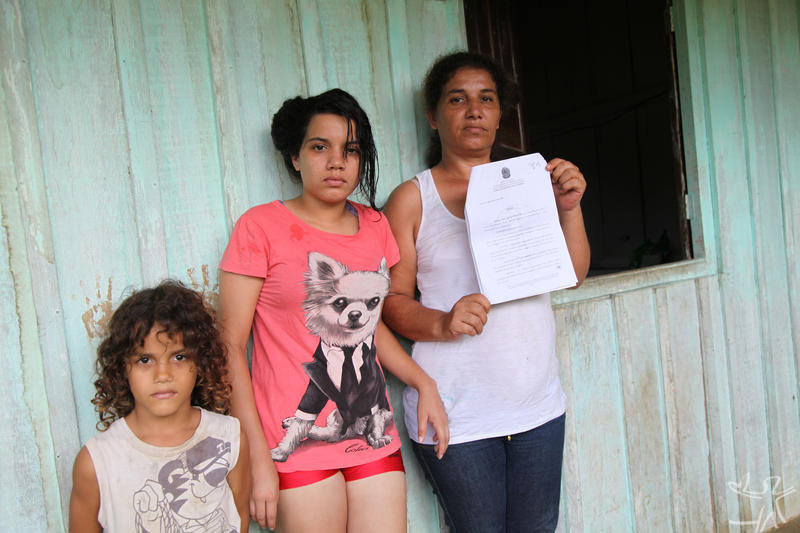
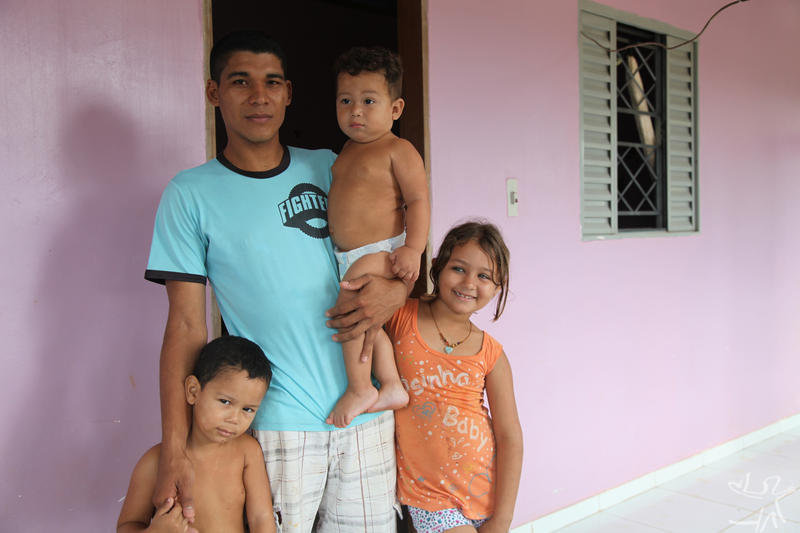
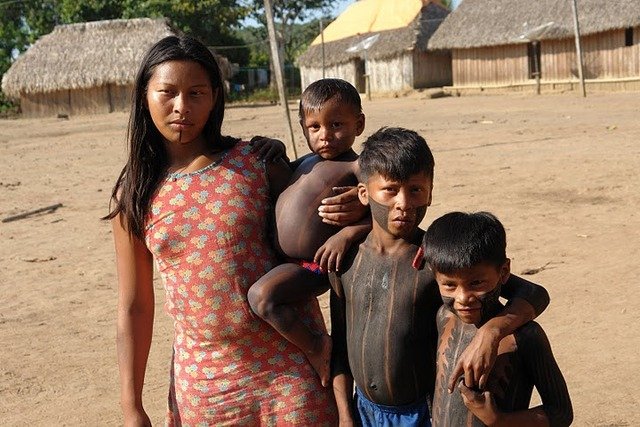
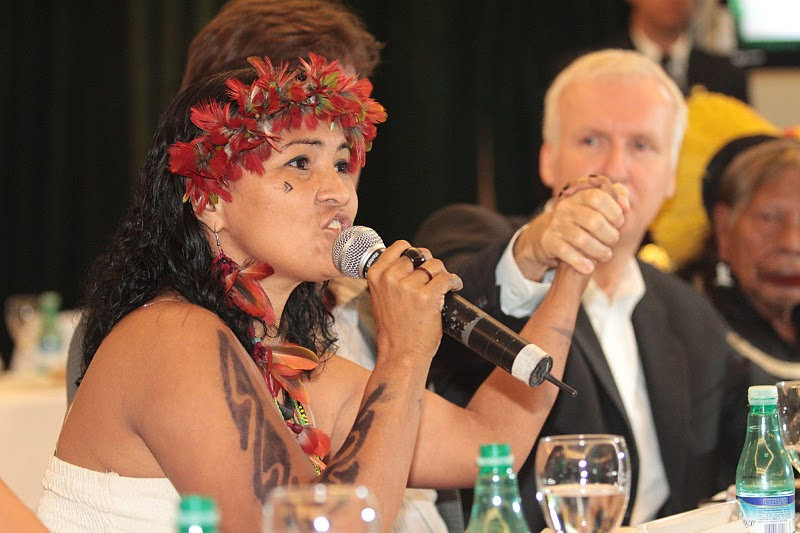
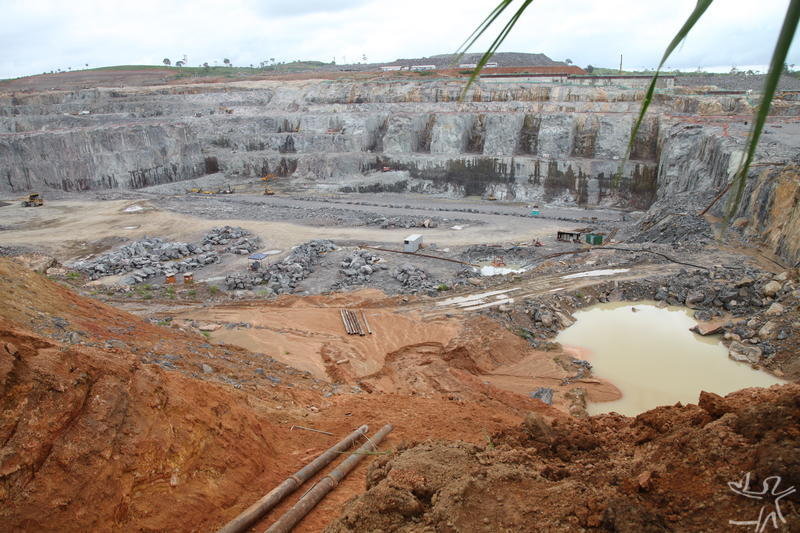
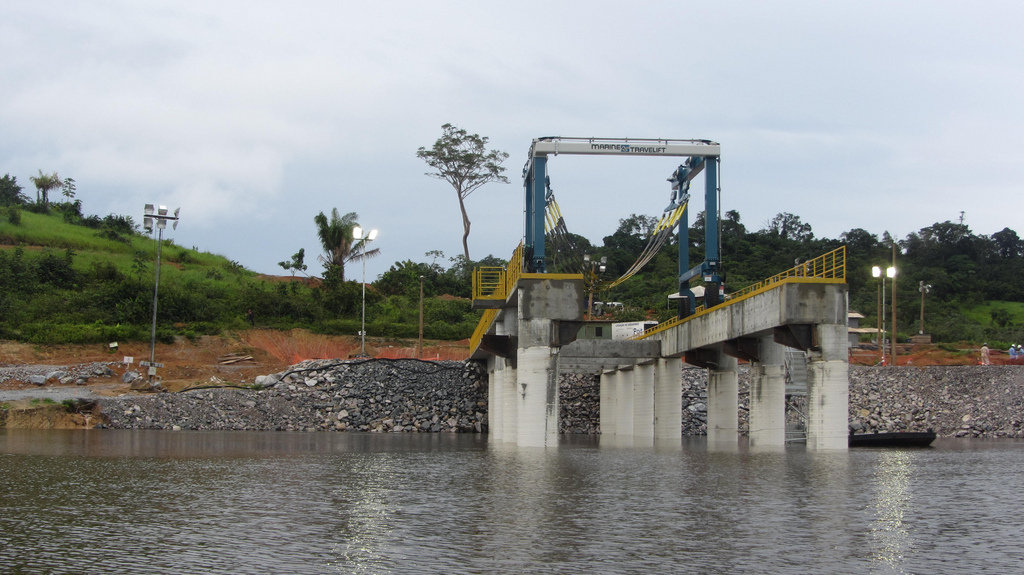
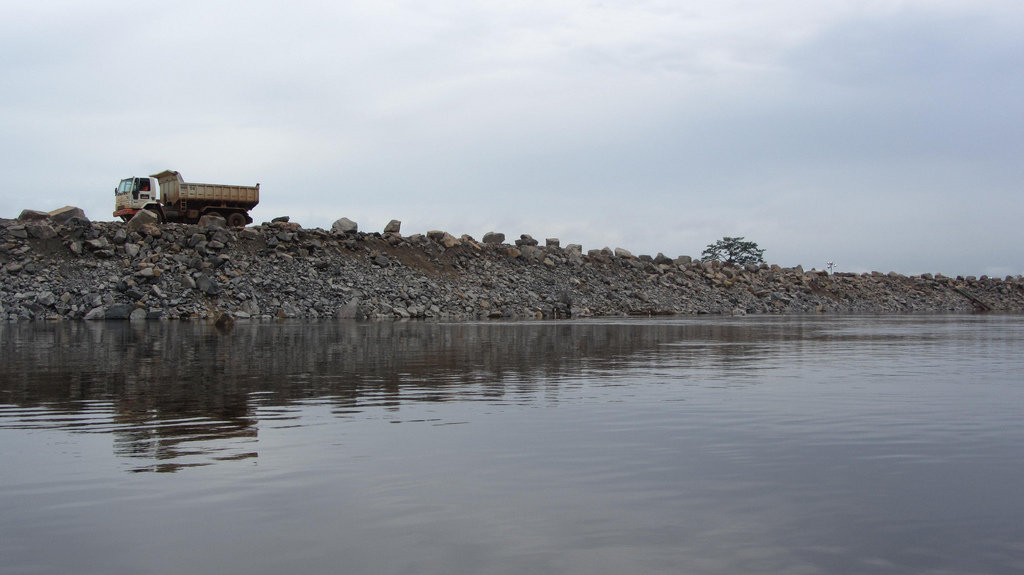
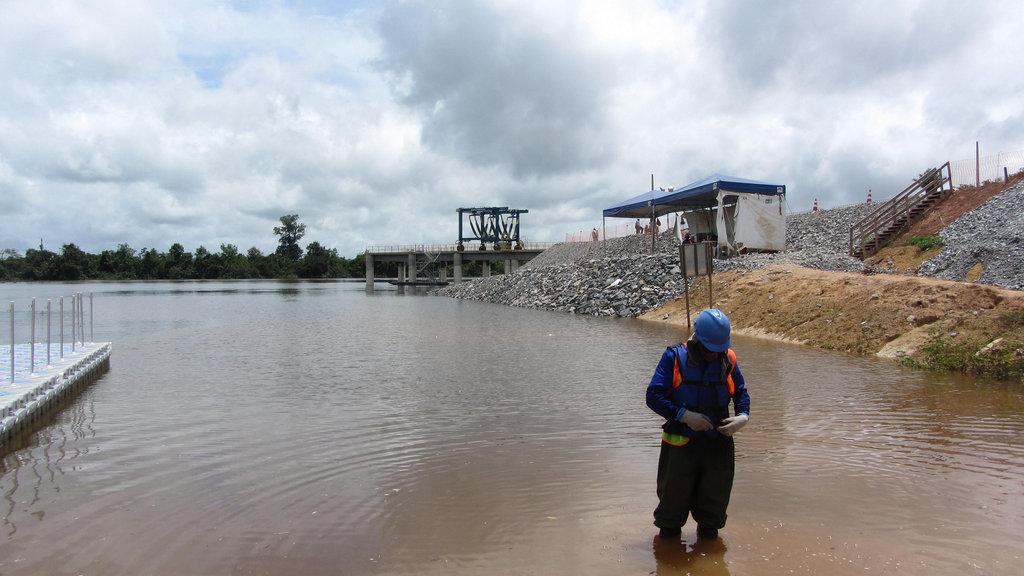
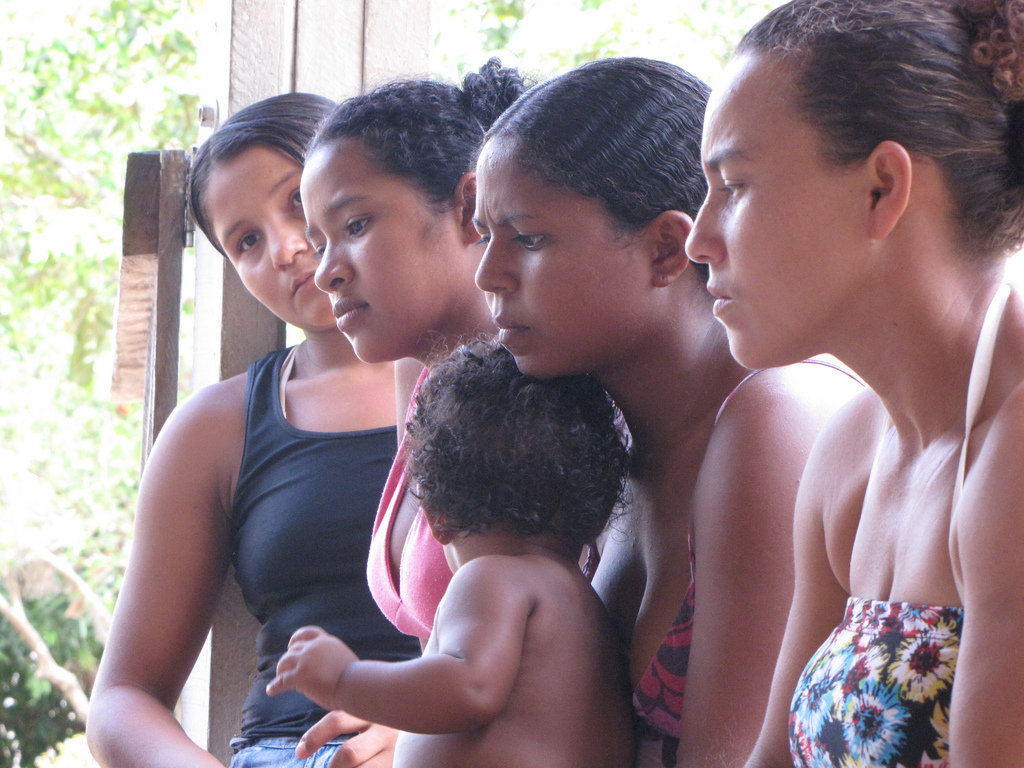
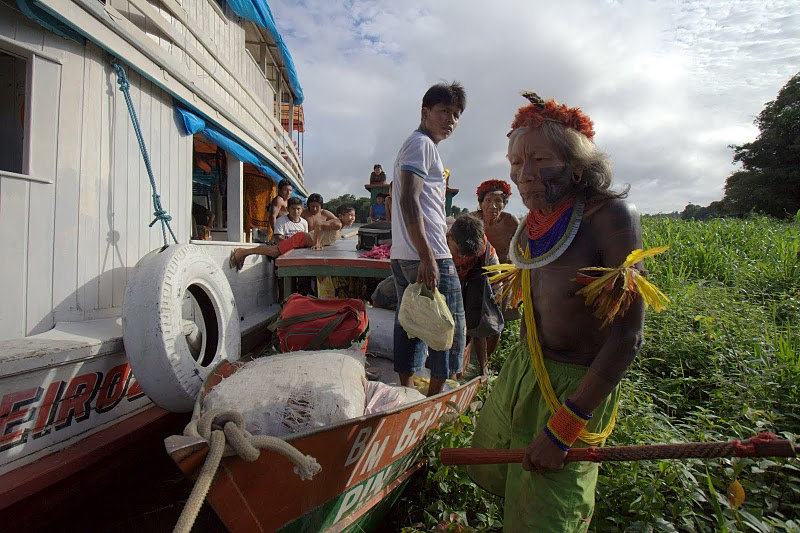
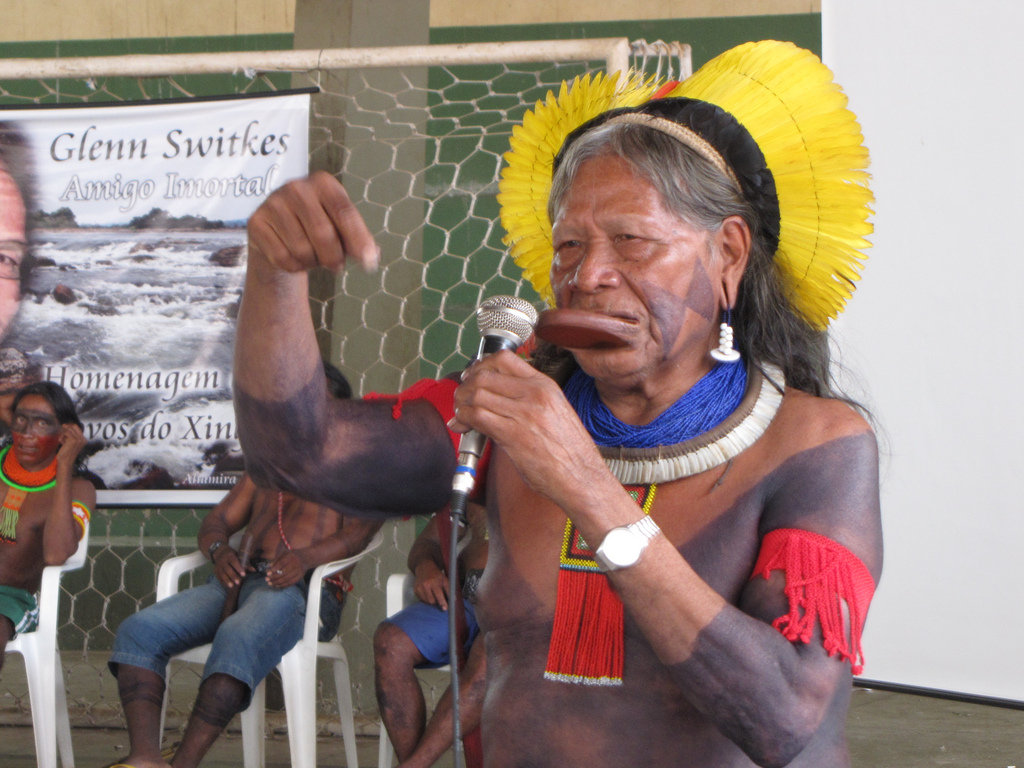
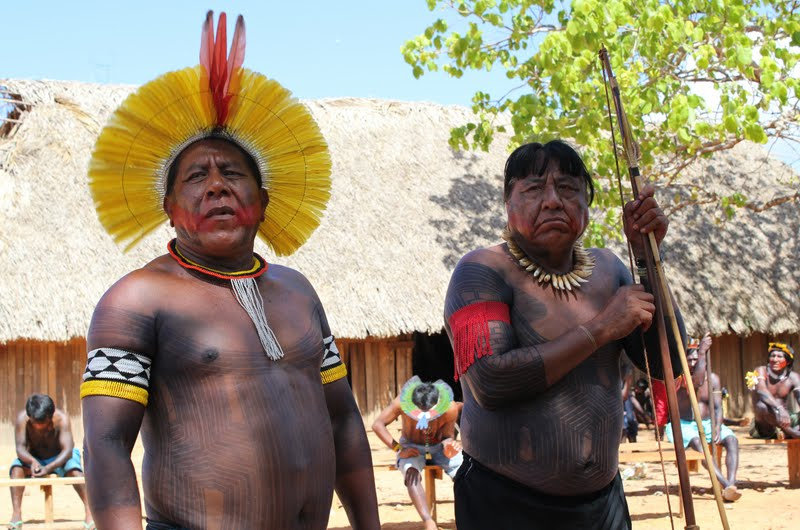
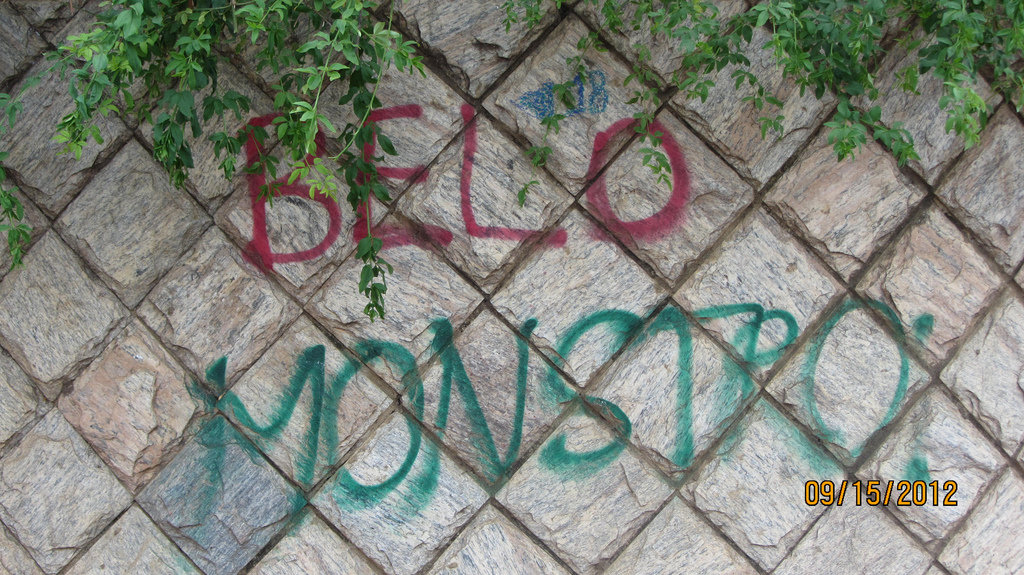
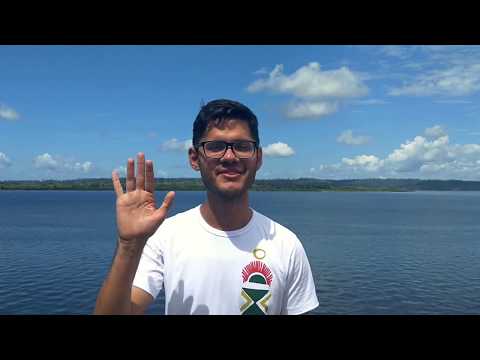
AIDA, using its media outreach, has been supporting communities affected by the Belo Monte dam development project during local demonstrations to amplify their voices and bring attention to the violations of the right to water and life during the pandemic crisis, which are forcing vulnerable communities to expose themselves even more to guarantee the minimal protection from the State.
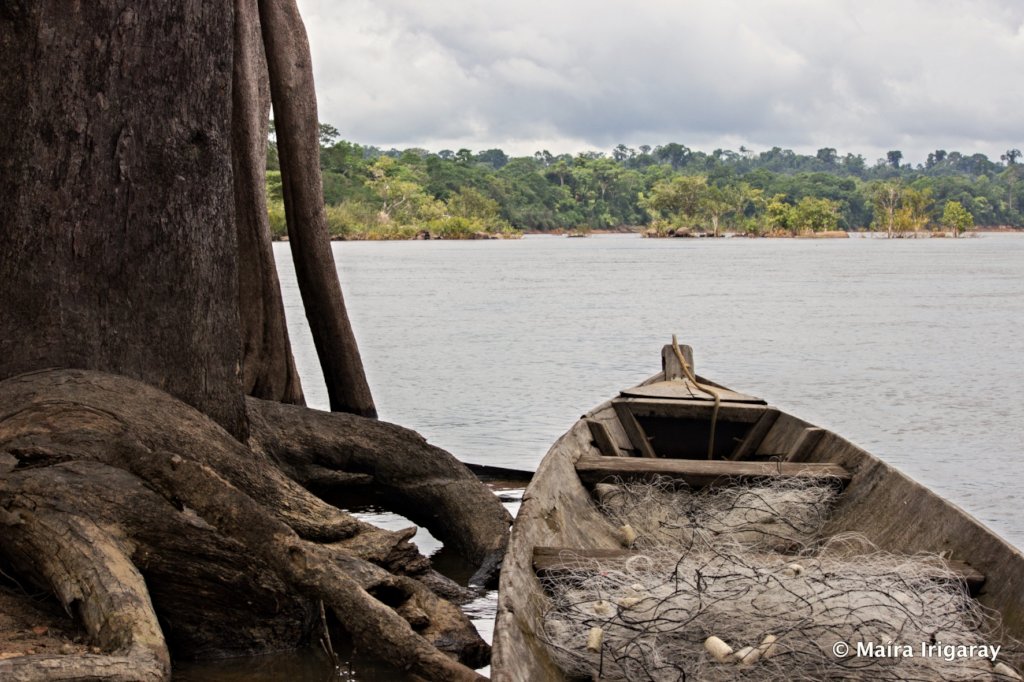
As a way to maximize energy production, Norte Energia –the company responsible of the Belo Monte dam- proposed a "Consensus Hydrograph". An hydrograph is a graph that shows the rate of water flow in relation to time, given a specific point or cross section, and is often used to evaluate water runoff on a particular site considering a development project. The proposed hydrograph leaves the flow of the Xingu River under the total control of the company, its design wasn’t based on scientific studies and it doesn’t guarantee the access to the water by local communities.
The Brazilian Institute of the Environment and Renewable Natural Resources, IBAMA, issued a series of technical opinions pointing to the total unfeasibility of the proposed Consensus Hydrograph. The agency has repeatedly stated that the flows proposed are insufficient to maintain life in the Xingu. And that its implementation would represent a true ecological suicide. Regardless of the above, after the dam started its operations and the adaptation period passed, Norte Energia started using the proposed hydrograph that had been approved by the licensing process.
AIDA and partners, such as ISA and Movimento Xingu Vivo para Sempre, denounced the true impacts of the proposed hydrograph based on the environmental impact assessment. AIDA also wrote a report to the Inter-American Commission on Human Rights, claiming the violation of the Provisional Measures that were given to those groups and that should guarantee their rights to life and integrity.
In addition, AIDA supported a national complaint before the public prosecutor officer, where we argued not only the irreversible environmental impacts, but also the violations to rights and the expossure of several vulnerable communities of the region.
After all the pressure from the local communities and supporting organizations like AIDA, IBAMA determined, at the end of 2020, the implementation of a Provisional Hydrograph. This provision demanded an increased water flow from the Xingu, for example, for March the demand was a flow rate of 14,200m³/s for the Xingu, while Belo Monte’s hydrograph predicted only 4,000 m³/s.
However, after strong pressure from the government and the energy sector, IBAMA contradicted the evidence of its own technical staff and signed an agreement with Belo Monte to reestablish the use of the ‘Consensus Hydrograph’, with no scientific basis for such.
This agreement is a serious threat to biodiversity and the lives of local communities. The main national environmental protection agencies have failed to adopt a serious commitment to the protection of life on the Xingu River.
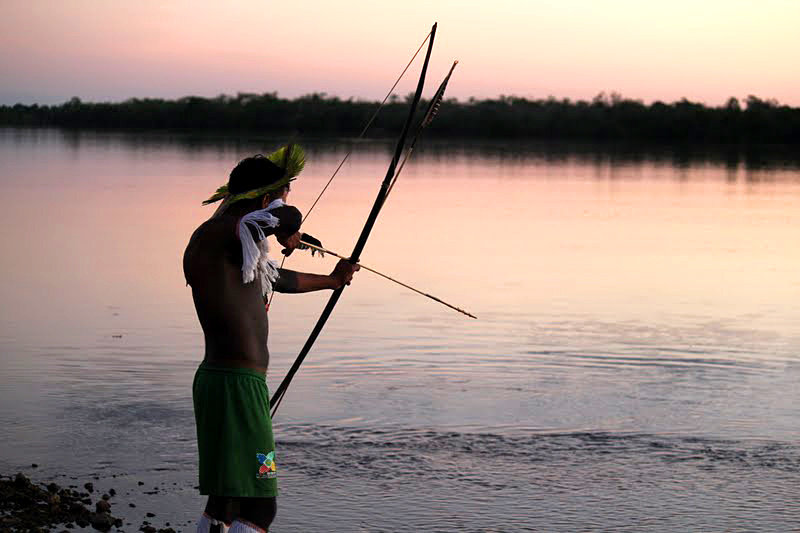
AIDA, alongside with partners, continues to support local communities in their defense for their territory, their right to water and their survival. We know this is not an easy fight, it is not a short fight either, but it is one worth fighting.
Project reports on GlobalGiving are posted directly to globalgiving.org by Project Leaders as they are completed, generally every 3-4 months. To protect the integrity of these documents, GlobalGiving does not alter them; therefore you may find some language or formatting issues.
If you donate to this project or have donated to this project, you can receive an email when this project posts a report. You can also subscribe for reports without donating.