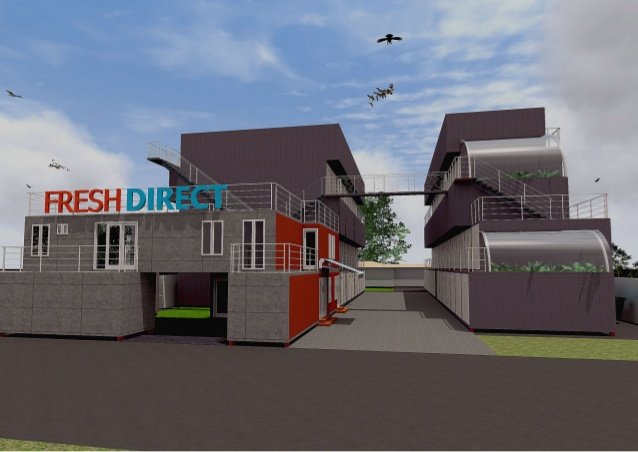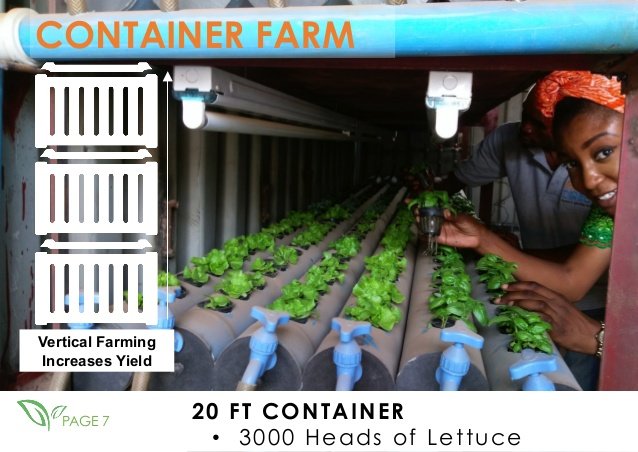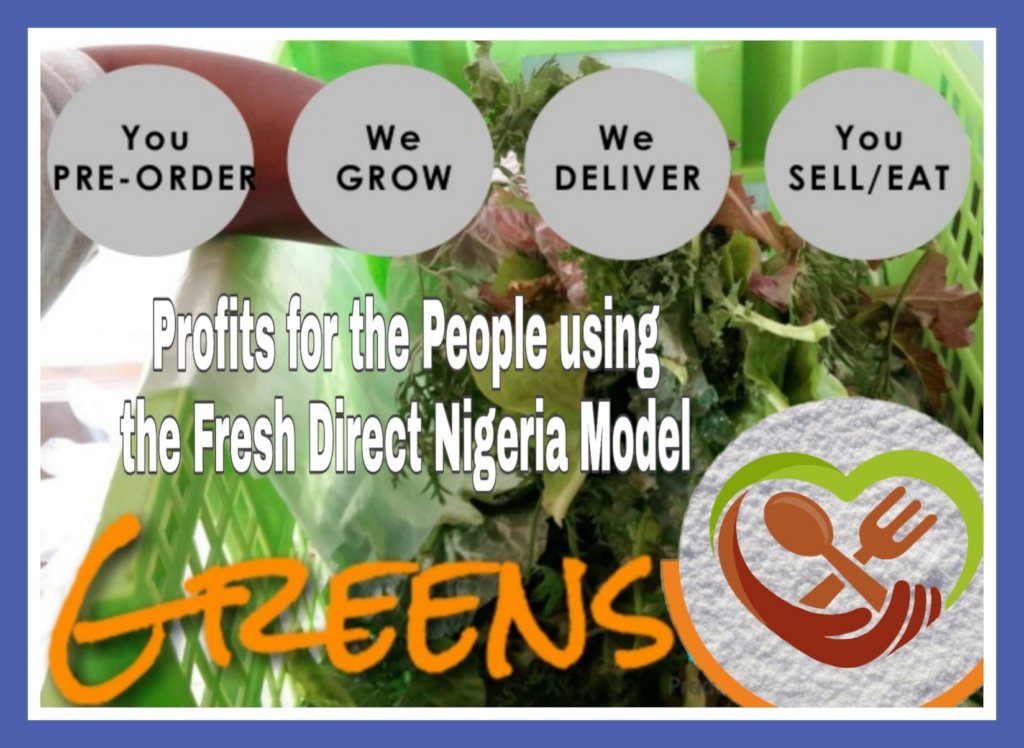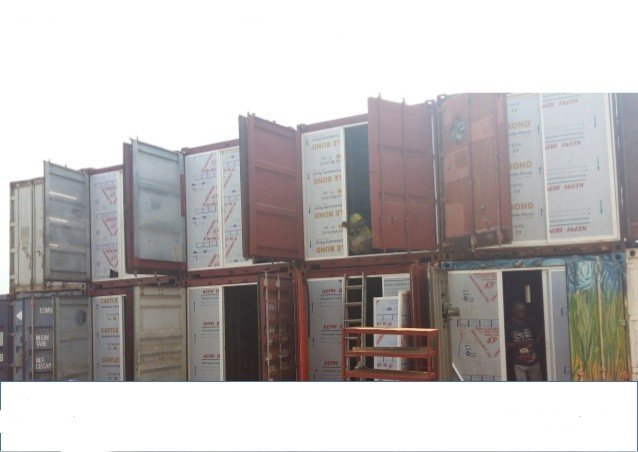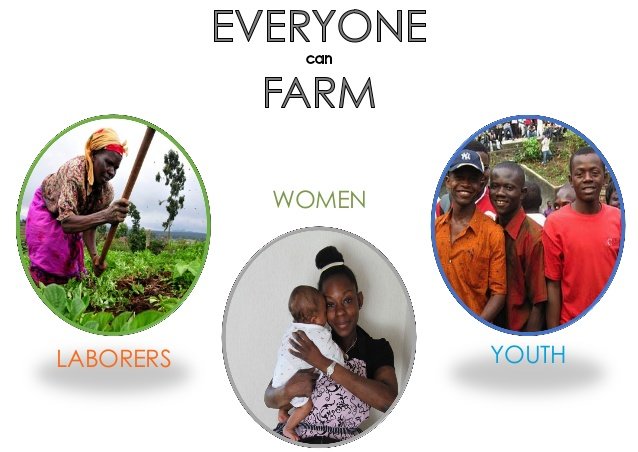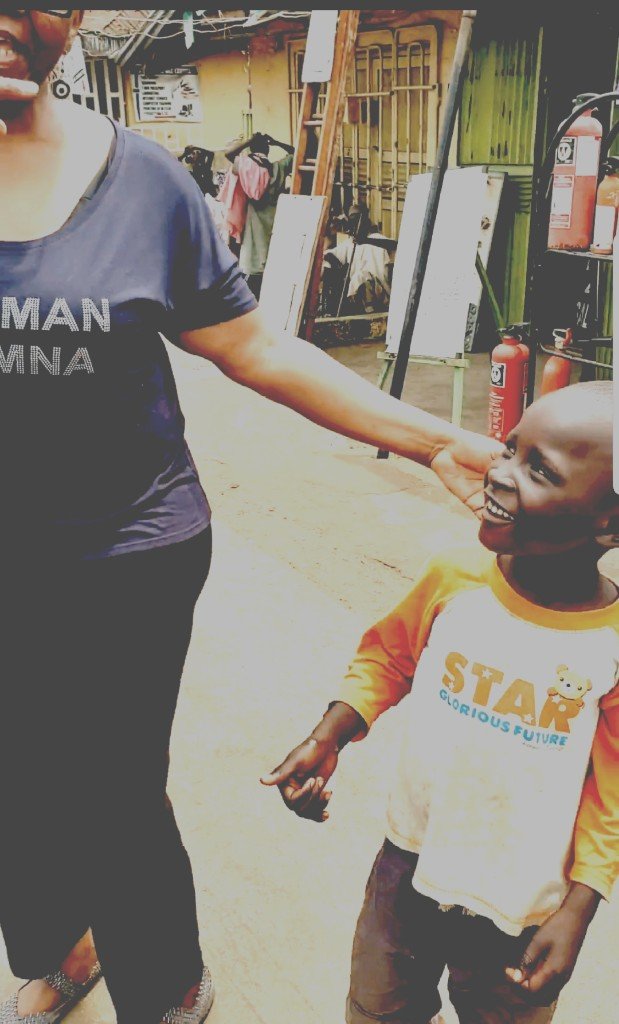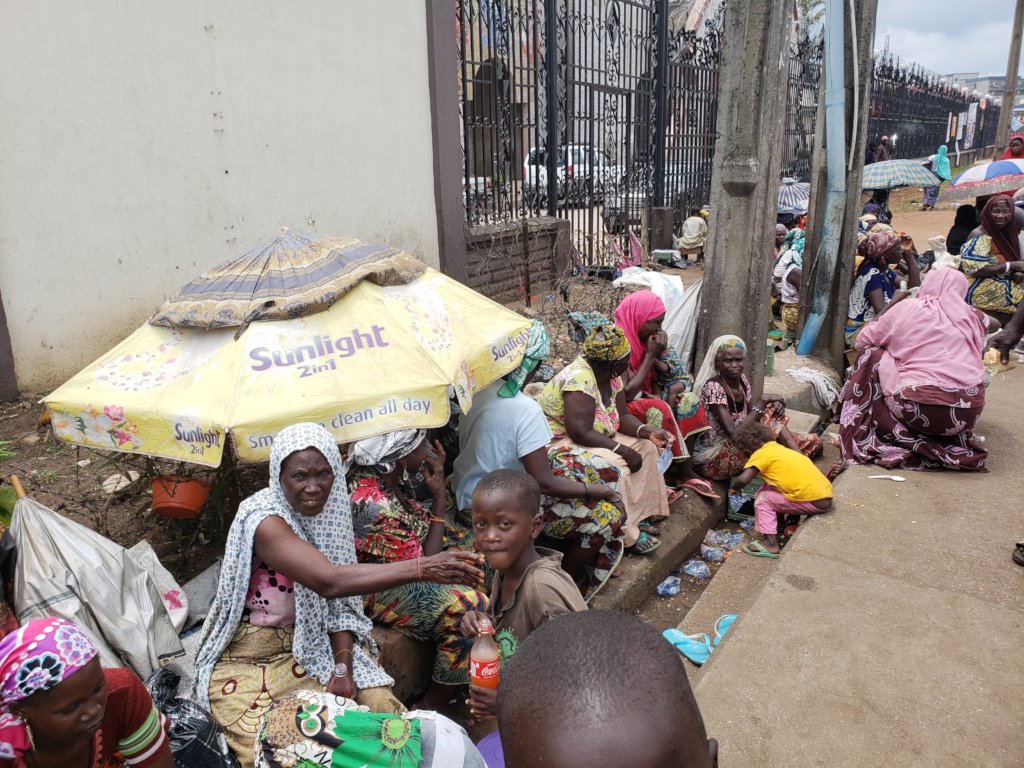
We seek to empower the disabled, widows and young adult orphans to earn a living wage through sustainable Hydroponic Urban Farming of regional & indigenous leafy green vegetables. Combining hydroponics and vertical farming techniques within stackable shipping containers is a simple agricultural technology which will enable the most vulnerable in society to become farmers while positively impacting Nigeria's food security issues caused by a cycle of poverty.
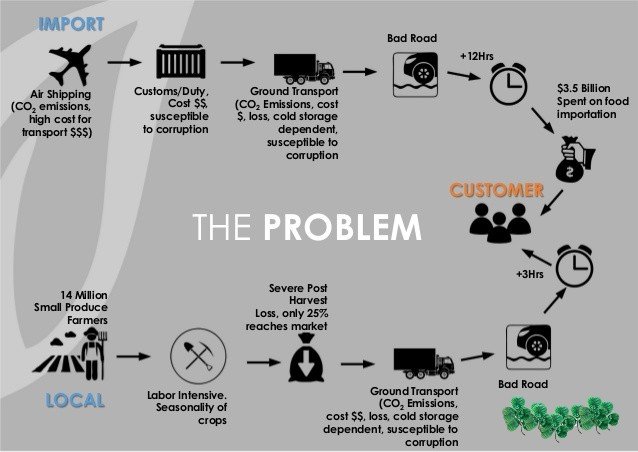
In the present system of traditional agricultural output, we consume masses of land to produce crops. Many of these crops are being lost to droughts, floods, and pest infestations. All of these factors cause hardship on farmers and on communities. These problems increase production costs and that increase gets passed on to the consumer. Who suffers the most? The poor. They can't afford fresh food so they opt for less nutritional food or simply don't eat. This begins a vicious cycle of poverty.
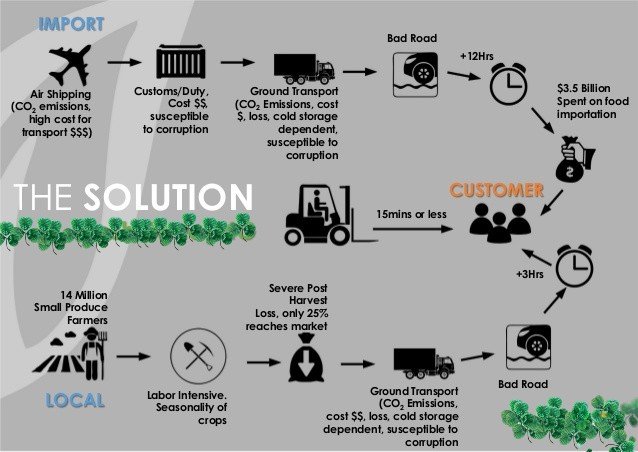
An efficient & modern food system should be inclusive for all, combat resource constraints, produce and deliver safer food, and do so in a localized capacity. Hydroponic technology can solve present food security issues while combating the cycle of poverty amongst the most vulnerable in society. By establishing hydroponics as an alternative to our current food system, we can mitigate rising crop prices while reducing the harm that's being done to the environment through food transport.
This project will train and empower 100 individuals with disabilities, widows and young adult orphans to become Urban Hydroponic Farmers allowing them to rise out of poverty while promoting health and well-being in the community-at-large. Potential long-term impact includes; producing higher yields faster, year-round growth, less dependency on seasons, safer food and better control, usage of fewer energy & water resources and the ability to establish in the city as opposed to rural areas.
This project has provided additional documentation in a PDF file (projdoc.pdf).