By Herbert onen | Programs coordinator
PROJECT UPDATE & IMPACT REPORT
Lighting the Way to HealthSolar Power for the Karin Clinics, Northern Uganda.
Report Date: July 23, 2026
Project: Solar Power Installation for Karin Clinics
Location: Northern Uganda
1. Executive Summary
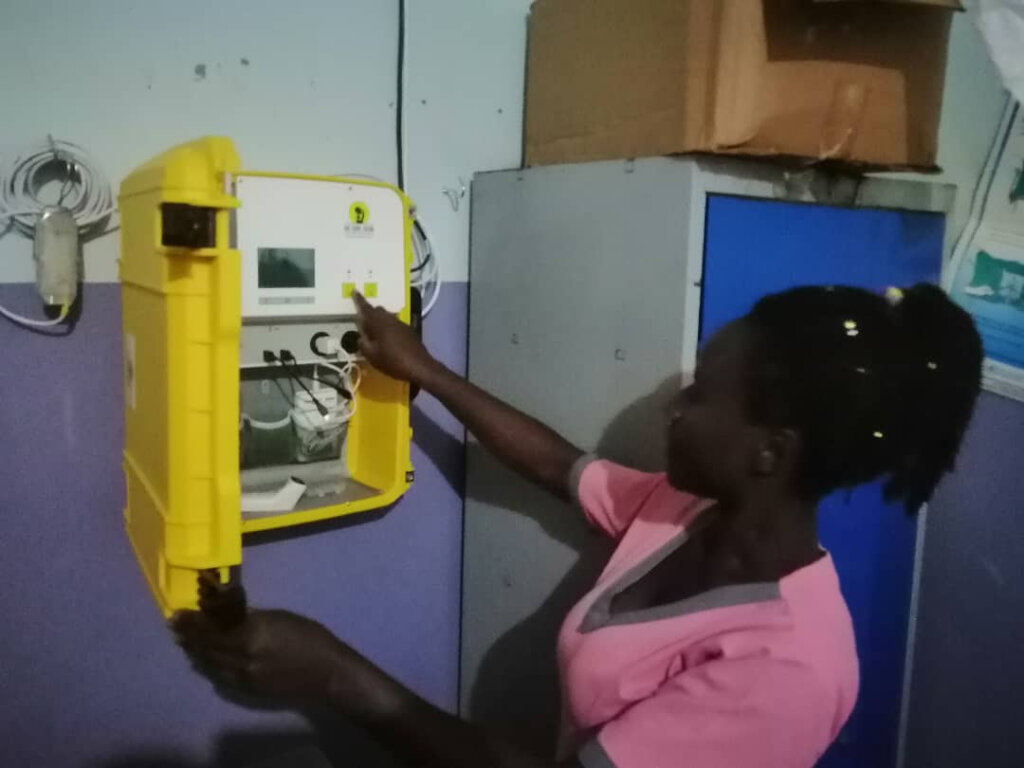
Thanks to the generosity of our donors, the first phase of our solar power initiative at the Karin Clinics is complete. Power now reaches beyond the maternity ward to the Outpatient Department (OPD) — a change that has already improved safety and the quality of care our patients receive.
That progress has also exposed a new challenge. Demand for power is rising faster than our current system can supply, and unpredictable weather is stretching our battery reserves thin. This report outlines what we have achieved, the constraints we now face, and what is needed to complete the project and put the clinics on a fully sustainable footing.
2. The Challenge We Set Out to Solve
Before this project, the Karin Clinics operated under a constant threat: an unreliable national grid that put patients and services at risk with every outage.
Risk during delivery: Mothers in labor were often attended by phone light, adding danger to an already critical moment.
Compromised cold chain: A single extended outage could spoil vaccines and medicines the community depends on.
Idle equipment: Diagnostic tools sat unusable without steady power, forcing staff to work with what little they had.
Eroding trust: Patients who traveled far for care were sometimes met with dark wards and canceled procedures.
This was, and remains, a health equity issue: unreliable electricity turns treatable conditions into emergencies.
3. Progress to Date: Phase 1 Complete
With support from early donors, we installed solar power extending from the maternity ward to the OPD. The results have been immediate:
Reliable lighting: The OPD and maternity ward now have consistent, bright lighting for exams, procedures, and record-keeping.
Steadier staff: Medical staff report far less stress during outages, and safer conditions for night shifts.
Fewer interruptions: Critical equipment can now stay on through blackouts, keeping patient monitoring and stabilization uninterrupted.
4. The Current Situation: Outgrowing Phase 1
Our early success has driven higher demand for care — and, with it, higher power needs than the first-phase system was built to carry.
System at capacity: The current setup often runs at its limit as OPD and maternity loads combine.
Weather dependency: Extended cloud cover and rain reduce generation, pushing us back onto the unreliable grid.
Battery strain: Frequent grid outages drain reserves faster than they can recharge.
Continued growth: Rising patient volume means power needs will keep climbing.
5. The Road Ahead: Completing the System
Phase 2 will scale the existing system so it can meet demand year-round, regardless of weather:
Expand battery storage: Add high-capacity batteries to carry the clinics through multiple cloudy days and full nights.
Expand the solar array: Install additional panels to generate a daily surplus large enough to charge the larger battery bank.
Upgrade inverter & controller: Manage higher capacity and distribute power reliably across every department.
This is not simply an upgrade. It is the difference between a system that copes with blackouts and one that makes them irrelevant.
6. Long-Term Impact
Completing this project will produce measurable, lasting outcomes for the community:
Zero vaccine wastage from cold-chain failures
Safe deliveries, day or night, regardless of grid status
Full use of diagnostic equipment for earlier, better treatment
Renewed community trust in the clinics as a dependable resource
Stronger staff retention through safer, more workable conditions
7. Fundraising Summary
8. A Call to Action: Be the Light That Lasts
We have come far, but the final phase is the most critical. Your support — a one-time gift or a monthly commitment — is what will keep vaccines cold, guide a child safely into the world, and sustain this community for years to come.
DONATE TODAY
Join us in finishing what we started — and help make the Karin Clinics a true beacon of health for Northern Uganda.
Links:
Project reports on GlobalGiving are posted directly to globalgiving.org by Project Leaders as they are completed, generally every 3-4 months. To protect the integrity of these documents, GlobalGiving does not alter them; therefore you may find some language or formatting issues.
If you donate to this project or have donated to this project, you can receive an email when this project posts a report. You can also subscribe for reports without donating.



Support this important cause by creating a personalized fundraising page.
Start a Fundraiser