By Margarita Campuzano | CEMDA's Communications Director
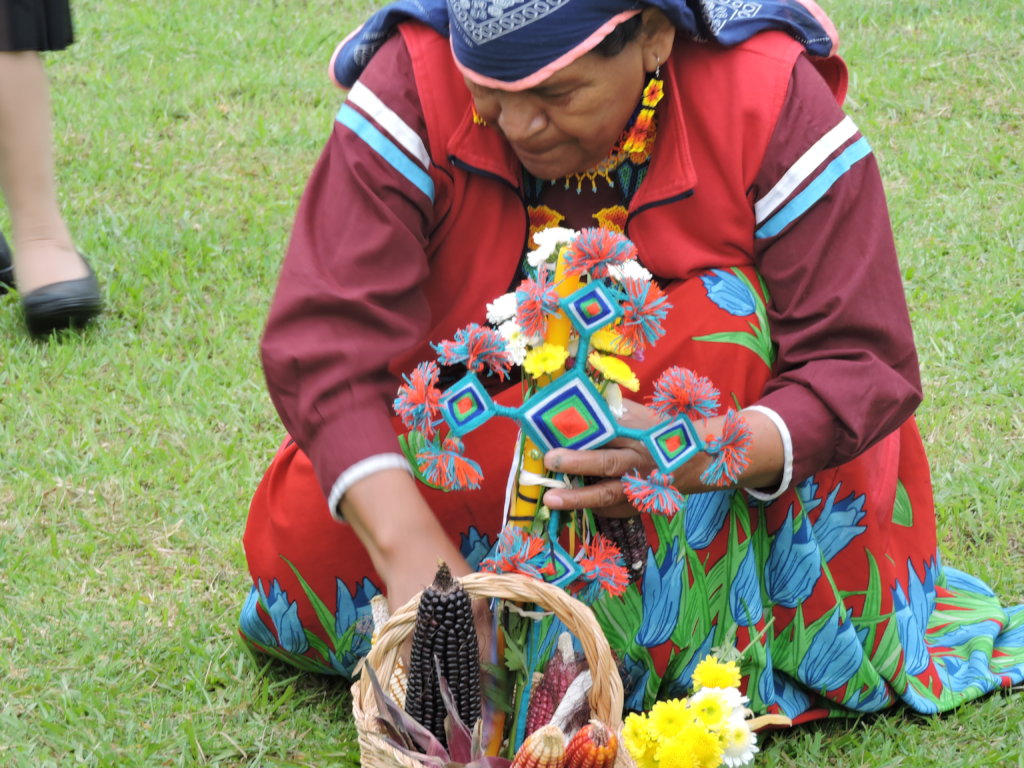
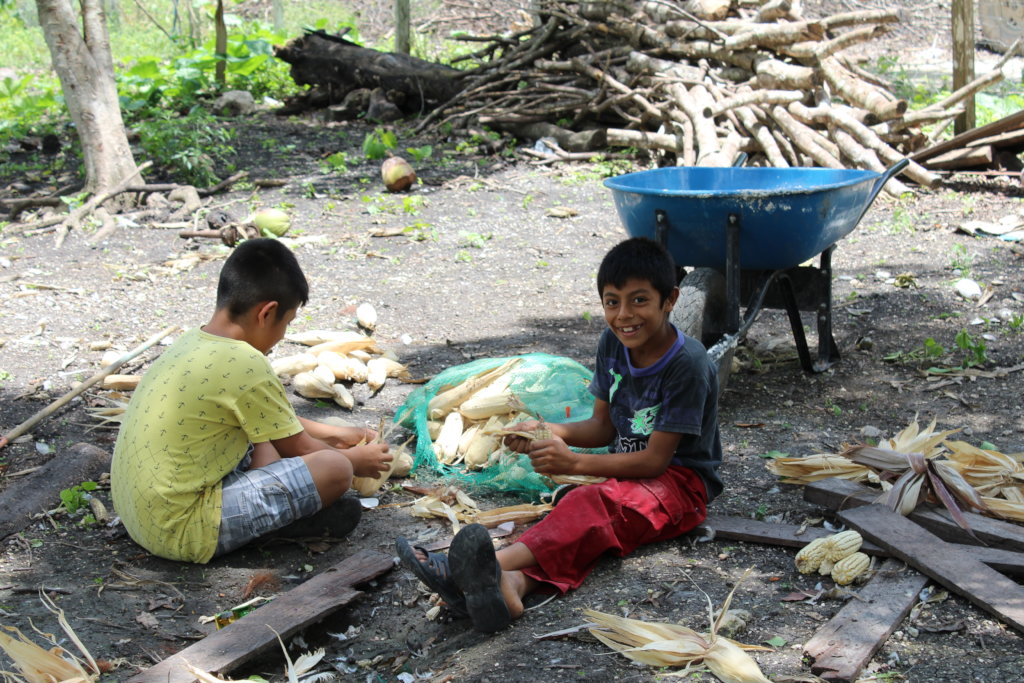
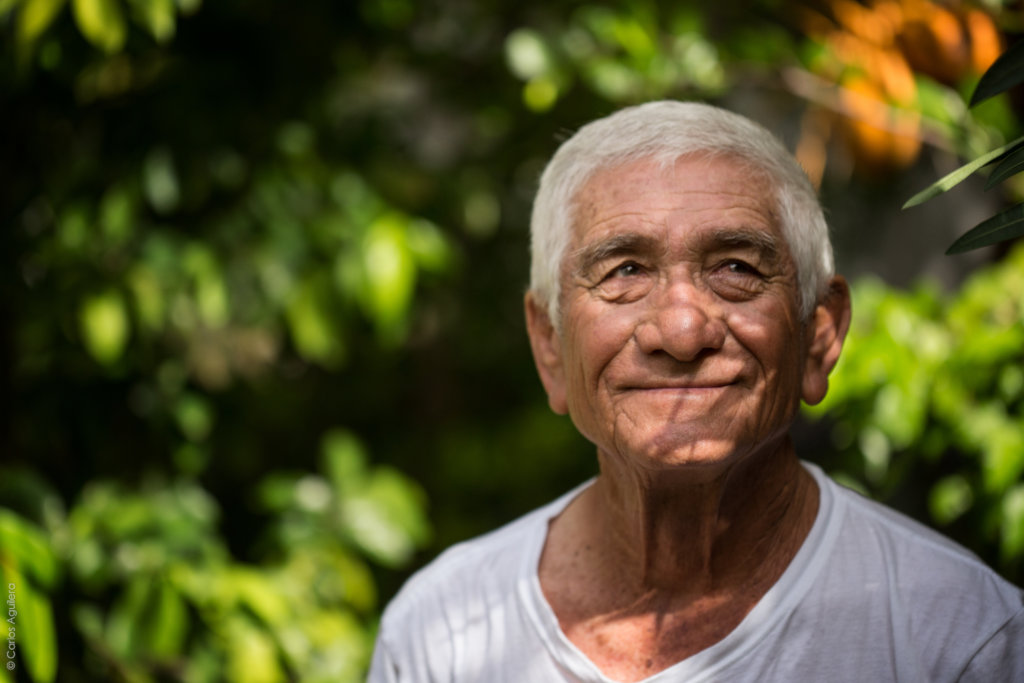
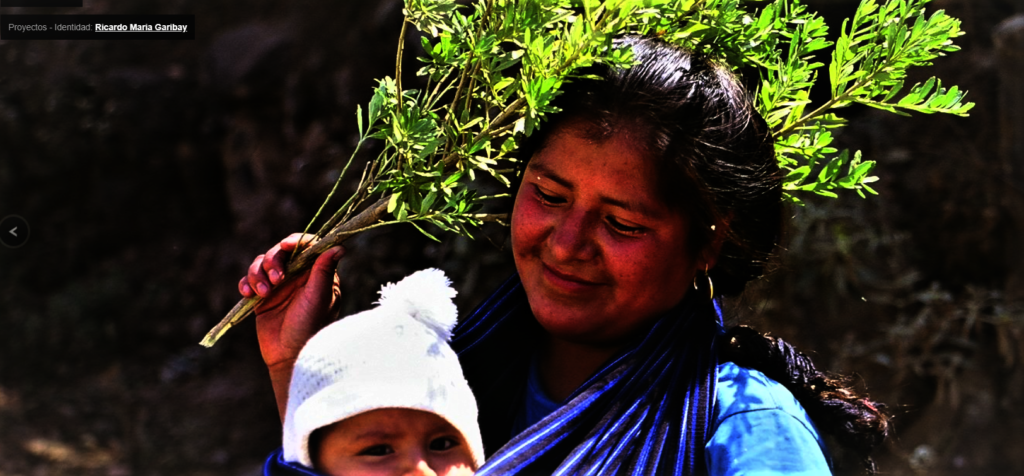
Thanks to your help, we continue working with indigenous and rural communities in different regions of Mexico, helping them exercise their human rights, such as the right to a healthy environment, the right to drinkable water and the right to take care of nature in the territories they inhabit.
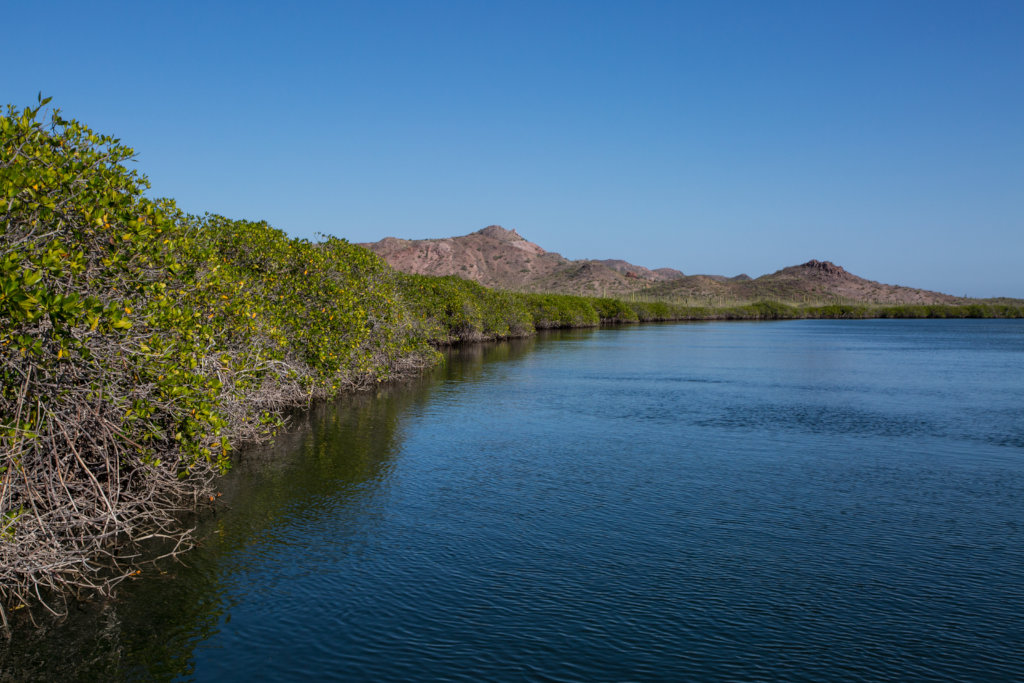
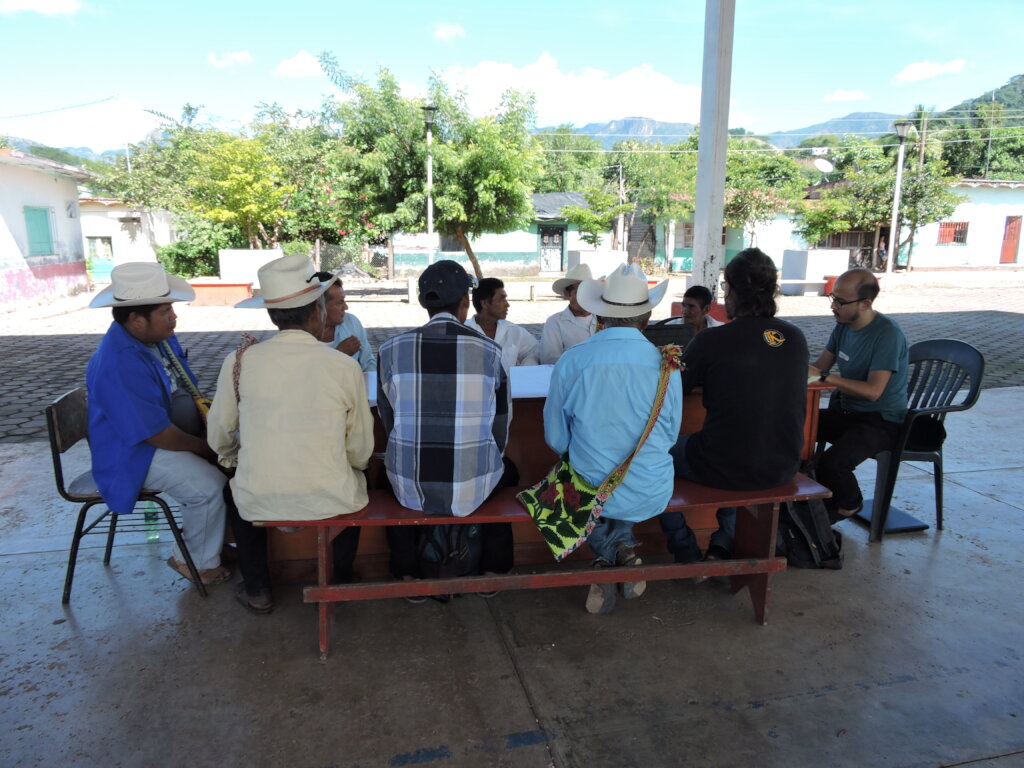
One of the regions we work is the Gulf of Mexico, and one of our challenges there is to collaborate with indigenous groups and organized peasant communities in the management of water.
The intense pressure of unplanned urbanization, population growth and mismanagement degrades the biological diversity of watersheds and water basins located in these regions. Most of the water consumed in urban areas comes from overexploited and highly contaminated aquifers, threatening the human right to water of the local communities. On top of that, the extraction of clean drinking water from indigenous and peasant communities occurs more frequently and with more intensity than ever before; and extractive projects, such as mining, dams and hydroelectric projects, impact directly on their human rights.
In order to change this situation it is necessary to articulate collective and intercultural dialogues based on the recognition of diversity and different forms of knowledge to adequate the legal and public policy framework and enable a community based management of watersheds and water basins in México. This will allow us to comprehend the issues surrounding the degradation of watersheds and the community practices that contributed to their conservation, as well as increase the possibilities to construct sustainable solutions to revert the process of deterioration.
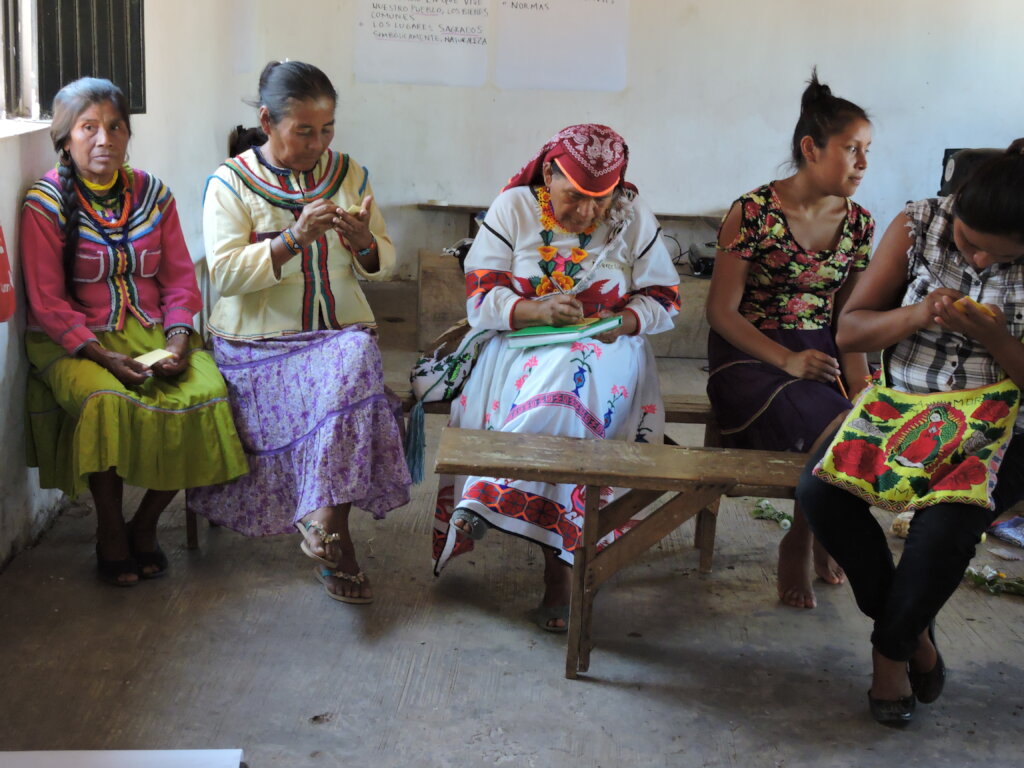
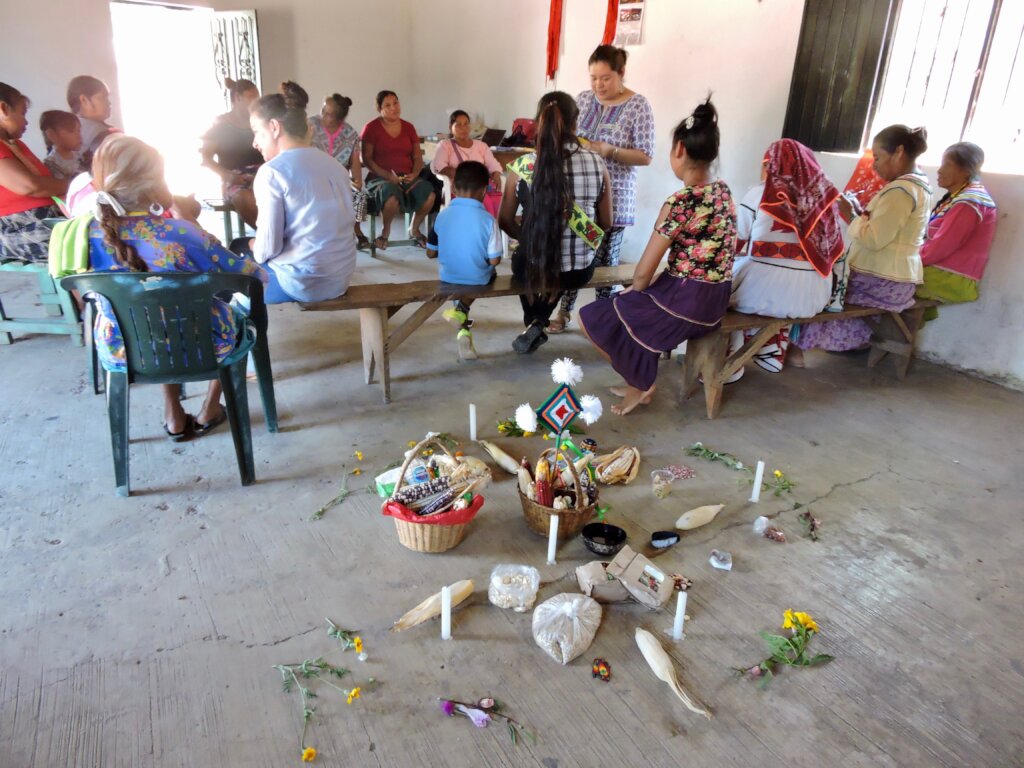
Our project has focused on generating awareness among the communities, through workshops and accompaniment of defense processes against megaprojects such as mining activities and dams, which affect their access to water sources.
We also work on capacity building to exercise environmental human rights, such as access to information, public participation and access to justice. This implies to help the communities to get a broad understanding of the current regulatory framework and the ways in which it facilitates or hinders a community based management of water resources.
We are convinced that the best way to help communities and protect our environment is to bring them tools so that they know how to defend their rights through the legal framework. We invite you to keep supporting our effort!
Links:
By Margarita Campuzano | CEMDA's Communications Director
By Margarita Campuzano | CEMDA's Communications Director
Project reports on GlobalGiving are posted directly to globalgiving.org by Project Leaders as they are completed, generally every 3-4 months. To protect the integrity of these documents, GlobalGiving does not alter them; therefore you may find some language or formatting issues.
If you donate to this project or have donated to this project, you can receive an email when this project posts a report. You can also subscribe for reports without donating.