By Stephen Perlman | Consultant, HTAC
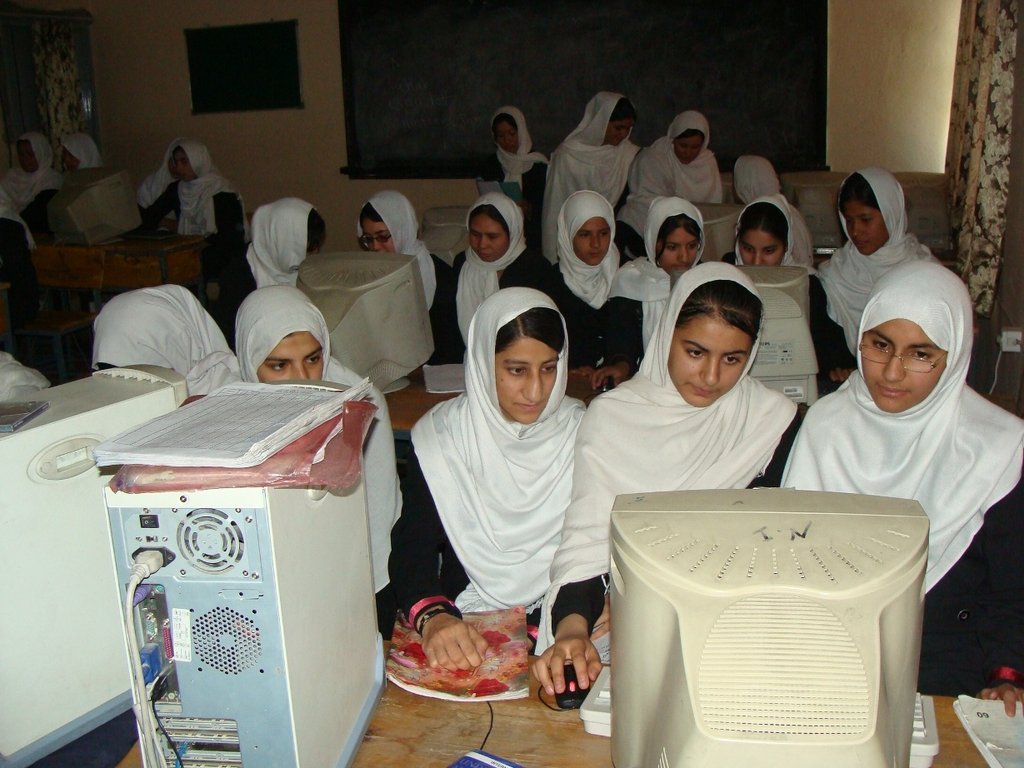
On a blistering afternoon in June of 2002, 16 Afghan teenage girls sat bunched together in a swealtering classroom at a Kabul middle school, staring at eight computer screens. At the time, these girls didn't know what computers were and why they were even there; only being told they were part of a new special class and what they were about to learn would be very important to them one day.
In retrospect, this seemingly unremarkable event was historic. Three months earlier their school lay partially in ruins, destroyed from months of war, including an ariel bombardment of Kabul. Less than eight months before, the Taliban still ruled their city and 90% of Afghanistan and girls were forbidden to go to school. Their parents would have been beaten or perhaps thrown in prison for such an audaciouis act. But here these girls were, sitting in this tiny room, not knowing what they were about to learn, but eager to learn nevertheless.
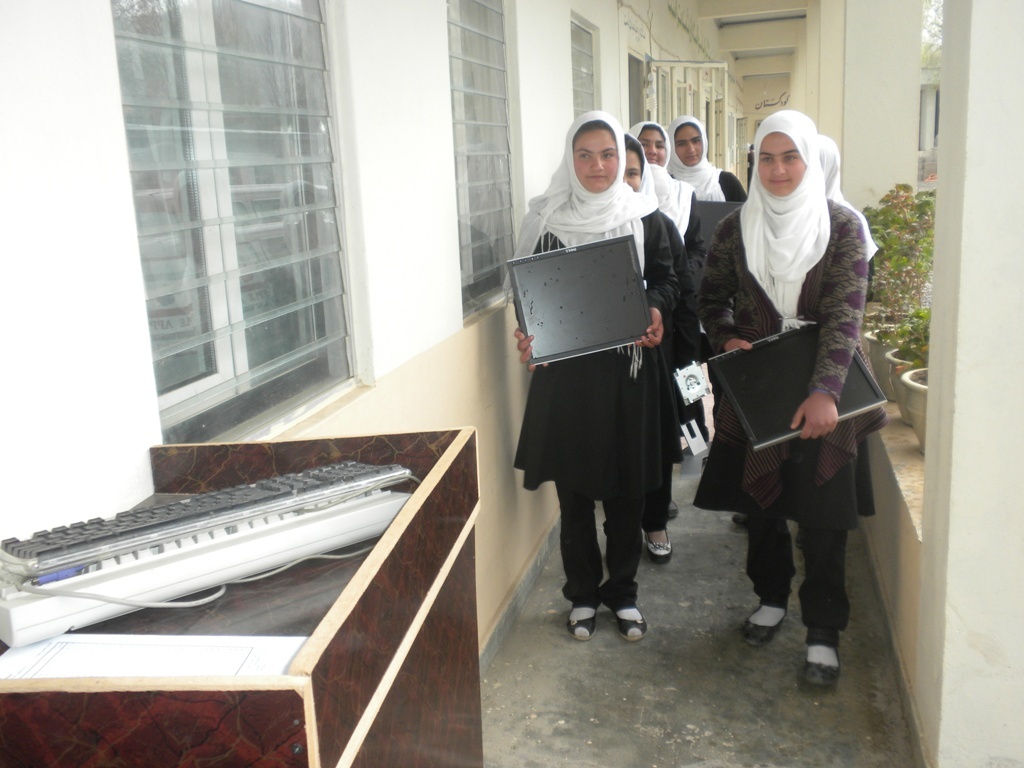
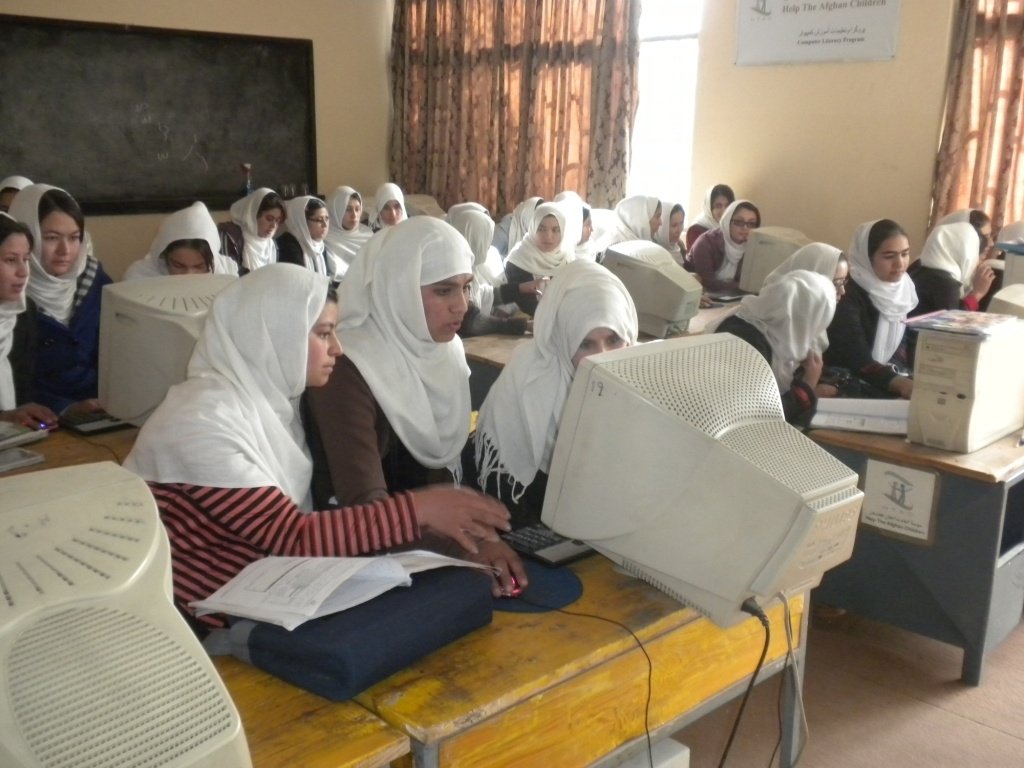
Little did these sixteen girls know they would become the first Afghan girls enrolled in a computer education program at any Afghan public school. Thirteen years have passed and now in 2015 1,881 girls at nine HTAC-supported schools had enrolled in HTAC's computer education program, bringing our total enrollment of girls to over 30,000.
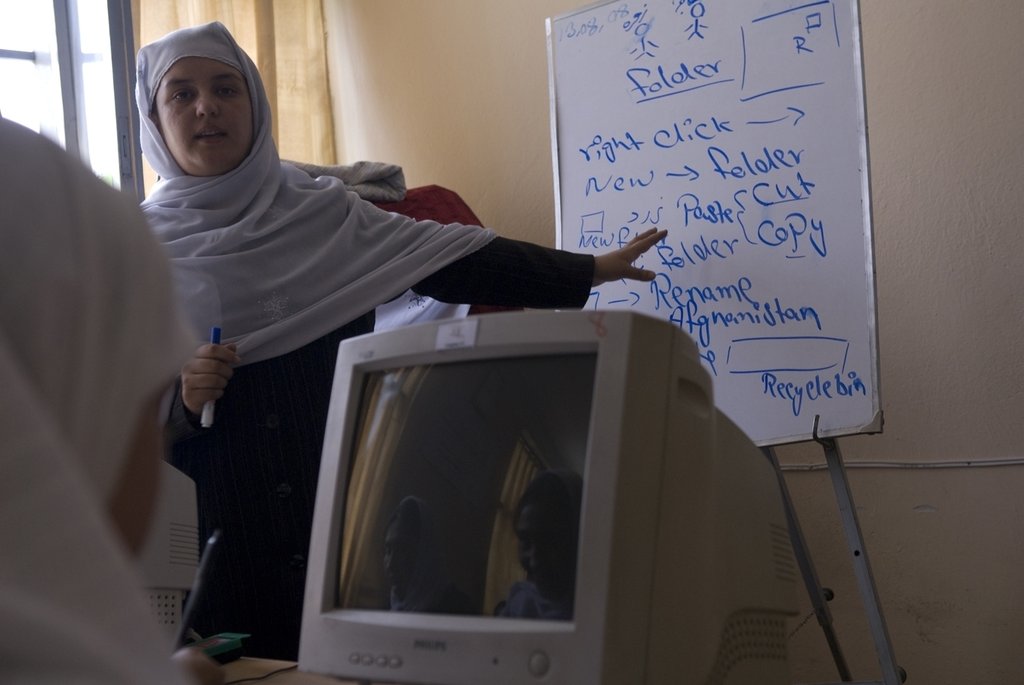
Computer education is giving girls opportunities that just didn't exist before. It wasn't that long ago that computer jobs in both the private and public sectors were being filled almost exclusively by young men because it was thought women were not capable of learning such technology. Today, girls at HTAC-supported schools are often outperforming boys in their computer examinations and high percentages of graduating girls are finding computer related jobs. that had previously not been available to them. Before, many families were pulling girls from school once they rreached puberty because they did not want their daughters taught by male instructors. While that condition still exists today in many regions of the country, here at HTAC we strive to ensure that girls are taught by qualified female instructors. That means more girls are staying in school and graduating. Perhaps most importantly, when Afghan girls become productive citizens, they help lower the poverty rate and contribute to stabilizing this struggling country.
Serious challenges continue to exist, especially when many people throughout the world are once again forgetting about Afghanistan. That is why it's more important than ever to support the education of Afghan girls and give them skills like computer education that will change their lives forever..
By Stephen Perlman | Consultant, HTAC
By Stephen Perlman | Consultant, HTAC
Project reports on GlobalGiving are posted directly to globalgiving.org by Project Leaders as they are completed, generally every 3-4 months. To protect the integrity of these documents, GlobalGiving does not alter them; therefore you may find some language or formatting issues.
If you donate to this project or have donated to this project, you can receive an email when this project posts a report. You can also subscribe for reports without donating.