By Maria Susana Hermes | Project leader
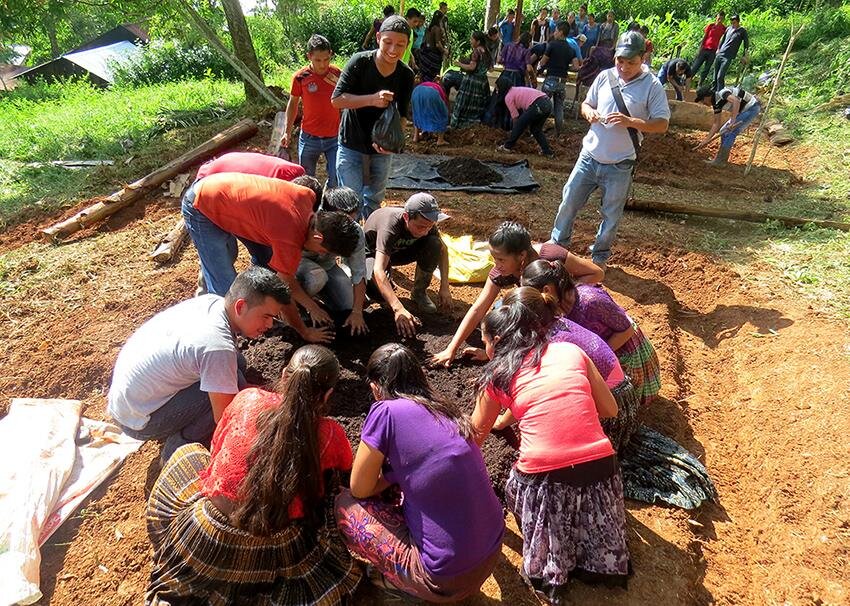
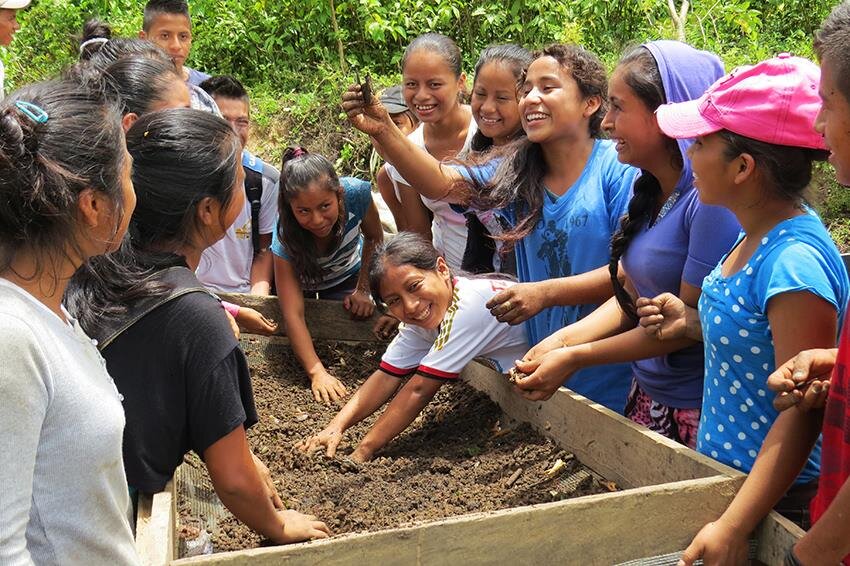
At the start of our first training, we passed two handfuls of earth around the circle. One came from the forest, dark, moist and crumbly. The other came from a field that had received chemical fertilizers for years. It was pale, dry and hard. Each participant held both, smelled them and compared them. Everyone could tell which one was alive. The harder question was why so many fields in our communities are starting to look like the second one.
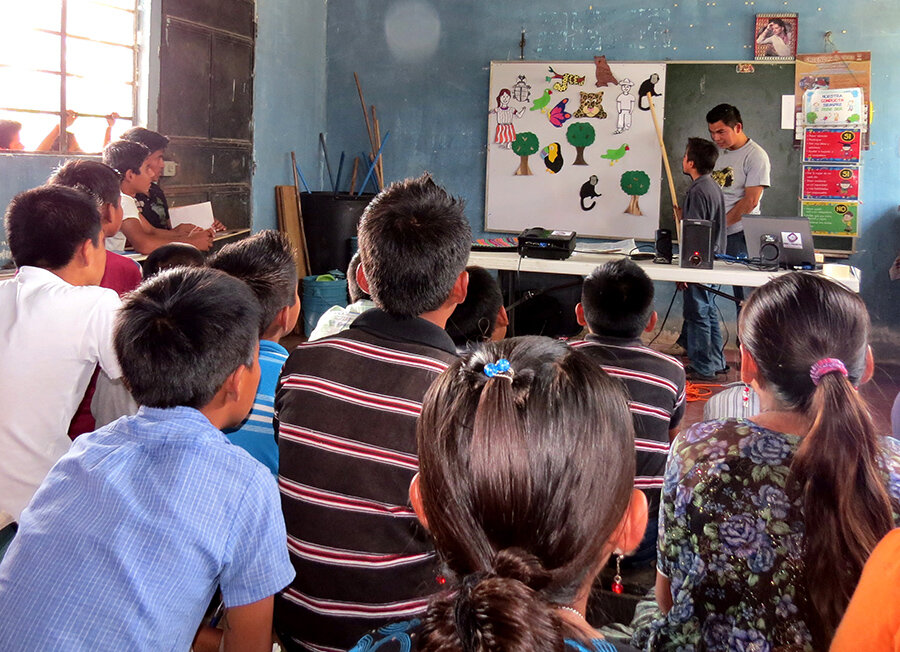
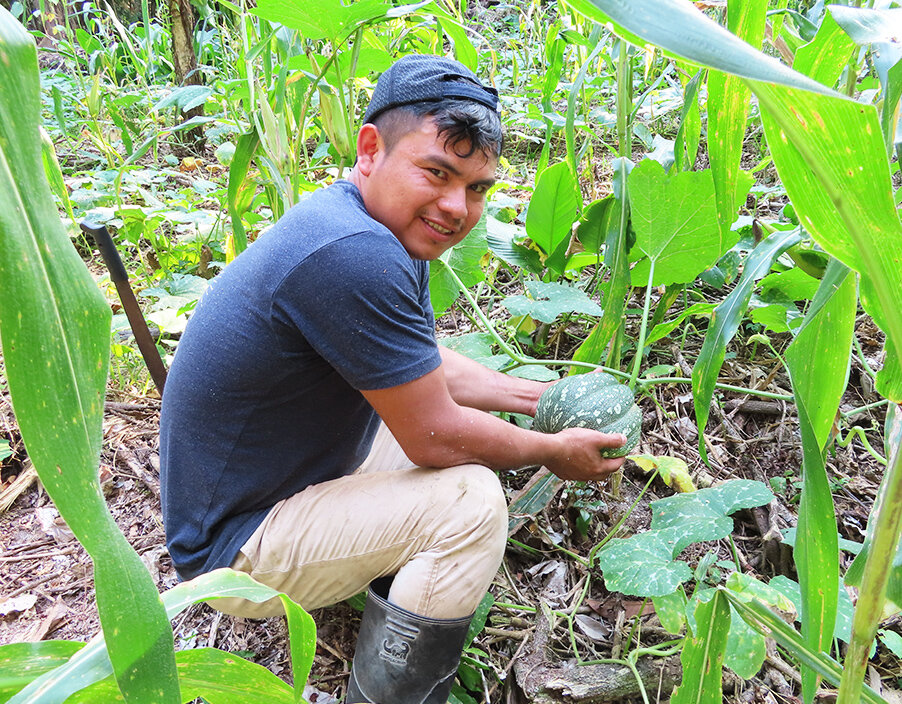
Between May and September 2026, after months of preparation with very few resources, we finally brought a full group together again at Atz’umak Center. Twenty young Maya Q’eqchi’ leaders and local authorities from ten communities in the Lachuá Ecoregion and neighboring areas began a two-year leadership process with us. We live, work and farm in this same region, so the problems they brought with them are ones we share. In an earlier participatory assessment, soil degradation emerged as one of the most urgent, and that is where we collectively chose to begin.
In our rainforest region, most of the nutrients are held in the forest itself, not in the soil. When land is cleared and kept producing only with purchased fertilizers, it gets weaker every year, and families end up clearing more forest. Our ground also sits on porous limestone, so agrochemicals easily reach the springs and rivers families drink from, and Laguna Lachuá. Caring for the soil here means caring for the forest and the water, and for the lives, health and income of the local communities who depend on them.
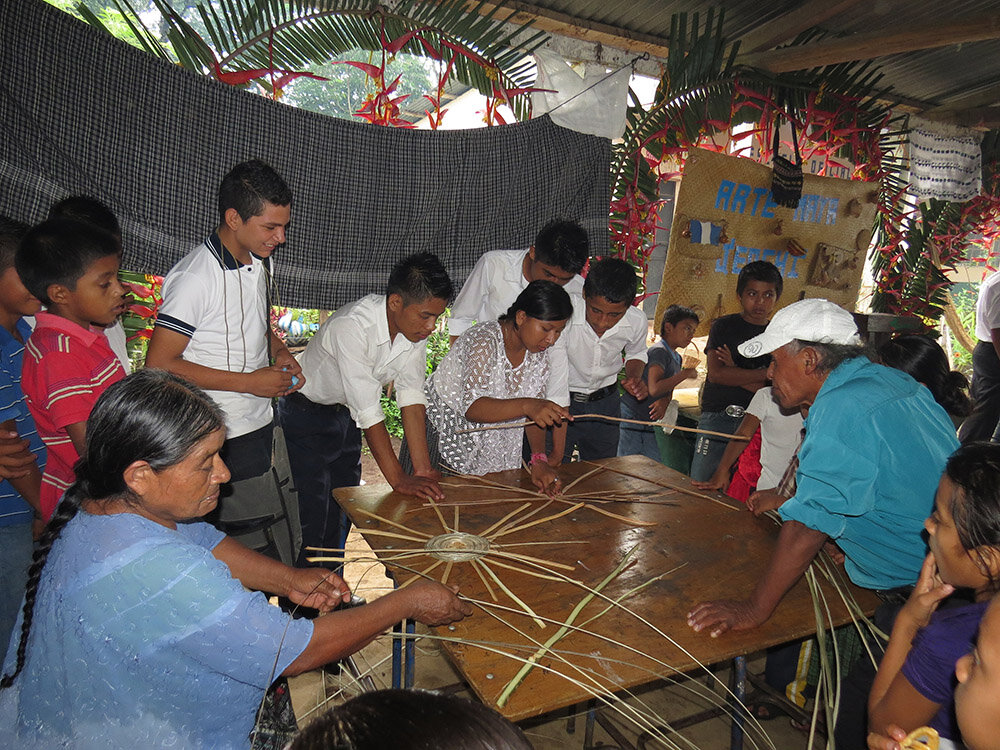
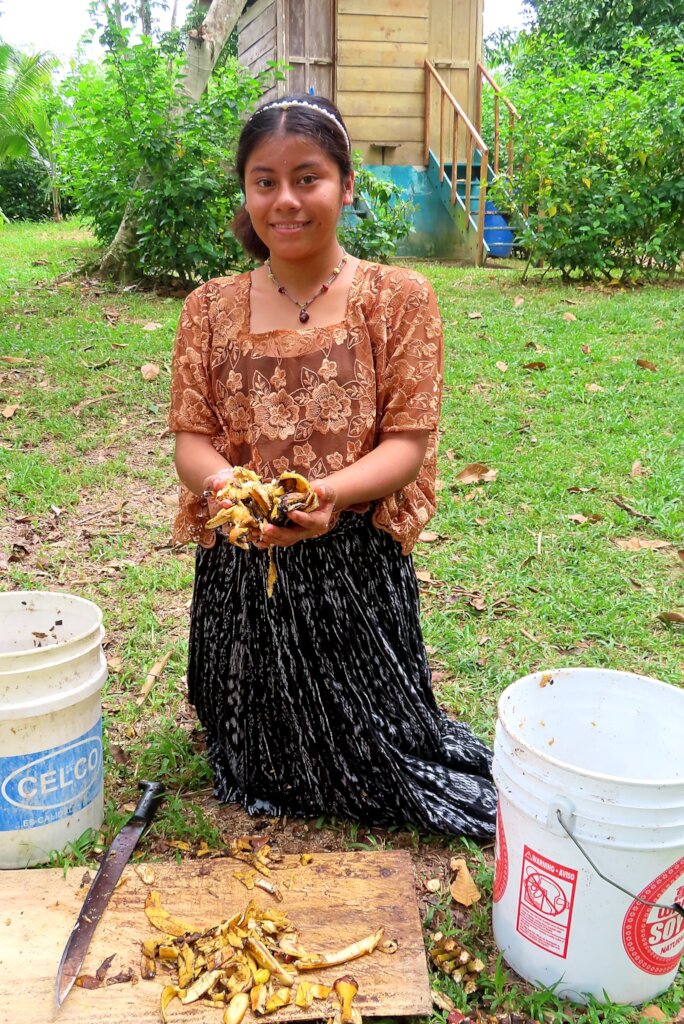
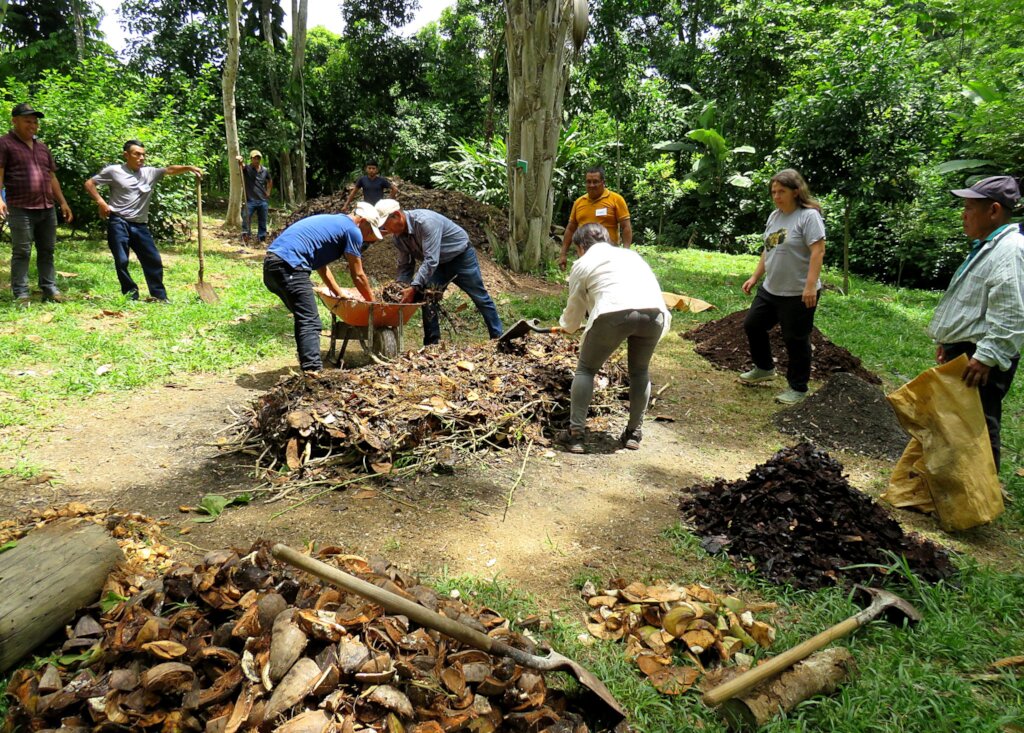
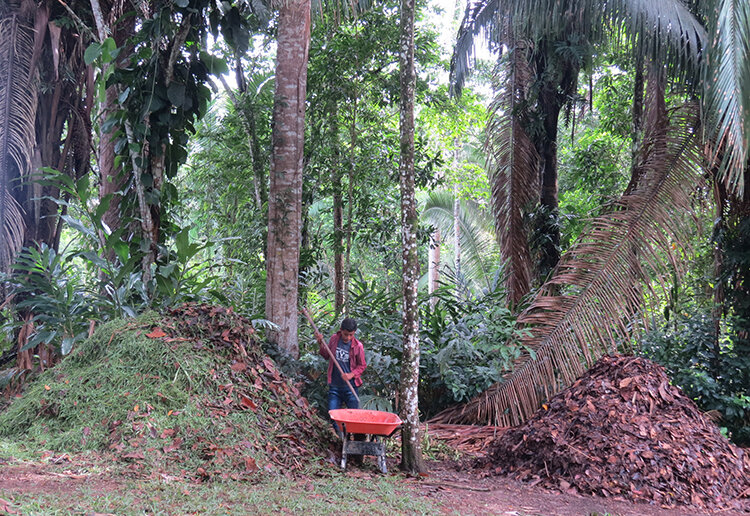
During the trainings, participants worked in small groups to make solid and liquid fertilizers with materials they already have at home and on their farms: banana and plantain peels, leaves from leguminous trees such as cushín, guama and madrecacao, manure from backyard animals, eggshells, cacao pod husks, crop residues and microorganisms from the forest floor, among others. These are gifts our land offers us every day, yet much of it usually goes to waste. Many were surprised to see that things so common and abundant can become high-quality fertilizer at very low cost.
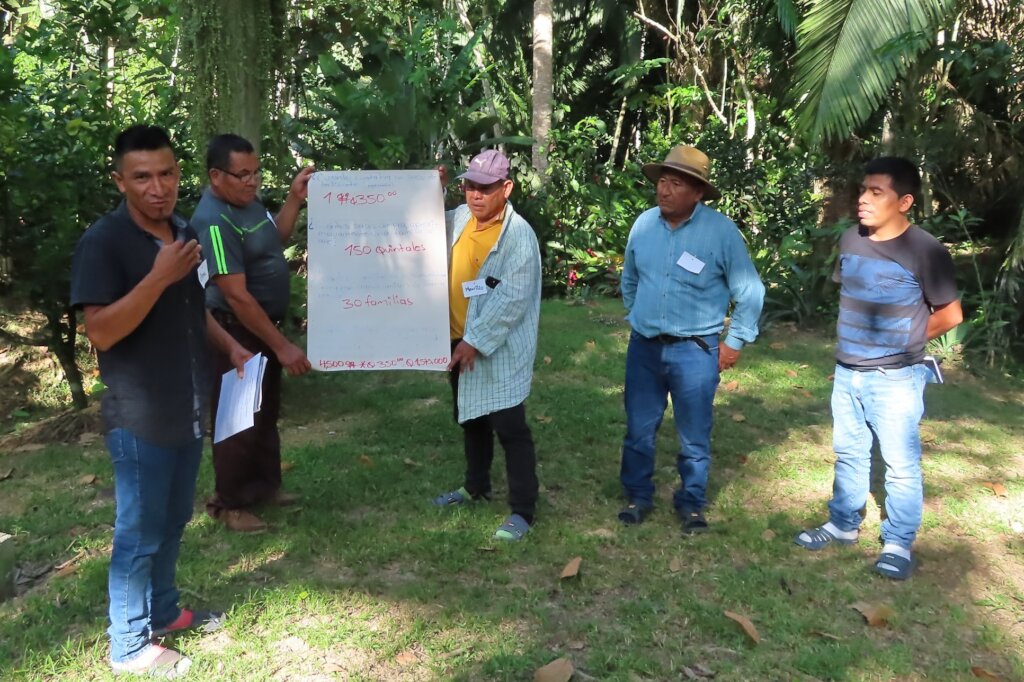
One exercise had a deep impact on the group. Using their own numbers, each group estimated how much their community spends every year on synthetic fertilizers. The results ranged from roughly $17,500 for a small community to $205,000 for a larger one, in a region where many families live on very limited incomes. Several participants said they felt they had been wasting their money and hard work on products that make them dependent and wear out their land. The conversation then turned to what that money could do for the wellbeing of our communities if more people understood this and changed the way they fertilize.
Each training opened with a collective prayer of gratitude rooted in the Maya Q’eqchi’ cosmovision and its ceremonial elements. Every topic began with the group sharing what they know, the living wisdom of their grandmothers and grandfathers.
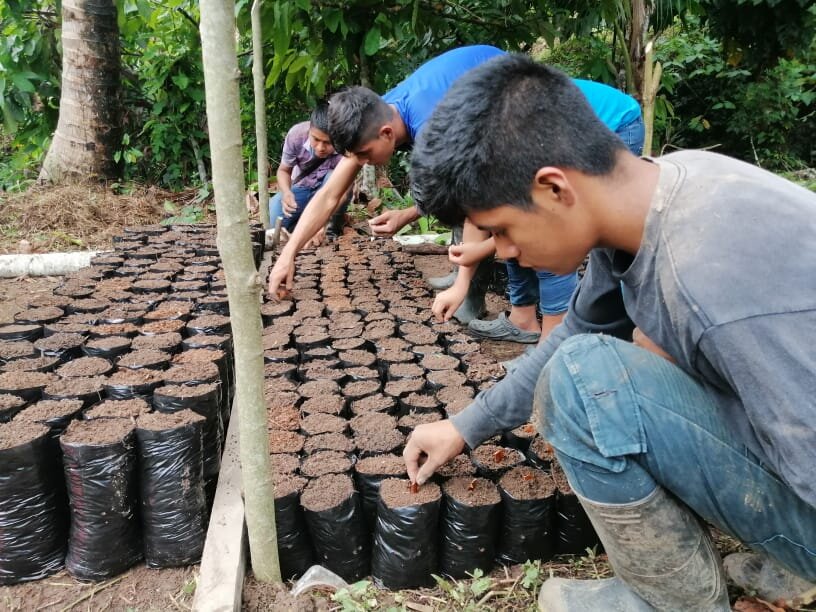
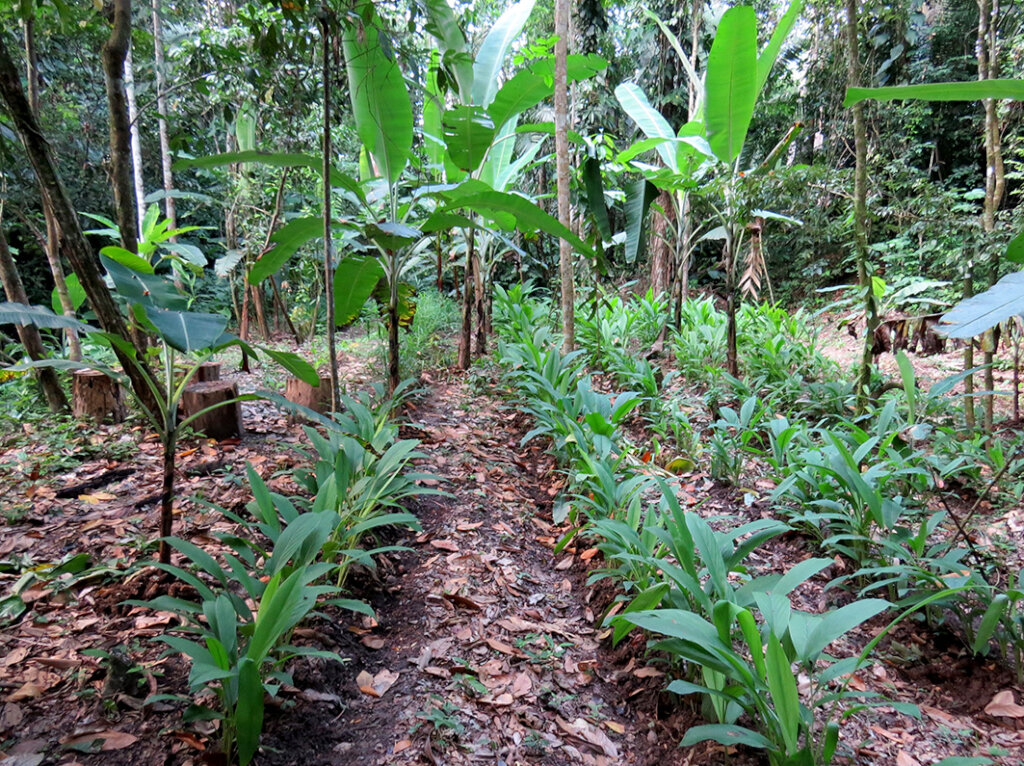
The next step is the most important one: seeing these practices used in family plots and community fields across the region. We will keep you informed.
During this period, GlobalGiving donors contributed $75.32 to this project. These funds will be transferred to us once our balance reaches GlobalGiving’s minimum disbursement amount, and they will go toward tools and materials for upcoming practical sessions. The trainings described in this report were made possible through other support. Gifts through GlobalGiving help sustain what larger grants often don’t cover, such as the daily upkeep of our learning spaces, materials for participants, and follow-up after each training.
We began this report with a circle of people passing soil from hand to hand. We like to think of everyone who supports this work as part of that circle, people who believe in the power of collective, mindful action to care for nature and community wellbeing. If you would like to join it, by giving or simply by sharing this report with someone who cares about forests and Indigenous youth, you are very welcome.
Thank you for supporting young guardians of the land as they care for Mother Nature and the wellbeing of their communities.
By Maria Hermes | Project leader
By Maria Hermes | Project leader
Project reports on GlobalGiving are posted directly to globalgiving.org by Project Leaders as they are completed, generally every 3-4 months. To protect the integrity of these documents, GlobalGiving does not alter them; therefore you may find some language or formatting issues.
If you donate to this project or have donated to this project, you can receive an email when this project posts a report. You can also subscribe for reports without donating.


Support this important cause by creating a personalized fundraising page.
Start a Fundraiser