By Maria Hermes | Project leader
From December 2025 through April 2026, the support received through GlobalGiving allowed us to continue strengthening practical and community-rooted conservation activities at Atz’umak Center. During this period, the $475 raised through the campaign helped sustain important learning spaces connected to agroecology, habitat restoration, and sustainable livelihoods for Indigenous youth in the Ancestral Rainforest Landscape of Guatemala.
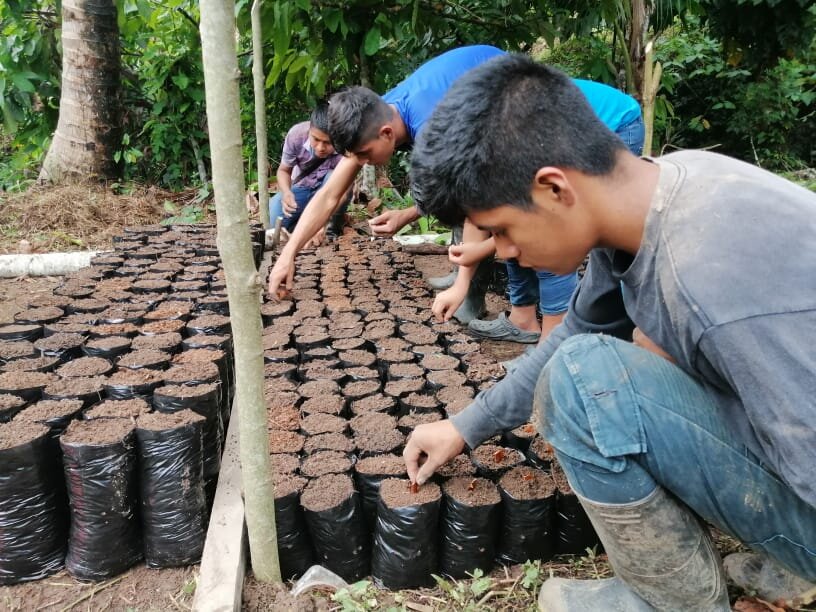
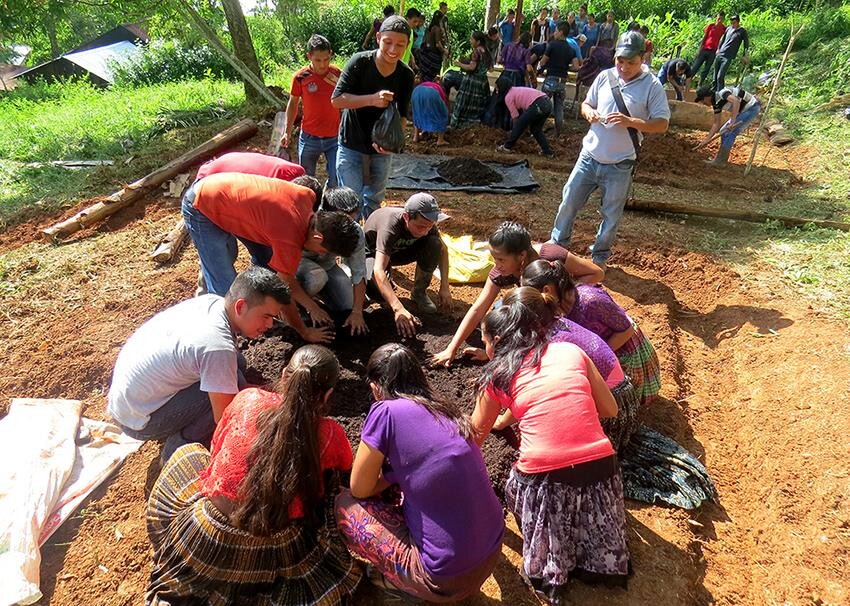
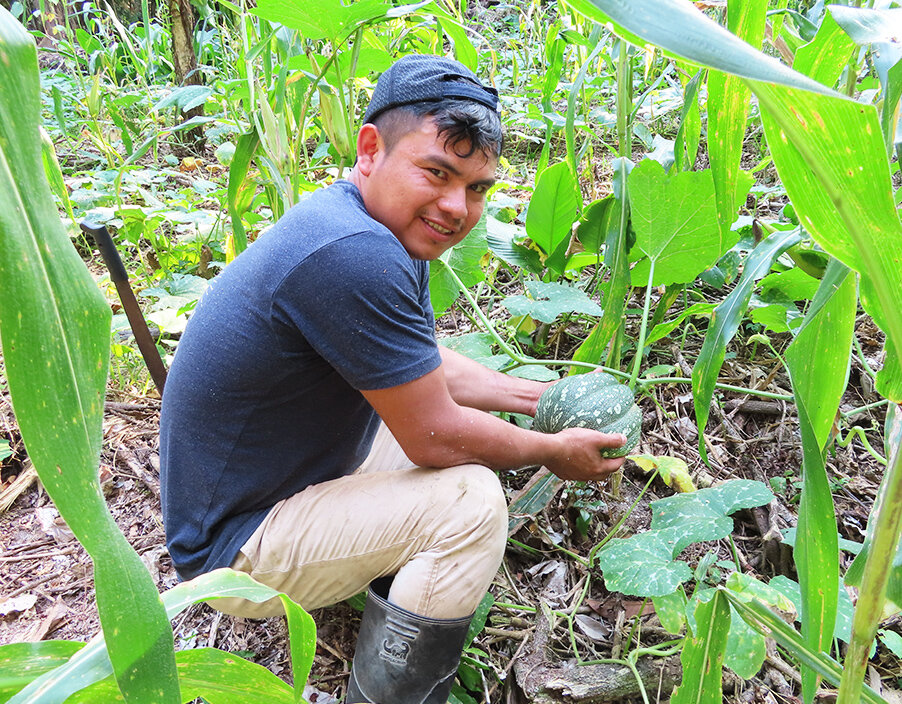
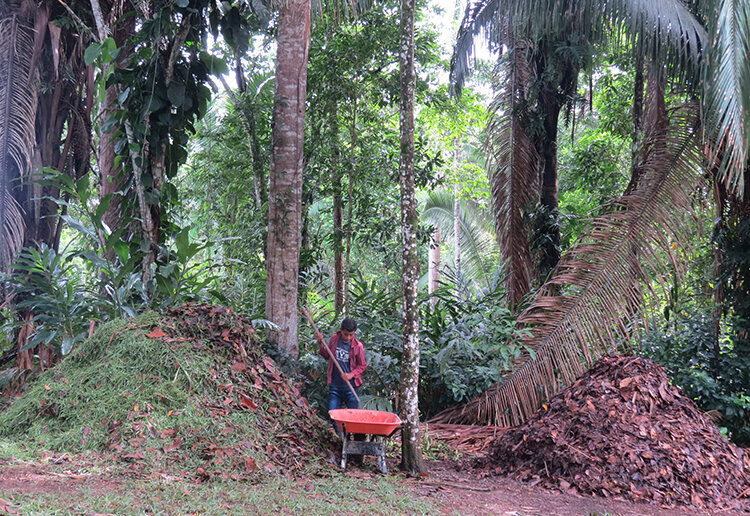
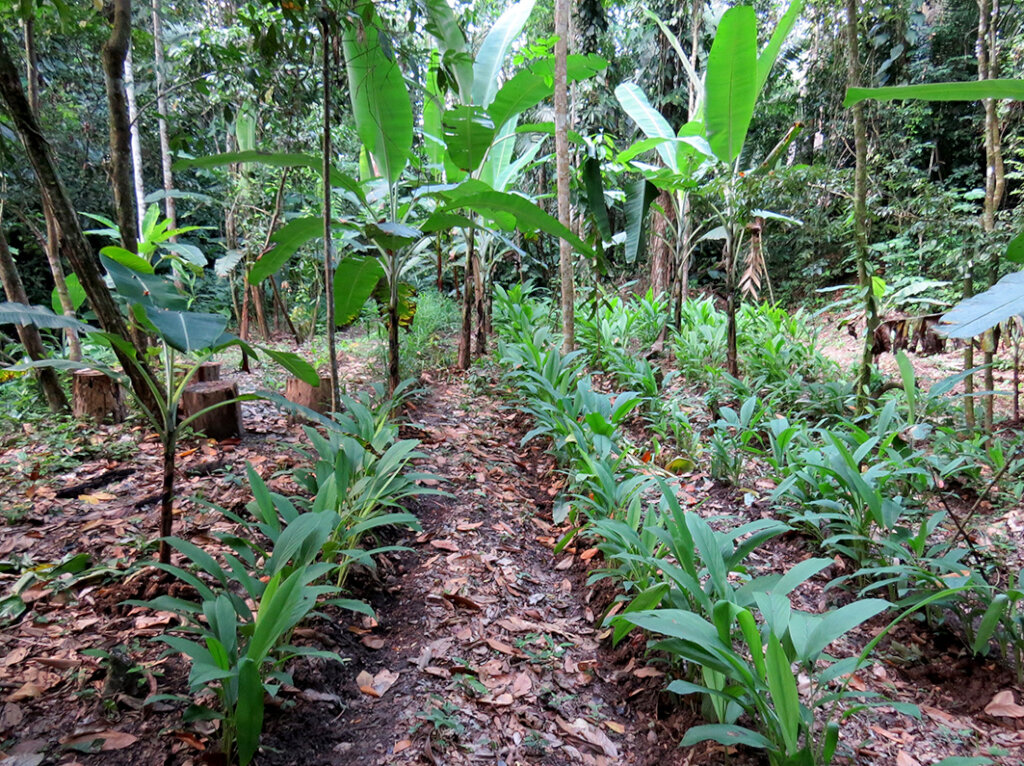
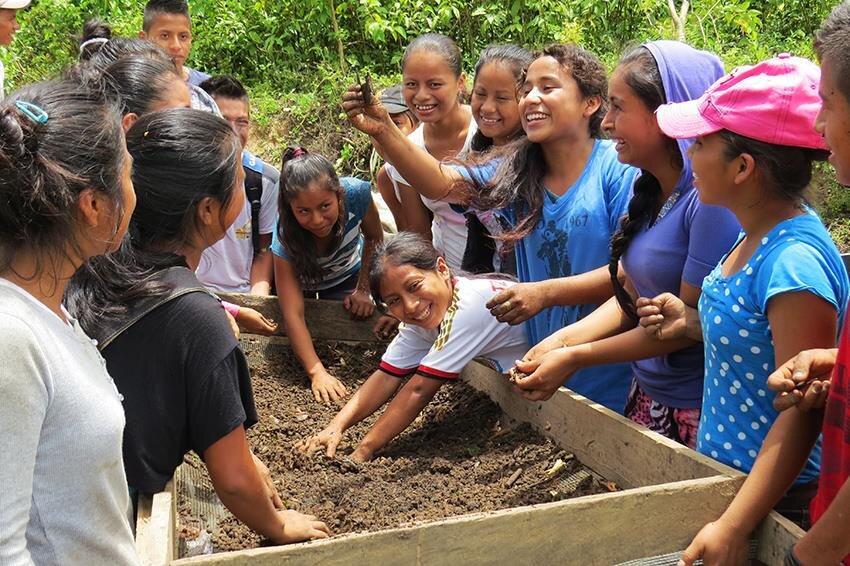
Over these months, our team and a small group of core youth participants worked on improving productive and educational areas used for hands-on environmental learning. Activities included expanding and maintaining organic growing spaces, strengthening natural fertilizer production areas, and planting medicinal plants and food crops adapted to local conditions. We also continued small-scale experiments focused on soil recovery and resilient agricultural practices that can later be replicated within local communities.
At the same time, we strengthened experimental learning areas related to habitat enrichment and ecological connectivity for wildlife within Atz’umak. These efforts included planting and caring for native tree species that provide food, shelter, and natural movement pathways for wildlife, while also helping stabilize soils and reduce erosion. Many of these species also have the potential to provide firewood through selective pruning in the future, helping reduce pressure on surrounding forests and promoting more sustainable resource use practices within local communities.
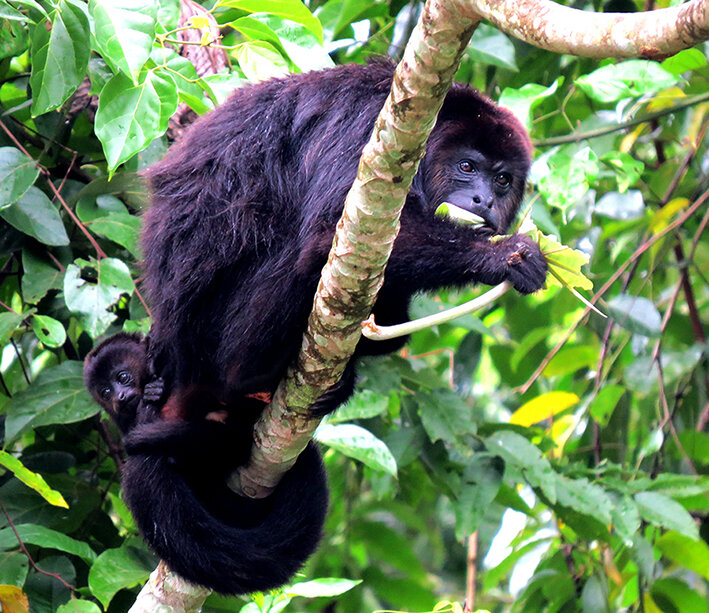
These spaces demonstrate how applied conservation, agroecology, and permaculture approaches can help restore degraded areas while supporting biodiversity and community wellbeing. We have felt especially encouraged to witness positive results emerging from these efforts. By increasing food availability and improving natural connectivity, several threatened and endangered wildlife species, including black howler monkeys, spider monkeys, parrots, macaws, green iguana, and many others, are actively using these areas. Some have even been observed reproducing within Atz’umak. Seeing and documenting these animals with their young has been a meaningful reminder that restoration efforts rooted in care, patience, and coexistence can produce tangible results for wildlife conservation.
These spaces are also becoming important places of learning and inspiration. They offer youth the opportunity to see firsthand that it is possible to produce food, restore ecosystems, and coexist with wildlife while strengthening the relationship between communities and nature.
Part of the support received also helped maintain tools, materials, and essential infrastructure needed to keep these spaces active during a period of continued financial uncertainty for grassroots conservation work. Although broader funding cuts have limited our ability to resume larger training processes, our commitment to sustaining these local efforts remains strong.
We are sincerely grateful to everyone who continues supporting and believing in this work. Your solidarity is helping strengthen opportunities for Indigenous youth to reconnect with their territories, develop practical environmental skills, and contribute to the protection of one of Guatemala’s most important tropical rainforest landscapes. Together, we are helping cultivate a future where young people, communities, and wildlife can coexist and thrive in harmony and balance.
Project reports on GlobalGiving are posted directly to globalgiving.org by Project Leaders as they are completed, generally every 3-4 months. To protect the integrity of these documents, GlobalGiving does not alter them; therefore you may find some language or formatting issues.
If you donate to this project or have donated to this project, you can receive an email when this project posts a report. You can also subscribe for reports without donating.



Support this important cause by creating a personalized fundraising page.
Start a Fundraiser