By Felicia Smith | Managing Director
Dear Team,
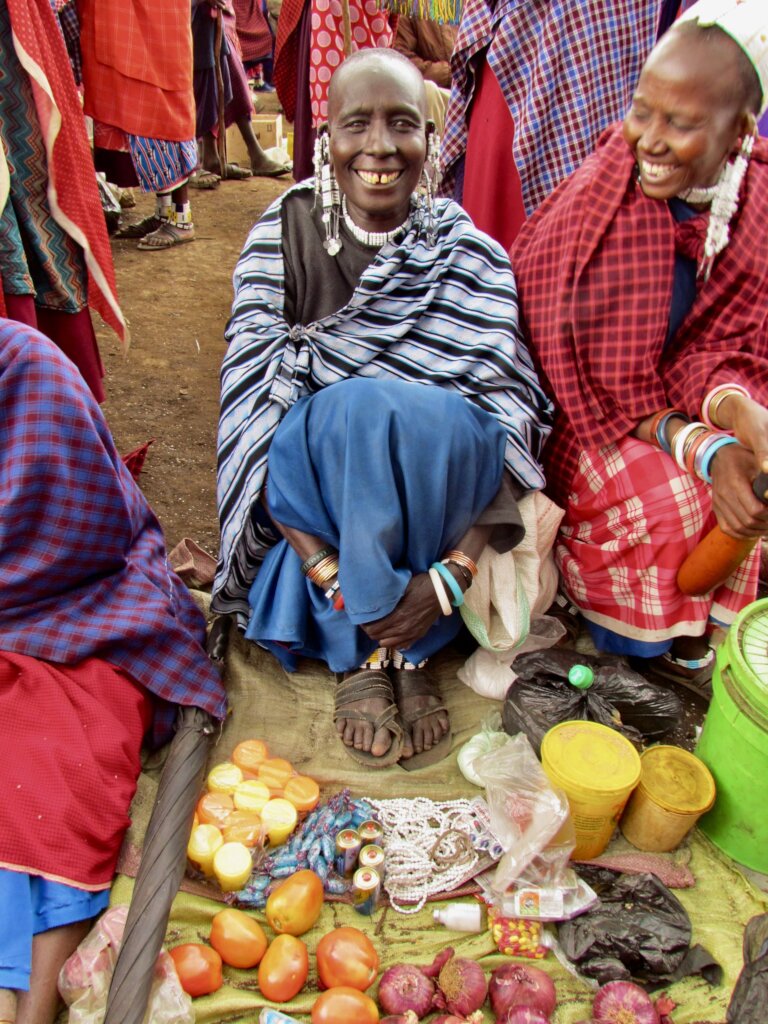
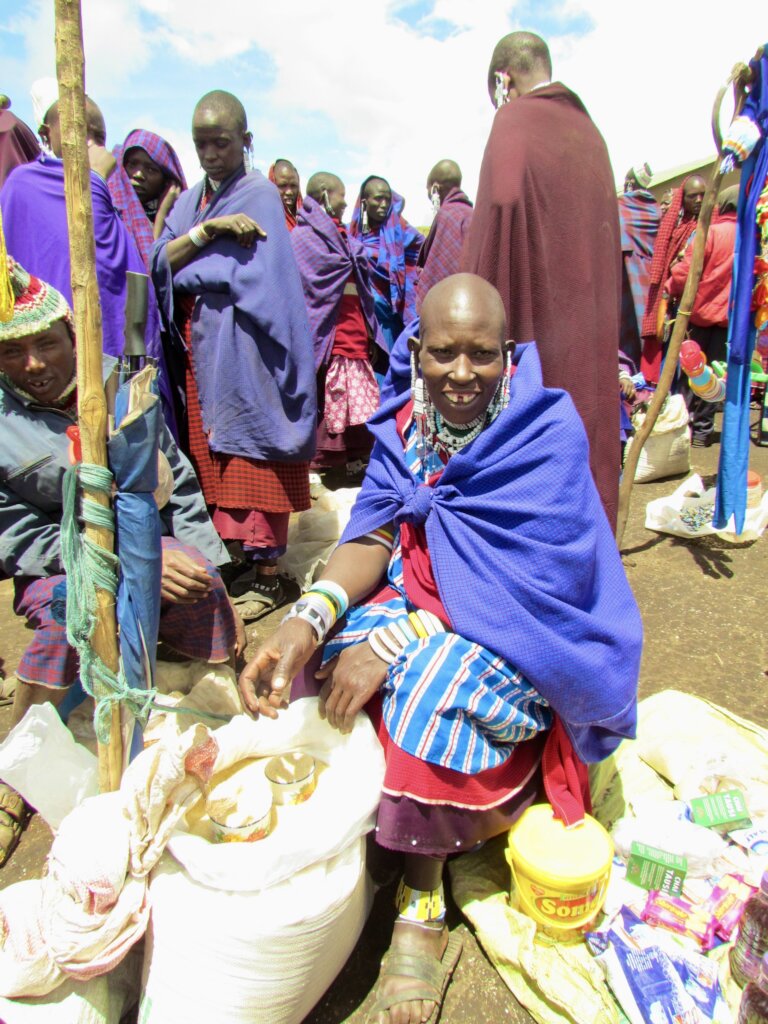
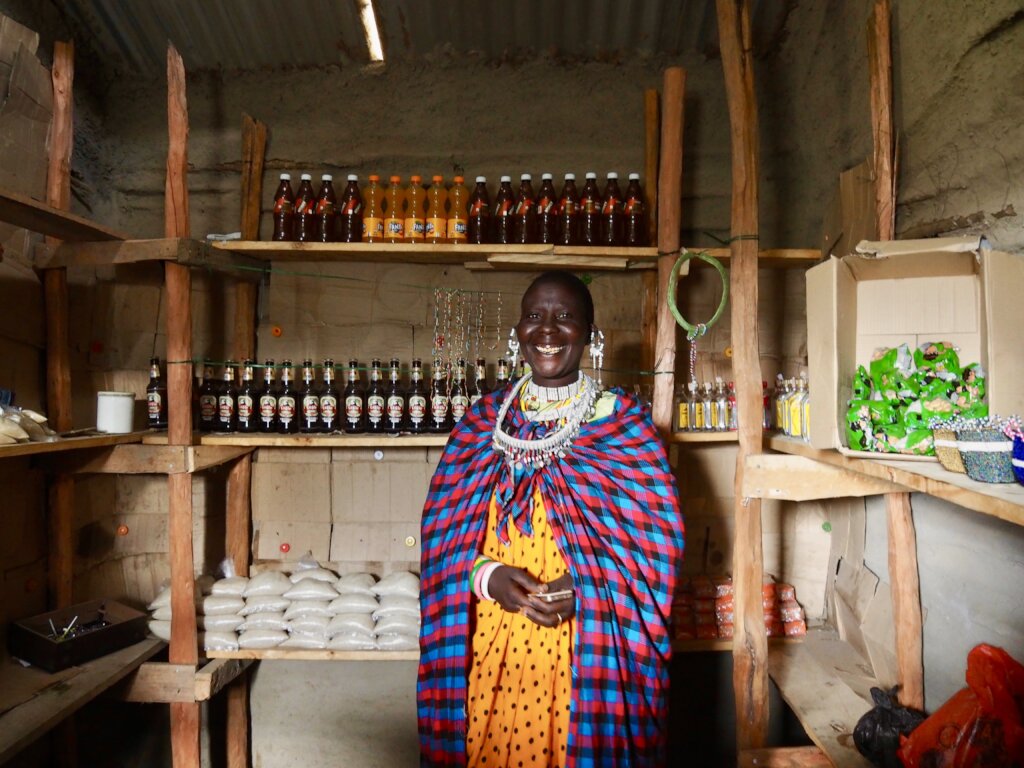
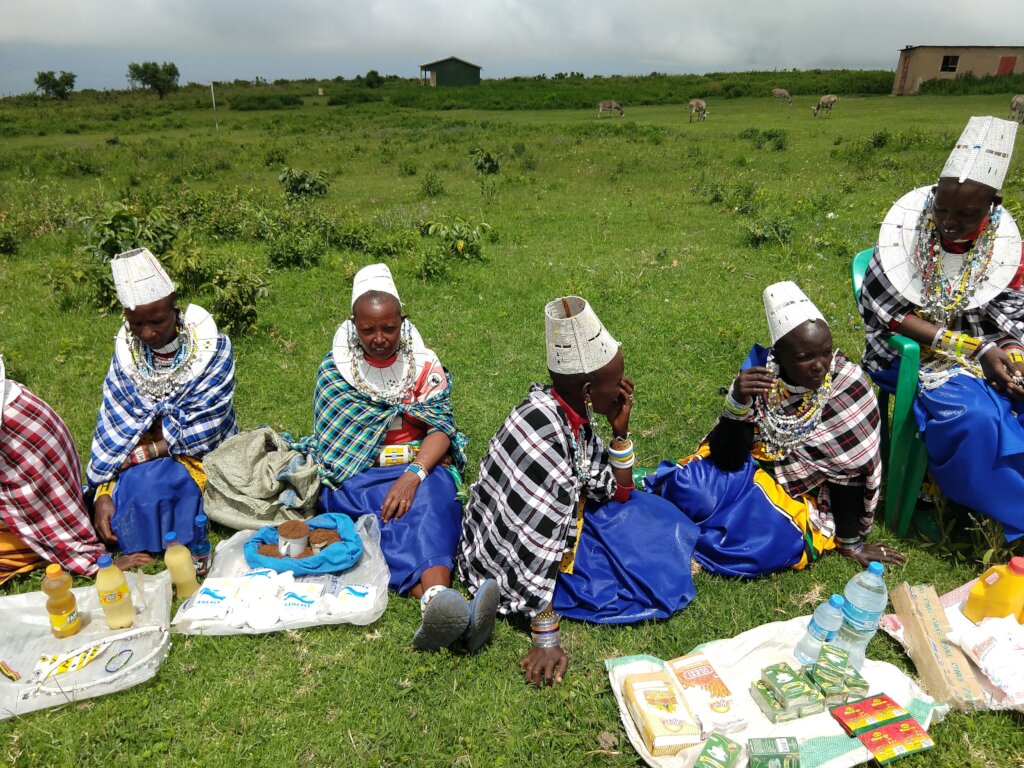
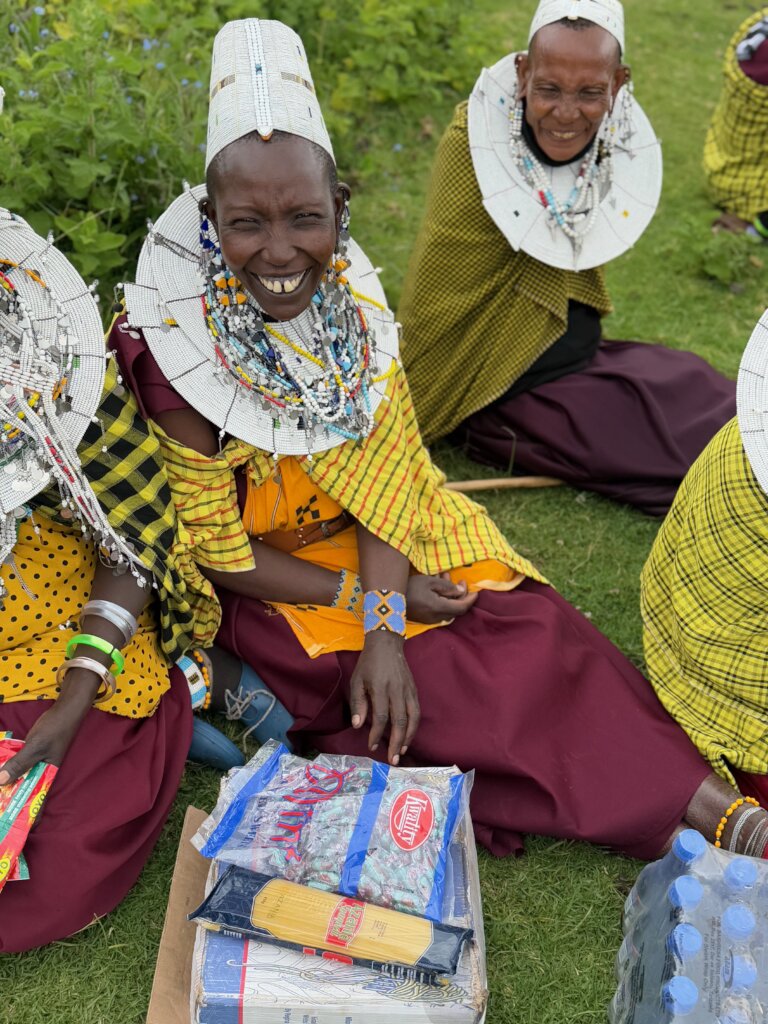
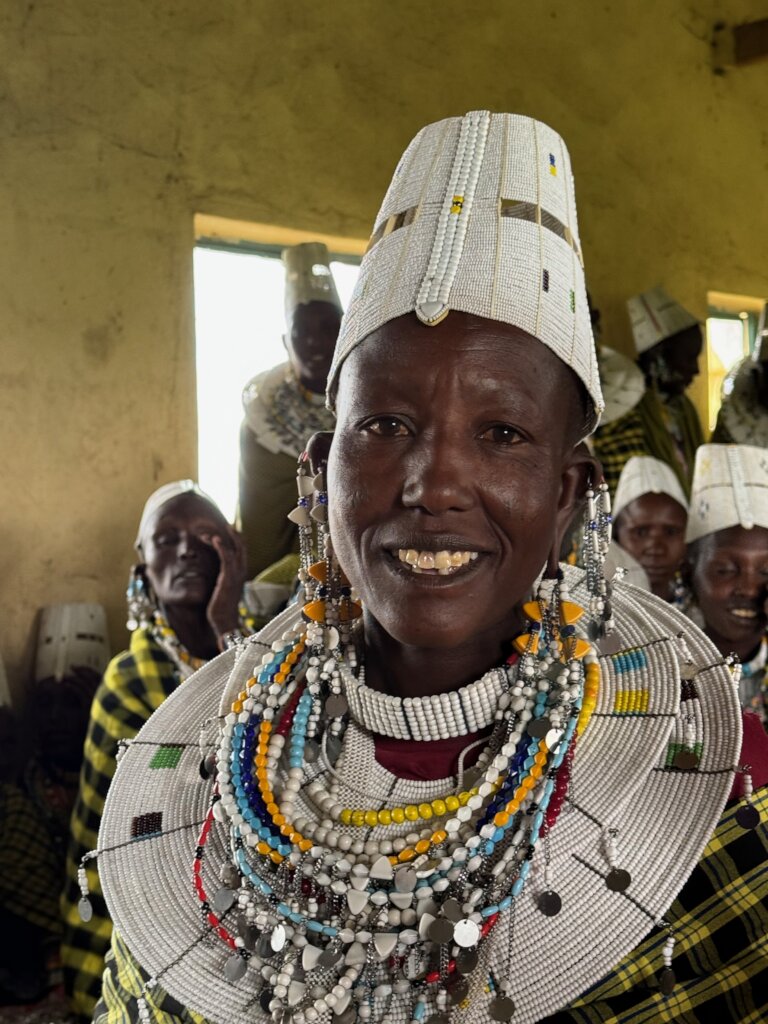
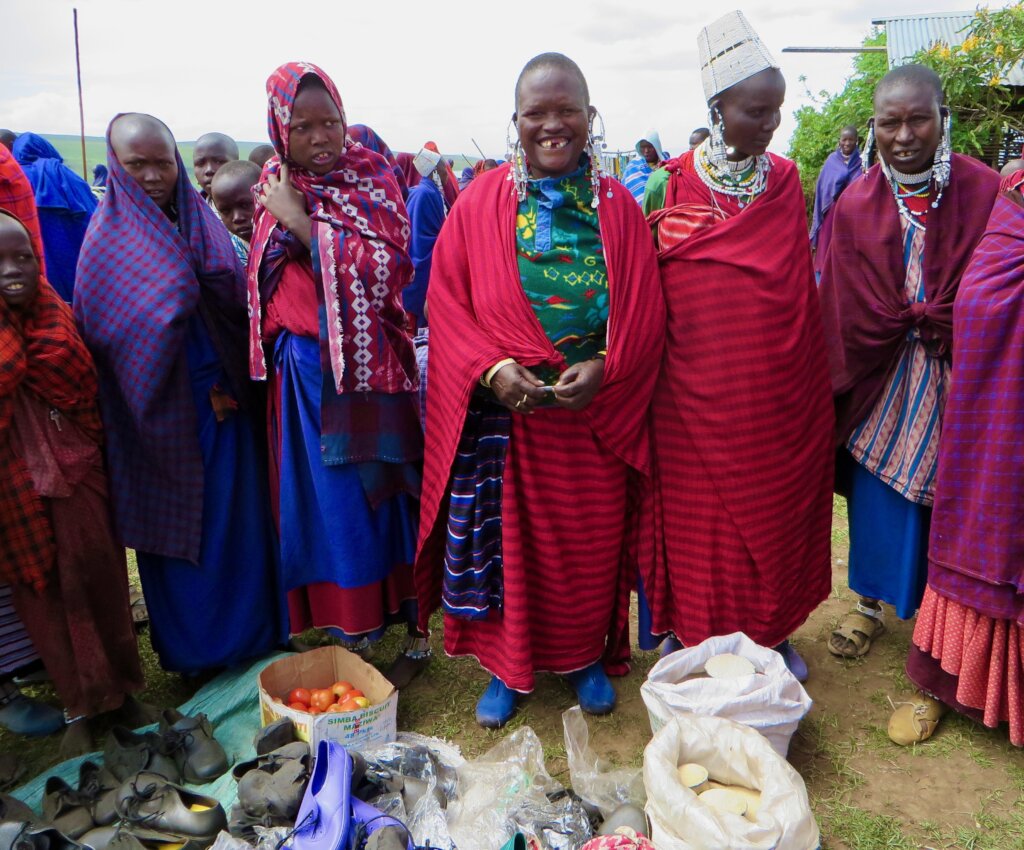
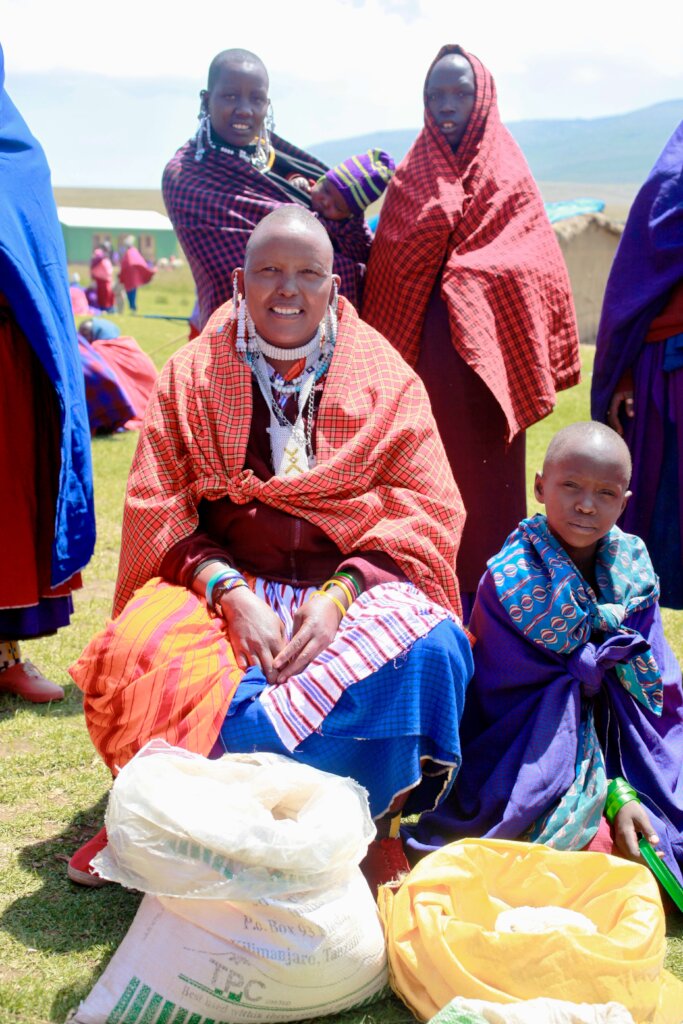
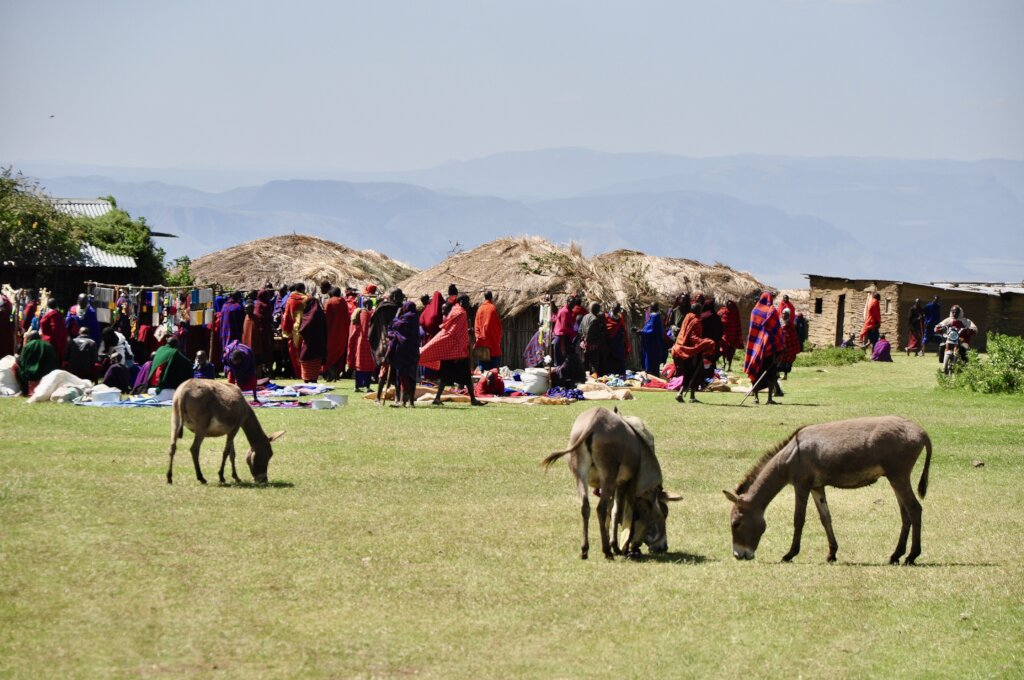
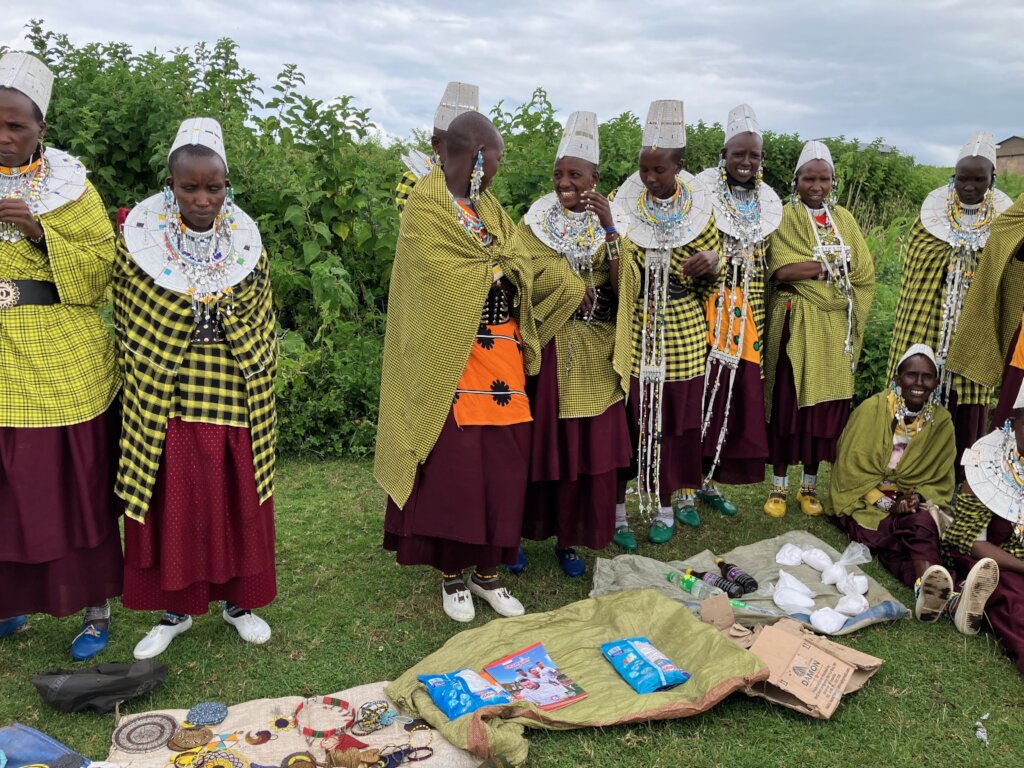
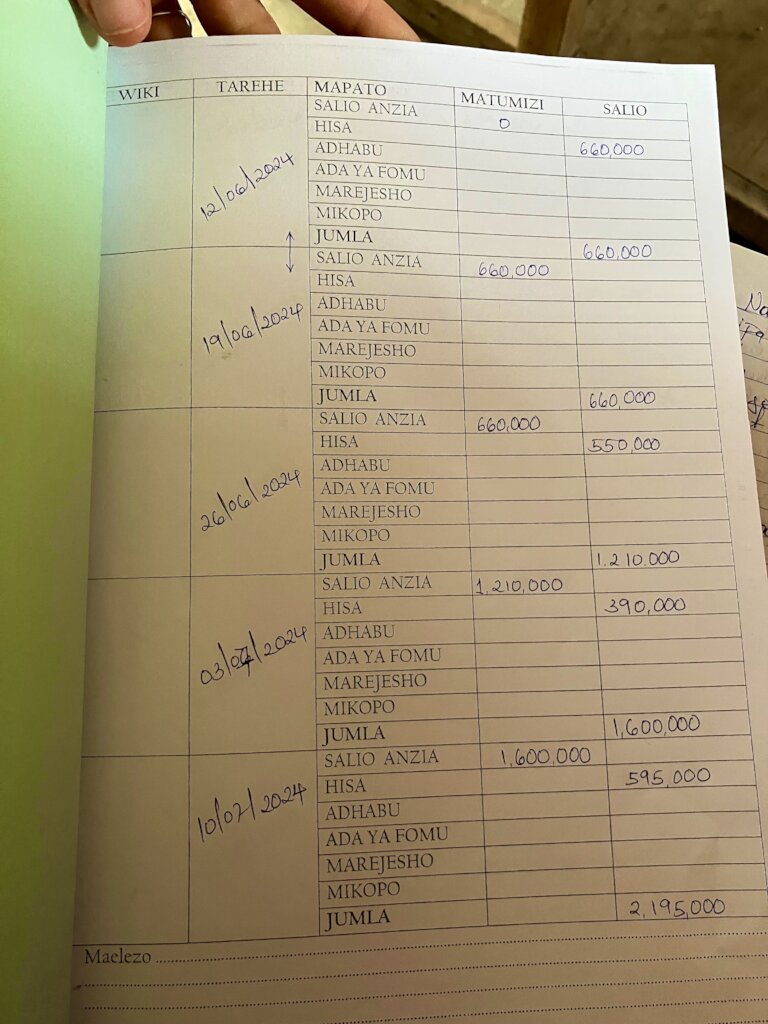
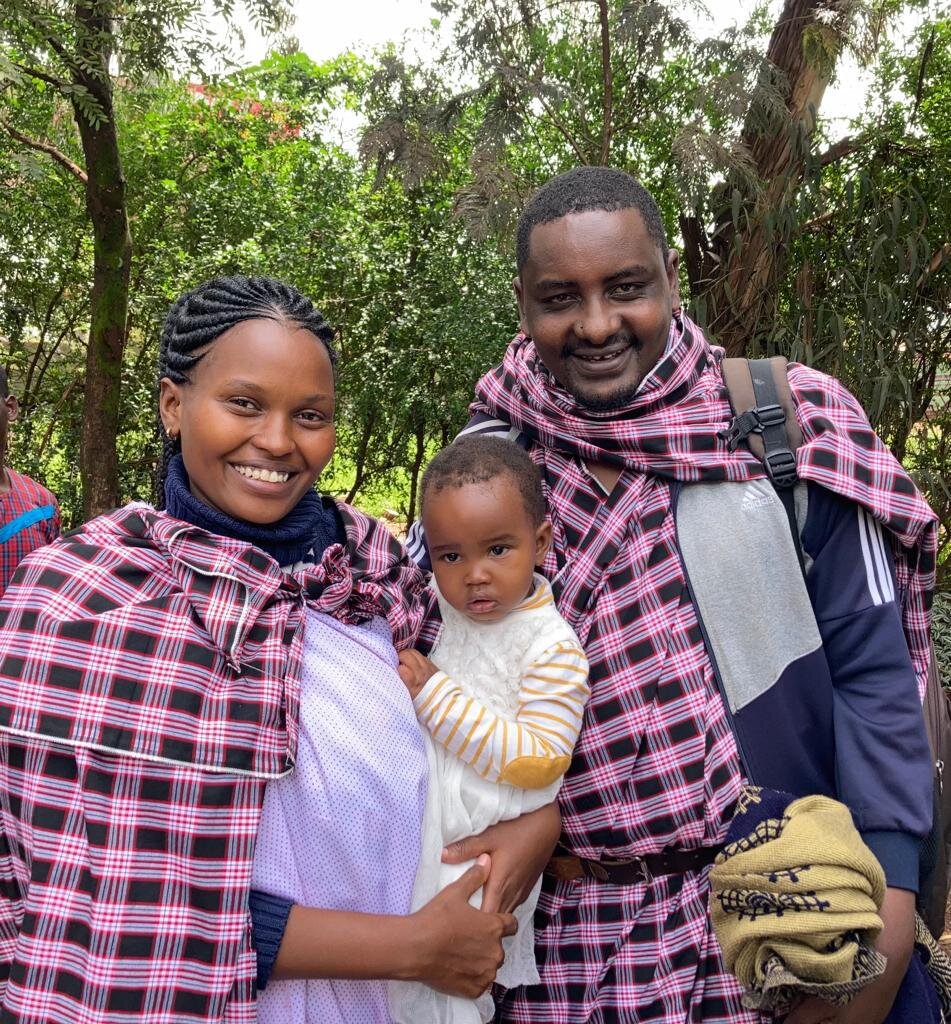
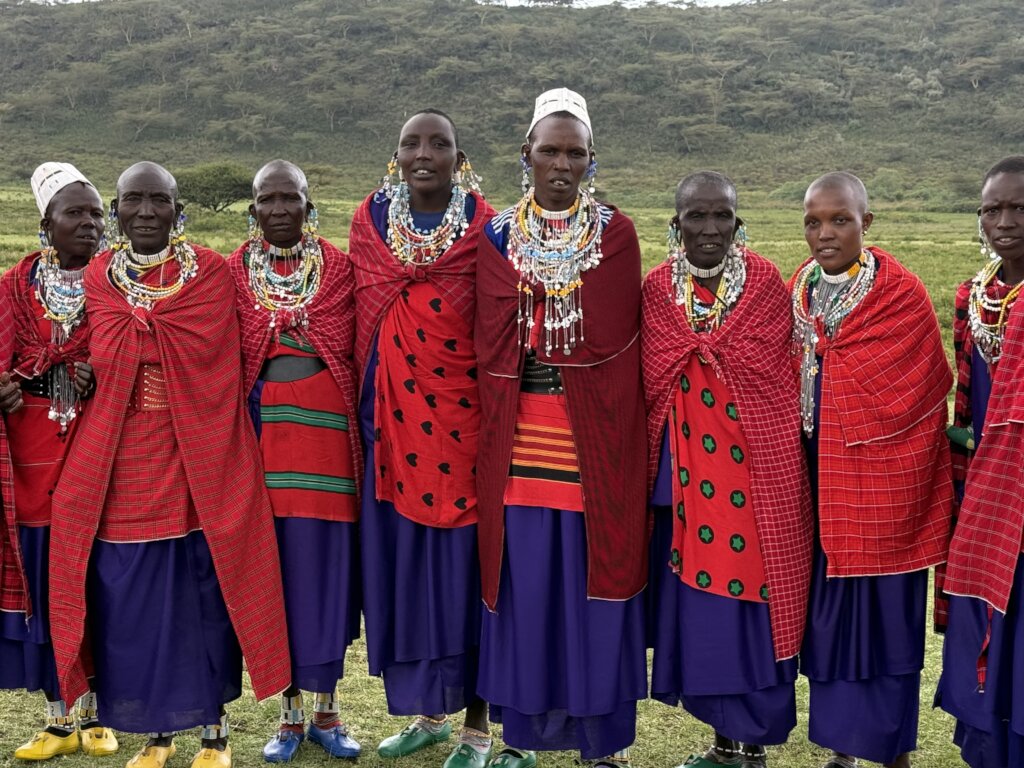
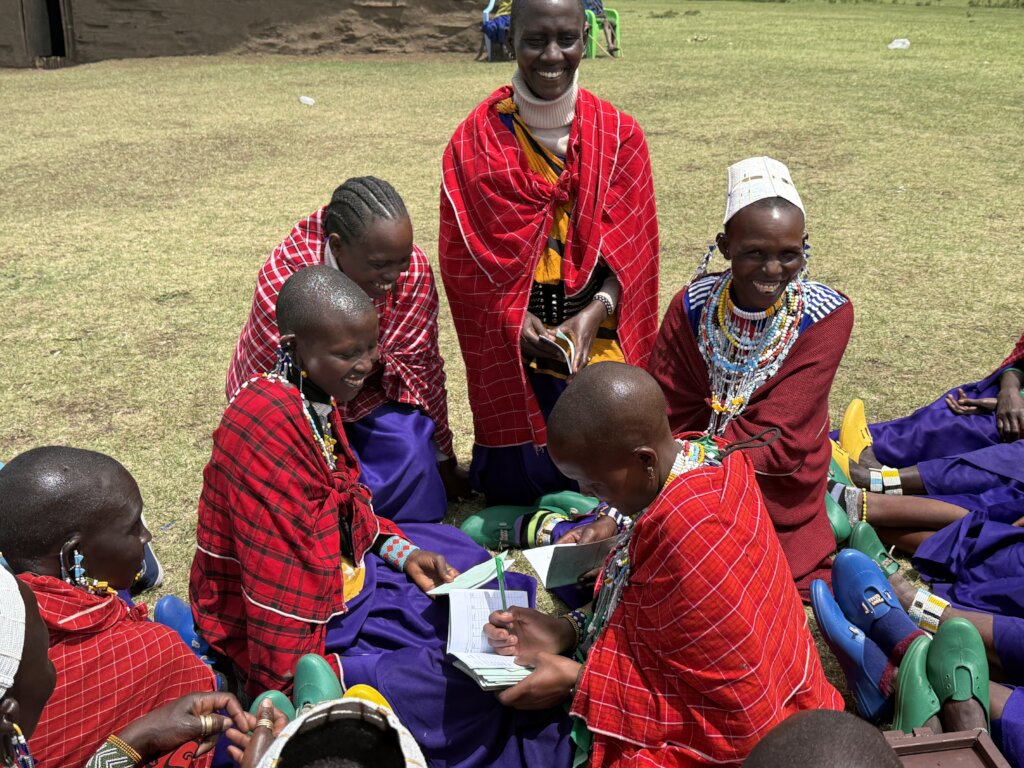
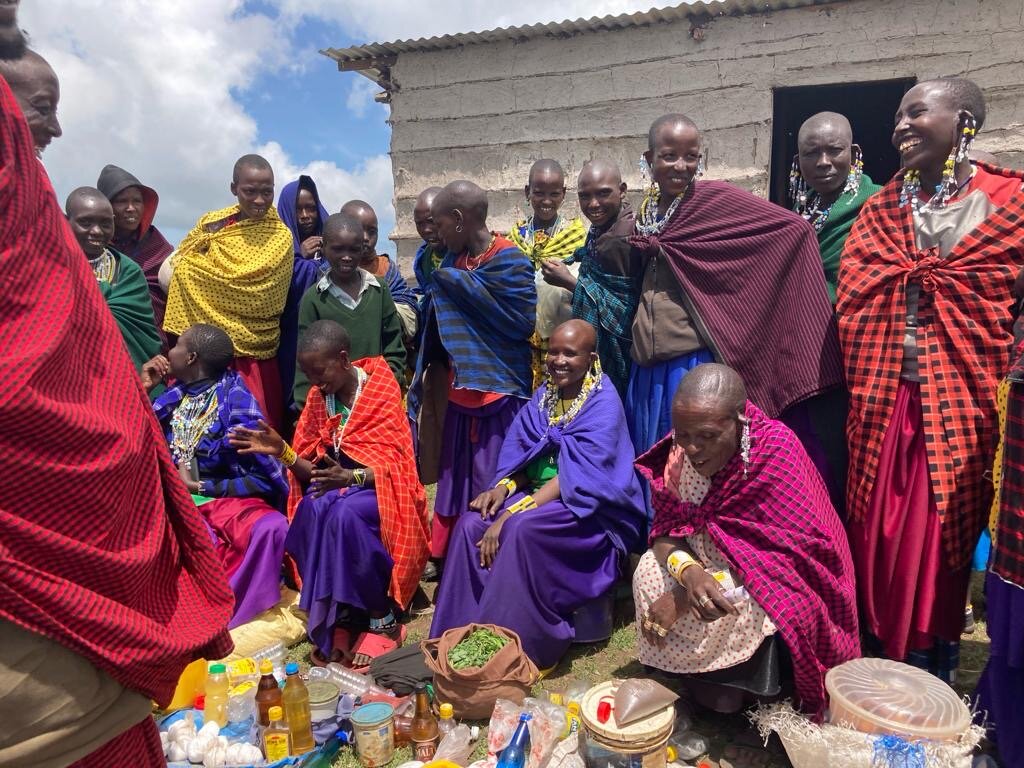
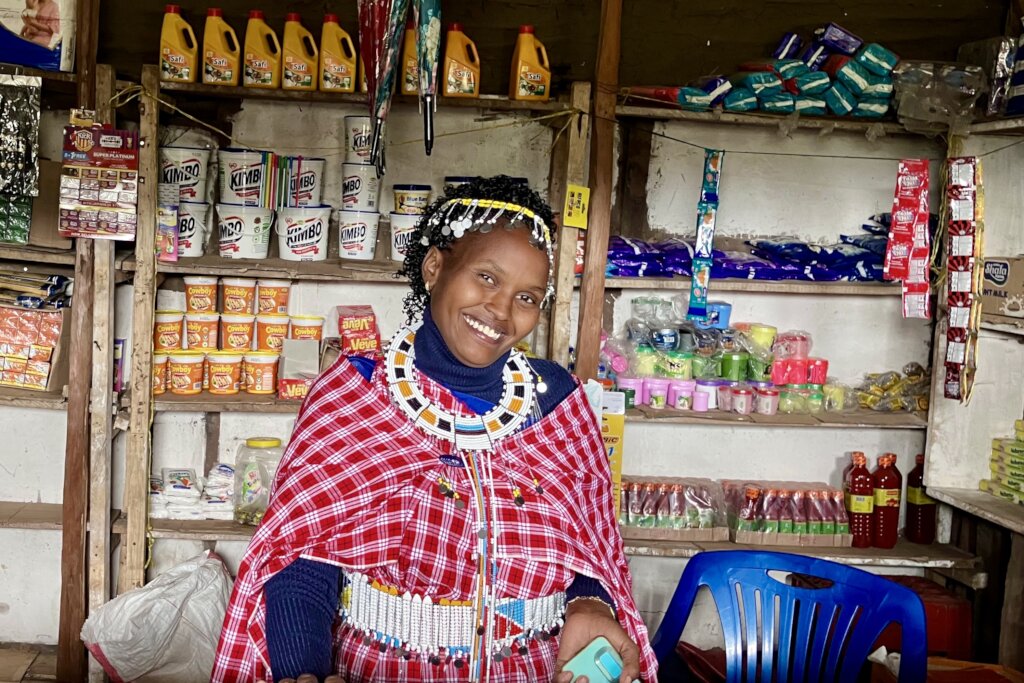
Since our last project report for Empower Rural Tanzanian Women with Microloans in March, we have raised an additional $1,260 from many small donations. These donations have enabled 25 more women access to life-changing loan money which they can use to start or expand a business, put their children through school, build themselves a house or achieve any number of other important advancements. Microloans empower women to take charge of their household’s finances, which benefits the whole family. Since women hold the traditional role of the family manager, they are typically the providers of care, food and shelter for the whole family. The gender roles of rural Maasai women go even further, with women also being responsible for fetching firewood for cooking, water for everyday use and even building the house and periodically re-thatching the roof. Giving women access to financial means also raises their status and earns them respect within their communities. In short, investing in women more directly results in a more positive return in the community. This is how we succeed in creating positive, lasting change in rural Tanzania, thanks to help from our thoughtful donors (that’s you!). We are motivated and rewarded by these positive changes each time we go to Tanzania to interview several of the women who receive these life-changing loans. Read on for our interview with Maria Mirumu, co-founder of ReCAF who says that her parents “understood that an educated daughter could uplift an entire family and even the wider community.” Maria is an inspiration to us all and continues to empower Maasai women in her community and beyond!
Interview with Maria Mirumu, co-founder of ReCAF (Resilient Communities Africa Foundation), which manages our rural loan program:
1. You have a bachelors degree in statistics. Do you have any desire to move to town?
No, I don’t have any desire to move to town. My heart is with the women in my community, and I want to stay close to them while also taking care of my family. Living in Olchaniomelok allows me to understand their struggles firsthand and be available when they need support. While I sometimes travel to Karatu and Arusha for work, my home and purpose remain in the village.
2. How do you choose the women in your loan program?
The women in our loan program are selected based on their need, commitment, and willingness to work together. We focus on those who show responsibility and have a clear vision for how they will use and repay the loan. We also consider women who may not have access to formal financial institutions but are eager to improve their livelihoods through small businesses, livestock keeping, or other economic activities. We encourage peer accountability, so women who join must be recommended or supported by their group members.
3. How do the women in your village view you? What do you think they might say about you when you aren’t around to hear?
As a young and educated Maasai woman, my community views me very positively. They see me as respectful, friendly, and someone who brings new opportunities without losing our cultural values. The women appreciate that I am one of them, yet I also bring knowledge and connections that help them grow. I believe they would describe me as "supportive," "kind," "inspiring," and "a role model." Some might say, "Maria is a strong leader, but she listens to us like a sister," or "She is educated, but she remains humble and close to her people."
4. What motivated you to first start managing the loan program? Why do you continue to do it, or what motivates you now? Have your reasons changed since the beginning?
At first, I was motivated by the need to empower women financially. I saw how lack of access to credit kept many women dependent and struggling. Over time, my motivation deepened—I realized that financial empowerment also improves women’s confidence, decision-making power, and overall well-being. Now, I continue because I see real change happening. Women are starting businesses, sending their children to school, and gaining respect in their households. That keeps me going.
5. How did you meet your husband? Did marrying him influence your desire (or ability) to manage the loan program? Would you still be doing the same thing if you were not married?
I met my husband in Arusha on my way to university. We built connections and family ties in the normal Maasai process of marriage. Marrying him has been a source of support rather than a limitation. He understands my passion and encourages my work. If I were unmarried, I believe I would still be doing the same thing because my commitment to empowering women is personal and deeply rooted in my experiences. However, marriage has given me stability and a partner who supports my vision.
6. Have you ever taken out a loan yourself? Do you receive any money from managing the group? If you had access to a very large loan yourself, what would you do with it?
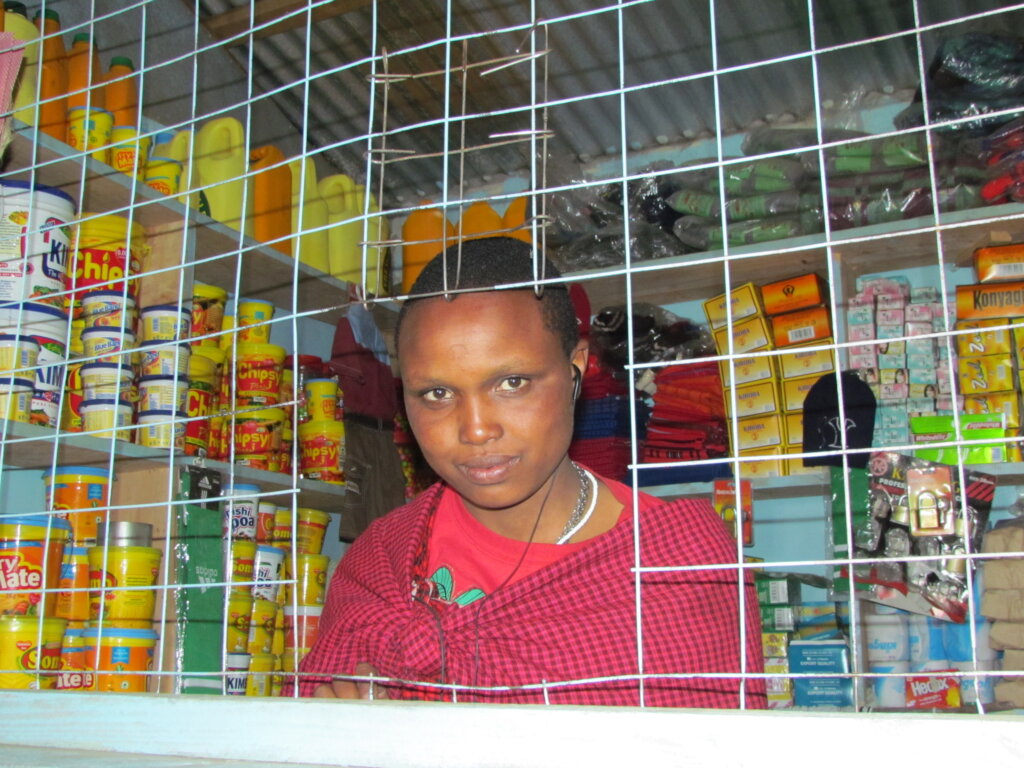
No, I have never taken a loan from the money given by donors. My role is to manage the loan hub and help women access and repay their loans. However, with the support of my husband, I manage a small business in Olchaniomelok, which serves as an example for other women in the village. I also manage livestock as a source of income. If I had access to a very large loan, I would invest in expanding village loan hubs, ensuring that more women have access to credit and business training. I would also explore sustainable projects like clean energy, water and sanitation, and education initiatives that benefit both our community and the environment.
7. Do you ever feel as if you don’t fit in with your peers in the village because of your status and fluency in English?
Sometimes, yes. Education and exposure to different experiences have given me a different way of thinking, and that can make me stand out. Many people admire it, while a few find it strange. But I always try to stay connected to my community, speak my local language, and respect our traditions. At the end of the day, what matters is not how fluent I am in English, but how much impact I create in the lives of the women around me.
8. What do you think motivated your parents to send you to the University of Dar es Salaam for continuing education?
My parents wanted me to have opportunities that they never had. They saw education as a way for me to contribute meaningfully to my community and be independent. Even though it was uncommon for Maasai girls to go that far in school, they believed in my potential. They also understood that an educated daughter could uplift an entire family and even the wider community. Their sacrifice and vision shaped who I am today.
We sincerely thank you for helping us to achieve all that we have in our quest to empower rural Maasai women in Tanzania, and we are honored to continue doing this important work with the help of our amazing donors who share this journey with us!
With hearts full of gratitude,
Judy Lane & Felicia Smith of Maasai Partners
Links:
Project reports on GlobalGiving are posted directly to globalgiving.org by Project Leaders as they are completed, generally every 3-4 months. To protect the integrity of these documents, GlobalGiving does not alter them; therefore you may find some language or formatting issues.
If you donate to this project or have donated to this project, you can receive an email when this project posts a report. You can also subscribe for reports without donating.



Support this important cause by creating a personalized fundraising page.
Start a Fundraiser