By Caroline King'oo | Fundraising and Strategic Partnership officer
Introduction
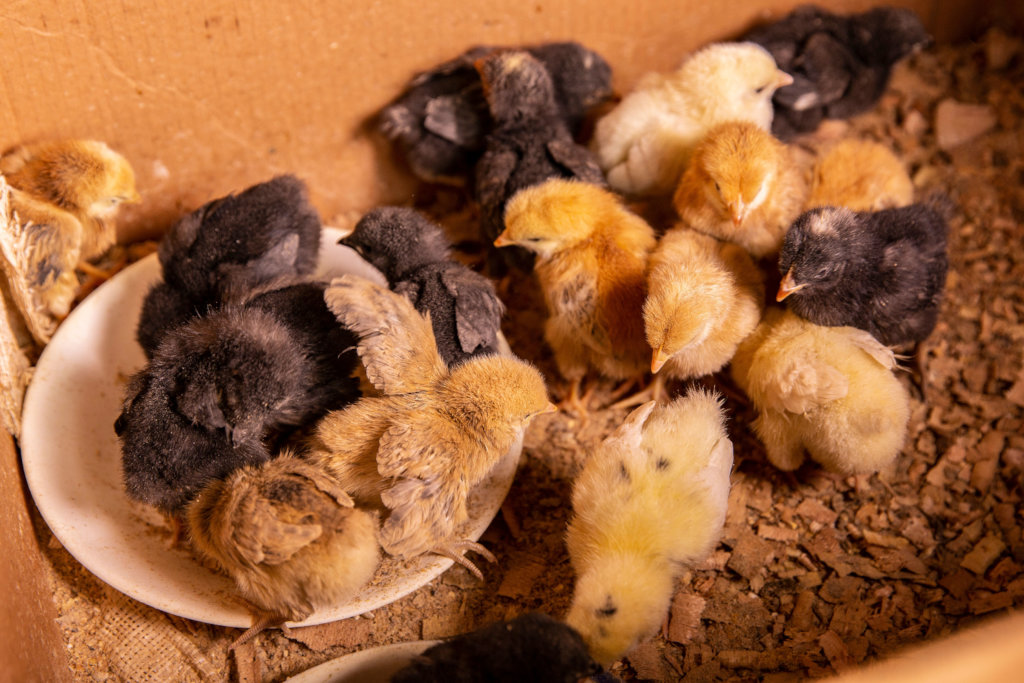
The poultry enterprise intervention was designed to strengthen the livelihoods of 21 members of Ovacado widows Self Help Group by supporting them to establish and manage a poultry enterprise. The intervention planned to provide 300 chicks, with an initial centralized brooding arrangement for 1 week to enhance proper care, disease management and monitoring during the first growth week of the birds before they get distributed among the group members.
The intervention was implemented with contributions from the donor- GlobalGiving, project funds and beneficiary members, demonstrating a shared-investment approach and strong member ownership. This report provides an update on the intervention, including beneficiary preparedness and contribution, implementation challenges, lessons learned and the proposed actions to safeguard the investment and achieve the intended livelihood outcomes.
Planned Intervention and Expected Impact
The intervention targeted 21 members of Ovacado Widows Self Help Group, with 300 chicks planned for distribution. During the first week, the birds were kept at the household of one selected member who provided centralized care in collaboration with the other members. Following the one-week brooding period, the birds were distributed among the members.
The intervention is expected to contribute to:
• Increased household income through poultry production.
• Improved access to an additional livelihood enterprise for the members.
• Strengthened members' knowledge and skills in poultry management.
• Enhanced collective responsibility and ownership of the enterprise.
• Improved household resilience through diversification of income sources.
Beneficiary members Contribution and Ownership
The group members demonstrated significant commitment to the intervention through both financial and in-kind contributions.
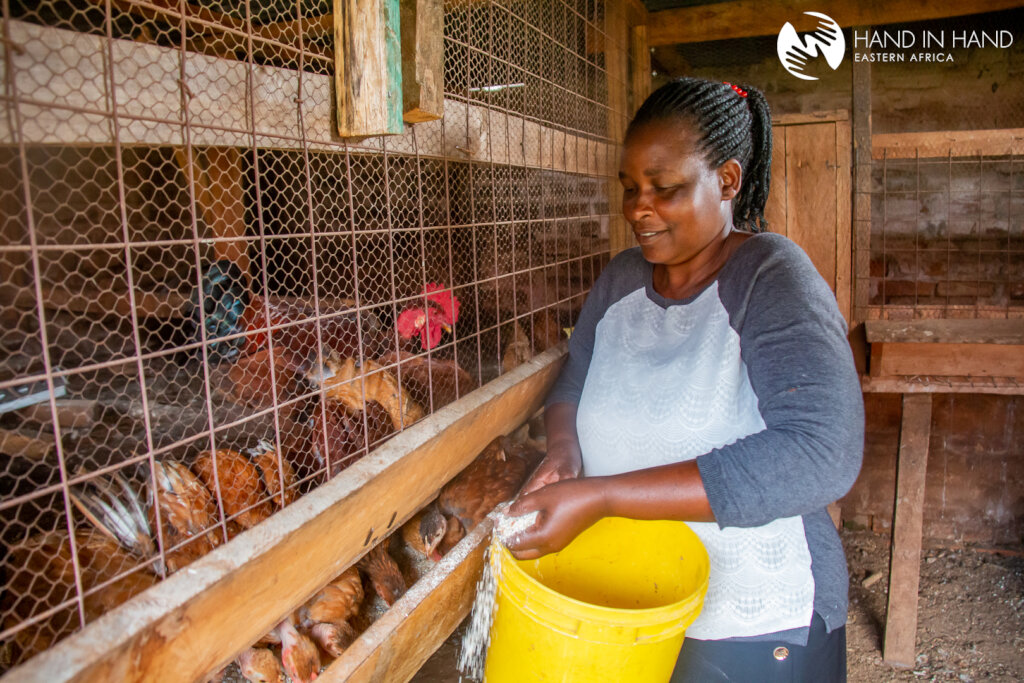
In addition to the cash contribution, members invested their own resources in preparing for the intervention. They purchased feeds and established the necessary poultry housing, feeding and drinking infrastructure. This level of contribution demonstrates that the intervention was not solely donor-dependent and that beneficiaries had a direct stake in its success.
Beneficiary Preparedness
Prior to receiving the birds, the beneficiaries had undertaken substantial preparations to ensure that the chicks would be appropriately cared for.
The members had:
• Received adequate training on handling of the birds.
• Prepared a suitable brooder.
• Purchased a heating source and lighting.
• Ensured availability of clean drinking water for the chicks.
• Purchased feeds for the chicks.
• Developed a vaccination program.
• Prepared a duty roster identifying members responsible for caring for the birds on specific days, in addition to the support from the one who had hosted the birds.
The preparedness demonstrated strong beneficiary ownership, commitment and readiness to implement the intervention.
Implementation Challenge and Health of the Birds
Following delivery, a proportion of the birds experienced health challenges that resulted in an estimated 40% mortality. Based on the symptoms and field observations at the time, pneumonia was suspected as one of the possible contributing factors, although this was not confirmed through laboratory diagnosis. Subsequent analysis indicated that the losses should also be viewed within a wider poultry-health context, as farmers in parts of the Rift Valley were experiencing outbreaks of livestock and poultry diseases during the same period, prompting government veterinary authorities to intensify disease surveillance and vaccination interventions. Kenya continues to face challenges related to timely disease detection among smallholder livestock producers, with national veterinary authorities emphasizing the importance of early detection, vaccination and rapid response to limit production and livelihood losses.
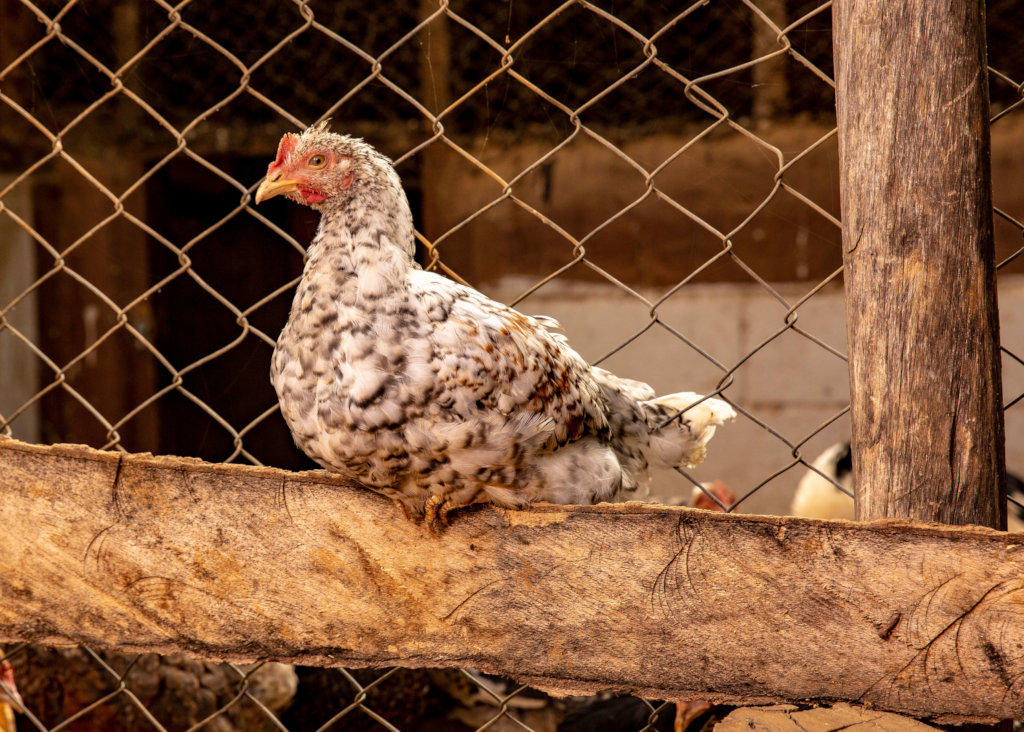
This experience highlights the vulnerability of smallholder poultry enterprises to disease outbreaks and the need to treat animal health as a core component of enterprise development rather than as an issue addressed only after losses occur. Going forward, the project will therefore place greater emphasis on preventive poultry health management, including vaccination planning, biosecurity, farmer training on early disease recognition, appropriate housing and hygiene, linkages with veterinary service providers, and timely reporting of unusual mortality. Strengthening these measures at both individual-farmer and group level will reduce avoidable losses, improve flock survival and productivity, and increase farmers’ confidence in poultry as a viable income-generating enterprise.
By Caroline | Project Leader
Project reports on GlobalGiving are posted directly to globalgiving.org by Project Leaders as they are completed, generally every 3-4 months. To protect the integrity of these documents, GlobalGiving does not alter them; therefore you may find some language or formatting issues.
If you donate to this project or have donated to this project, you can receive an email when this project posts a report. You can also subscribe for reports without donating.



Support this important cause by creating a personalized fundraising page.
Start a Fundraiser