By Ignatius Mborihenga | Program coordinator
Poverty exists in Yambio, South Sudan as a result of multiple reasons, such as structural, political, and environmental issues. Conflict that has been ongoing in the region for decades and the lack of good governance has resulted in the absence of proper development of markets, services, and infrastructure in the area. Poor education and health care systems mean that human resources are limited. The economy of the region is highly dependent on subsistence farming, which is very vulnerable to the changes in weather conditions, poor roads, and the lack of irrigation and other means of crop production and storage, leading to low agricultural production levels. This is further hindered by market isolation and transportation challenges. Poverty in the region is also fueled by unemployment and land conflicts. Additionally, gender inequality makes it difficult for women to take part in economic activity in the region.
In Yambio, both women and youth are confronted by a number of interlocking constraints that hinder their ability to earn an income. Limited availability to quality education and technical skills training hinders the acquisition of skills among them, while issues such as early marriages, caring for dependents, and gender roles hinder the mobility of women and limit their time for engaging in productive activities. Lack of clear property and land tenure rights and legal protection impedes investment and business activity. Lack of collateral and financial services denies the youth access to credit facilities. Poor infrastructure, market access, and limited storage facilities increase cost and hinder access to markets.
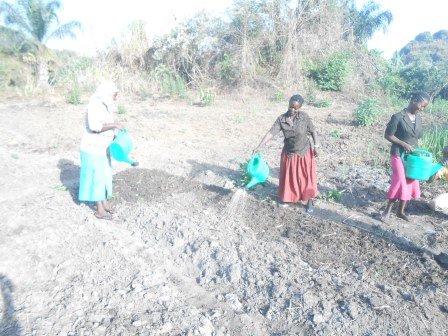
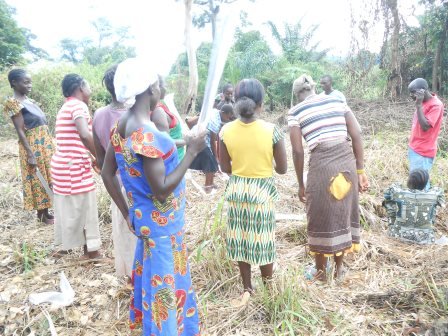
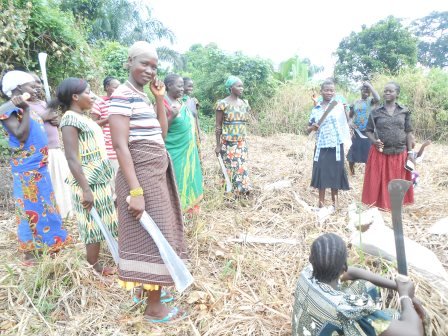
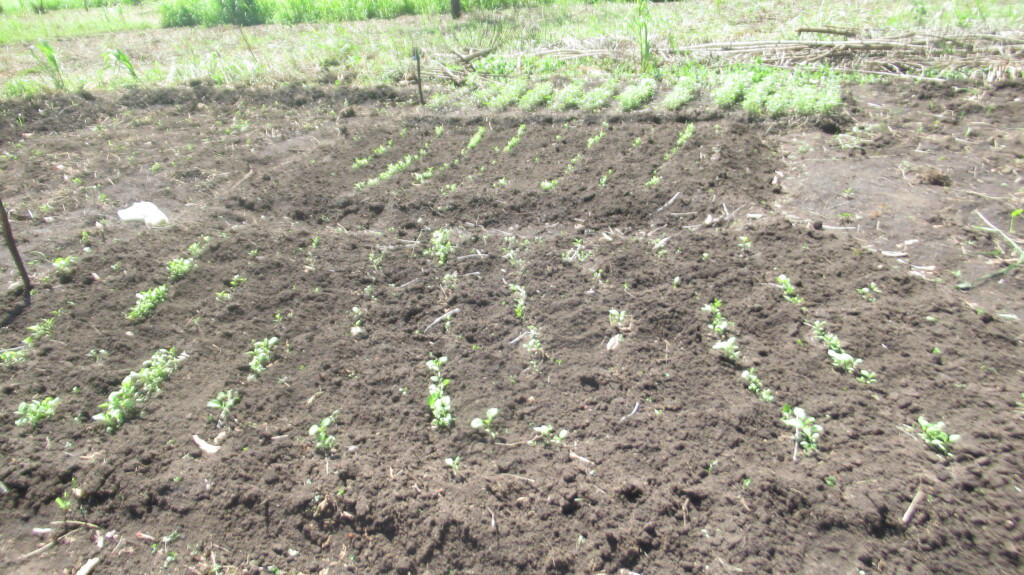
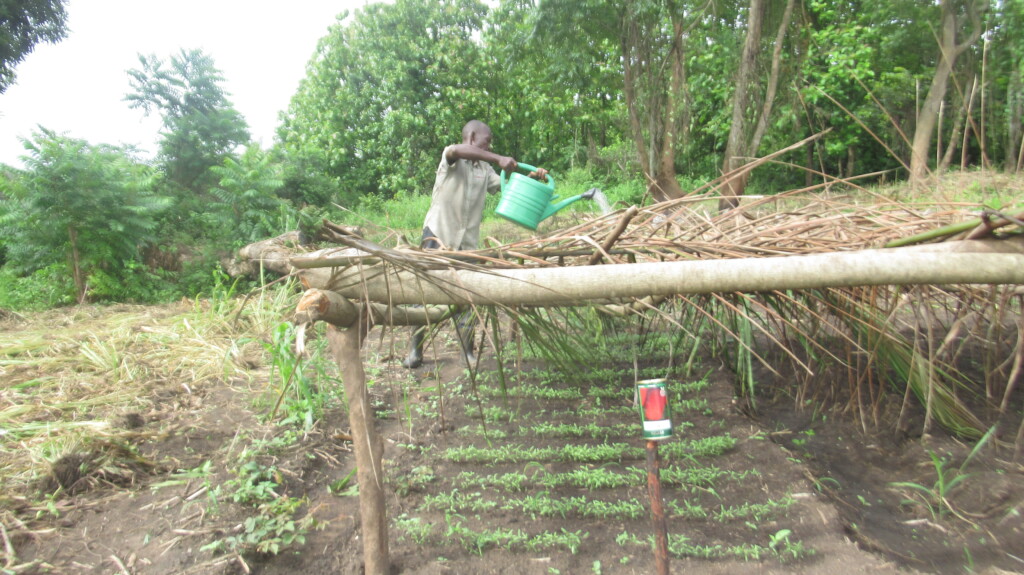
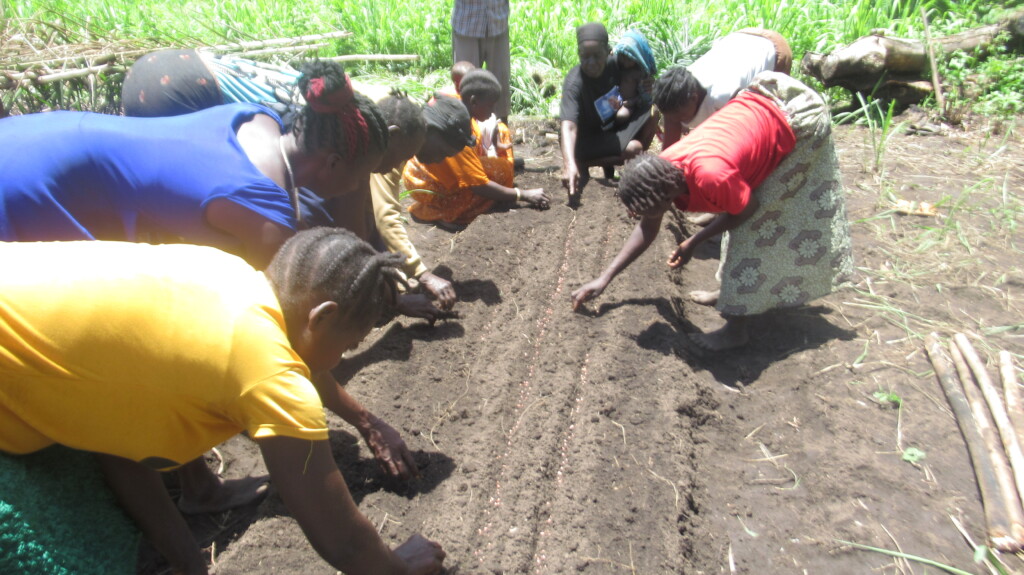
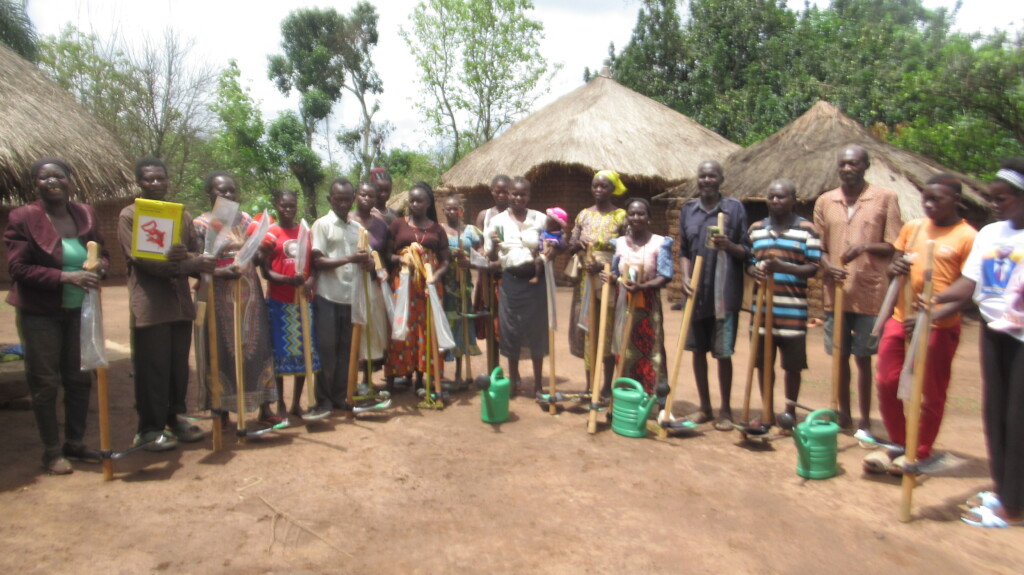
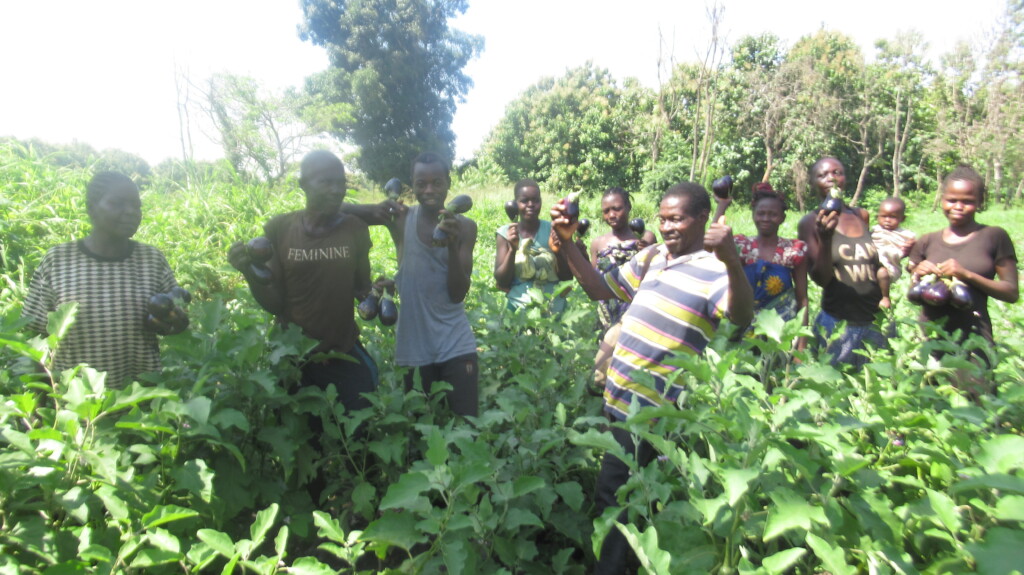
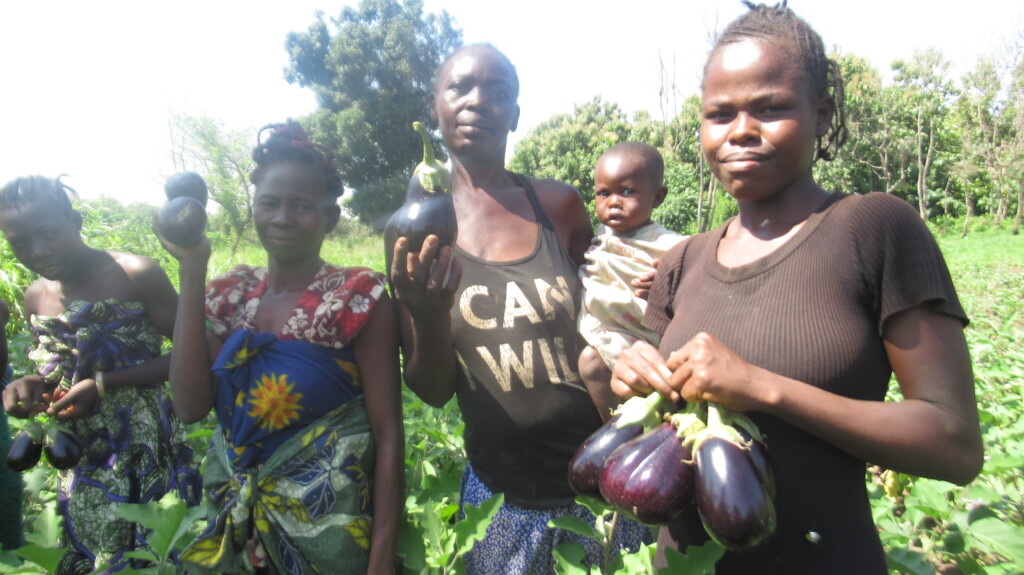
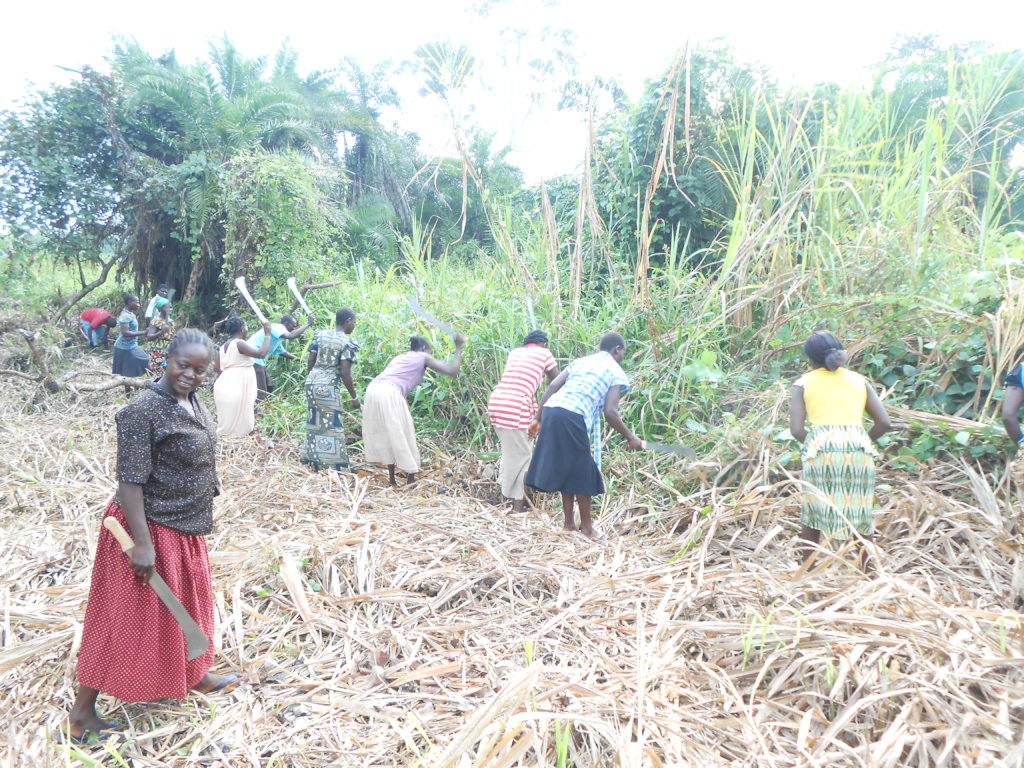
Through CSD, four groups of women and youth have been organized to engage in sustainable agriculture practices. They cultivate vegetables, plant fruit trees, and practice mixed cropping to earn an income but at the same time conserve soil fertility. Group member Miss Margaret explains that she gained knowledge about spacing and intercropping practices and has planted tomatoes to earn income immediately and avocado trees for long-term gains. The members get training on selecting seeds, making compost, and water conservation and exchange information on marketing and use of farm equipment. Mary is very grateful to be part of such a group, as proceeds from sales of crops helped pay for her medical bills and those of her children.
To our esteemed benefactors, CSD humbly requests your financial support for the continuation and expansion of our women and youth empowerment project. By contributing, CSD will be able to continue developing the capacity of these poor women, enabling them with practical life skills, agricultural knowledge, and entrepreneurial activities that allow them to lead healthy and productive lives. CSD creates leadership qualities in them, improves their family and community relations, and makes them economically self-reliant through group activities and input support. The donations will finance their trainings, provision of seeds and other materials, demonstration plots, and mentoring that help them earn quick income and build assets. By partnering with us, you change lives by making these poor women financially independent, able to meet their basic requirements, educate and take care of their children. Please come and support our work so that we can continue scaling up activities that are helping vulnerable women to sustain their livelihoods and restore their dignity.
We remain grateful and thanking you very much.
Project reports on GlobalGiving are posted directly to globalgiving.org by Project Leaders as they are completed, generally every 3-4 months. To protect the integrity of these documents, GlobalGiving does not alter them; therefore you may find some language or formatting issues.
If you donate to this project or have donated to this project, you can receive an email when this project posts a report. You can also subscribe for reports without donating.



Support this important cause by creating a personalized fundraising page.
Start a Fundraiser