By Chiaki Furukawa | Senior Managing Director
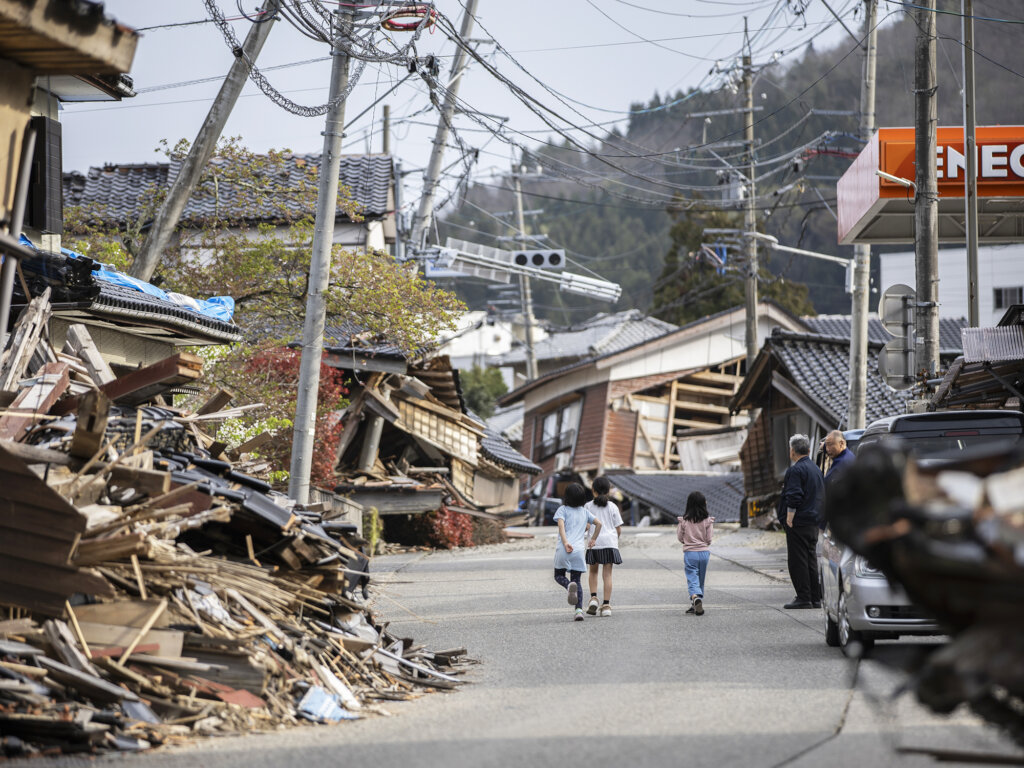
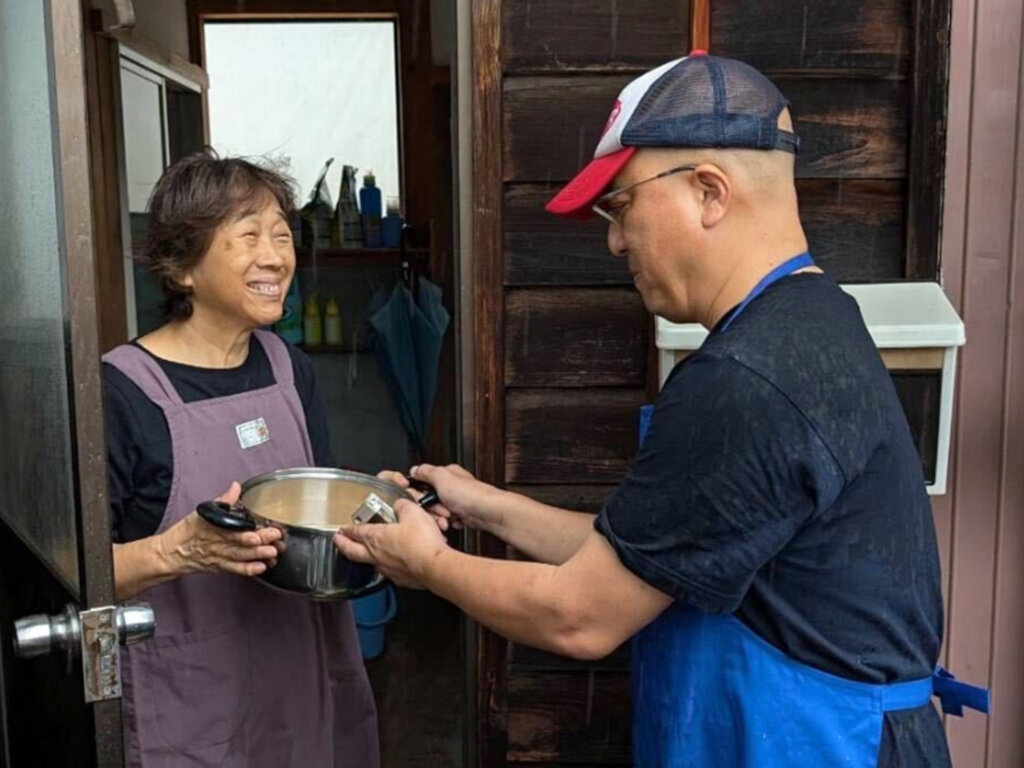
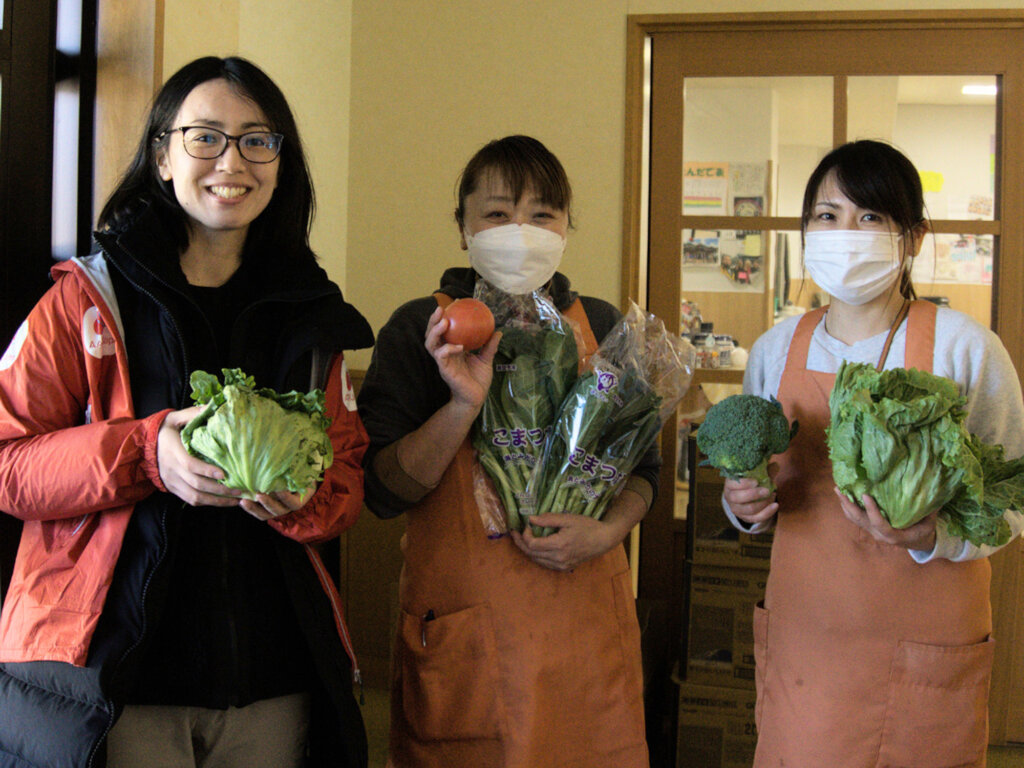
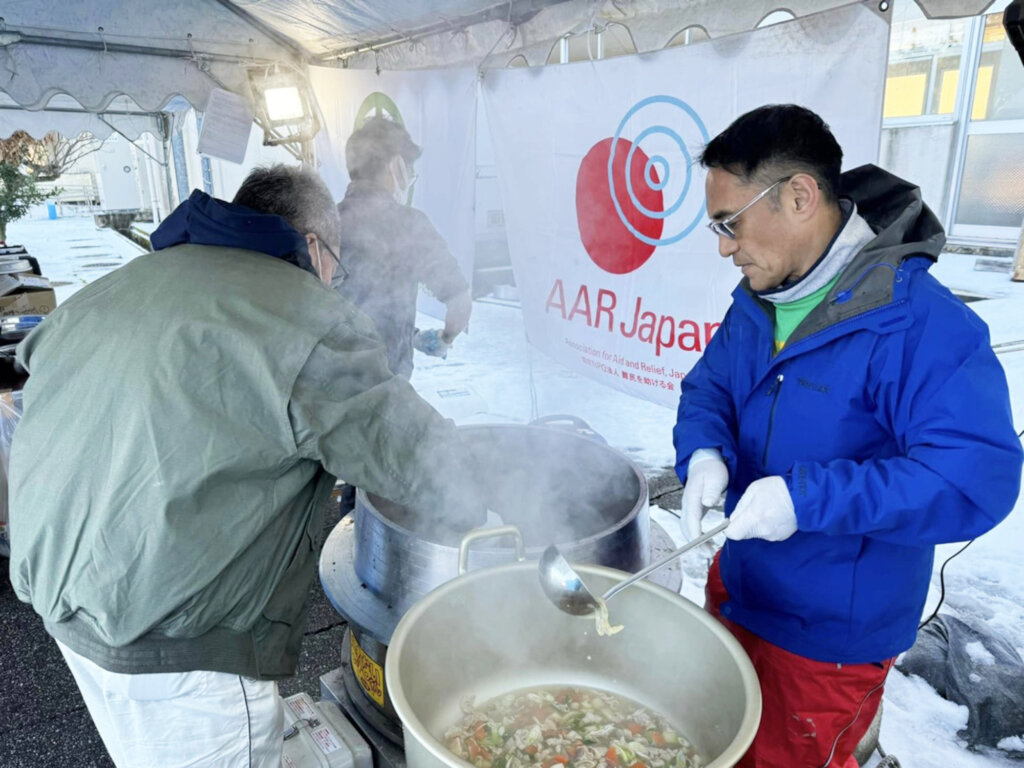
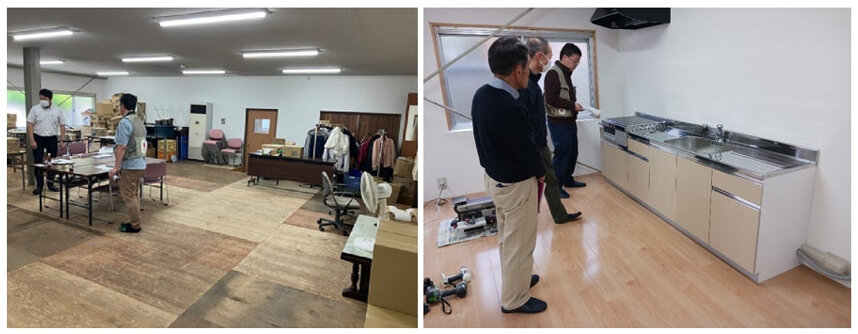
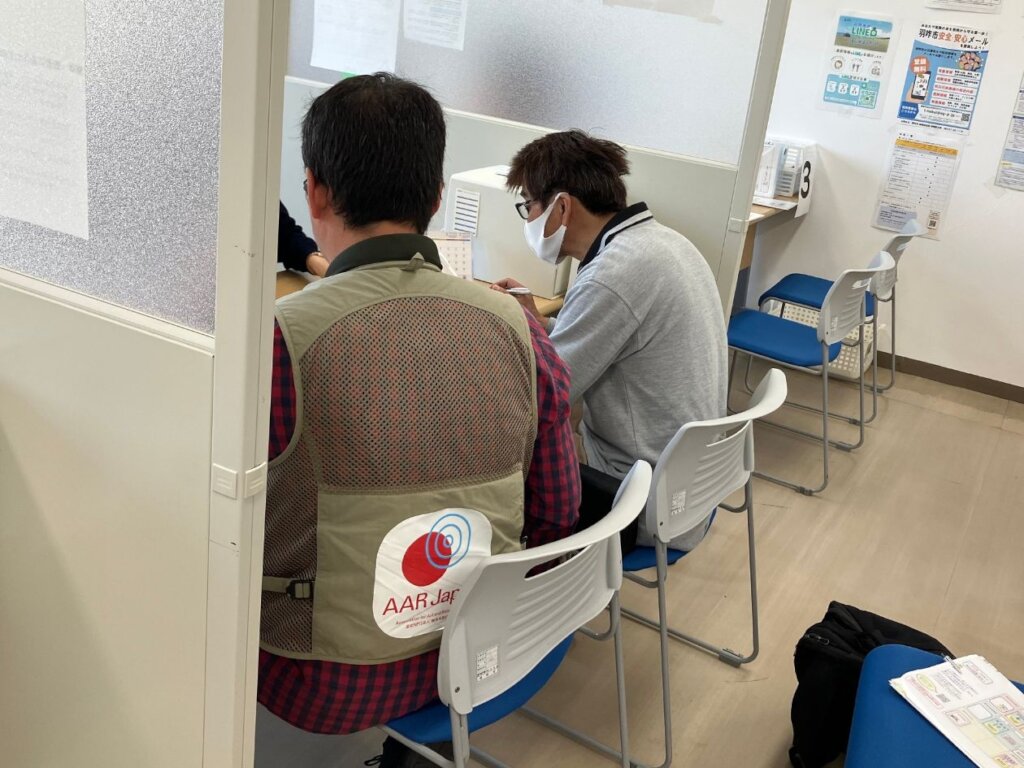
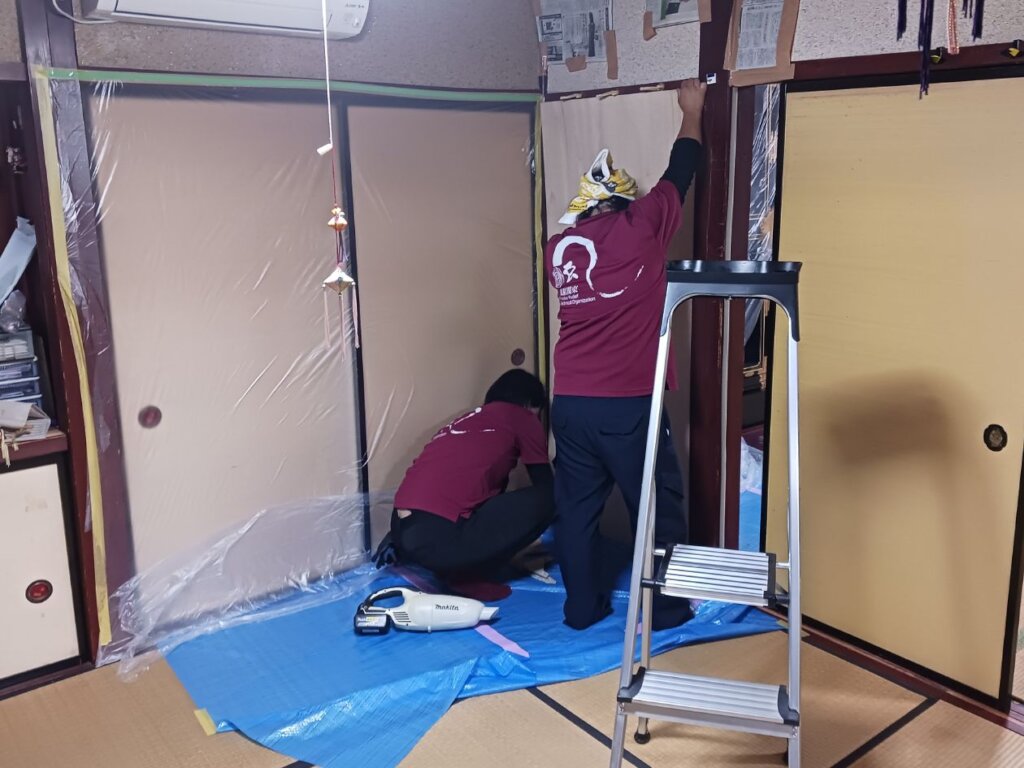
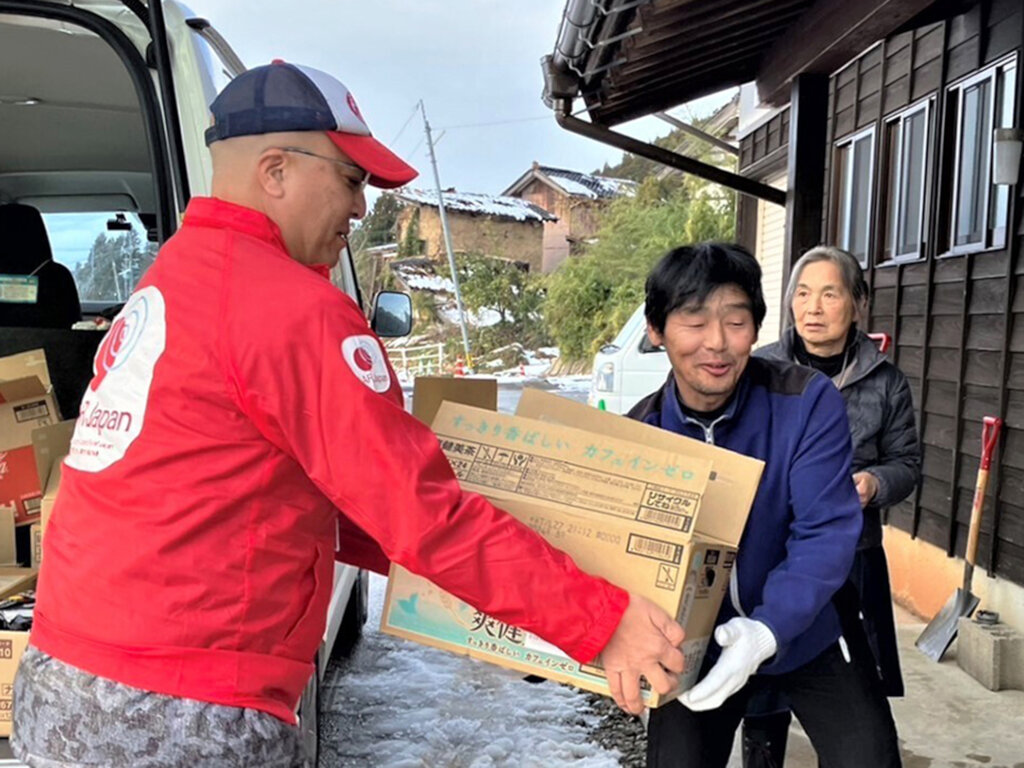
Since September 2024, AAR Japan (Association for Aid and Relief, Japan) has been running social gathering salons for disaster survivors at temporary housing sites and community centers in Shika Town (Hakui District), Nanao City, and Wajima City in Ishikawa Prefecture, areas affected by the Noto Peninsula earthquake. Currently, these activities are centered in Shika Town, targeting residents who have stayed in their own homes instead of moving into temporary housing—a group that tends to receive less support.
Providing "Community Gatherings" for Residents Living at Home
Shika Town once had several community gathering spaces run by residents, but after the earthquake, a decline in the local population due to evacuation made it difficult to sustain them. In addition, most disaster-relief support programs are designed for people living in temporary housing, leaving limited activities available for those continuing to live in their own homes.
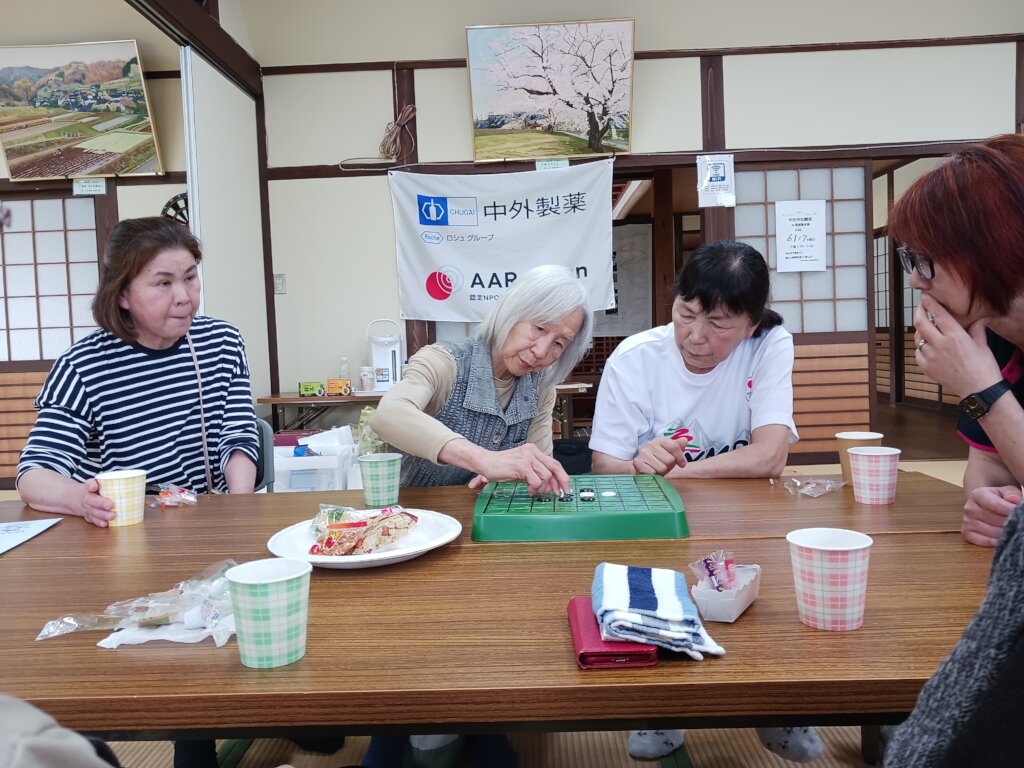
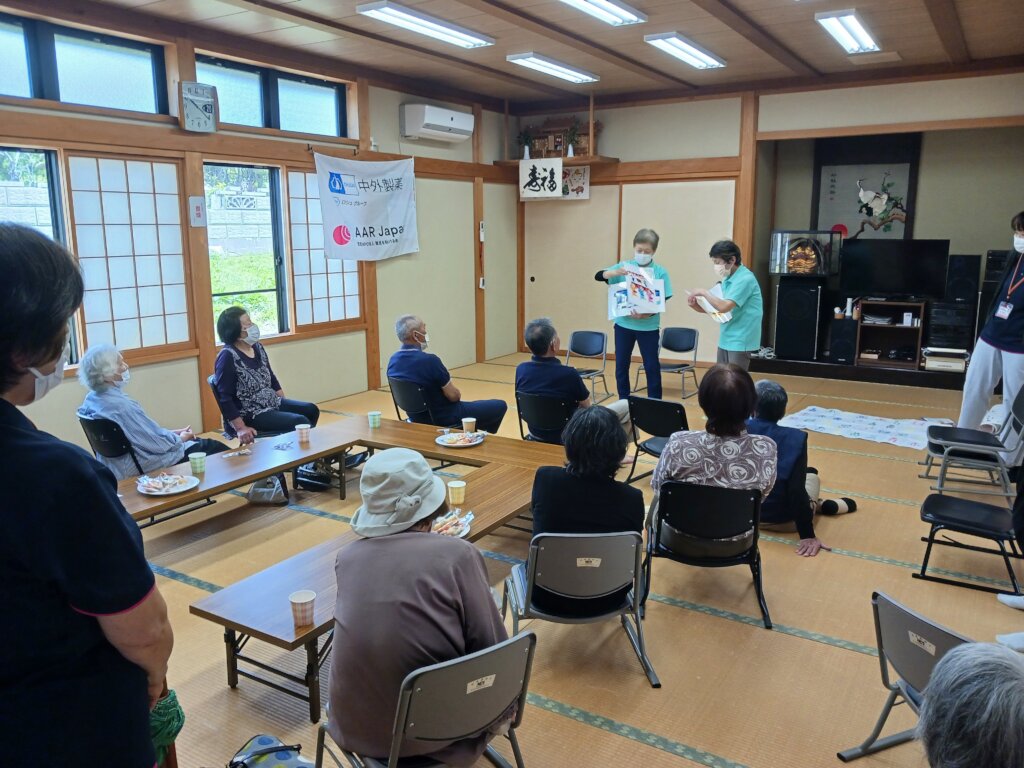
To prevent the social isolation of survivors, AAR is working with Shika Town's Health and Welfare Division and the local Council of Social Welfare to create "community gatherings" where residents living at home can come together and talk. Health classes and similar events, drawing around 20 residents, are held regularly at community centers, with AAR providing services such as acupressure massage and disaster-preparedness talks. The massage services are provided by a visually impaired practitioner who lost his job at a hot spring inn in Wakura Onsen, Nanao City, due to the earthquake.
"I'm Looking Forward to Coming Again"
Participants have shared comments such as "The massage made me feel so much better," " It's important to have opportunities to get together and chat with others.," and "I'm happy to be able to move my body in ways I don't usually do, and to see and talk with people from the neighborhood."
A woman in her 80s who joined a salon in Shika Town said that she was also affected by the 2007 Noto Peninsula earthquake. She had repaired her house and continued living there, but the 2024 earthquake damaged it again, this time receiving a "half-destroyed" assessment. She said, "I've repaired the parts of the house I need for daily living, but since I live alone, the areas I don't use regularly have been left unrepaired. Contractors are so busy that even the roof hasn't been fixed yet”, showing that Noto's recovery is far from over. Speaking about the salon, she smiled and said, "It's fun being in a lively place, and I'm looking forward to coming again."
This activity is being carried out thanks to donations from supporters, as well as support from Chugai Pharmaceutical Co., Ltd. AAR will continue providing support tailored to the needs of the people affected by the Noto Peninsula earthquake.
Links:
By Chiaki Furukawa | Senior Managing Director
By Chiaki Furukawa | Senior Managing Director
Project reports on GlobalGiving are posted directly to globalgiving.org by Project Leaders as they are completed, generally every 3-4 months. To protect the integrity of these documents, GlobalGiving does not alter them; therefore you may find some language or formatting issues.
If you donate to this project or have donated to this project, you can receive an email when this project posts a report. You can also subscribe for reports without donating.



Support this important cause by creating a personalized fundraising page.
Start a Fundraiser