By Japan Heart | Project Leader
Overview
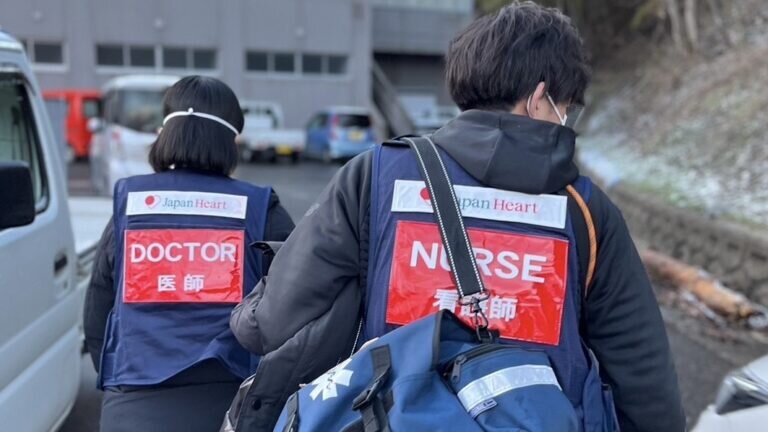
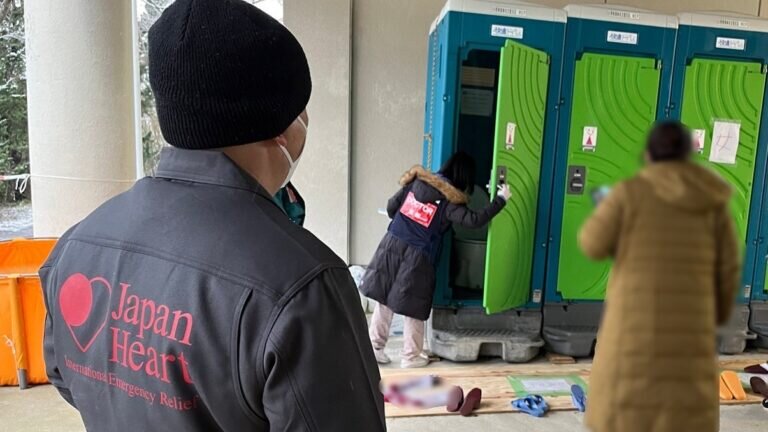
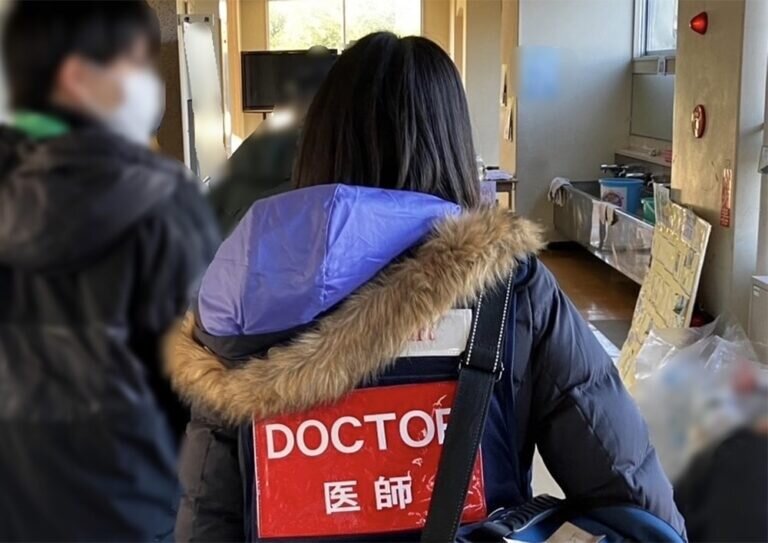
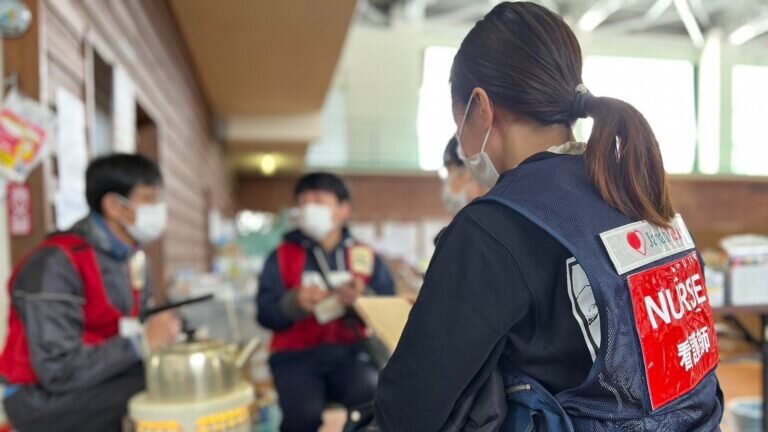
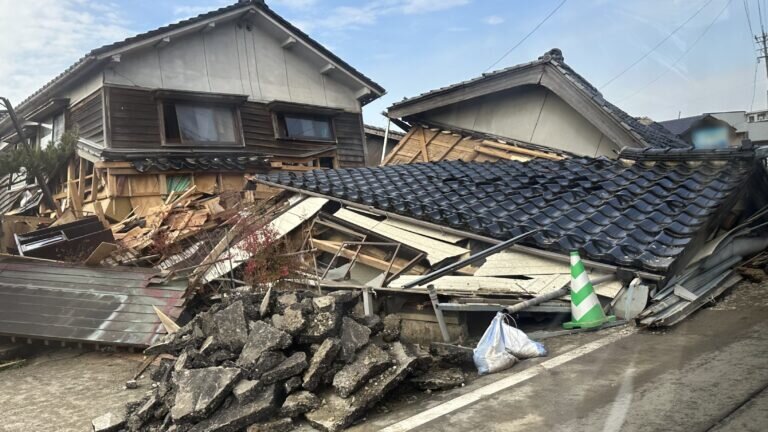
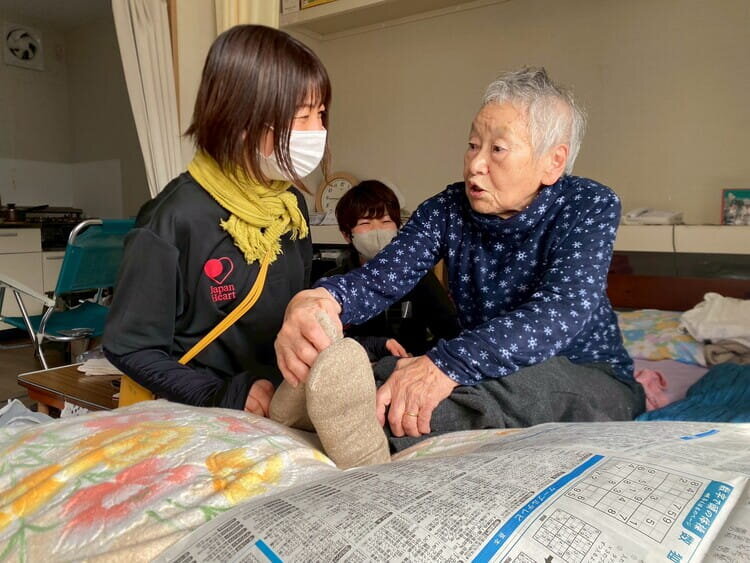
More than two years after the Noto Peninsula Earthquake, Japan Heart's Disaster Response and Preparedness Section (iER) has continued its long-term support in Noto alongside nationwide volunteer training efforts. During this period, activities spanned individualized home-visit support for survivors, community health checkups, disaster-preparedness education for the next generation, and volunteer training both in Japan and overseas.
Key Updates & Achievements
Logistics Step-Up Training
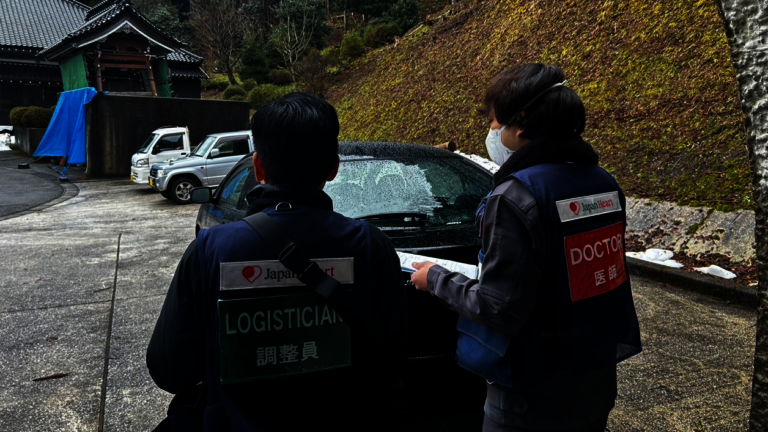
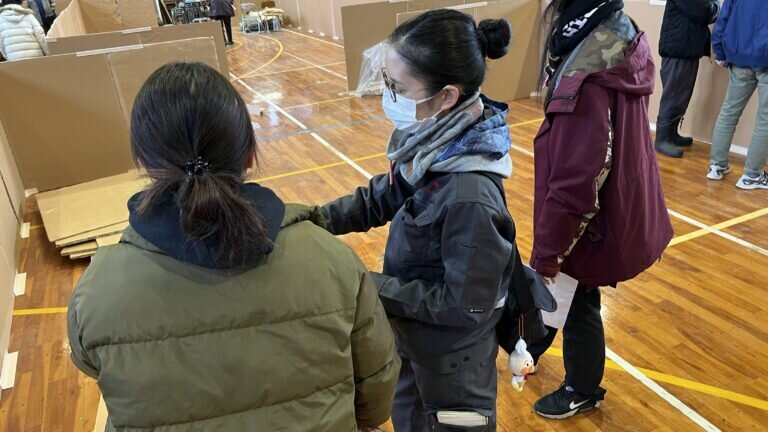
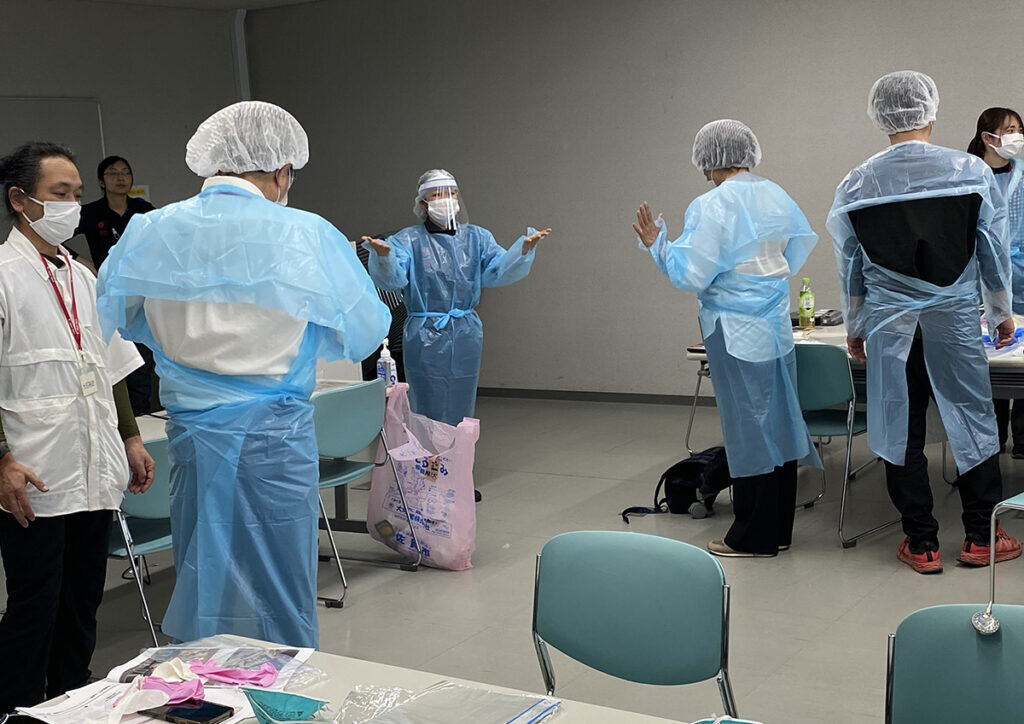
A training session was held for registered volunteers focused on logistics — the coordination work that supports disaster medical response from behind the scenes. Participants learned the process from initial deployment through advance and main team dispatch, practiced arranging transportation and lodging, and worked through case studies simulating evacuation shelter scenarios. In the afternoon, mostly non-medical participants practiced hands-on skills including putting on and removing PPE, hand disinfection, and assisting with sitting up and walking.
Achievement: The training deepened understanding of how coordination work — distinct from direct medical care — underpins the entire response effort, building field readiness among a wide range of participants, including those without medical backgrounds.
Participation in the 31st Japanese Association for Disaster Medicine Conference
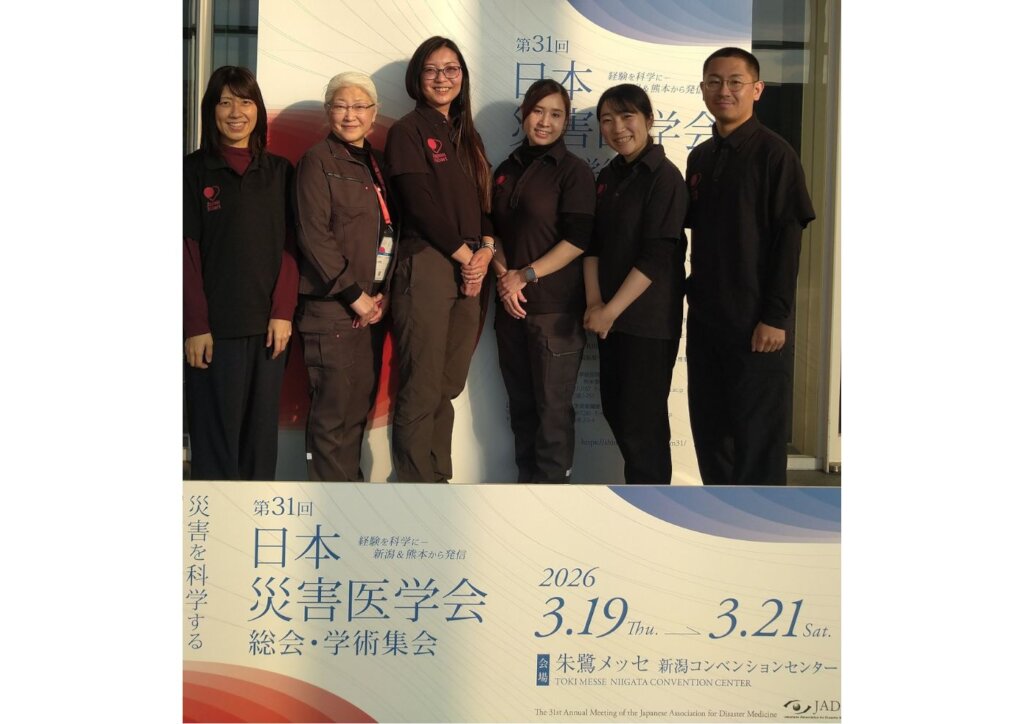
Staff and volunteers attended the Japanese Association for Disaster Medicine's annual conference in Niigata, presenting on Japan Heart's response to last year's Myanmar earthquake as well as its ongoing home visit rehabilitation activities following the Noto Peninsula Earthquake. Presentations at the conference highlighted rising rates of secondary health issues, such as vascular disease, in the years following a disaster — reinforcing the importance of the team's continued health monitoring work in Noto. The team also staffed an exhibition booth, exchanging information with other organizations and companies.
Achievement: The conference provided valuable academic insight while reaffirming the importance of Japan Heart's long-term health support work in Noto.
Supporting a Survivor's Wish to Stay Home: One Man's Story
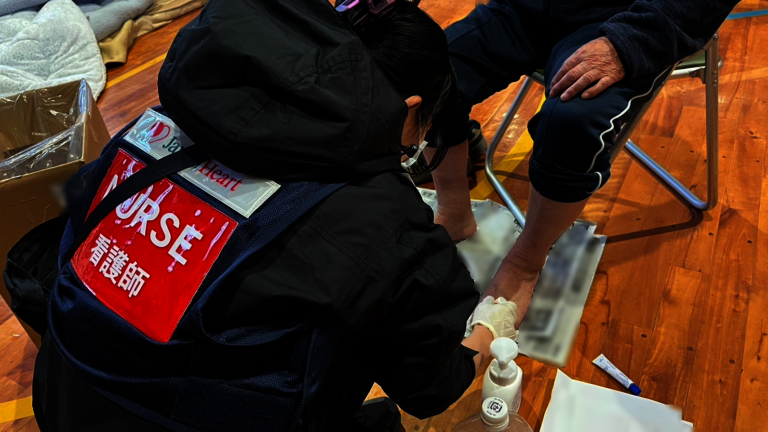
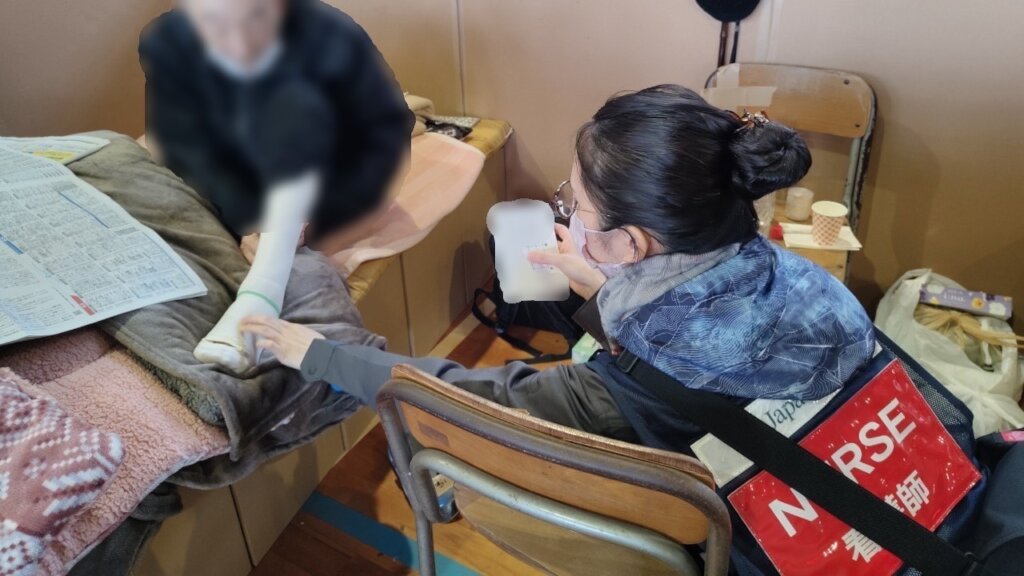
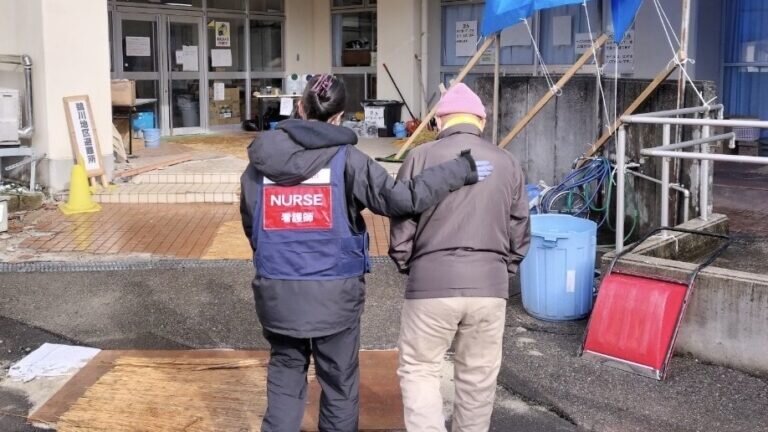
For more than two years, a team of doctors, nurses, and an occupational therapist provided ongoing home-visit care, in coordination with a local public health nurse, for a man living with home oxygen therapy. As his condition progressed, the team introduced rehabilitation, mobility aids, and modified meals — while honoring his wish to remain in the temporary housing where he had lived his whole life. The team worked patiently to gain his trust, eventually introducing a home bathing service and hospital bed, and continued to support him and his family through to the end.
Achievement: Through coordinated medical, caregiving, and community support, the team was able to honor the man's wishes and support his chosen way of living until the very end.
Disaster Volunteer Training in Saga Prefecture
A two-day training program was held for residents of Saga Prefecture, covering disaster fundamentals, logistics, understanding survivors' experiences, the Sphere Standards, and a shelter management simulation (HUG). Nine participants took part, including medical professionals, local government staff, teachers, and students.
Achievement: The training extended foundational disaster-response knowledge to people from a wide range of professions, growing the network of individuals prepared to respond in future disasters.
Health Checkups in Monzen, Wajima City
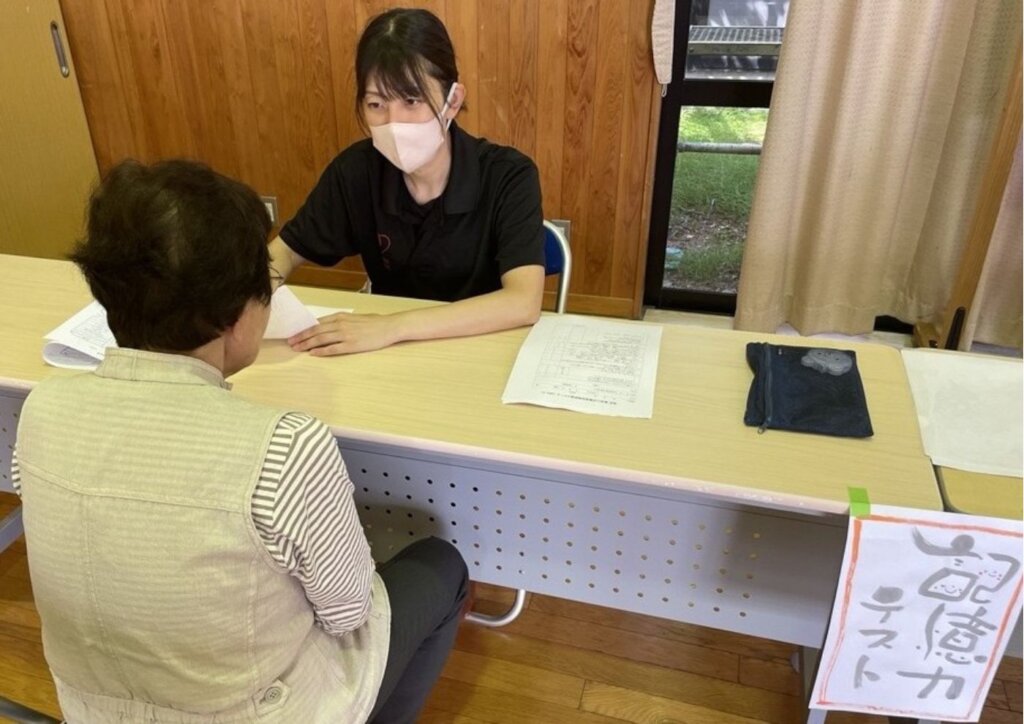
In partnership with the local Council of Social Welfare, the team held health checkups at two community centers in Monzen, Wajima City — the second such event following one held the previous November — welcoming a total of 58 participants. Screenings included ultrasound and ECG testing, physical function assessments, and cognitive evaluation. One case of deep vein thrombosis (DVT) and one case requiring further examination were identified and referred to local medical providers.
Achievement: The checkups supported early detection aimed at preventing "preventable deaths," while also serving as a space for community members to reconnect, in one case after more than two years apart.
Overseas Training in Cambodia
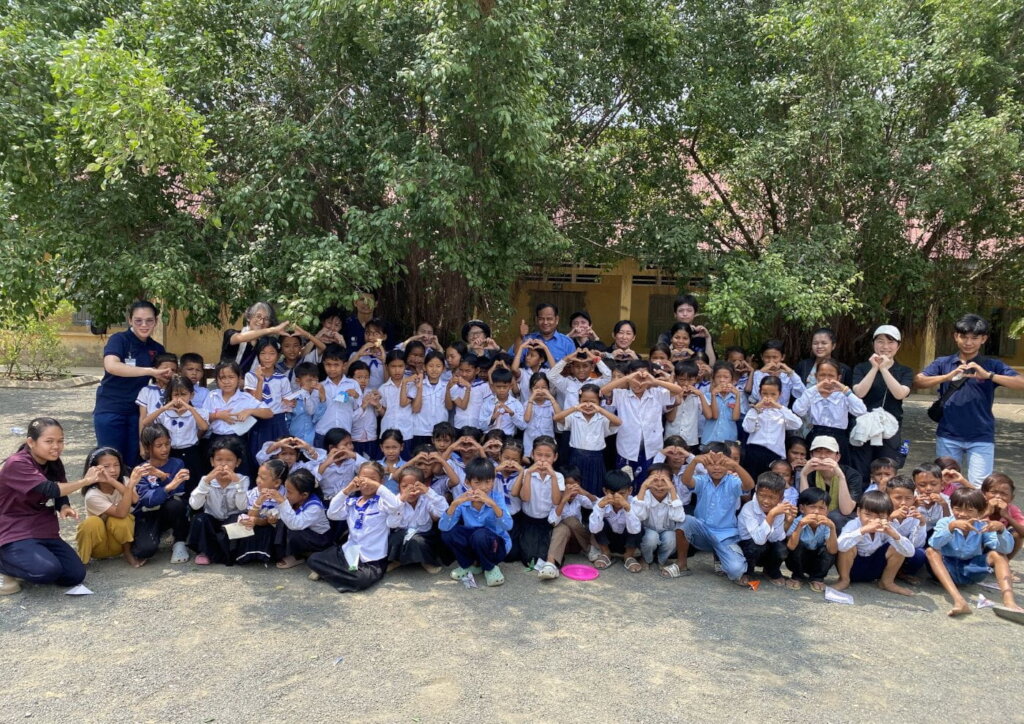
The team conducted health checkups for children at Prek Kra Elementary School, located about two hours from Japan Heart Asia Children's Medical Center, working alongside local hospital staff. Operating with limited resources and infrastructure gave participants hands-on experience building teamwork with local colleagues and adapting to constraints similar to those found in disaster settings. A dental checkup was added in the second round of the program. Across both rounds, a total of 341 children received checkups.
Achievement: The training provided valuable experience operating in resource-constrained environments abroad, while highlighting how much groundwork relationship-building requires in an actual disaster response.
BLS Training for Junior and Senior High School Students in Noto
With support from Kokushikan University's Research Institute of Disaster Management and Emergency Rescue, the team held basic life support (BLS) training at Matsunami Junior High School in Noto Town and Iida High School in Ishikawa Prefecture — the sixth and seventh schools reached since this initiative began in February 2025. Matsunami Junior High, set to close next spring, requested one final training session, and the team learned that equipment donated in an earlier visit had since been shared with a neighboring school.
Achievement: Beyond teaching life-saving skills, the sessions offered career education in medical and emergency professions, extending the reach of the program to the next generation in the community.
Medical Step-Up Training on DVT Screening
A training session for registered volunteers covered the fundamentals of deep vein thrombosis (DVT) and lower-limb ultrasound screening. DVT, widely known as "economy class syndrome," affects roughly 2% of the general population but has been reported to rise to 10–30% among disaster evacuees. Combined with hands-on practice using portable medical equipment, the training aimed to build a workforce capable of accurate assessment and response in the field.
Achievement: The training strengthened the team's capacity for DVT screening across all phases of a disaster response, contributing to broader efforts to prevent disaster-related deaths.
Impact
More than two years after the earthquake, some residents of Noto continue to need medical and daily living support. iER's work extends well beyond the acute response phase, sustaining long-term health support, workforce training, and community partnerships that help prevent "preventable deaths" and support residents in living life on their own terms.
Call to Action
As time passes, the challenges facing disaster survivors often become harder to see — but no less real. Continued support is essential to sustaining this long-term care.
Acknowledgement
More than two years after the Noto Peninsula Earthquake, your continued generosity allows us to keep standing beside those affected.
Responding to a disaster means more than acting in the first days — it means staying present as challenges become less visible over time. That is only possible because of your ongoing understanding and support.
Thank you, sincerely, for your continued generosity. We remain committed to supporting all those who need it, today and in the years ahead.
Project reports on GlobalGiving are posted directly to globalgiving.org by Project Leaders as they are completed, generally every 3-4 months. To protect the integrity of these documents, GlobalGiving does not alter them; therefore you may find some language or formatting issues.
If you donate to this project or have donated to this project, you can receive an email when this project posts a report. You can also subscribe for reports without donating.



Support this important cause by creating a personalized fundraising page.
Start a Fundraiser