![]()
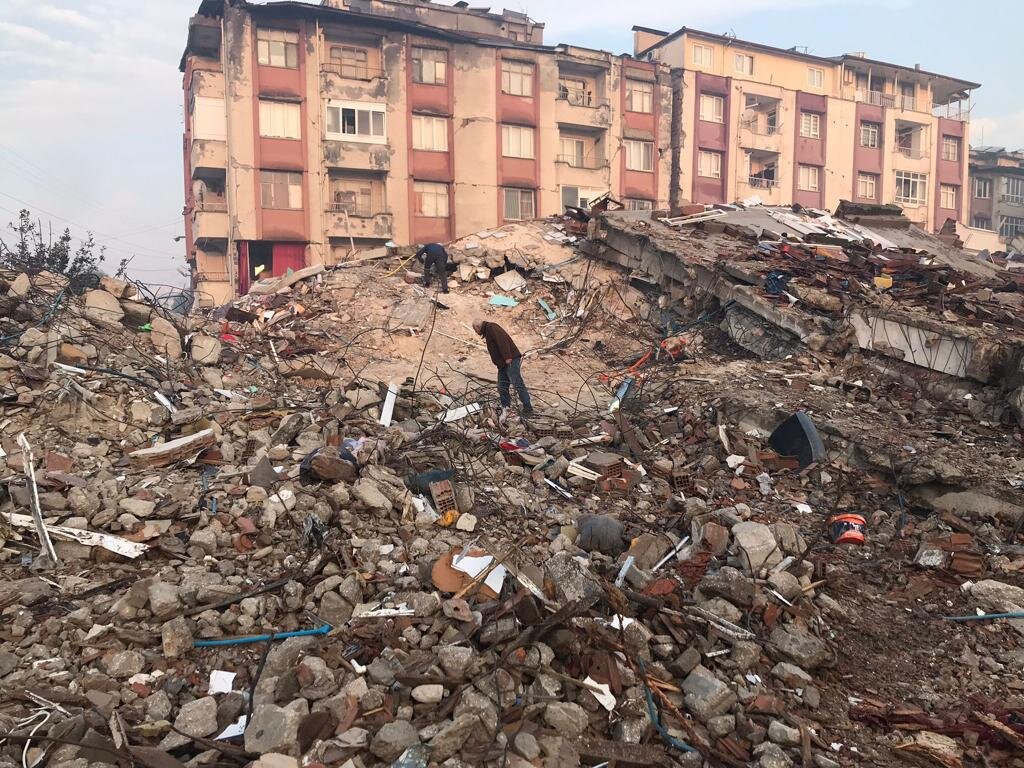
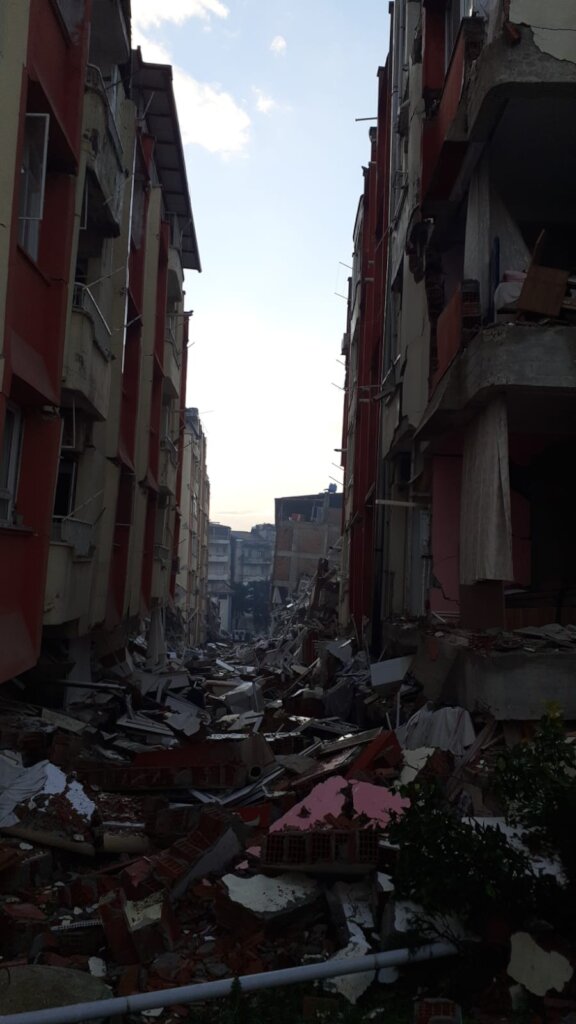
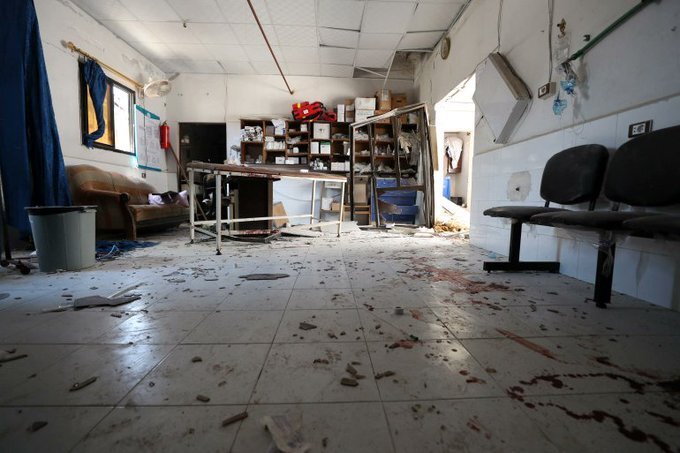
Six months after the terrible earthquake that struck southeastern Turkey and northeastern Syria on February 6, affecting 15 million people, the population is exposed to a new health risk due to the removal of debris causing asbestos and dust-related diseases and a possible long-term increase in the incidence of cancer. Doctors of the World is already observing an increase in conjunctivitis, allergic asthma and skin reactions, among others.
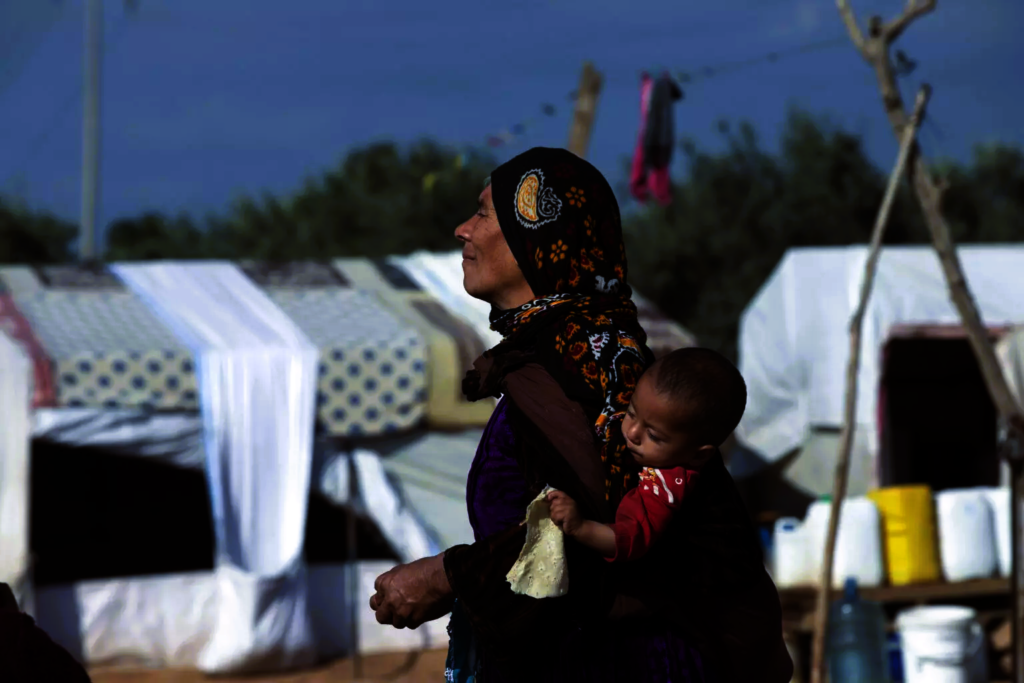
It has been six months since the earth shook leaving 59,259 people dead, 121,704 injured and 297 missing in both Turkey and Syria. Now the heat and lack of clean water favor the reproduction of microorganisms and insects, leading to an increase in cases of scabies and gastroenteritis. The situation is accentuated by overcrowding, as people have been re-housed in tents and containers since the earthquake, something that increases the risk of epidemics such as typhoid fever, cholera and tuberculosis.
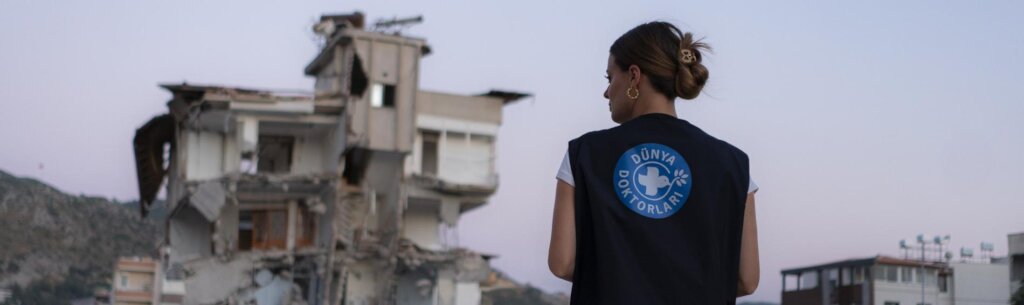
"With the warming of the climate, buildings that were severely damaged and at risk of collapse began to be gradually demolished. As a result of this demolition process, the threat of asbestos emerged. Asbestos is a hazardous material and harmful to human health. A study conducted by the Chamber of Environmental Engineers of Turkey found asbestos in about every second building. This poses a serious danger to people, especially in this area," warns Doctors of the World field emergency manager in Hatay, Cuma Ali Özbek.
"The increase in upper respiratory disorders persists and our mobile teams continue to provide primary care services both in rural areas and in the center to try to alleviate the situation," explains the head of this emergency.
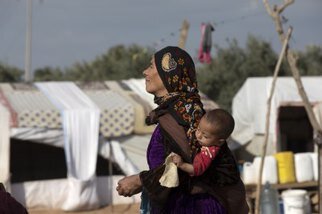
Women and children are a particularly vulnerable group and suffer disproportionately from these catastrophes: they take care of their extended families, look for food, cook, cook, wash, clean, etc. In addition, 356,000 pregnant women have been identified in the earthquake-affected areas and 39,000 of them are expected to give birth in the coming weeks. The lack of toilets and cleaning facilities, for example, are a major source of distress in this regard.
"Based on the assessments of our mobile teams as part of our activities on the ground after the earthquake, we observed that especially women and children have difficulty accessing various services and have trouble creating private spaces for themselves," explains Cuma Ali.
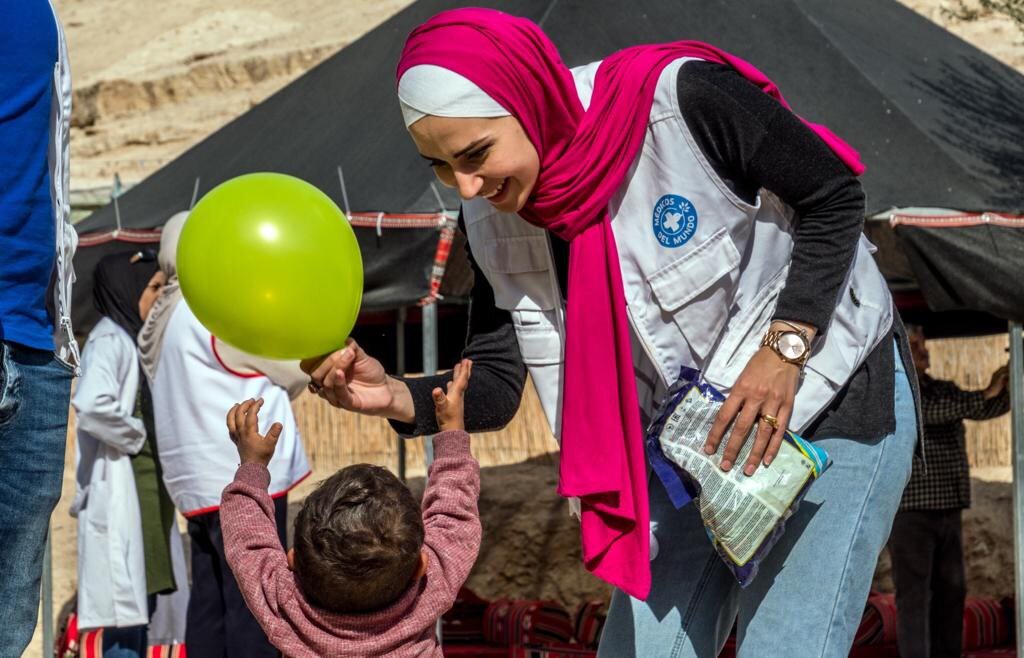
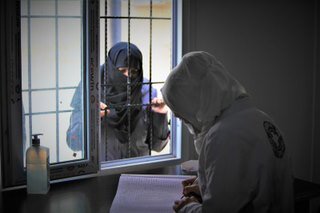
In response to this situation, Doctors of the World has created safe spaces. Here, people can benefit from a wide range of services, such as psychosocial support, protection services, sexual and reproductive health services, medical check-ups, access to shower and laundry facilities, as well as hairdressing services. "This allows them to create a private space for themselves and feel comfortable and at ease while overcoming barriers to accessing these services," the emergency manager explains.
In the first days after the earthquake, Doctors of the World deployed medical teams to support the health system and alleviate the lack of primary care, as well as other specific health needs. Since February 2023, Doctors of the World has supported more than 100,000 people. The NGO has reached 17,000 people in the Hatay and Antakya region of Turkey with more than 12,000 medical consultations and individual and group psychosocial support sessions. It has also provided primary care services to more than 83,000 people in Afrin and Idlib, Syria. The organization now wants to expand its services in the region, including increasing the number of safe spaces, in collaboration with the Turkish Ministry of Family and Social Policies and the Ministry of Health.
In Syria, where Doctors of the World Spain works in the northeast of the country with population also affected by the earthquake, the NGO has responded to the needs in the city of Kobane and its surroundings with the deployment of medical, nursing, pharmacy, psychology, community workers, etc., also helping to raise awareness among the population about the health problems caused by the earthquake.
![]()
![]()
![Share on Twitter]()
![Share on Facebook]()