By Japan Heart | Project Leader
Overview
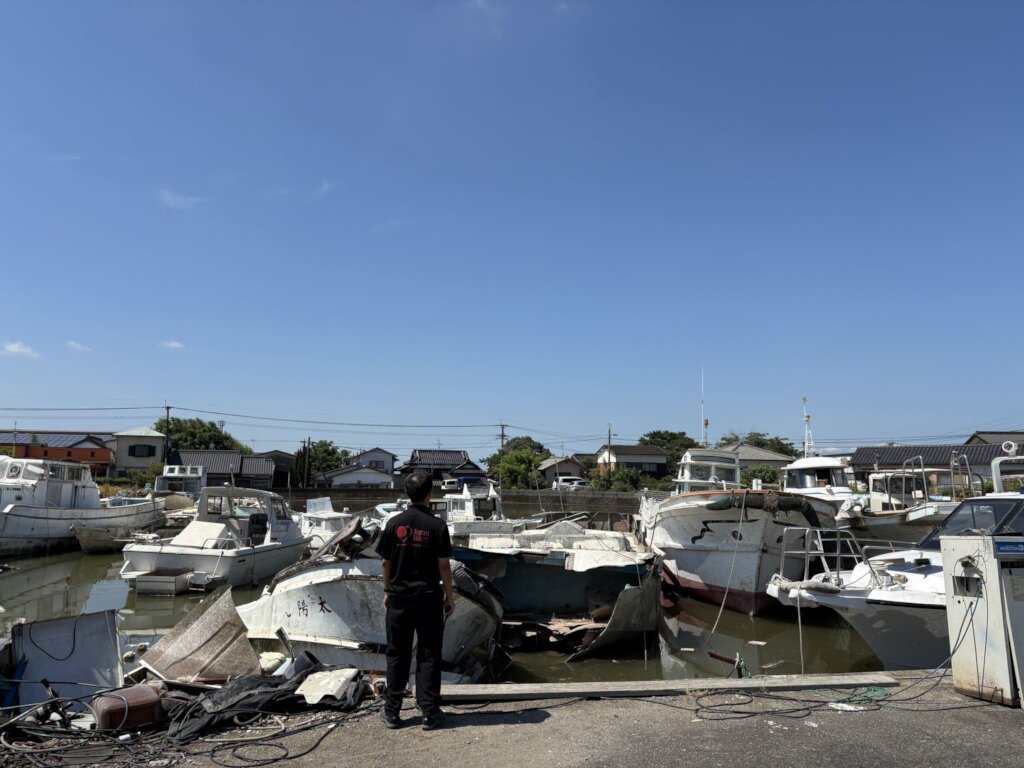
Following a magnitude-7 earthquake that struck the Kumamoto region of Japan on July 28, 2026, Japan Heart deployed a disaster medical support team to Yatsushiro City under a disaster response agreement signed with Kumamoto Prefecture in 2021. Over the following weeks, the team provided medical care, health monitoring, and daily living support to residents across multiple evacuation shelters, while coordinating closely with local public health officials and volunteer physicians.
Key Updates & Achievements
Deployment and Initial Response
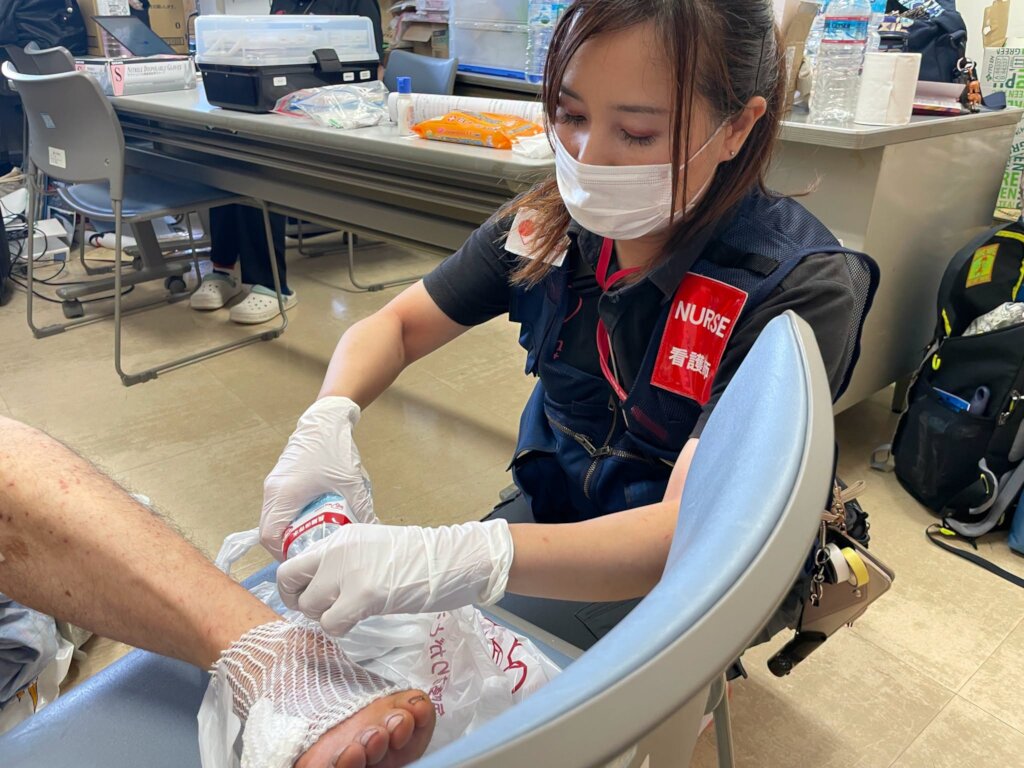
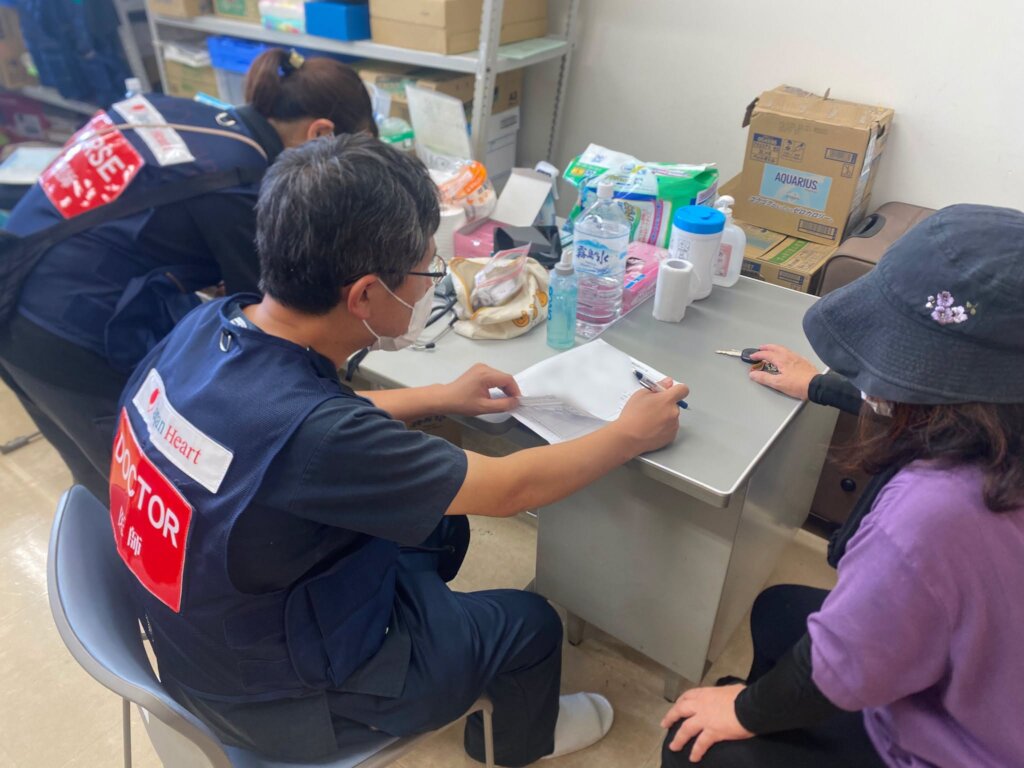
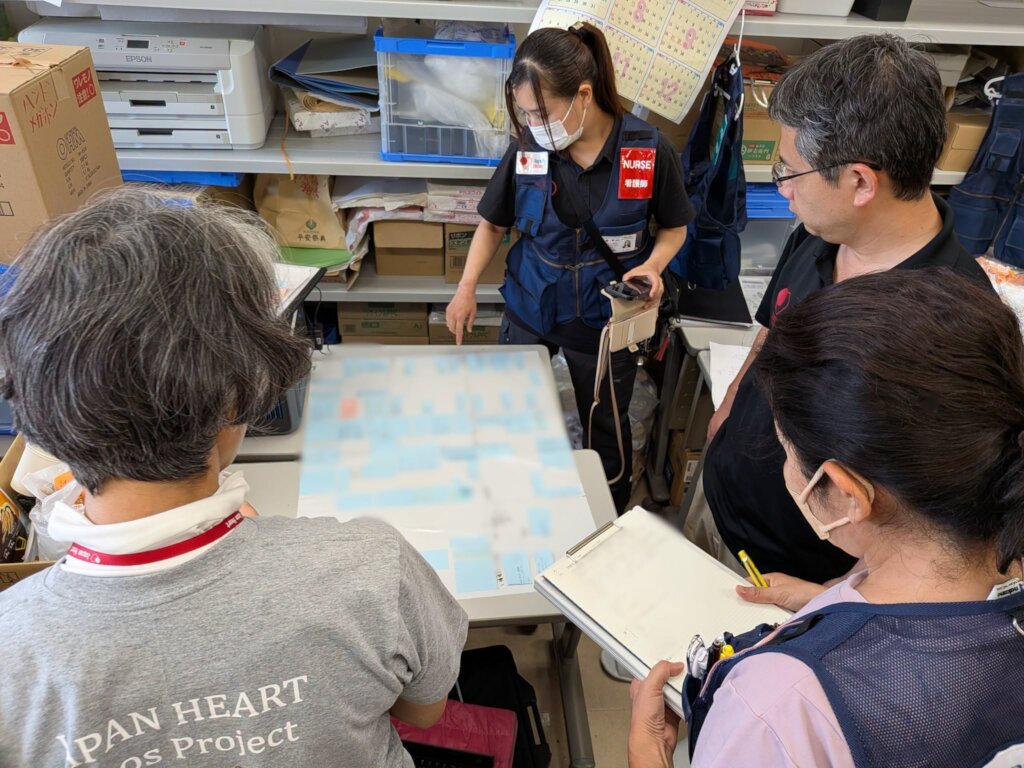
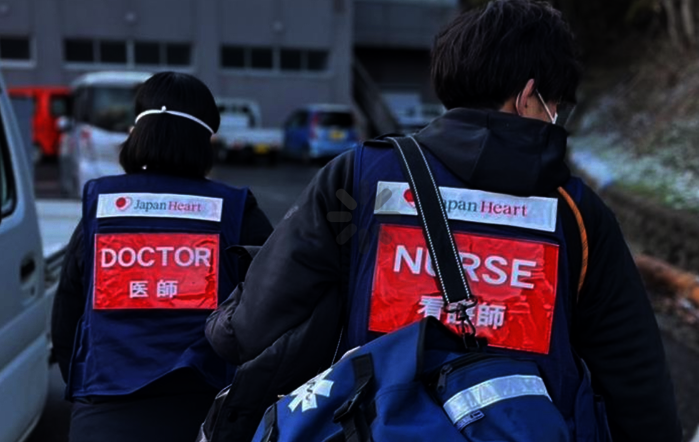
On the day of the earthquake, Japan Heart began assessing the situation after being alerted by a registered disaster volunteer nurse living in Yatsushiro City. An advance team and main response team were dispatched shortly afterward. Once on the ground, the team set up a medical consultation booth at the Ota-go Community Center, one of the city's evacuation shelters, providing medical support and supplies to residents, in addition to distributing supplies to other shelters across the city.
Achievement: The team was able to mobilize and establish operations rapidly, drawing on the prior disaster response agreement with Kumamoto Prefecture to coordinate care efficiently from the earliest stage of the response.
Establishing a Presence in Kagami-cho
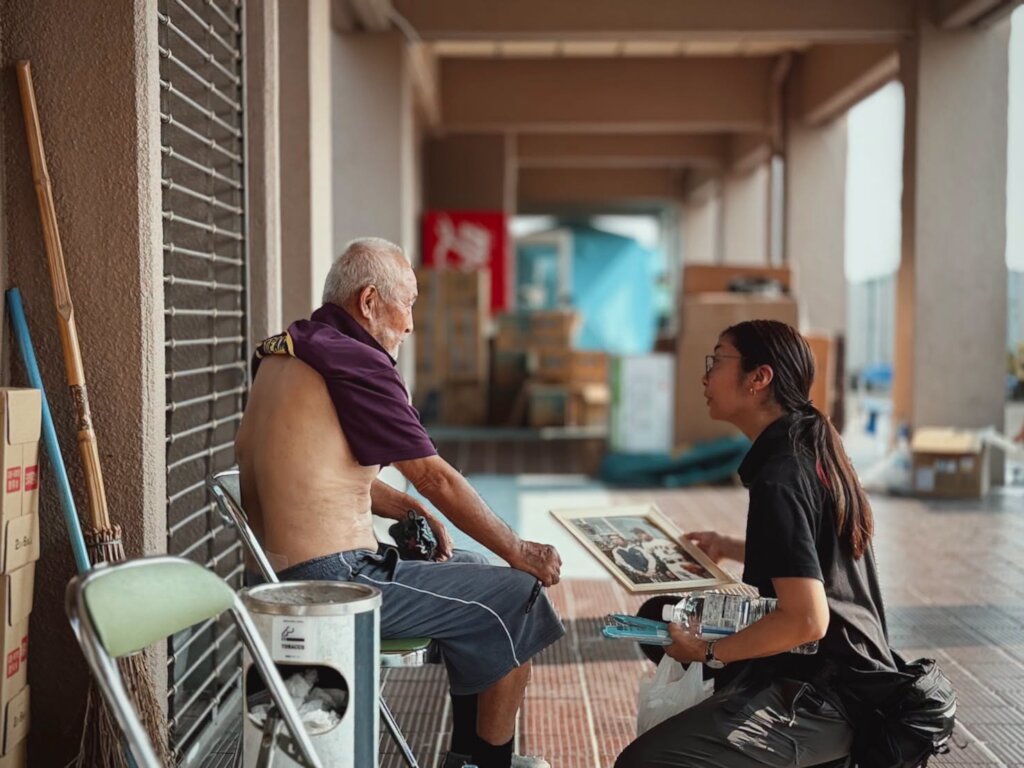
In addition to its ongoing presence at the Ota-go Community Center, the disaster medical support team established a second base of operations in Kagami-cho, Yatsushiro City. Volunteer physicians joined the team on the ground and began conducting individual home visits. In one visit, a resident's symptoms were assessed as non-urgent, offering reassurance to both the individual and their family. Amid ongoing heat, the team emphasized the importance of continued health monitoring within the shelters.
Achievement: The expansion to a second location allowed the team to reach residents who might otherwise have gone unchecked, including those not staying within the main shelter buildings.
Supporting Shelters Beyond Medical Care
Support extended beyond medical care to tasks such as assembling cardboard beds and cleaning shelter facilities — work that often falls into no one's clear area of responsibility within a shelter environment. Recognizing and stepping in to address these gaps was treated as an important part of the team's role. During this period, the team also responded to a request from a local public health nurse, sending a doctor and nurse to provide care at a separate evacuation site. By the fourth day after the earthquake, signs of accumulated fatigue among evacuees were becoming increasingly visible.
Achievement: By addressing both medical and practical daily needs, the team helped ease pressure on shelter residents and staff during a period of mounting exhaustion.
A Message From the Team Lead: "There Are Lives That Must Be Protected Right Now"
One week after the earthquake, Takahashi, head of Japan Heart's Disaster Response Section and the team lead on the ground, shared a message describing the situation. He noted that the period one to two weeks after a disaster carries heightened medical risk, particularly for those living in their cars rather than inside shelter buildings. Prolonged time spent in a car significantly raises the risk of economy-class syndrome (deep vein thrombosis) around four to five days after a disaster — a period identified as a leading cause of disaster-related deaths.
In response, the team distributed water to those living in their vehicles and encouraged regular movement and exercise. Portable ultrasound and ECG equipment were brought on-site, supporting doctors, nurses, and physical therapists in identifying health problems at an early stage. Beyond medical needs, practical challenges were also evident — a lack of refrigeration for food storage and continuing extreme heat above 40°C placed additional strain on daily life. The team operated in 24-hour shifts, living alongside evacuees within the shelter environment throughout this period.
Achievement: By identifying and responding to a critical window of elevated health risk, the team worked to reduce the likelihood of disaster-related deaths during one of the most vulnerable phases of the response.
Supplies for Daily Life
Beyond medical care, meeting residents' daily needs for food and rest was identified as essential to recovery. With donations of bread and other food items, as well as bedding, from corporate supporters, these supplies were delivered to the shelters where the team maintained a continued presence.
Achievement: Combining medical support with essential daily supplies allowed the team to address the needs of evacuees on multiple fronts.
A Physician's Account From the Field
Dr. Yoshiyuki, who supported the response on-site from August 1 to 4, shared a firsthand account of the early days of the operation. Arriving at a shelter in Yatsushiro City after 8 p.m. on August 1, he was met with patients requiring immediate and difficult clinical judgment, including several individuals with unclear responsiveness that could have stemmed from heatstroke or other causes. In the days that followed, he treated a wide range of cases: infected injuries from the earthquake, suspected fractures, possible tendon and ligament injuries, and patients who had lost access to their regular medications. Though blood tests and suturing were not possible in the field setting, the availability of ultrasound and ECG equipment allowed for more confident clinical assessment. This intensity of care continued through approximately August 3.
He noted that within the shelters, some residents lost the energy or awareness to recognize their own worsening condition. Nursing staff played an especially active role — organizing the shelter environment, proactively identifying residents in poor health, and connecting them with physicians for care. He described this outreach-based approach as the core of effective disaster medicine, and expressed deep respect for the many medical professionals who traveled to the disaster area despite the personal burden involved, as well as the organizations, including Japan Heart, that coordinated their efforts. He noted that Kumamoto was expected to require medium- to long-term support going forward.
Achievement: The proactive, outreach-driven approach adopted by the nursing and medical team contributed to early identification of health risks, helping to prevent disaster-related deaths during a critical period.
Impact
Across the weeks following the earthquake, Japan Heart's disaster medical support team combined direct medical care with practical daily support, reaching residents both inside evacuation shelters and in vehicles nearby. The response addressed both the acute medical risks of the post-disaster period and the everyday needs — food, rest, and basic supplies — that are equally critical to recovery.
Call to Action
As Kumamoto moves toward a longer recovery process, continued support remains essential to sustaining care for those affected.
Acknowledgement
We are deeply grateful for your continued support, which made this response possible.
Project reports on GlobalGiving are posted directly to globalgiving.org by Project Leaders as they are completed, generally every 3-4 months. To protect the integrity of these documents, GlobalGiving does not alter them; therefore you may find some language or formatting issues.
If you donate to this project or have donated to this project, you can receive an email when this project posts a report. You can also subscribe for reports without donating.



Support this important cause by creating a personalized fundraising page.
Start a Fundraiser