By Marline Grand Jean | Development Officer
Overview
The first quarter of 2026 was marked by a continued deterioration of the humanitarian situation in Haiti. Despite these challenges, teams across our network remained operational and continued to provide life-saving care, support vulnerable populations, and strengthen access to essential health services.
Responding to Growing Humanitarian Needs
The security situation continued to affect communities throughout several parts of Haiti, particularly in the Artibonite region.
In late March, attacks in the Jean-Denis area of Bas-Artibonite resulted in significant casualties, population displacement, and widespread destruction of homes and livelihoods. Local health facilities rapidly experienced a surge in emergency cases. Within less than twenty-four hours, the Hôpital Saint-Nicolas in Saint-Marc received numerous patients suffering from gunshot wounds requiring urgent surgical intervention.
Despite the sudden influx, medical teams maintained uninterrupted services and successfully managed all emergency admissions.
Bringing Health Services Closer to Displaced Communities
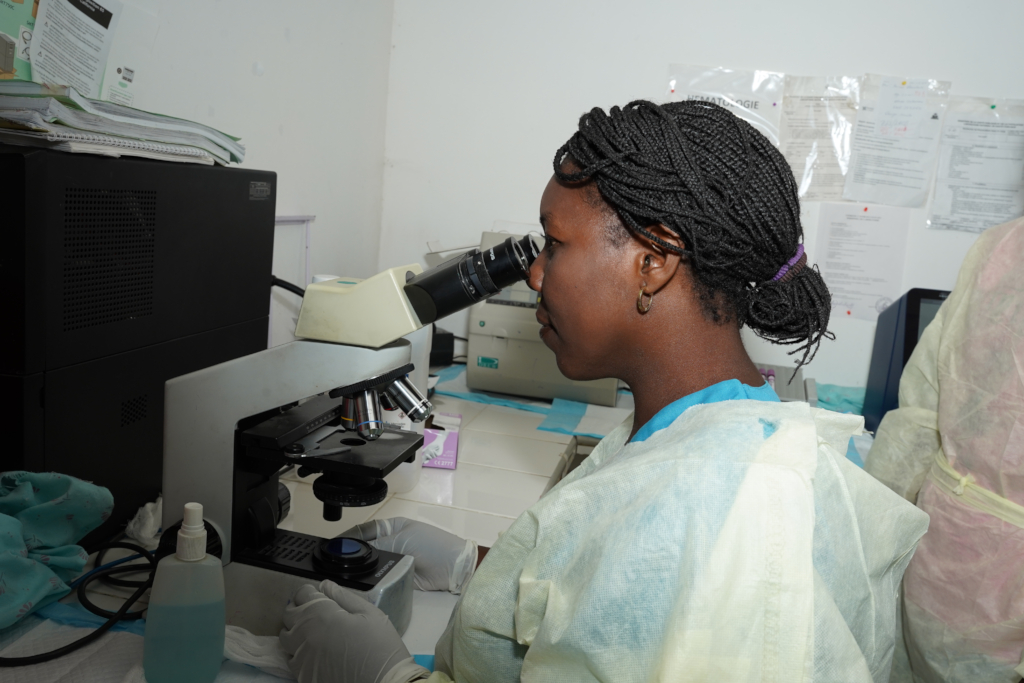
As displacement increased, mobile and community-based approaches became important to ensure access to healthcare. Medical teams conducted outreach activities in displacement sites and underserved communities, providing consultations, health education, disease screening, and referrals.
Efforts to maintain access to care also included continued support to remote communities. Teams adapted their approaches to ensure continuity of services despite difficult operating conditions.
Strengthening Emergency and Essential Health Services
Health facilities across the network continued to receive many patients during the reporting period. At Hôpital Saint-Nicolas in Saint-Marc alone, more than 1,600 emergency consultations were recorded during one single month.
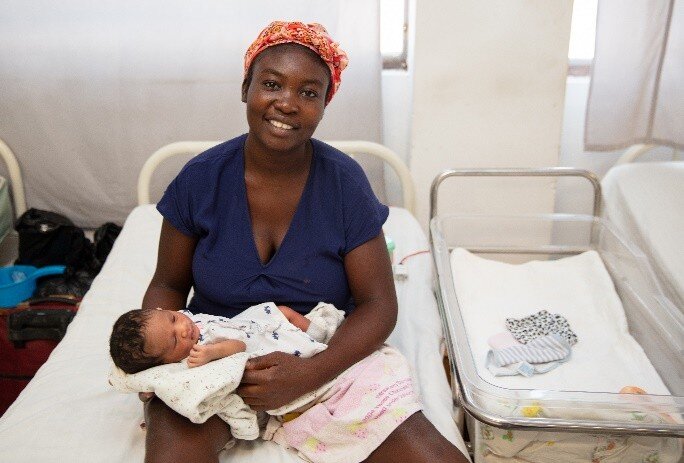
Investments continued to strengthen healthcare infrastructure and improve the quality of services available to patients. Renovation efforts were undertaken in pediatric units and specialized treatment spaces, improving safety, infection prevention standards, and patient comfort. Additional investments focused on medical equipment acquisition, rehabilitation of clinical spaces, and improvements designed to increase service capacity in both Artibonite and Central Plateau.
Expanding Mental Health and Psychosocial Support
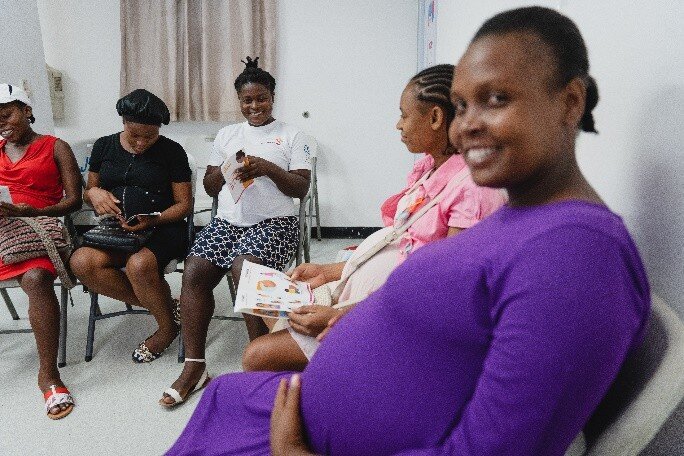
Mental health and psychosocial support remained a central component of our response. Psychosocial teams organized group support sessions for women, children, youth, and older adults in displacement sites.
Support also extended to caregivers and parents through community discussion groups aimed at strengthening family resilience and improving child wellbeing during periods of crisis.
Looking Ahead
As insecurity and humanitarian needs continue to evolve, the next quarter will require flexibility, close coordination with local communities, and sustained investments in health service delivery, emergency preparedness, mental health support, and health system strengthening. Despite a challenging operating environment, health teams continue to demonstrate remarkable resilience and commitment. Their work reflects a simple but critical objective: ensuring that people can access quality care when and where they need it most.
Links:
Project reports on GlobalGiving are posted directly to globalgiving.org by Project Leaders as they are completed, generally every 3-4 months. To protect the integrity of these documents, GlobalGiving does not alter them; therefore you may find some language or formatting issues.
If you donate to this project or have donated to this project, you can receive an email when this project posts a report. You can also subscribe for reports without donating.



Support this important cause by creating a personalized fundraising page.
Start a Fundraiser