By Marline Grand Jean | Development Officer
Dear Friend,
Across Haiti, communities continue to face the combined effects of insecurity, displacement, economic hardship, and disruption of essential services. The attacks in Kenscoff in late August were a painful reminder of how vulnerable people are when they lose their homes, their loved ones, and any sense of safety. Yet Communities in the Central Plateau and Artibonite continue to face ongoing challenges related to access to healthcare and basic services.
Bringing Care Closer to Communities
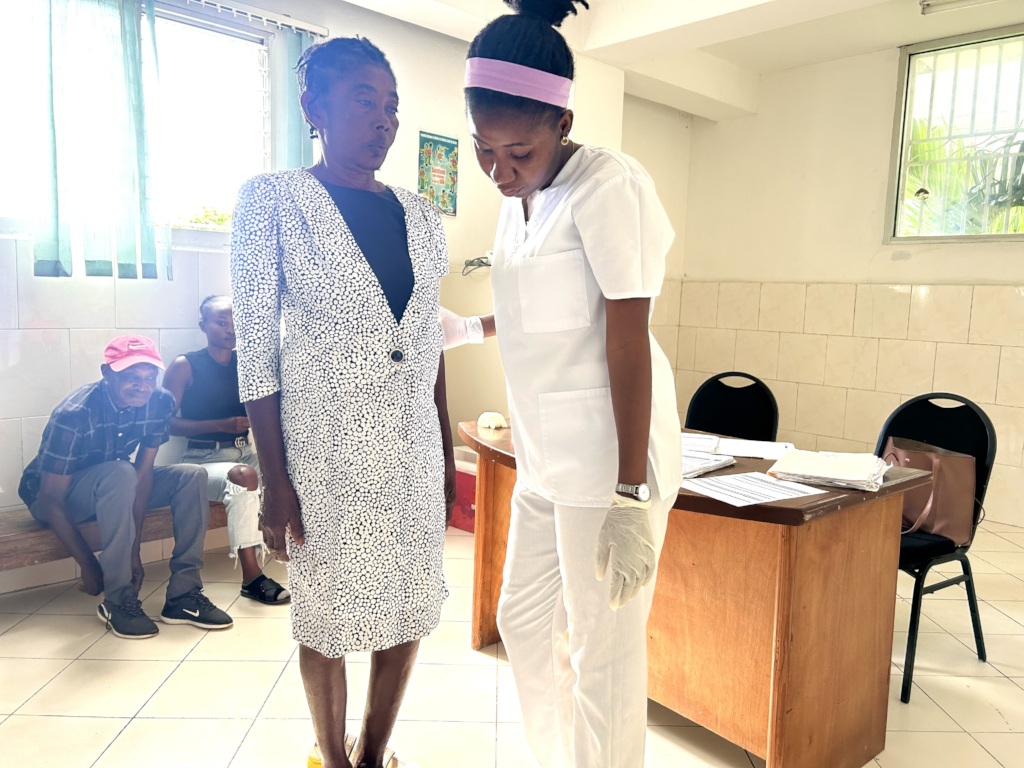
When families flee their homes, when the roads become too risky to travel, when schools close, and when fear begins to weigh on people's minds, Zanmi Lasante keeps its doors open in the Central Plateau and Lower Artibonite.
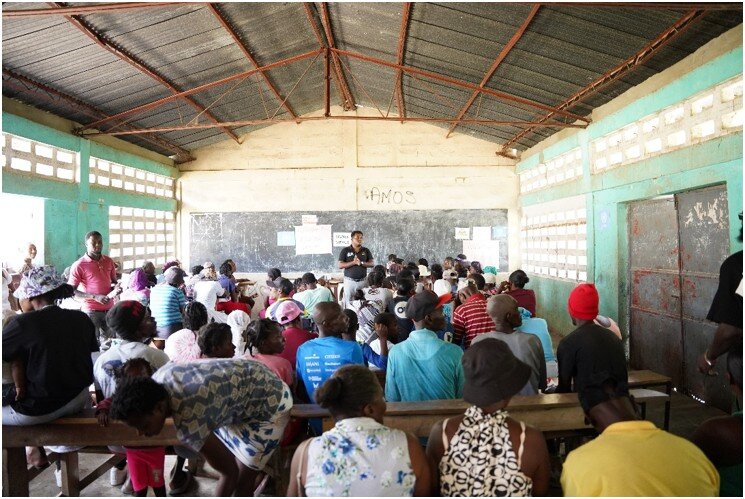
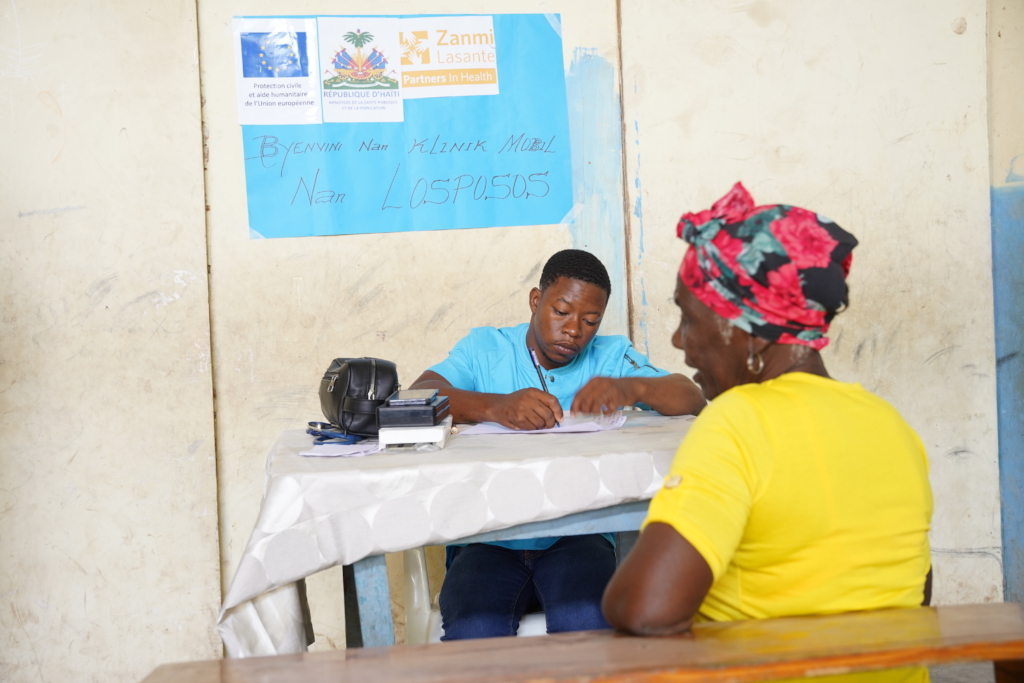
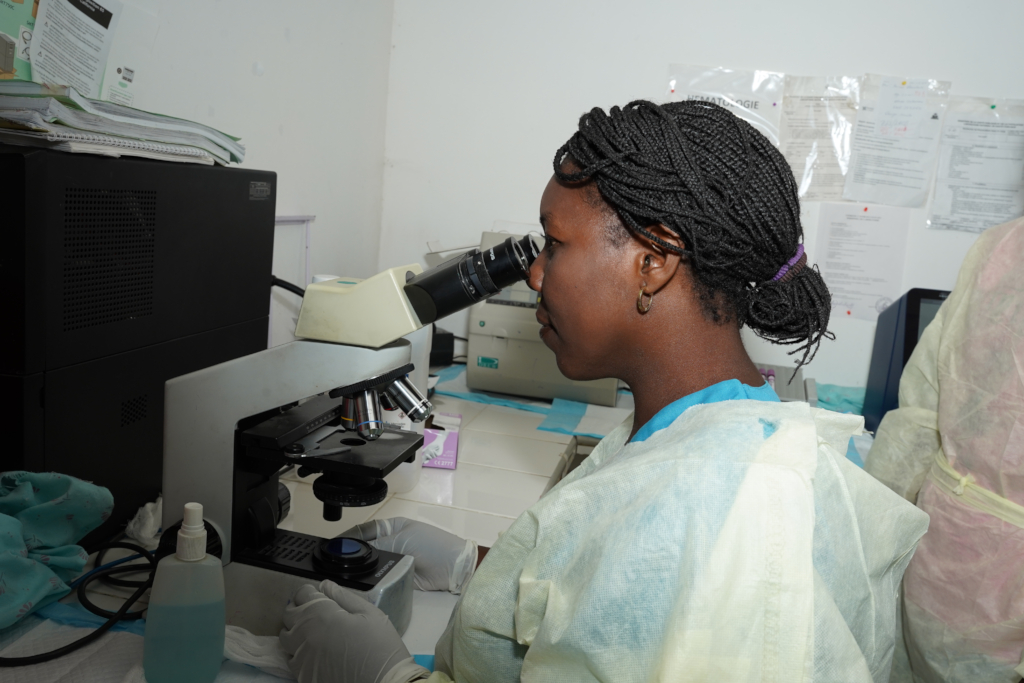
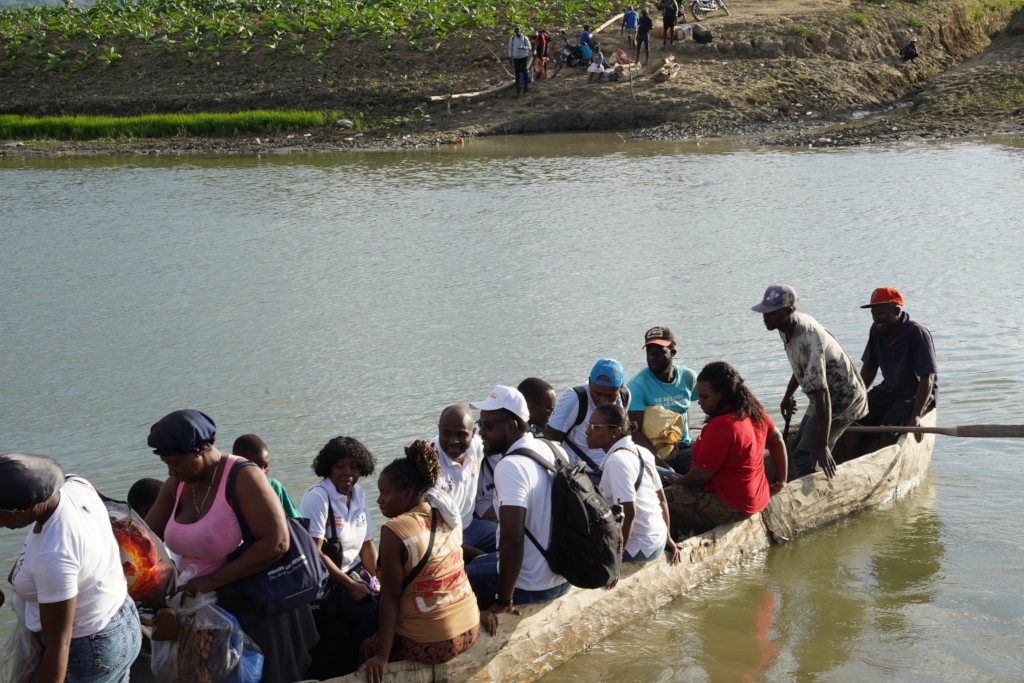
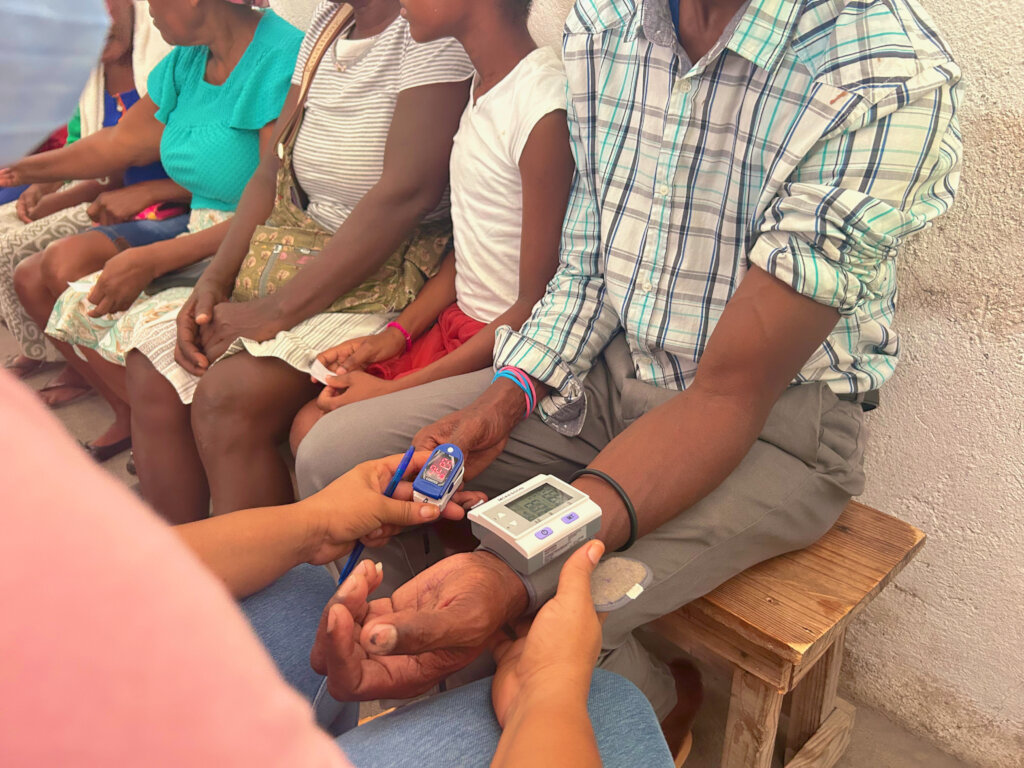
More than 3,000 staff members and 1,879 community health workers continued connecting patients to care, treatment, and follow-up services from June 2025 to July 2026. Community health workers, mobile teams, educators, and clinical staff worked together to improve referrals, follow-up, health education, and access to care for vulnerable populations. Mobile clinics played an important role, reaching camps, remote communities, and underserved areas where access to services remains limited.
Community outreach also strengthened collaboration between health services, schools, local institutions, and community leaders, reinforcing pathways through which individuals and families can access both healthcare and psychosocial support.
Responding to the Full Reality of Health
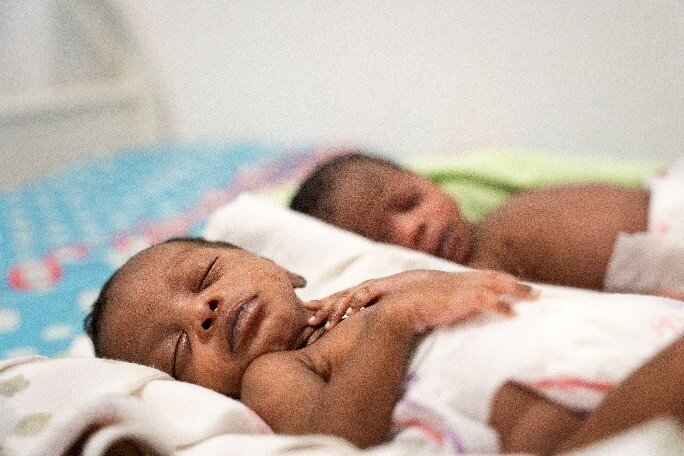
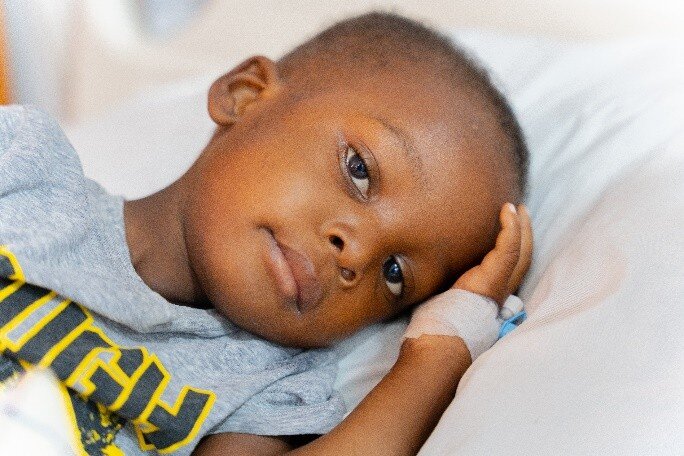
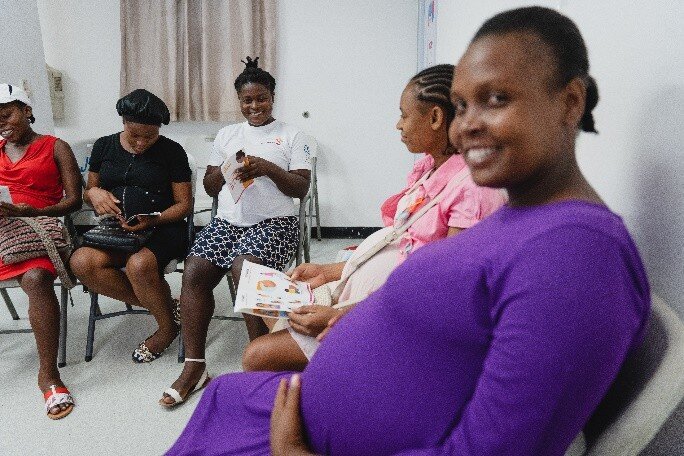
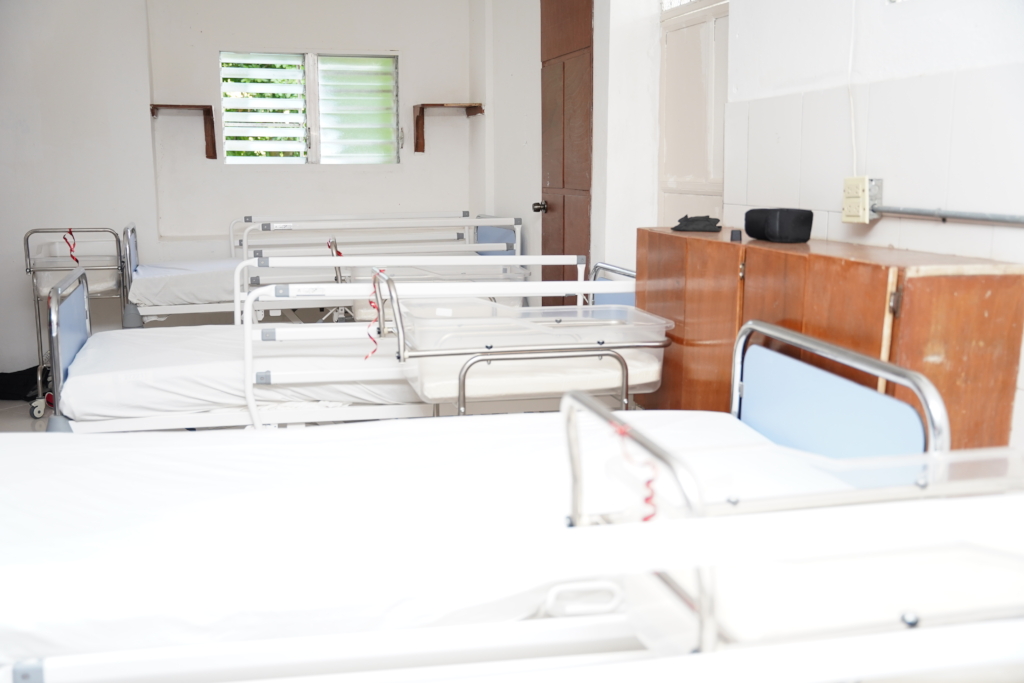
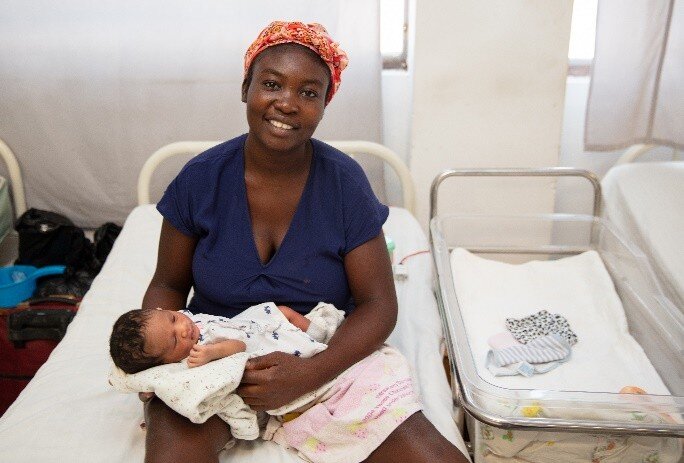
ZL facilities delivered 759,548 outpatient consultations and 30,580 hospitalizations. Mothers and children remained at the heart of our work: 66,659 prenatal visits, 16,321 deliveries in our facilities, and 139,974 pediatric consultations.
With hunger affecting so many families, nutrition care was just as vital. We screened 21,862 people for acute malnutrition, enrolled 5,475 in treatment, and saw 3,725 recover with follow-up support. More than 72 metric tons of Nourimanba helped make that possible. We also gave 108,321 vaccine doses to protect children and families from preventable illness.
Mental Health: Care Beyond the Clinic
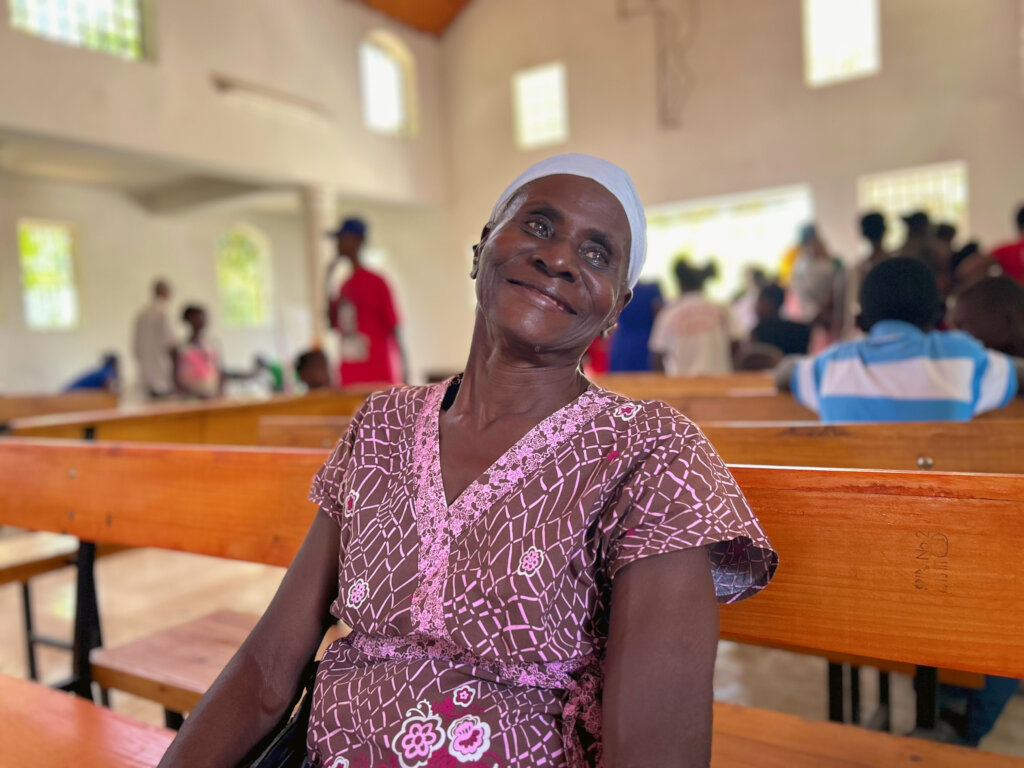
For many Haitians, insecurity and displacement are accompanied by fear, grief, trauma, stress, and uncertainty. As requests for mental health support continue to increase, Zanmi Lasante has strengthened services designed not only to treat psychological distress, but also to identify needs earlier, support families and communities, and prevent crises from deepening.
The Mental Health Program held 9,743 consultations with 3,077 patients. Our teams also cared for people in severe distress, including 135 with suicidal thoughts and 26 who had attempted suicide. We ran 275 clinical supervision sessions and offered more training to psychologists, physicians, social workers, and other providers.
Healing doesn't stop at the consultation room door. We organized support groups, relaxation sessions, dance therapy, and other psychosocial activities for community members, displaced people, health workers, and families. More than 200 parents joined sessions to learn how to support children and teenagers coping with stress.
Supporting Young People Through Crisis
Haiti's crisis has hit its young people especially hard. Zanmi Lasante continued investing in prevention, awareness, and early intervention through school-based activities. During the reporting period, ZL worked with eight schools, trained 64 teachers on child and adolescent mental health, and reached more than 1,600 students through awareness and wellbeing activities.
Career orientation sessions, group support activities, and youth engagement initiatives created spaces where students could discuss challenges, build confidence, and strengthen resilience.
What Your Support Makes Possible
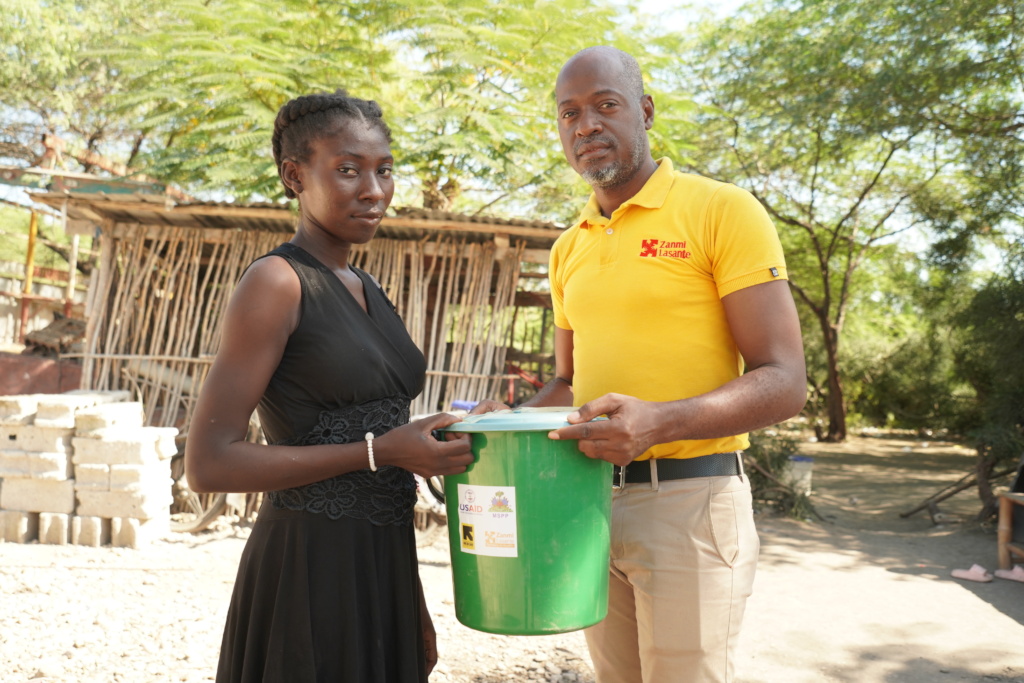
Humanitarian needs in Haiti remain significant, and the challenges faced by communities continue to evolve. Your support helps keep healthcare accessible for children, mothers, people living with chronic illnesses, displaced families, students experiencing trauma, and communities facing extraordinary challenges.
Zanmi Lasante will continue expanding emergency healthcare in underserved communities. And your support helps make it possible.
Thank you for standing with the people of Haiti.
Links:
By Marline Grand Jean | Development Officer
By Marline Jean Grand | Development Officer
Project reports on GlobalGiving are posted directly to globalgiving.org by Project Leaders as they are completed, generally every 3-4 months. To protect the integrity of these documents, GlobalGiving does not alter them; therefore you may find some language or formatting issues.
If you donate to this project or have donated to this project, you can receive an email when this project posts a report. You can also subscribe for reports without donating.



Support this important cause by creating a personalized fundraising page.
Start a Fundraiser