By PASCAL | Coordinator
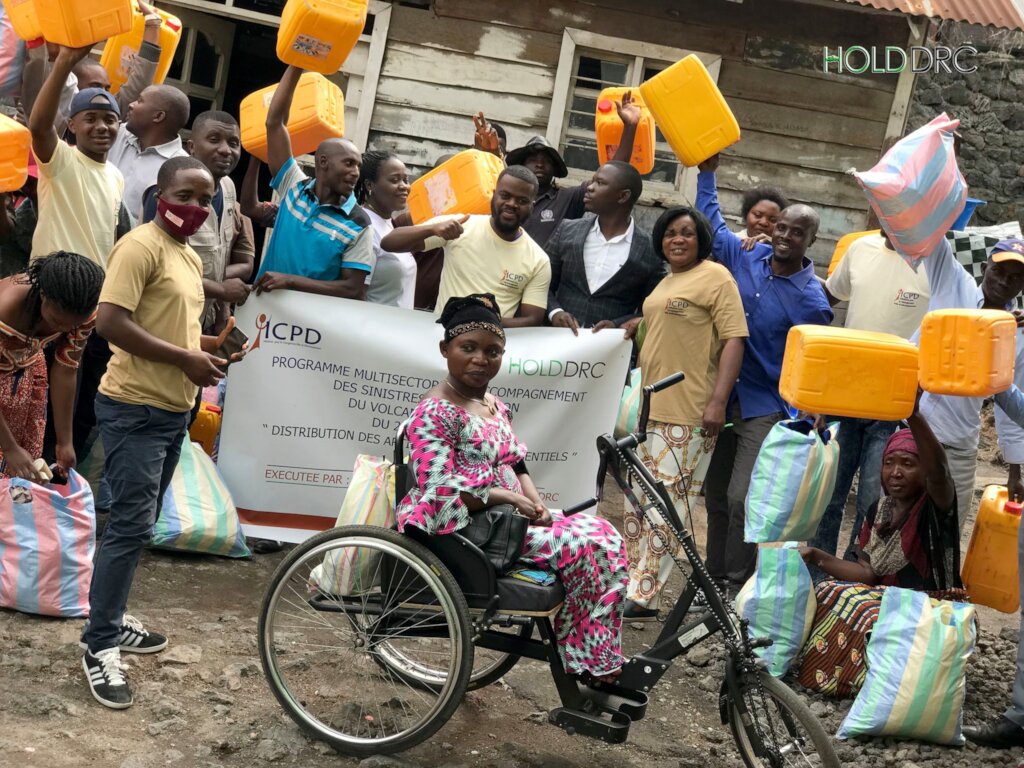
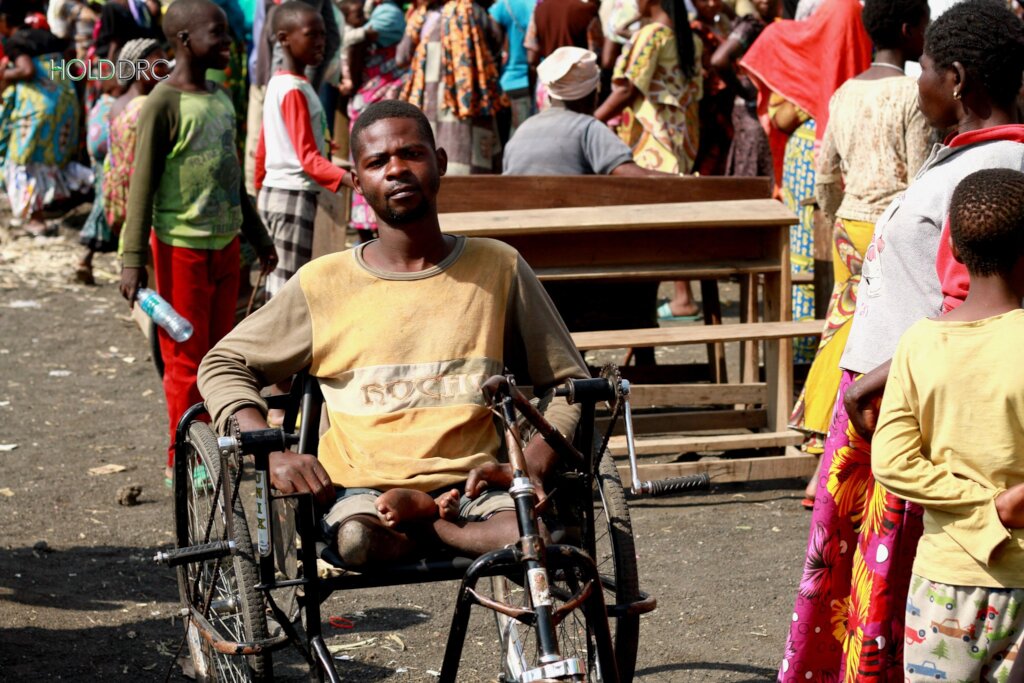
For thousands of civilians affected by armed conflict in eastern Democratic Republic of Congo, the consequences of violence do not end when the shooting stops. Many people in North and South Kivu have lost limbs or suffered severe physical disabilities as a result of bullets, landmines and other forms of violence. Children, women and men are left struggling to move, work, attend school, care for their families and participate in community life. Many also face stigma, poverty and exclusion because they cannot access prosthetic limbs, rehabilitation services or adequate protection of their rights.
The Emergency Fund for Disabled War Victims in DRCongo was created to respond to this urgent and often overlooked humanitarian need. The project aims to identify and support approximately 2,500 war-disabled people, including the 2,400 physically disabled survivors currently prioritized in North and South Kivu. Through prosthetic support, physiotherapy, human-rights advocacy and community awareness, the project seeks not only to restore mobility, but also to restore dignity, independence and hope.
Project Progress and Activities
The project is currently in its preparation and resource-mobilization phase. In accordance with our commitment to transparency, we are not presenting planned activities as completed activities. Our team is actively working on the identification of trainers and learners who will participate in the project, while preparations continue for the rehabilitation and skills-development components. We are also strengthening the mechanisms needed to identify war-disabled beneficiaries and understand their individual needs so that future assistance can be appropriately tailored.
The project will establish a local response mechanism through which beneficiaries can receive prosthetic limbs and physical rehabilitation. Physiotherapy will help survivors regain strength and mobility, while advocacy and community awareness activities will address discrimination and defend the rights of people living with disabilities. The longer-term vision is to build local capacity, strengthen support networks and ensure that survivors are not left alone after receiving emergency assistance.
Funding and Accountability
The total estimated budget required to implement the project is US$950,000. To date, US$70 has been raised, representing an important first contribution toward a much larger humanitarian need. Although this amount is still modest compared with the overall requirement, it represents something much bigger to us and to the people we serve: the beginning of a collective commitment to survivors who have often been forgotten.
Our collaboration with GlobalGiving is an important opportunity to bring this project before an international community of donors and supporters. Through this partnership, we believe we can mobilize the resources necessary to move from preparation to full implementation and progressively reach our fundraising objective. Funds will be directed toward the core needs of the project, including beneficiary identification, prosthetic support, physiotherapy, training, community awareness, advocacy and the coordination necessary to deliver assistance responsibly.
Expected Impact
The expected impact goes far beyond the provision of artificial limbs. For a person who has lost a leg, a prosthesis can mean being able to walk again. For a parent, it can mean returning to work and providing for their children. For a child, it can mean returning to school and playing with friends without feeling excluded. For an entire community, inclusion of people with disabilities can help rebuild solidarity and restore dignity after years of conflict.
By reaching more than 2,500 war-disabled people, the project aims to improve mobility, independence and social participation while reducing discrimination against people with disabilities. Over time, training local people, developing support networks and raising awareness can help create a stronger and more sustainable safety net for survivors and future victims of conflict.
Looking Ahead
The needs are enormous, but so is the opportunity to make a lasting difference. Our immediate priority is to complete the preparation phase, identify the appropriate trainers and learners, mobilize the necessary resources and begin delivering services to those who need them most. Every contribution, regardless of its size, brings us closer to a point where a survivor can receive the rehabilitation or mobility support that may completely change their future.
We therefore appeal to individuals, foundations, companies, diaspora communities, humanitarian organizations and all people who believe in human dignity to stand with disabled survivors of war in eastern DRC. The US$70 already received is a meaningful first step, but the journey toward the US$950,000 goal requires many more partners. With the support of GlobalGiving and a growing community of compassionate donors, we believe this goal is achievable.
A Message of Gratitude
We extend our sincere appreciation to every donor who has already contributed to this project. Your support tells war survivors that they have not been forgotten. We are especially grateful to GlobalGiving for providing a platform through which this urgent cause can reach supporters around the world. We invite you to remain part of this journey, share the project with others and help us build the resources needed to give thousands of survivors something conflict has taken away from them: the ability to move forward with dignity, independence and hope.
Thank you to every donor, partner and supporter standing with disabled war victims in the Democratic Republic of Congo. Together, we can turn compassion into mobility, dignity and lasting change.
By PASCAL NIYONZIMA | COORDINATOR
By PASCAL NIYONZIMA | CORDINATOR
Project reports on GlobalGiving are posted directly to globalgiving.org by Project Leaders as they are completed, generally every 3-4 months. To protect the integrity of these documents, GlobalGiving does not alter them; therefore you may find some language or formatting issues.
If you donate to this project or have donated to this project, you can receive an email when this project posts a report. You can also subscribe for reports without donating.



Support this important cause by creating a personalized fundraising page.
Start a Fundraiser