By Robert Rutherford | Resource Development Officer
International Medical Corps, in partnership with Tokio Marine & Nichido Risk Consulting Co., Ltd., is continuing to provide training in Business Continuity Planning (BCP) to Japanese NGOs in the form of in-house lectures and tabletop exercises to build their organizational capacity to respond to disasters quickly and efficiently. NGOs requesting training by International Medical Corps include: Care International Japan; ChildFund Japan; Japan Association for Refugees (JAR); Japan International Volunteer Center (JVC); Plan Japan; Save the Children Japan (SCJ); Shanti Volunteer Association (SVA); Shapla Neer. Trainings will all take place between October and December 2014.
BCP In-House Lecture for Save the Children Japan
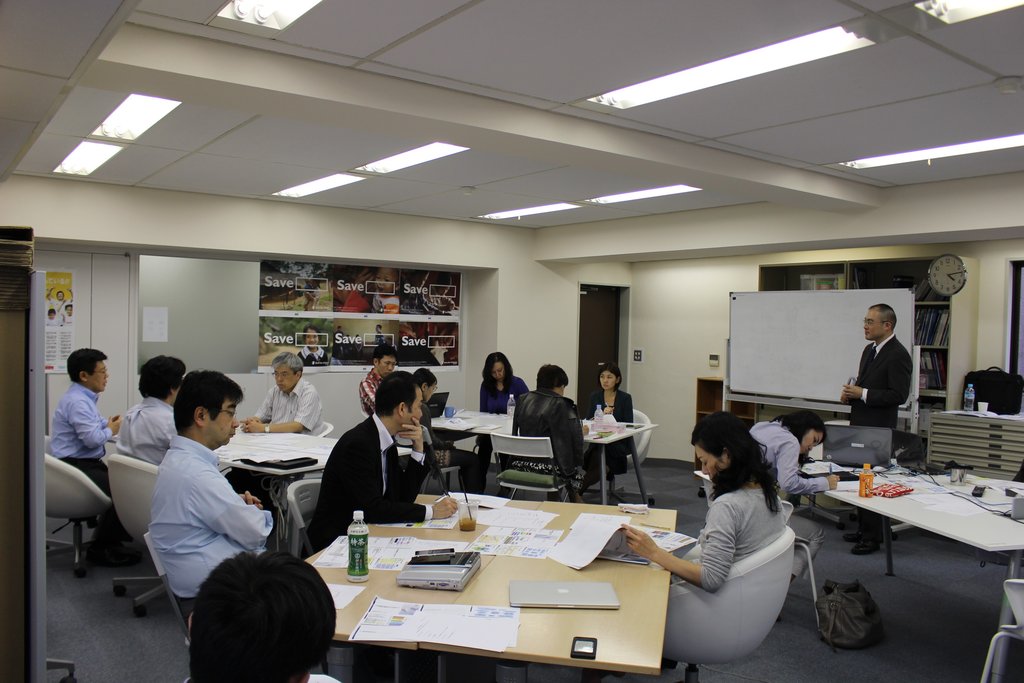
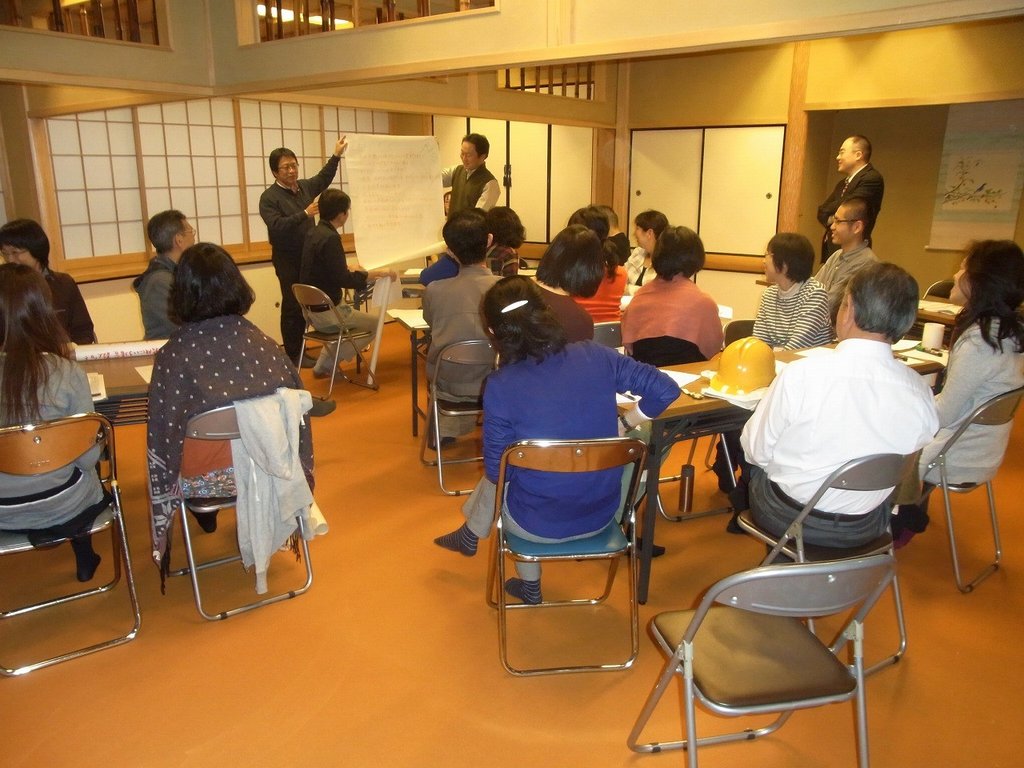
On October 10, 2014, International Medical Corps and Tokio Marine provided 17 key staff members of Save the Children Japan (SCJ) with a BCP in-house lecture. SCJ was established in 1986 with a focus on child protection, disaster risk reduction and creating child-friendly communities in Japan. SCP also provides emergency humanitarian assistance, health, nutrition, and educational support, mainly in countries in Asia and Africa.
Takako Isoda, SCJ’s Administrative Manager, said, “We had set up a risk management working group within the organization to map out the various risks faced by our organization, but we had no idea how to lay out a plan to deal with so many kinds of risk. A number of us attended International Medical Corps’ BCP workshop last year and learned how to think about risk and how to craft a basic BCP. Using what we learned at that workshop, we spent half a year drafting SCJ’s BCP. Now that we finally had a complete draft, we were wondering how to best share its contents with our staff and make the draft more practical and concrete. It was with perfect timing that we received the offer from International Medical Corps for an in-house BCP lecture and tabletop exercise.
“We had the members of our risk management working group, the director-general, and all department heads and managers attend the BCP in-house lecture. The lecture focused on the basics of BCP thinking and really helped our key staff understand the importance of BCP. With the facilitation of a professional risk consultant, we also shared our newly-drafted BCP with everyone in the room. Our senior management commented afterwards that they felt they better understood what was in our BCP and that it was up to all of us to keep working on the BCP draft and make it a living document for the organization. We are all looking forward to the BCP tabletop simulation exercise in December, which will help us have a better sense of what works in the BCP and what needs to be improved.”
Emergency Scenario Tabletop Exercise for SVA
On November 12, 2014, International Medical Corps and Tokio Marine organized an emergency scenario tabletop exercise for Shanti Volunteer Association (SVA). SVA is a Japanese NGO founded in 1981 and dedicated to providing educational support and emergency relief activities in countries including Thailand, Laos, Myanmar, the Philippines and Afghanistan. SVA has also carried out multiple relief activities in the aftermath of flood and typhoon disasters in Japan.
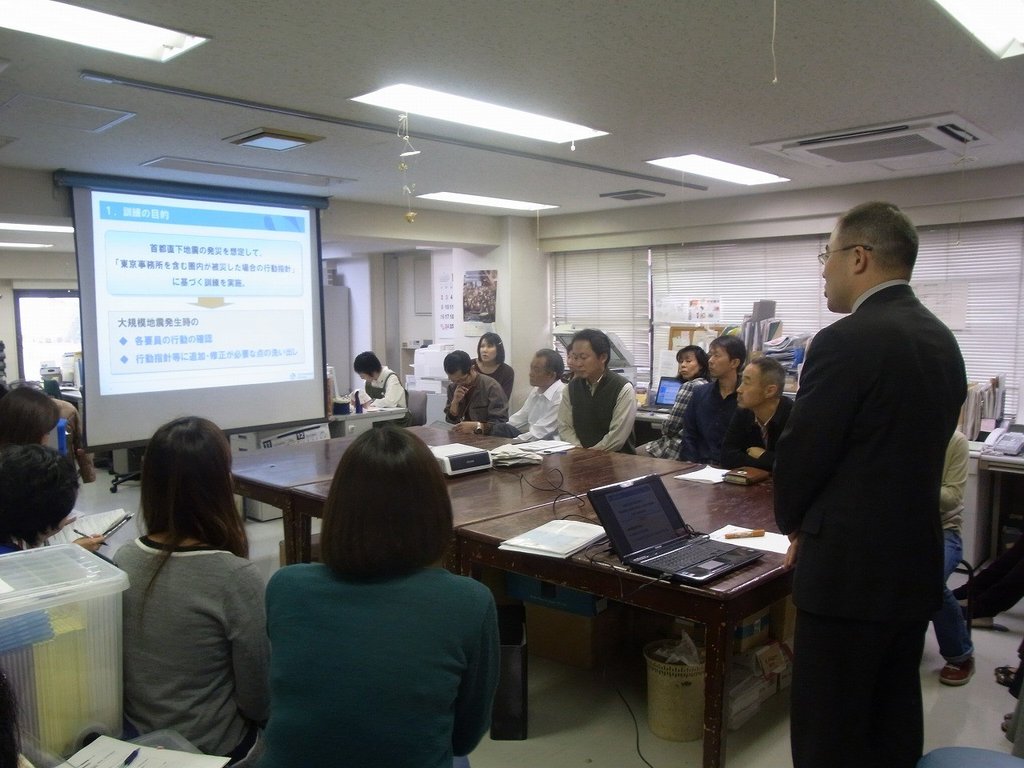
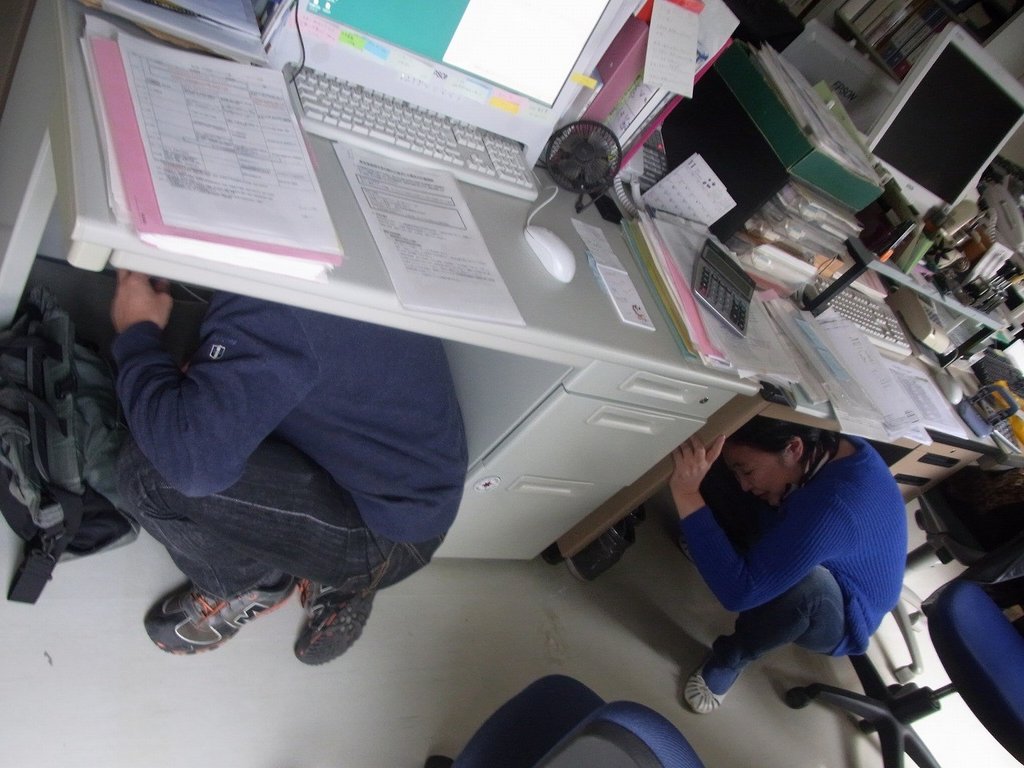
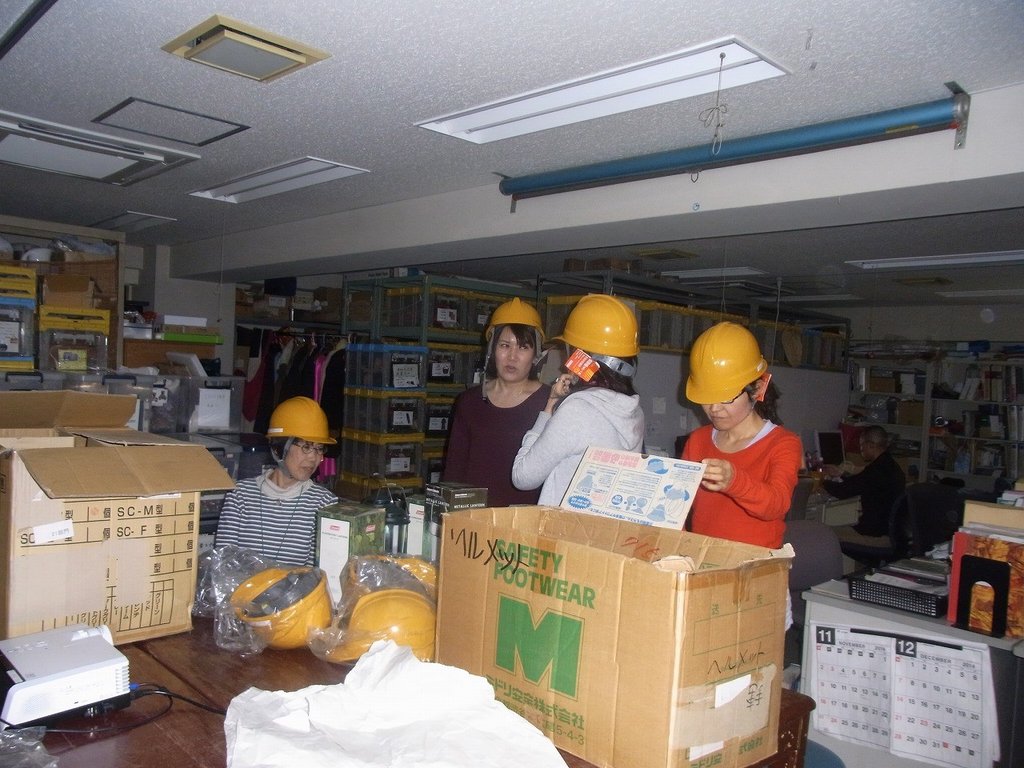
Because of its role as an emergency response organization, SVA had been conducting annual reviews of its emergency supplies and emergency guidelines. This simulation was the very first opportunity for the SVA staff to test their emergency guidelines. 26 out of 28 staff members at SVA’s Tokyo headquarters, including full-time and contract-based personnel, participated in the exercise. After Tokio Marine’s Kenichi Hamazaki explained the general flow of the day’s exercise, the staff returned to their desks as part of their “normal routine.” The simulation commenced a few minutes later with an earthquake (according to the scenario) that “struck” the building. For the duration of the simulation, the staff checked the whereabouts and safety of staff members, checked their emergency supplies, prioritized workload by department for the next few days after the disaster, and otherwise followed their emergency protocol. After the simulation, staff members split up into their respective departments and discussed the lessons they learned during the exercise and next steps forward.
Some comments from participants included:
Mariko Kimura, manager of SVA’s emergency response and preparation, commented, “Since almost all the staff members of SVA took part in this exercise, we were able to look at our emergency guidelines from many different perspectives and see that there are still many issues that we need to deal with (e.g., things we still need to prepare, steps that need to be more clearly outlined, etc.). Additionally, it was very helpful to learn that each department has different needs during and after a disaster. Having the consultant with us to facilitate both the simulation exercise and the follow-up discussion added a healthy dose of tension for the staff and made us all focus all the more on the day’s activities. Using the lessons we learned during this exercise and the advice we received from the consultant, we will be even better prepared to deal with any emergency. ”
Project reports on GlobalGiving are posted directly to globalgiving.org by Project Leaders as they are completed, generally every 3-4 months. To protect the integrity of these documents, GlobalGiving does not alter them; therefore you may find some language or formatting issues.
If you donate to this project or have donated to this project, you can receive an email when this project posts a report. You can also subscribe for reports without donating.