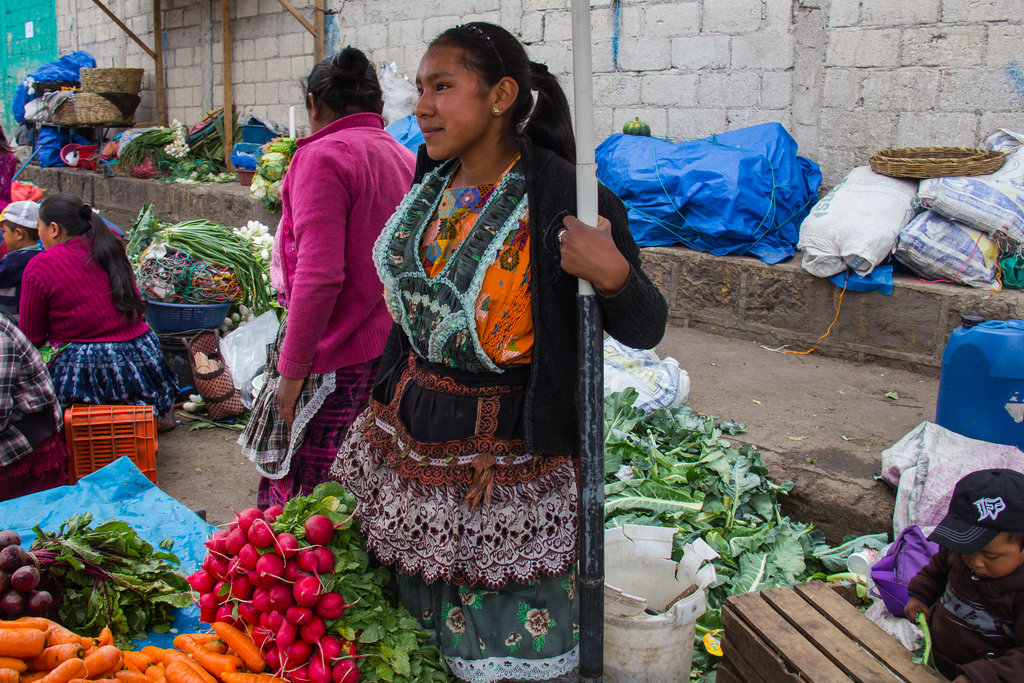
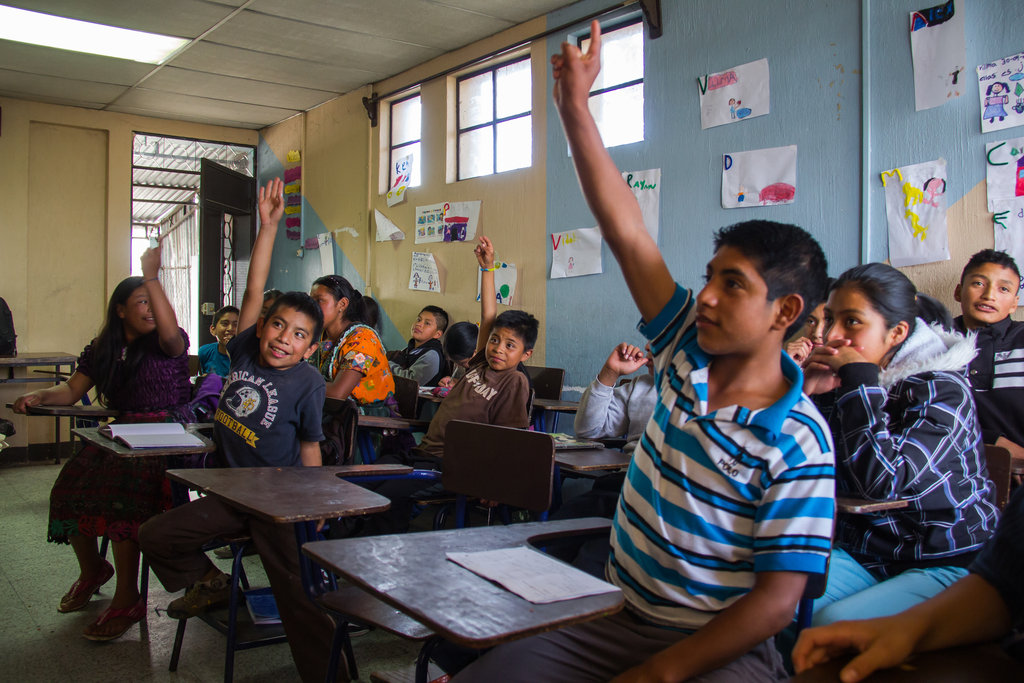
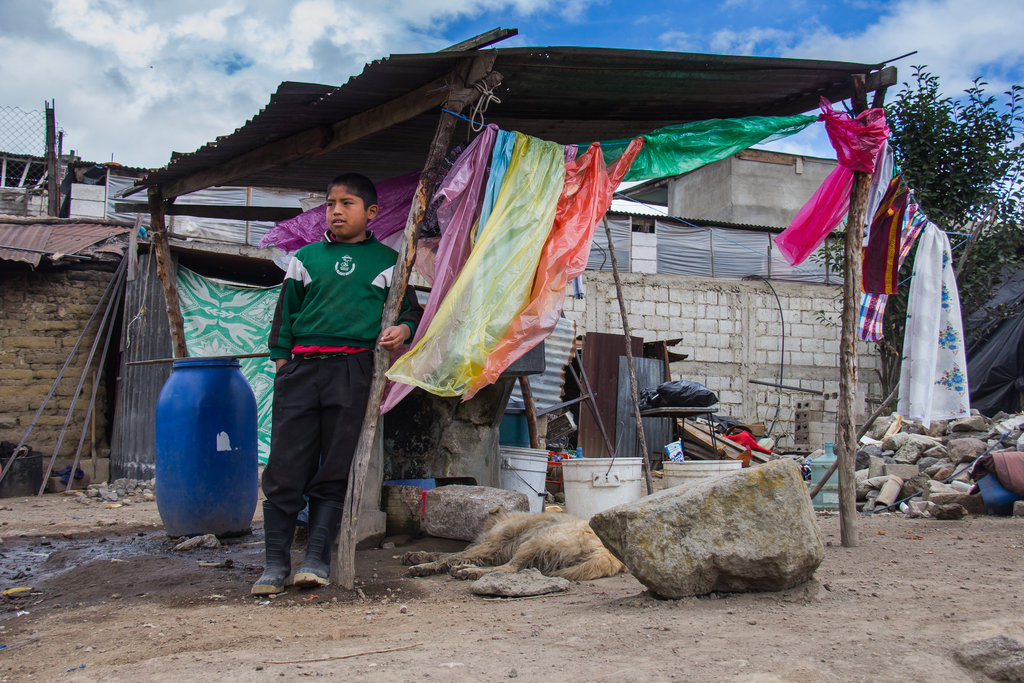
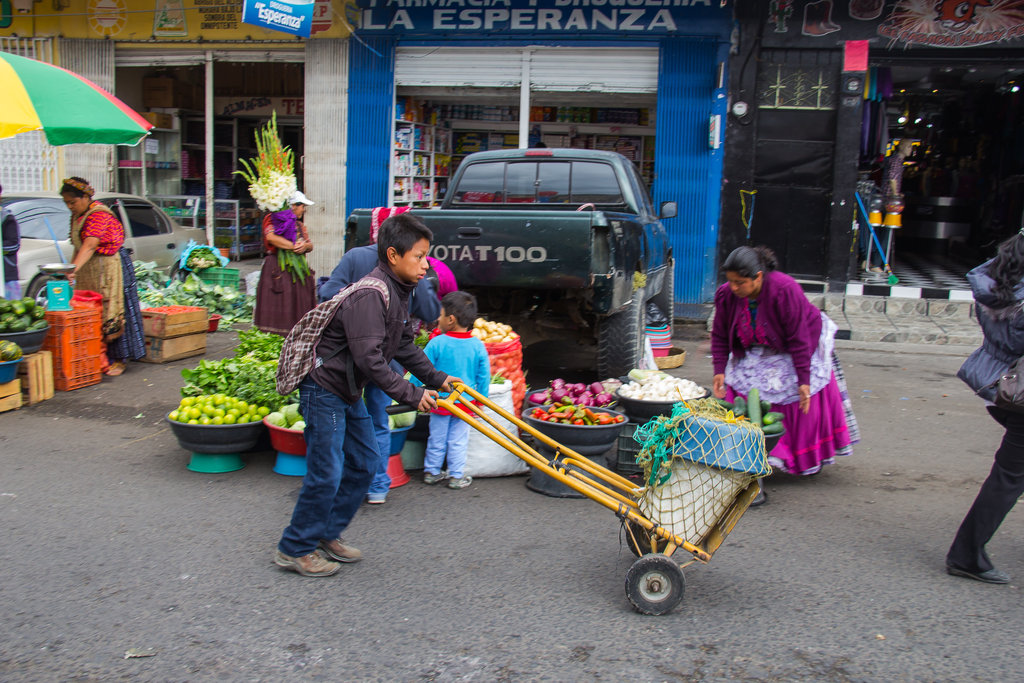
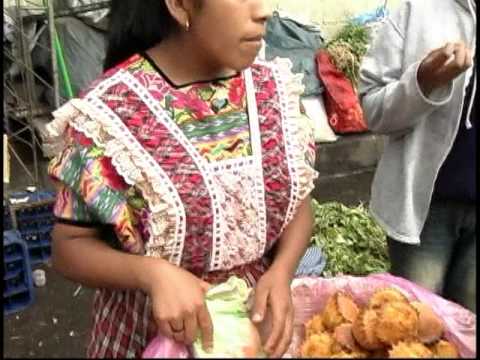
This project will provide didactic material, school supplies and nutritional support for 50 over-school-age adolescent laborers to help them finish sixth grade through CEIPA's alternative, accelerated education program. Most students are from Maya K'iche or Maya Mam families of extreme poverty, ages 14 to 17, and the majority are girls. These young men and women have worked form an early age to help support their families and thus were not able to attend public schools at a proper age.
There are more than 1 million child and adolescent laborers in Guatemala. The majority are of Mayan origin, from families in poverty and extreme poverty. Children begin to work as young as 4 years of age and a great majority of child laborers either begin school and drop out or never begin school, especially girls. By ten years of age they can no longer be enrolled in first grade. There are no official alternative or accelerated education programs for these children and adolescents.
We provide an alternative education program in which children and adolescents from 10-17 years of age can receive the equivalent of grades 1-6 in 3 years. We provide classroom space, teachers, school supplies and a hot lunch for all students, most of whom arrive to school without having eaten breakfast or lunch, depending on their schedule, morning or afternoon. Special attention is provided to those finishing 6th grade in order to assure permanence and motivation for continuing to junior high.
CEIPA's education program has been functioining for 26 years and has provided elementary school attention to mroe than 8,000 children and adolescents. Education is the primary tool for having better employment possibilities and thus, better perspectives for them and their families to improve their socio-economic conditions, in other words to rise out of poverty. A sixth grade diploma is a minimum requirement for enrolling in some, but not all, technical training programs.