By Alisha Coelho | Director, Partnerships
The Need?
After 6 years of working with the Waghri and Sikhligar De-notified tribal families since 2013, Ashraya conducted a need and impact assessment in January 2019 with the children, parents and other stakeholders in order to understand areas that still need focussed work. There were 5 major learnings through the need assessment that needed work according to the community people:
The Solution?
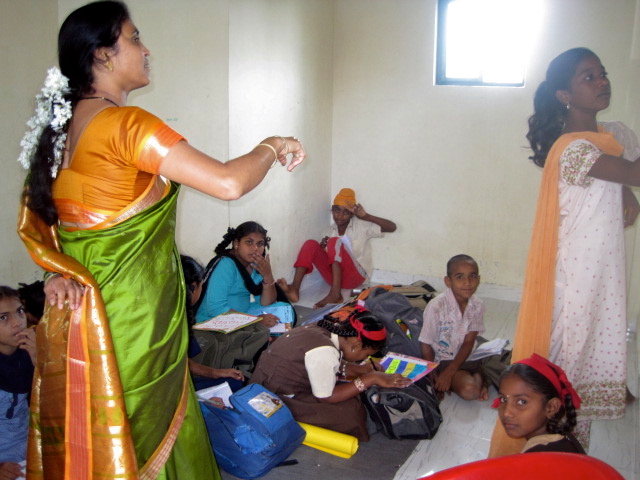
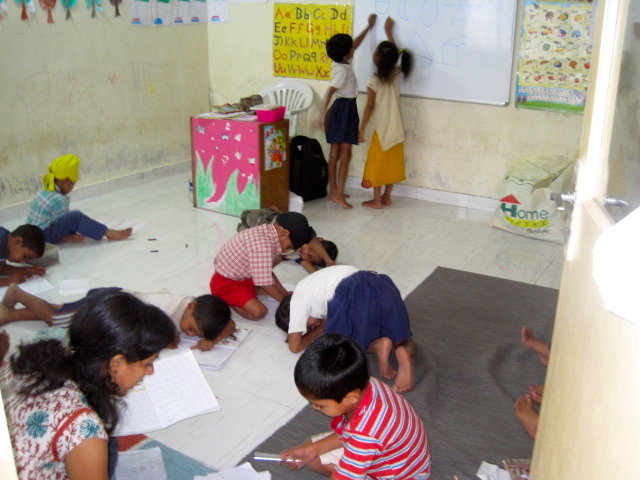
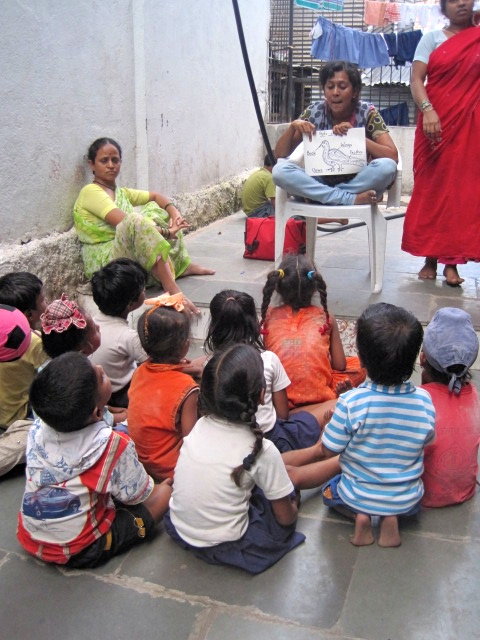
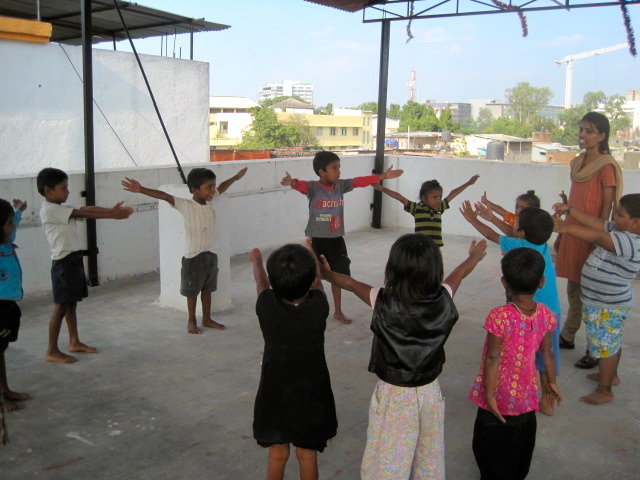
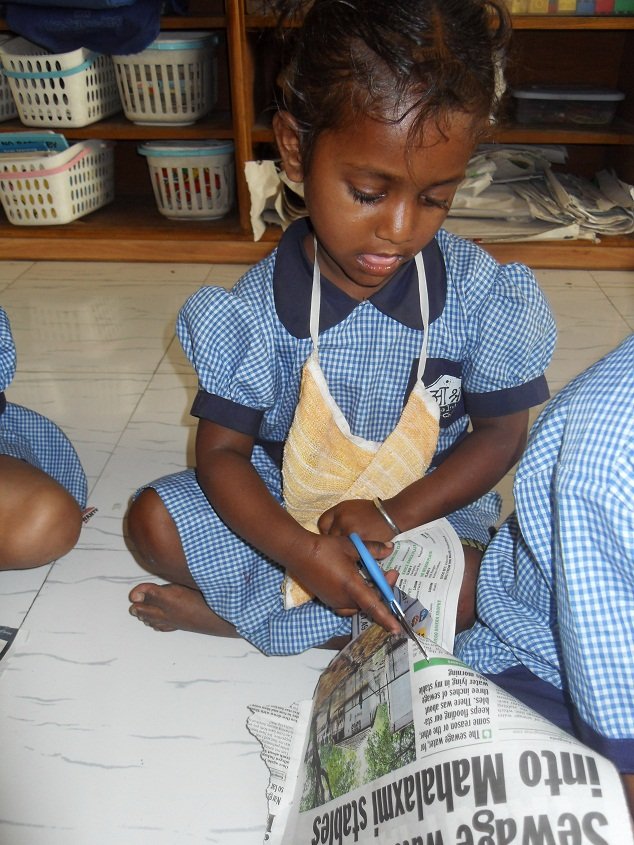
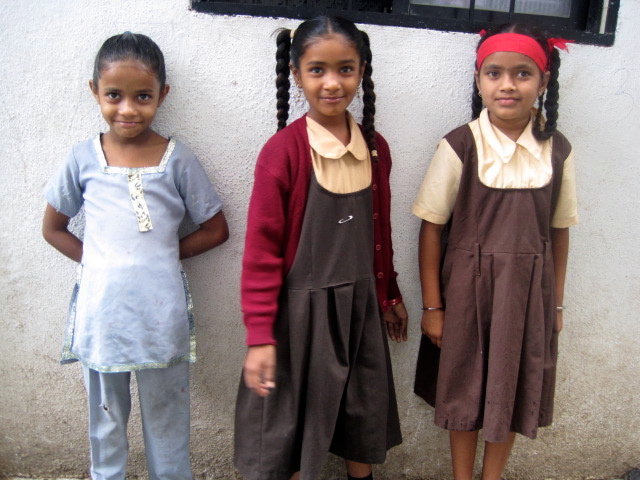
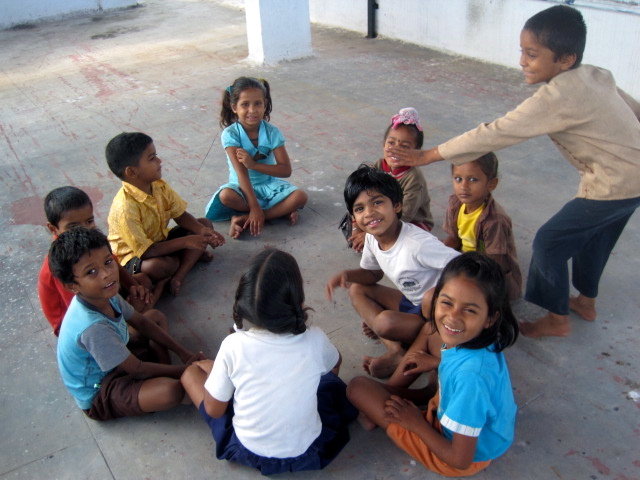
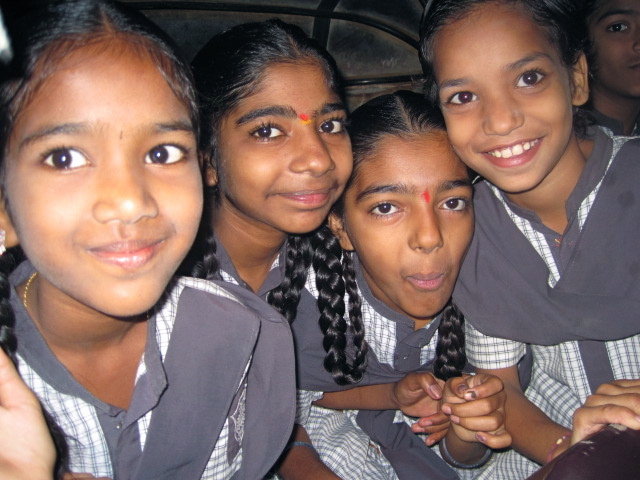
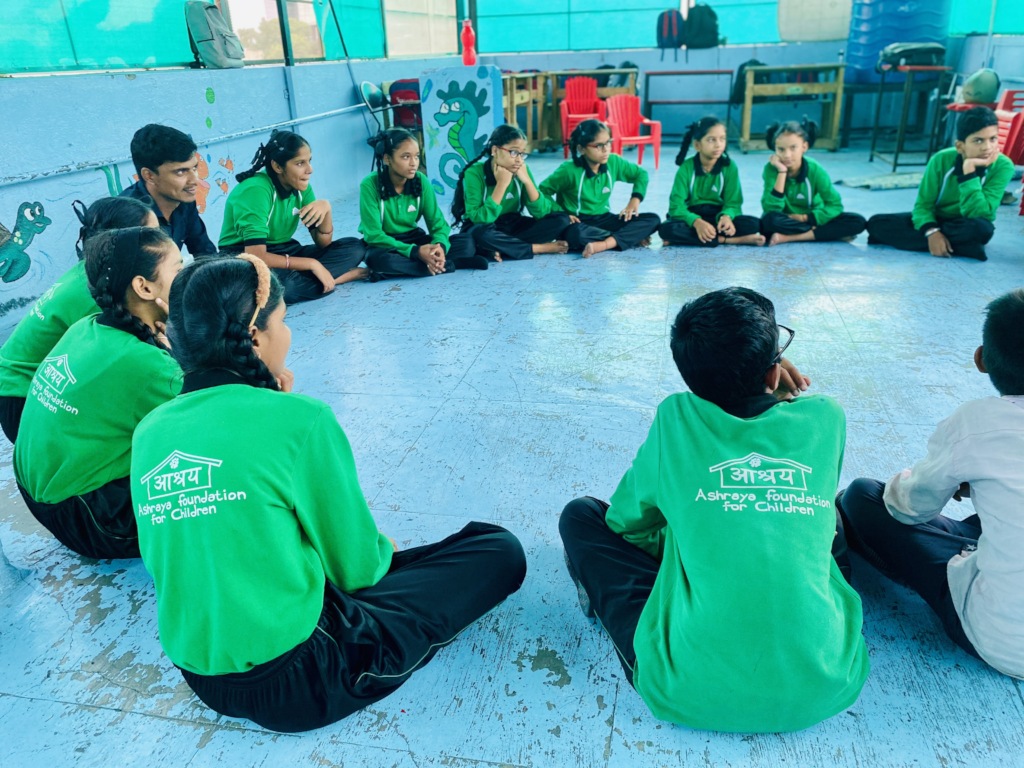
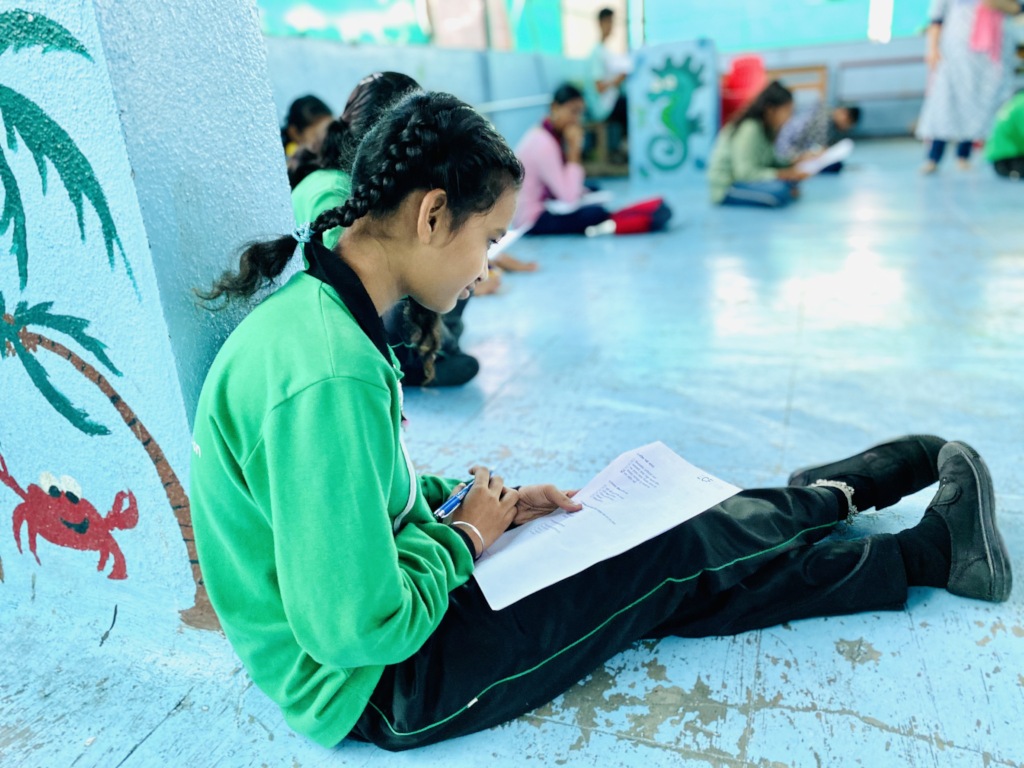
To tackle these concerns effectively, Ashraya has started weekly sessions targeting these issues for adolescent children (11-16 years of age) next year and aims to inculcate it into the curriculum through the Aarambh program. The adolescent awareness sessions will be focussed around 8 different capacitating sessions addressing the gaps identified by the community assessment on 3 levels i.e. Individual, Institutional and Community. Ashraya conducted a baseline with the kids to understand their perspectives on gender roles, hygiene (domestic and environmental), violence, safe spaces in the community and aspirations which had some interesting responses.
In the baselines it was found that 75% girls experienced eve-teasing by older boys and men in their community spaces. 57% children do not know how to respond appropriately to an unsafe situation. 66% boys have concerns understanding consent. 48% boys justified resorting to violence towards girls/women. 100% children did not know the difference between sex and gender.
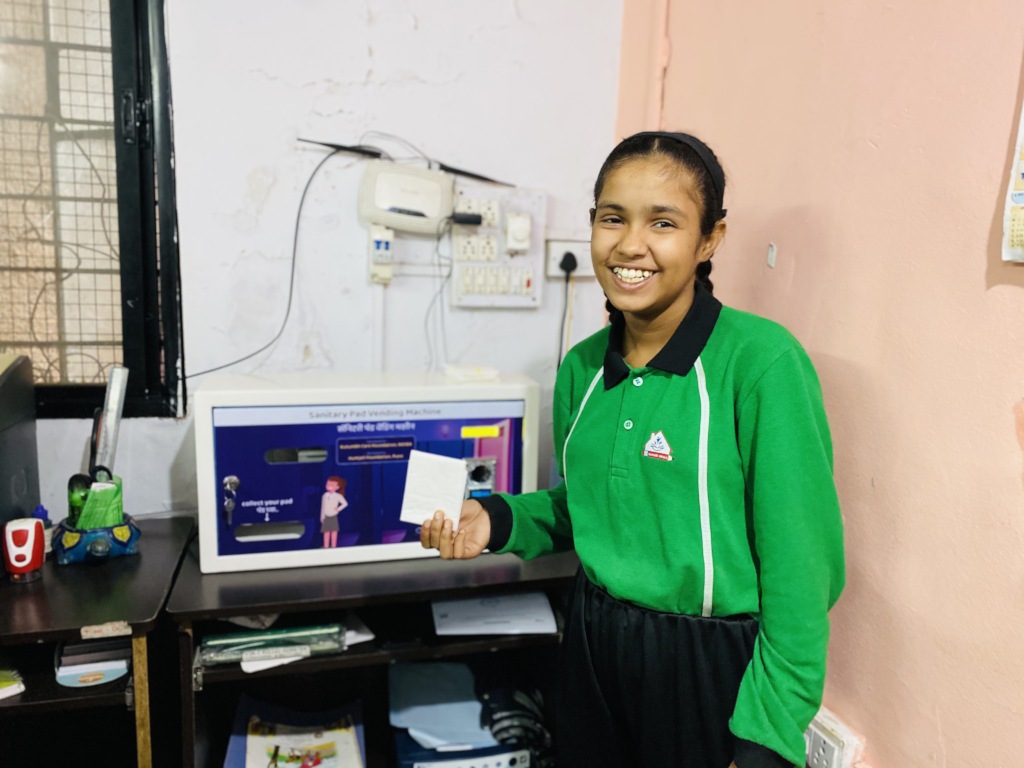
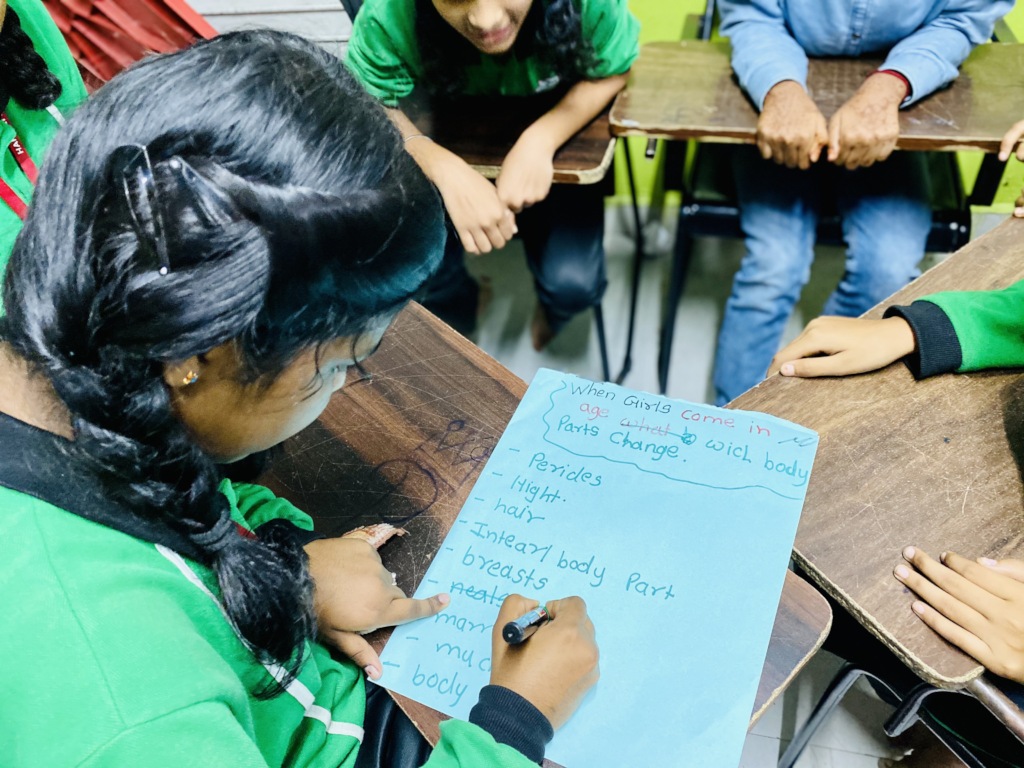
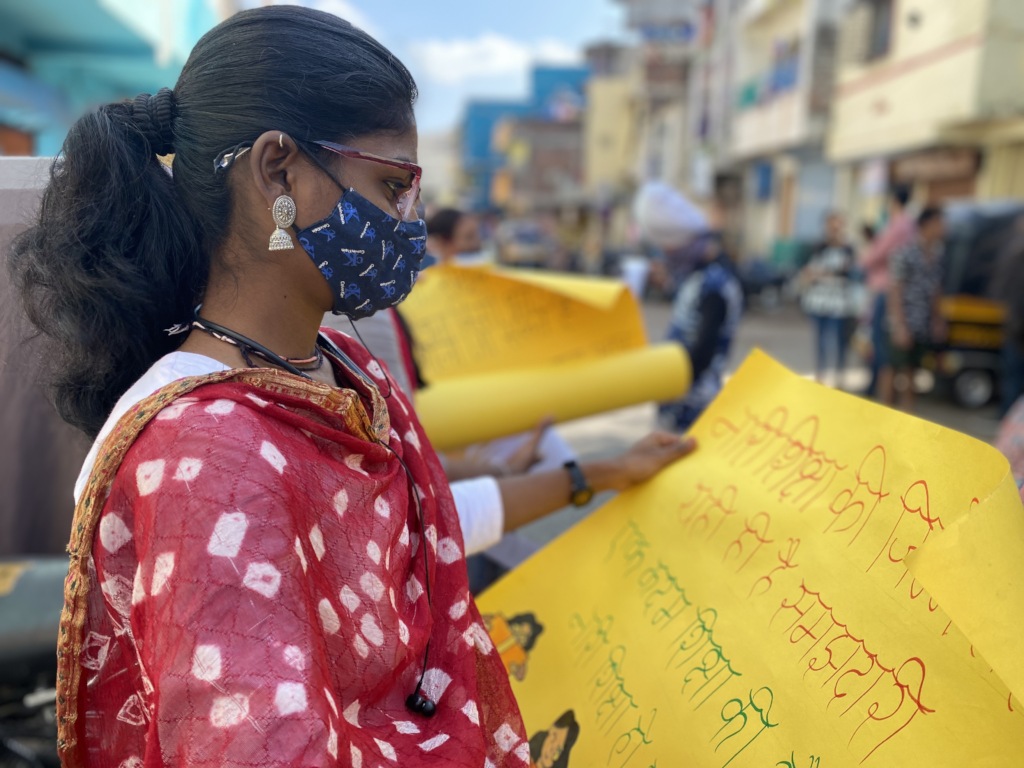
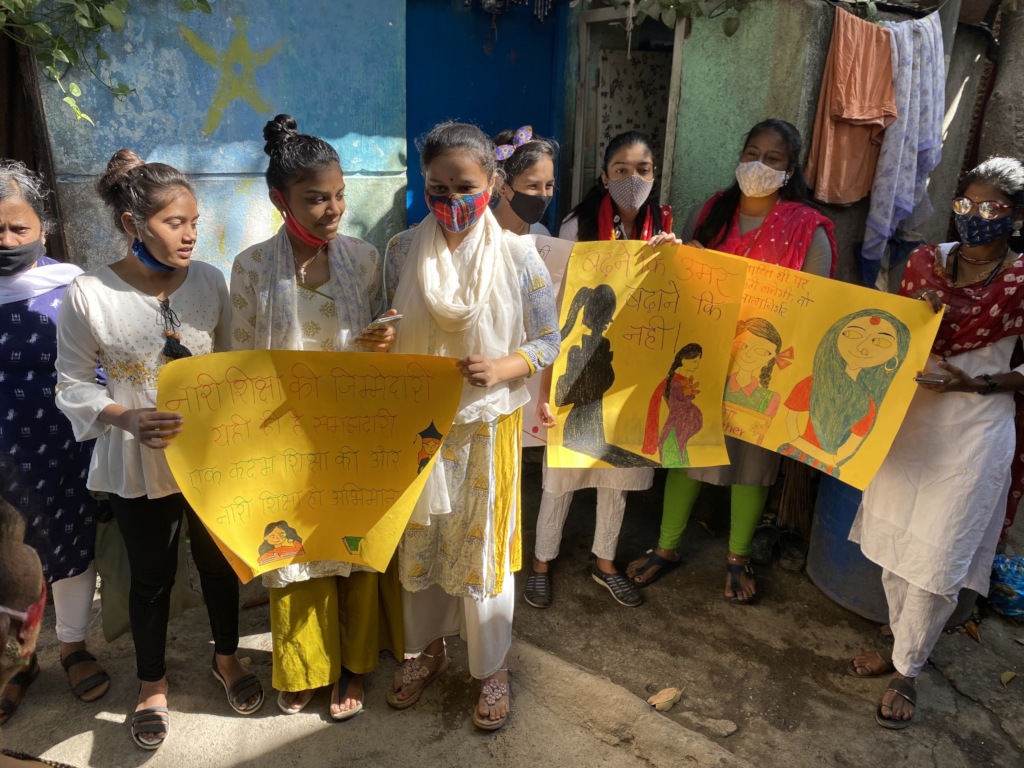
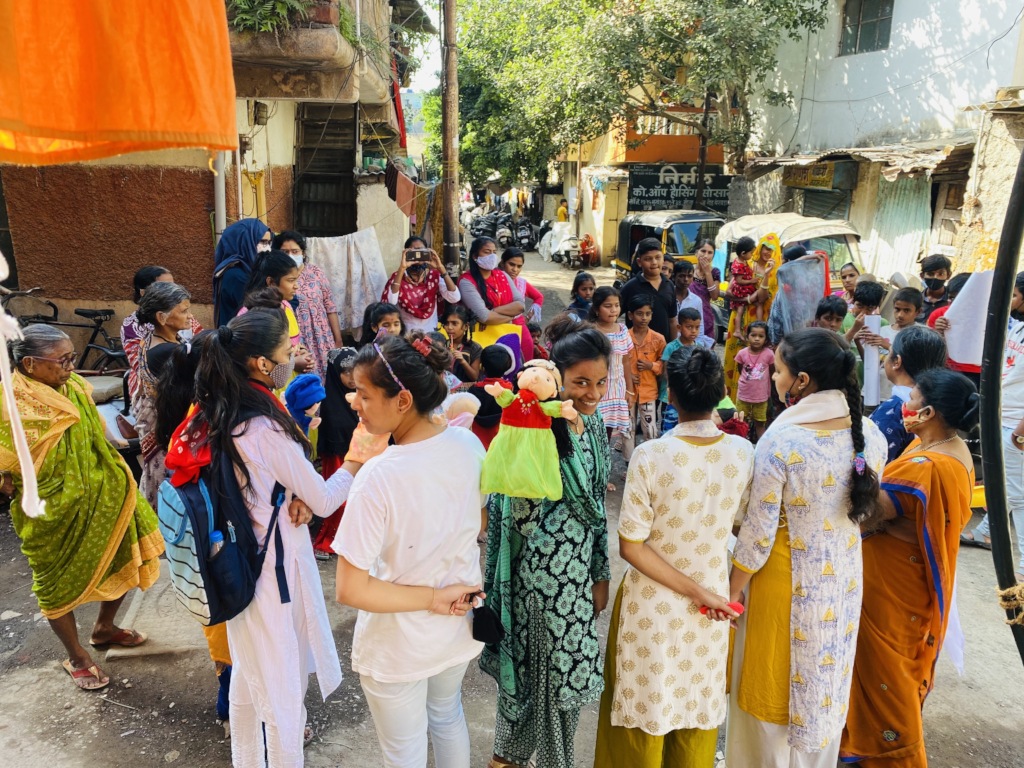
Ashraya has so far conducted 6 modules (24 sessions) with 80 adolescent children on Human Rights and Gender with an average attendance percentage of 75% of all students. The modules covered so far have been Human Rights, Gender, Menstrual Hygiene, and Sex Education.
What are our stakeholders saying?
Siddharth, a 7th grader at Ashraya, mentioned that it was on the boys to take responsibility regarding challenging gender norms and roles in the family space. The girls in the sessions are expressing themselves freely in the last one month and narrating anecdotes with each session. Hansika, a 8th grader, during the Human Rights session, expressed that it was important that girls had the right to education and employment as much as the boys in families. She spoke extensively about gender disparity in her household and how she was adamant to complete her education despite what her extended family felt. The facilitator noted that the children especially girls are expressing themselves more freely and the boys are thinking more critically with each session.
By Alisha Coelho | Director, Partnerships
By Alisha Coelho | Partnerships Manager
Project reports on GlobalGiving are posted directly to globalgiving.org by Project Leaders as they are completed, generally every 3-4 months. To protect the integrity of these documents, GlobalGiving does not alter them; therefore you may find some language or formatting issues.
If you donate to this project or have donated to this project, you can receive an email when this project posts a report. You can also subscribe for reports without donating.