By Maggy June | Project Coordinator
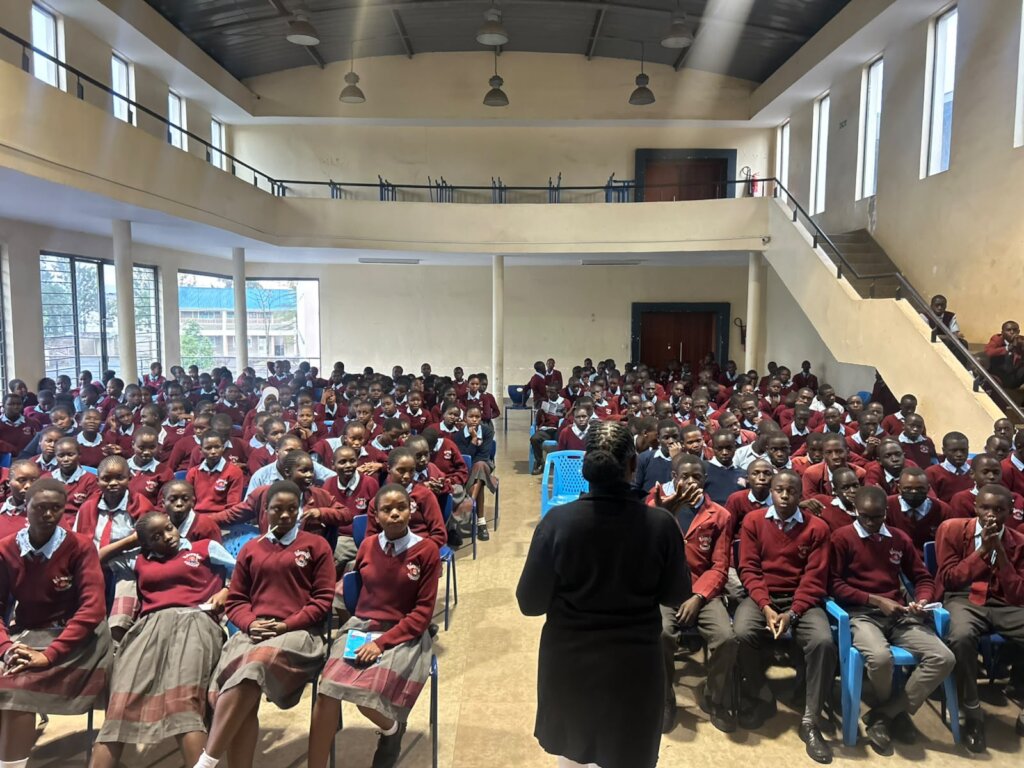
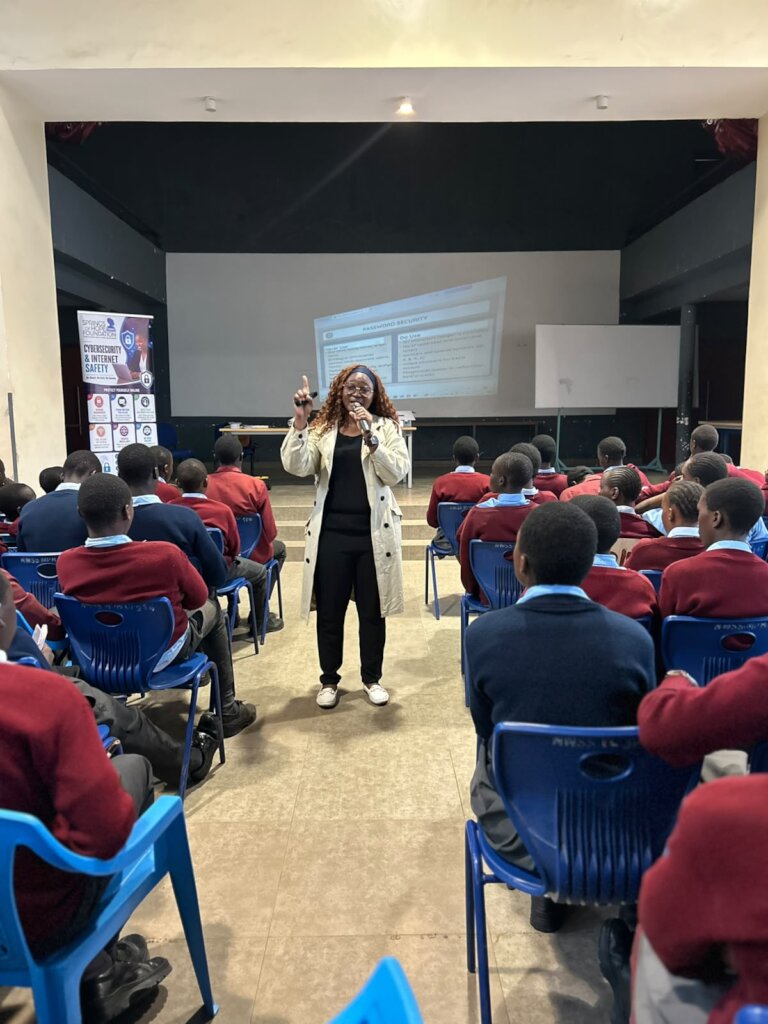
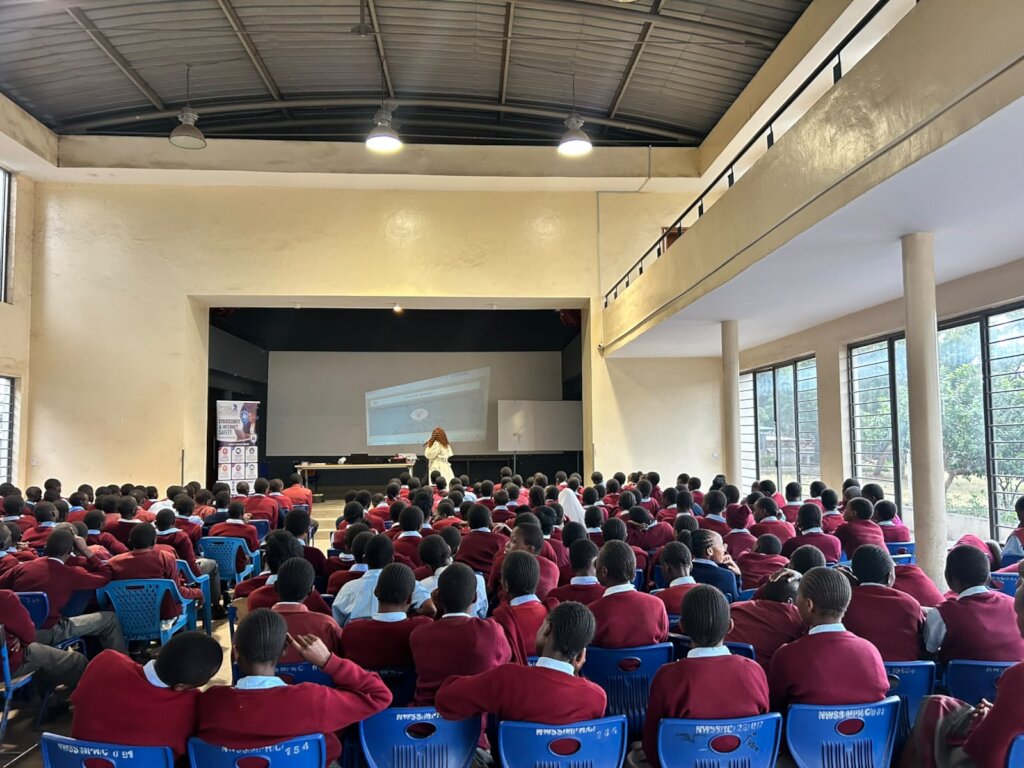
At Nakuru West Secondary School, 310 students had a chance to examine some of their everyday online habits. One simple question started a conversation none of us wanted to rush.
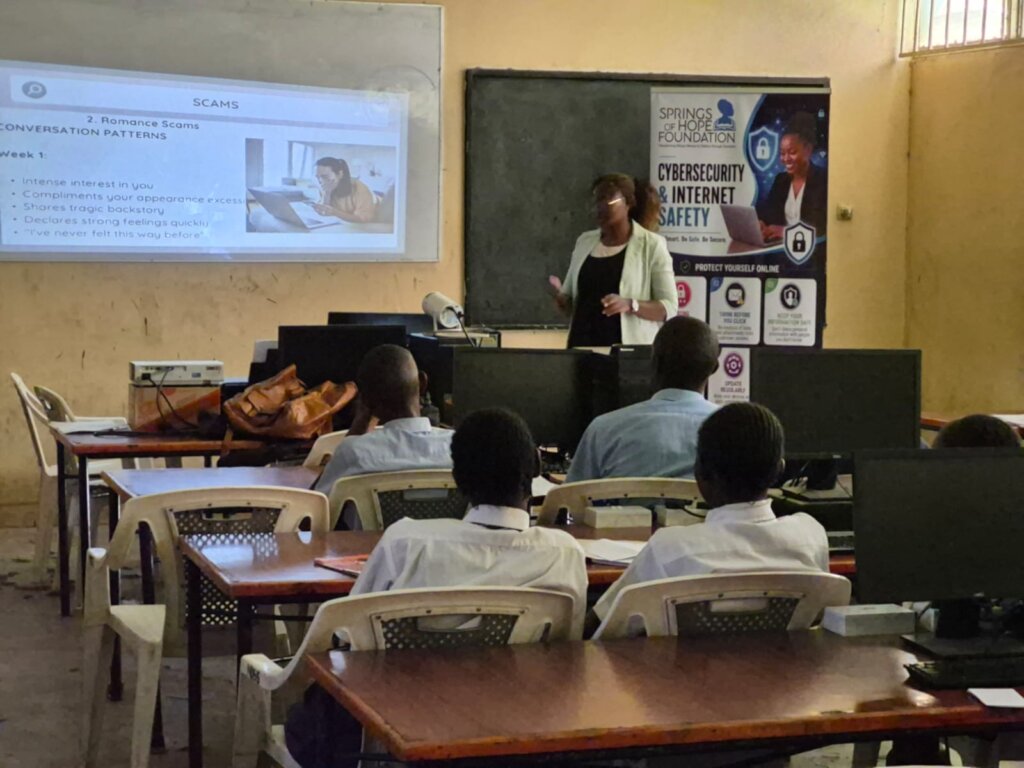
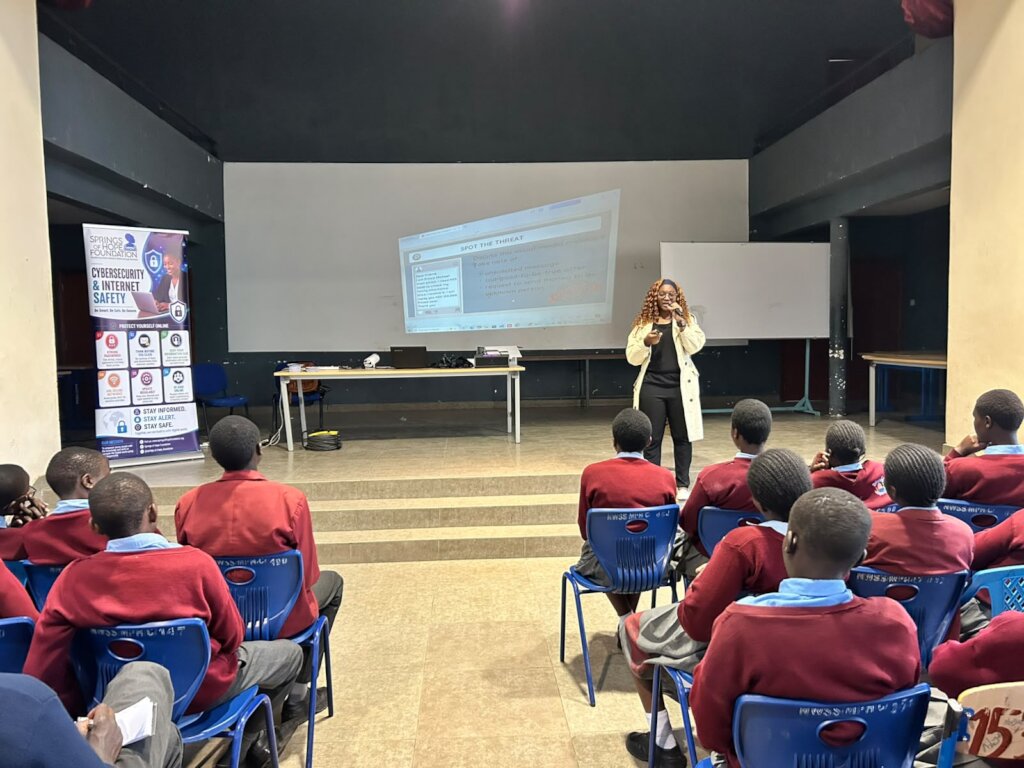
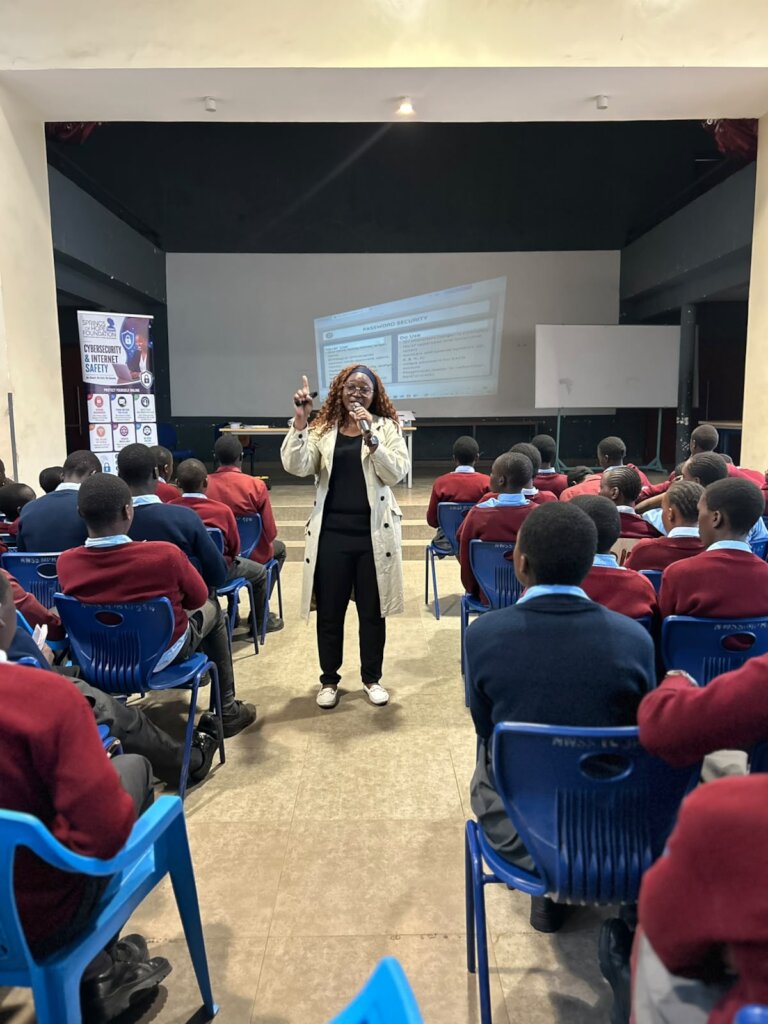
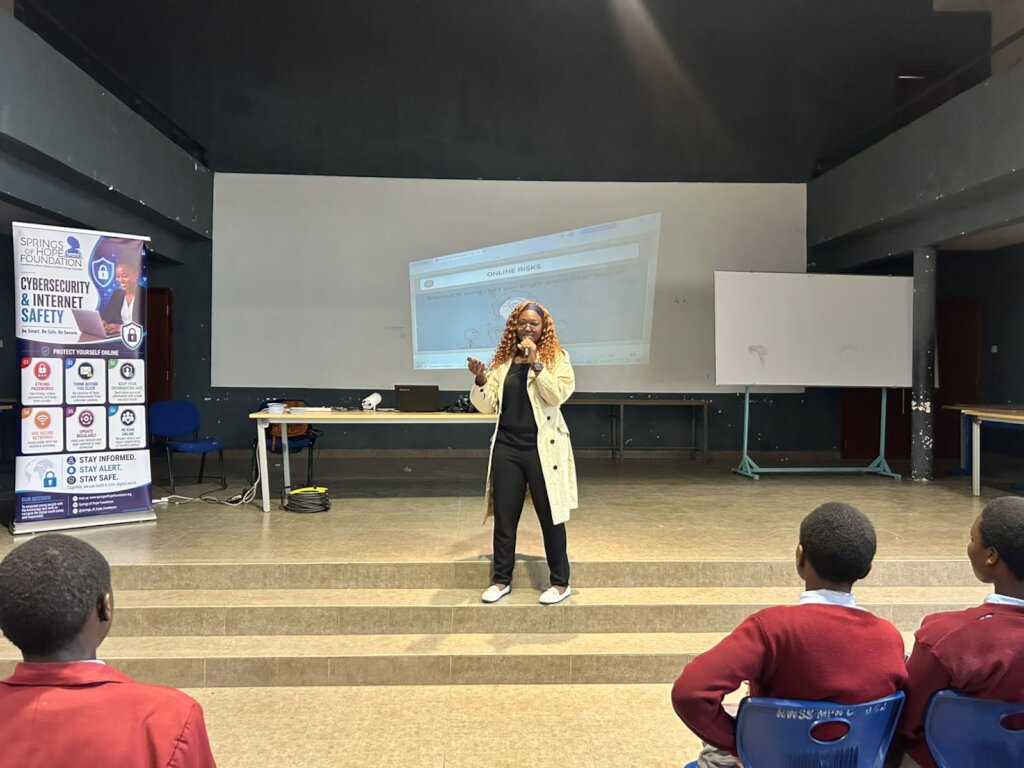
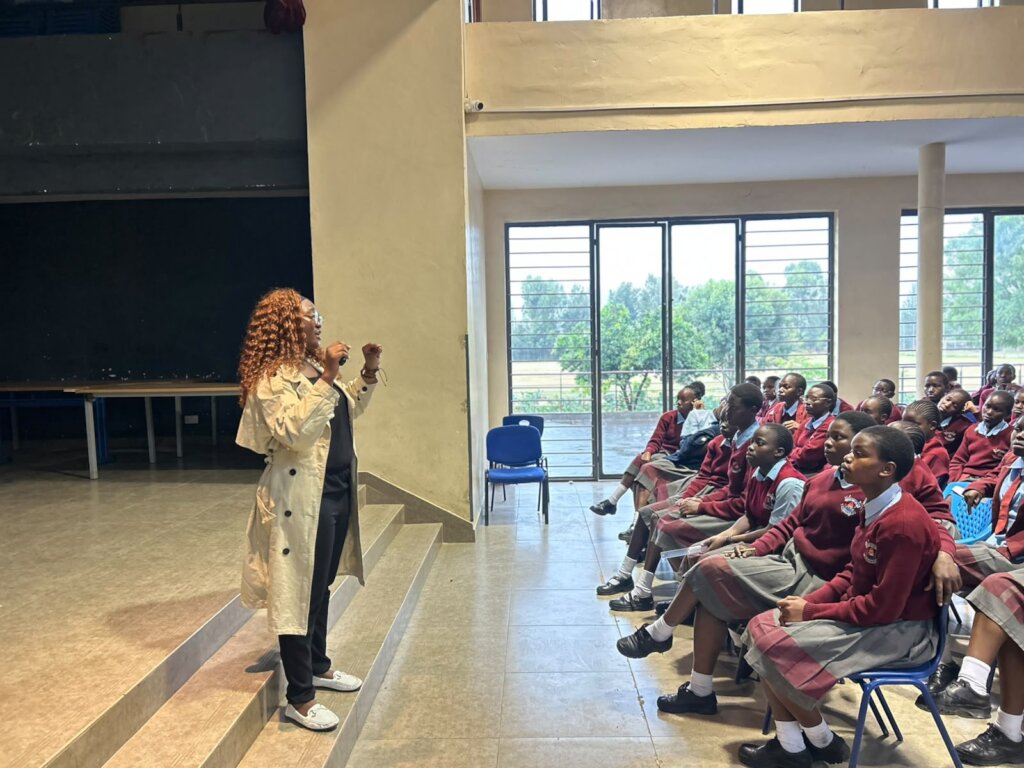
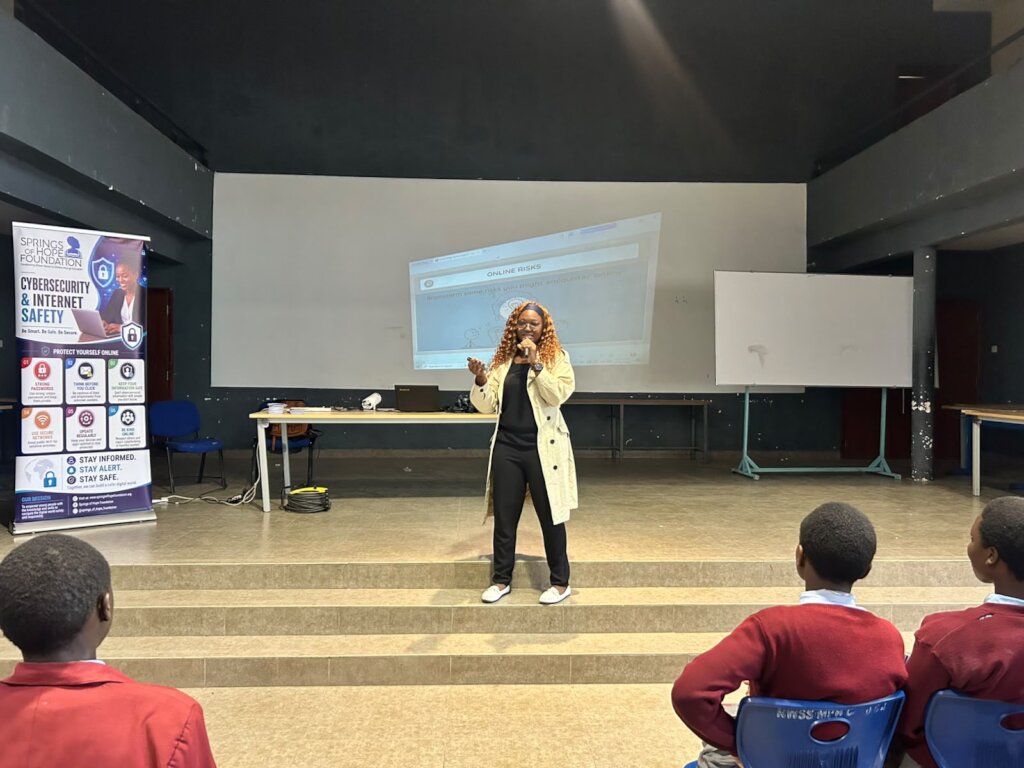
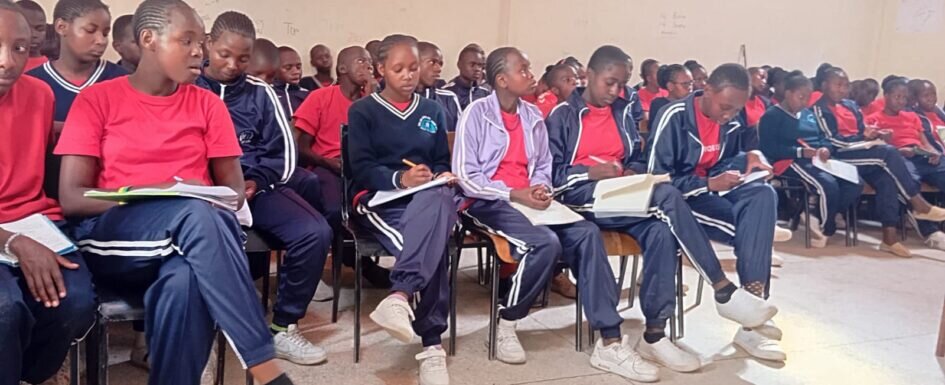
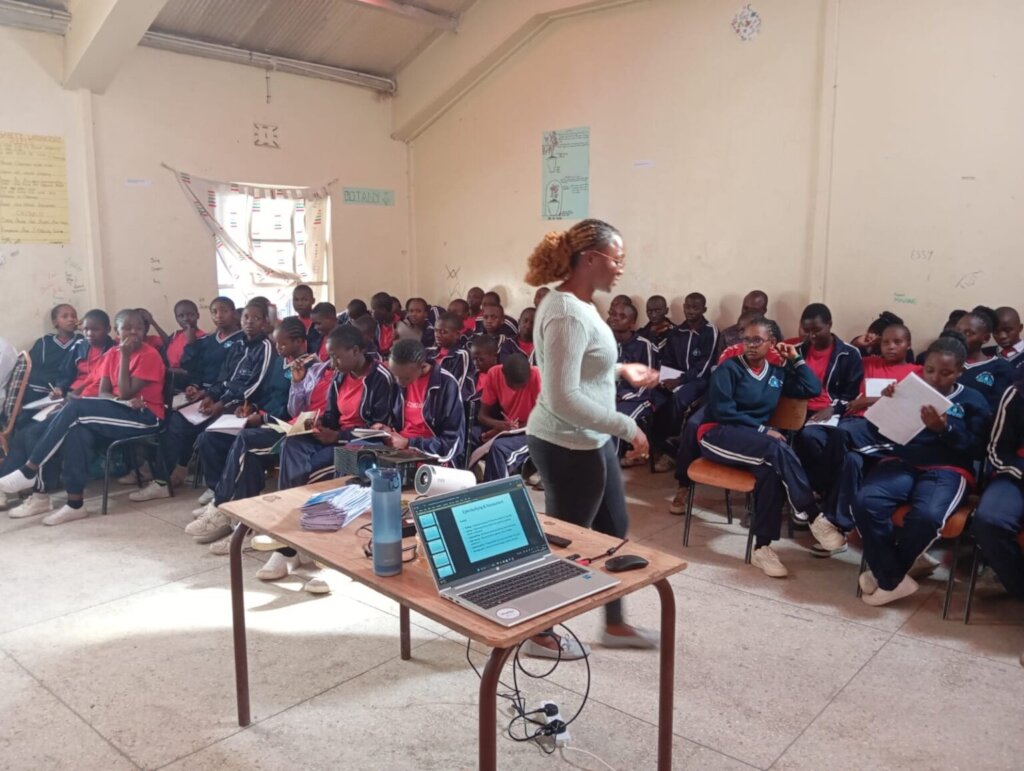
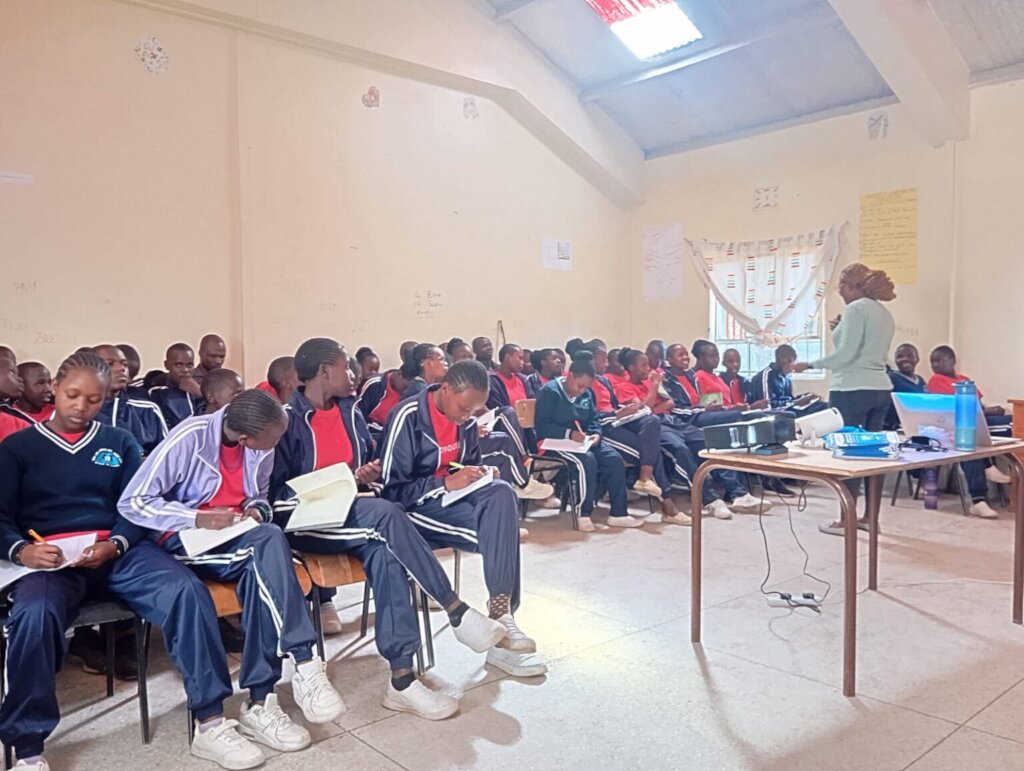
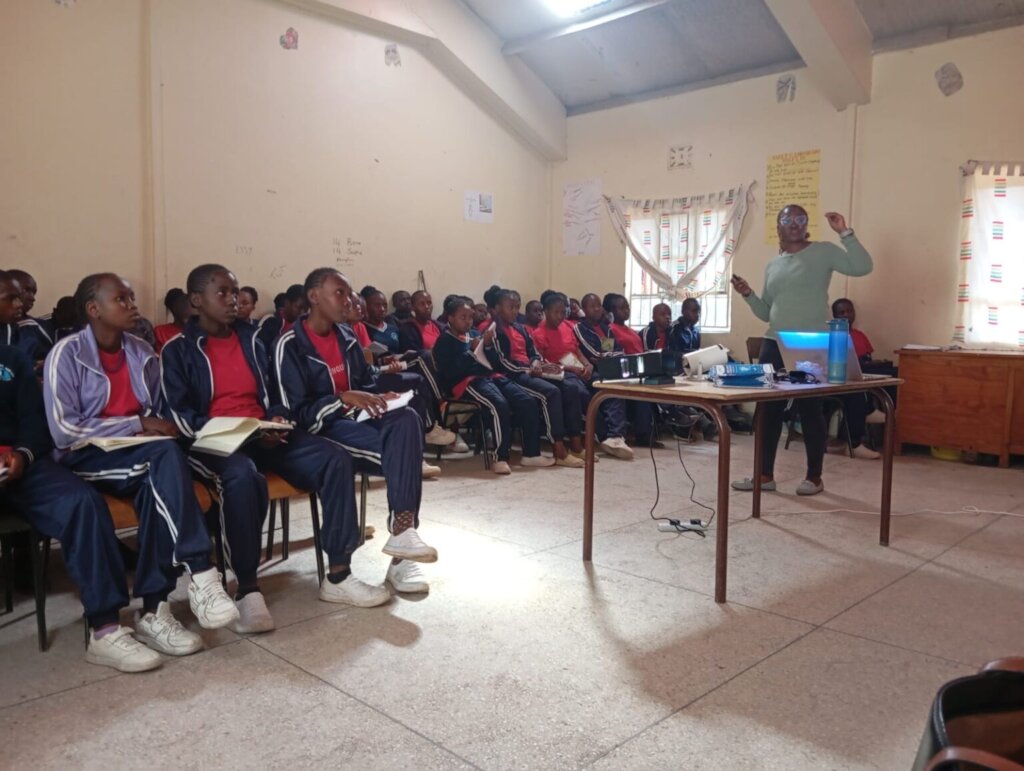
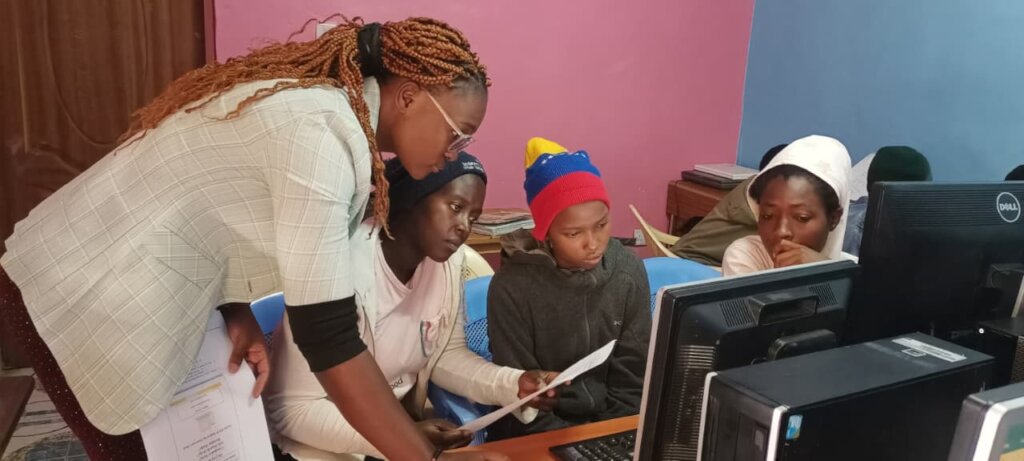
On 19 September 2026, I walked into Nakuru West Secondary School to talk to 310 Form 3 students about internet safety. I had planned a 90-minute session covering online privacy, identity theft, passwords, public Wi-Fi, and the risks of sharing personal information with strangers.
The school is in Shabaab, an area of Nakuru where insecurity can make everyday movement a concern. Before the visit, a former history teacher of mine, who now teaches at the school, had explained some of the challenges the school faced. He also told me that facilitators could be reluctant to visit because of concerns about students' safety when walking home.
I understood those concerns better as the session progressed. We eventually had to shorten the programme so the students could leave while it was still safe to travel home. But before we wrapped up, we had a conversation that I kept thinking about long after I left the school.
Would You Eat Food Delivered by a Stranger?
During the session, I asked one student what her favourite meal was.
"Chapati and chicken," she said.
I then asked her to imagine someone knocking on her door with a plate of chapati and chicken, claiming that an unknown person had already paid for the meal. Would she accept it and eat it?
The students answered almost immediately. No.
I followed up with another question. What if a stranger sent you a link or a document online? Would you open it?
This time, the answers were different. Many students admitted they would probably click on it.
We stopped there for a moment because that was exactly the point I wanted them to think about. Most of us are cautious when a stranger appears at our door with something unexpected. Online, however, we can be much less careful. A link arrives in a message, a document looks interesting, or someone promises something exciting, and we click before considering who sent it or where it might lead.
That link could expose personal information, lead to a fraudulent website, or install malicious software. A message does not have to look threatening to put someone at risk.
The chapati and chicken question gave the students a familiar way to think about a risk they encounter on their phones. They already knew how to be cautious. The challenge was recognising that the same caution applies online.
The Passwords We Think Nobody Can Guess
As we continued talking about online privacy and account security, the students began sharing some of their own habits.
Several admitted to using their year of birth as their M-PESA PIN. Others said they used family names, including their mother's or father's names, as passwords for social media accounts.
These choices can seem convenient because they are easy to remember. The problem is that information such as a birth year or a family member's name may be relatively easy for someone to discover, especially if it appears on social media.
We discussed why financial PINs and account passwords need to be difficult for other people to guess, why personal information should be kept private, and why opening a link from an unknown source can be risky.
By the end of the discussion, some students were saying they would change their M-PESA PINs and enable multi-factor authentication on accounts where they could. These were practical steps they could take themselves, without waiting for another lesson.
For me, that was an important part of the session. It is easy to sit through a presentation, agree with everything the facilitator says, and return to the same habits afterwards. Recognising that a password you use every day could put your account at risk gives you a reason to do something differently.
"How Do I Know If My Account Has Been Hacked?"
The students had plenty of questions, and we ran out of time before we could answer them all.
One student wanted to know how to tell whether an account had been hacked. Another asked whether they could get in touch with me so I could teach them more when I had time.
I left thinking about that second question. The students were asking for another opportunity to learn, and some wanted to continue the conversation beyond the session itself.
Madam Salima, the school's guidance and counselling teacher, proposed that we return to finish the discussion with the Form 3 students. She also suggested arranging sessions for Grade 10 and Form 4 students who wanted to learn the same things.
We had covered the basics, but the questions showed that there was more to discuss. Knowing how to create a strong password is useful. Knowing what to do when an account is compromised, how to recognise a scam, and where to seek help when something goes wrong are equally important.
A Familiar Face in the Classroom
There was another moment that made the visit personal for me. My former history teacher, who had introduced me to the school, was there to see the session. At one point, he told the students that I had once sat in his classroom as a student myself.
I could see that he was proud, and I appreciated that he took the time to share this with them. I also thought about the students sitting in front of me. They were teenagers trying to make their way through school, relationships, friendships, and the online world, often without having all the information they needed to make safe decisions.
They deserved access to that information, regardless of the school's location or the challenges its students faced.
Taking the Conversation Beyond One School
At Springs of Hope Foundation, our digital safety work involves helping young people understand the risks they may encounter online and giving them practical ways to protect themselves. That includes recognising suspicious links, protecting personal information, securing accounts, and knowing what steps to take when something goes wrong.
The visit to Nakuru West also reminded me that a single session has limits. With 310 students in the room and only 90 minutes available, there was little opportunity to answer every question or work through every example. We left with a plan to return and continue the conversation.
I hope we can do that soon.
For now, I keep coming back to the chapati and chicken question. The students did not need much time to decide that accepting food from an unknown stranger could be risky. We need to help them apply that same thinking to the messages, links, requests, and offers they encounter on their phones every day.
And next time someone sends them a link, I hope at least a few of them will remember that plate of chapati and chicken before they click.
Written by Maggy June
Programme Coordinator & Community Outreach Officer
Springs of Hope Foundation
Links:
By Maggy June | Program Coordinator & Community Outreach Officer
By Maggy June | Program Assistant
Project reports on GlobalGiving are posted directly to globalgiving.org by Project Leaders as they are completed, generally every 3-4 months. To protect the integrity of these documents, GlobalGiving does not alter them; therefore you may find some language or formatting issues.
If you donate to this project or have donated to this project, you can receive an email when this project posts a report. You can also subscribe for reports without donating.


Support this important cause by creating a personalized fundraising page.
Start a Fundraiser