By Mary Punnoose | Chief Functionary
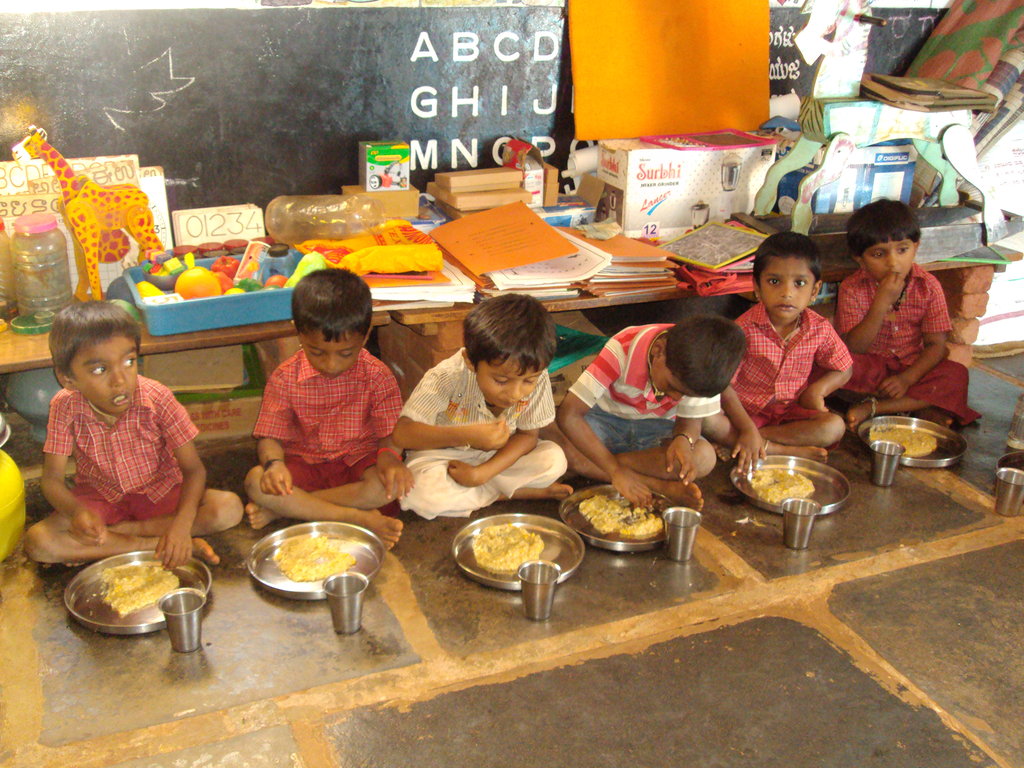
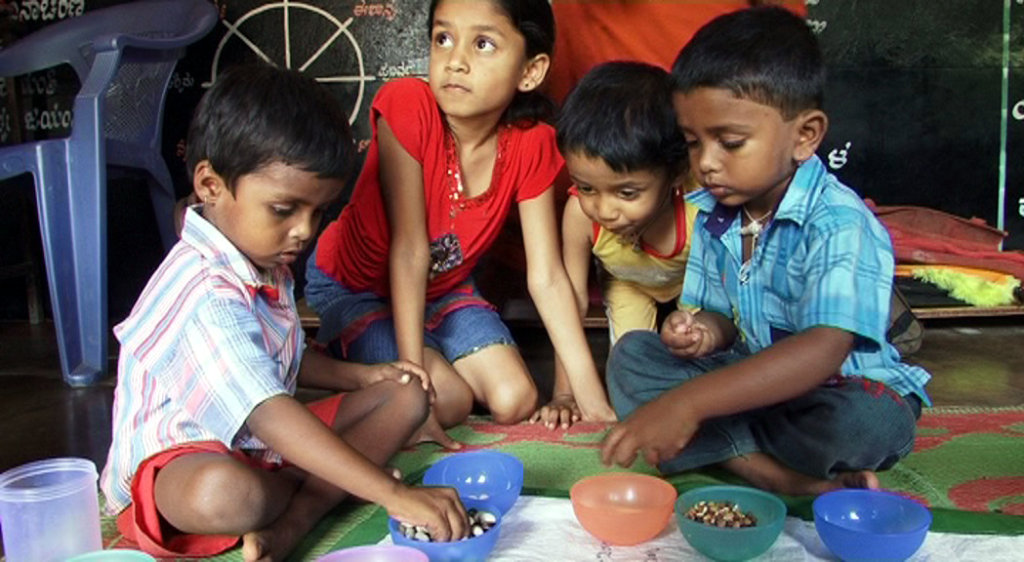
Over the years, Prajayatna has understood the importance of the helper’s role in managing the anganwadi center as well as learning of the children. We thus try to emphasize their role as assistant teachers rather than helpers, who have designated limited tasks such as fetching water, cooking nutritious food, cleaning the center, manage children while they eat and while they use the toilet etc. The role of an ‘assistant teacher’ would give them a sense of pride in their role and make them realize the important role they play in the smooth functioning of the Centre. With the teacher not available on many days due to some training or meeting with her superiors, it becomes imperative that the assistant teachers take up the role of the teachers and cater to the learning needs of the children. Apart from this with the number of children high in the Centres and with only one teacher available per Centre it becomes inevitable for the helper to become an assistant teacher in order to be able to manage all the children.
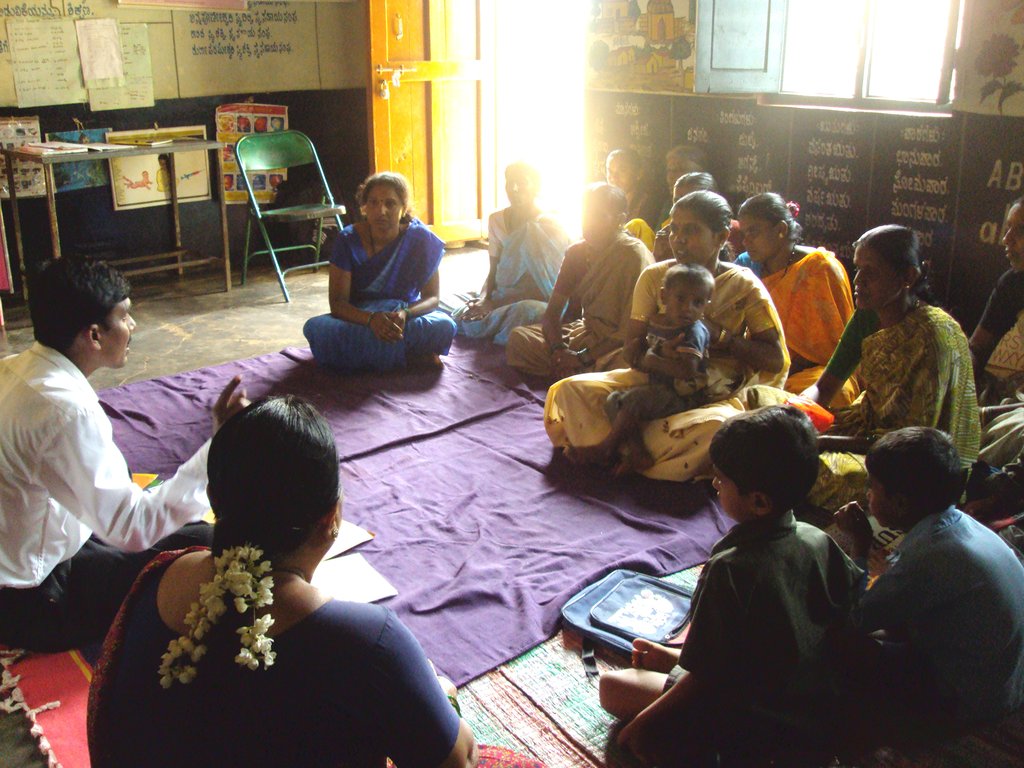
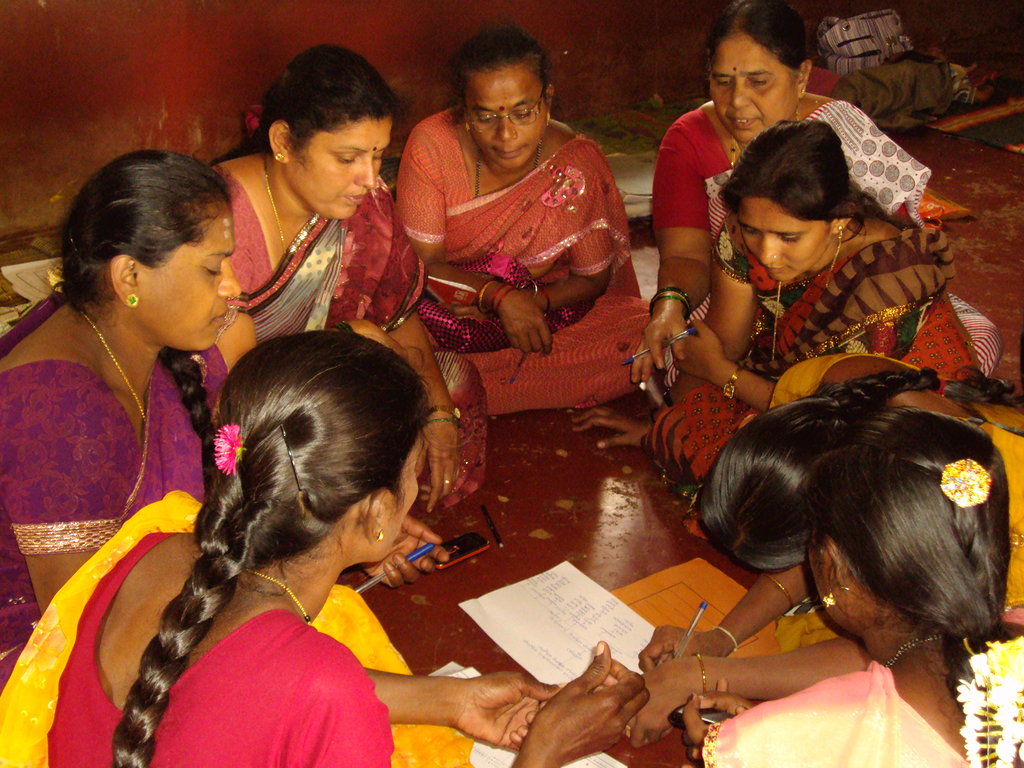
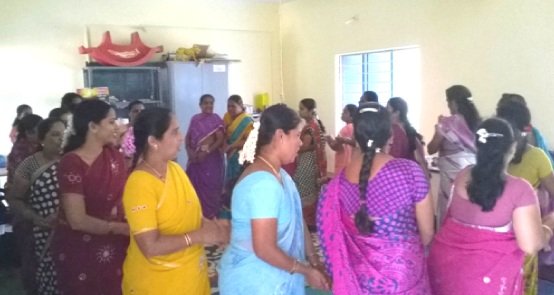
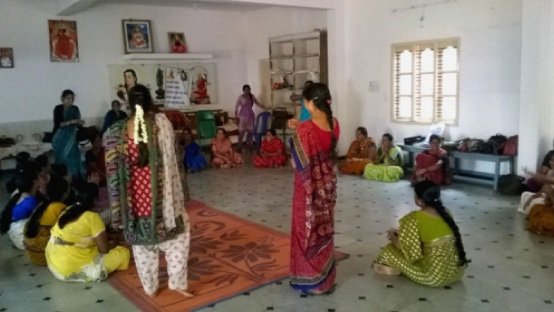
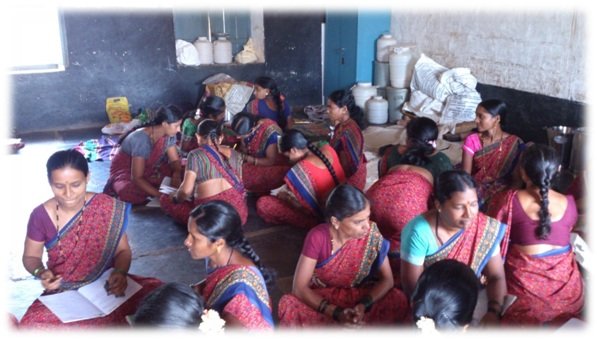
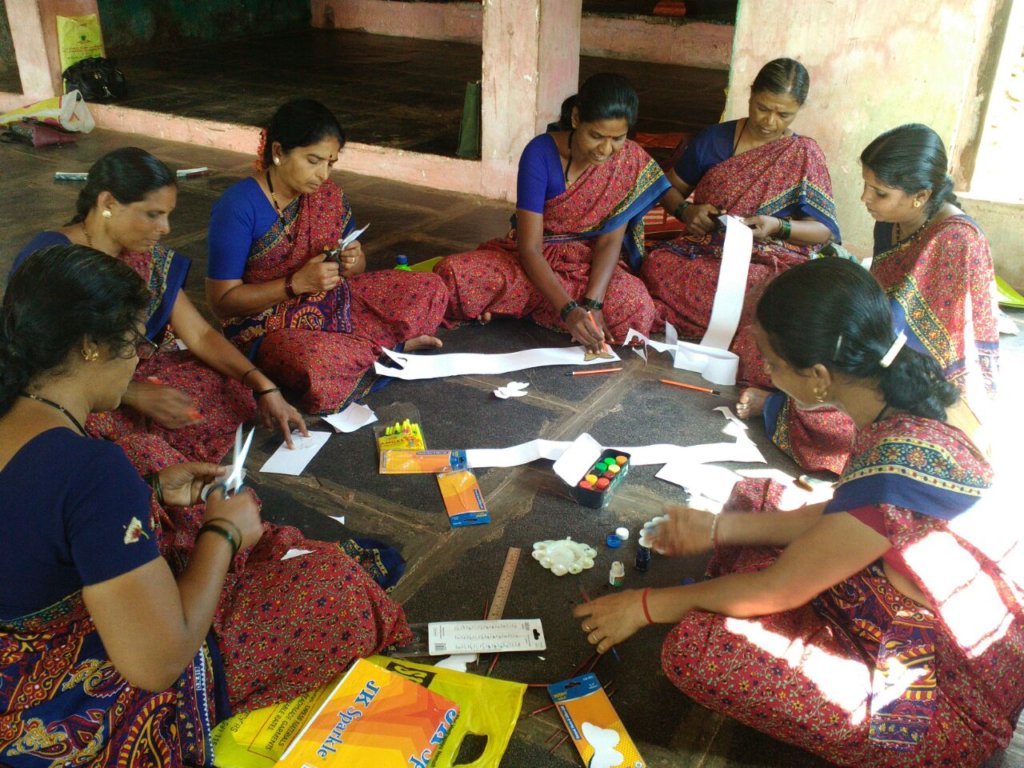
Trainings were organized for all the assistant teachers in order to enhance their capabilities. The session began by enabling them to share their concerns. Many of them expressed their joy in being able to attend such trainings, where they were able to learn new things such as learning activities, new songs, games and stories as most of the meetings were attended by the teachers and so they did not get much of an exposure. The facilitator shared what was observed during the visits to the Centres where only the teachers would be engaged in learning activities with children with the assistant teacher doing things which did not involve interaction with children. The assistant teachers accepted the feedback and said that in future they would try and engage with the children. They shared that in order to do that they also required understanding and training for that. A discussion then took place on early childhood care and education and its importance. They were made to see their role in the broader context of ‘Child Development’ such as – What is the purpose of the Anganwadi, what children should learn, how does a child learn, do all the children learn in a similar way, what is the role played by the teacher and assistant teacher etc. Subsequently, they were asked to make a list of possible activities that they could engage with in the center.
A session was then conducted on storytelling. They were then taught some new rhymes and group games which could be utilized back in their centres. Since many of the assistant teachers had a good rapport with the parents and community of the children, they were asked to get the community involved in the Centres as well. The assistant teachers went away from the training with a firm resolve to engage with the children and support the teachers in the management of the Centres including the learning of the children.
Changes observed in the center:
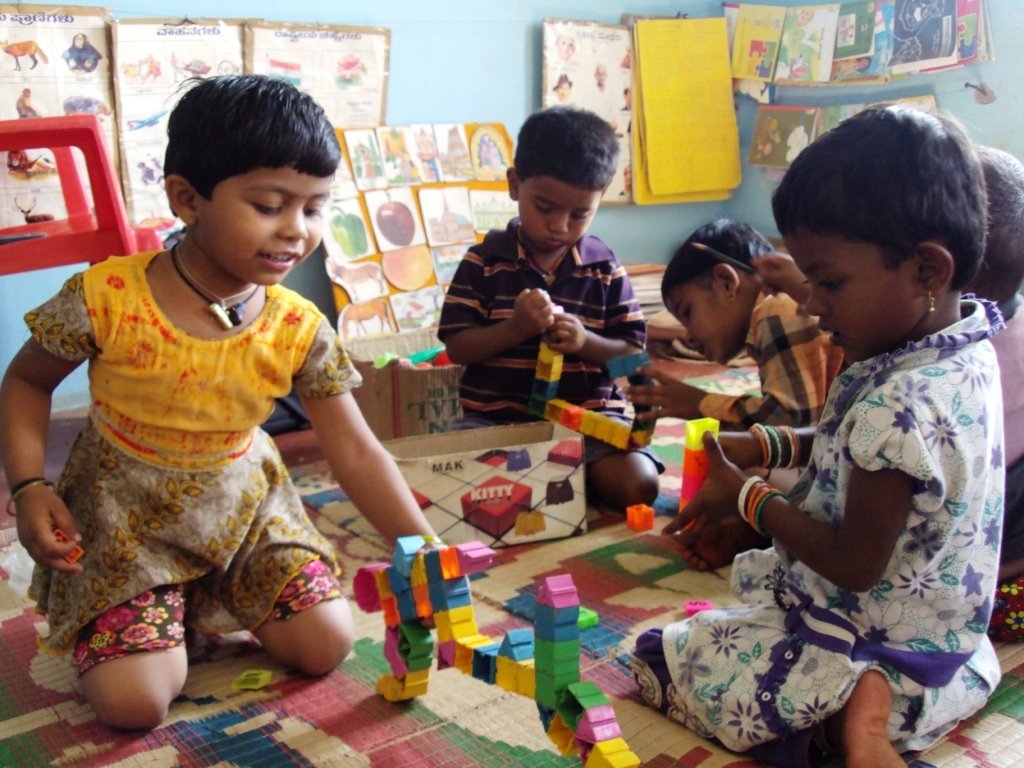
The immediate effect has been seen in the heightened confidence level of the assistant teachers. During visits to the Centres, it was seen that the assistant teachers were actually assisting the teachers in conducting the activities with the children with the assistant teachers animatedly interacting with the children. Both the teachers and the assistant teachers have jointly ensured that hygiene is managed in the Centres both of the children and the physical Centre as well. The assistant teachers ensure that the learning materials are organized well and in a manner which is accessible to the children. Teachers have commented on the involvement of their assistant teachers in many centres.
Empowerment of the assistant teacher – a case study
Suradevanapura center is located on Doddaballapur – Bengaluru main road in Arakere GP, Bengaluru Urban district. The center is situated within the compound of the Government school in a separate premises built by the Gram Panchayat and has all the basic facilities, with 25 children enrolled.
The teacher Manjula and assistant teacher Bhagyamma, both actively take part in the Centre’s activities. The responsibilities of managing the center and engaging children in learning are shared equally. Bhagyamma supports Manjula in preparing teaching materials and prepares some on her own according to the concept introduced to the children. Bhagyamma has built a good rapport with the community. Parents visit the center regularly; assist in the center activities when one of them is not available in the center due to leave, training or any other reasons. They share learning and development details of children with their parents. Both of them have taken extra care in maintaining cleanliness and hygiene in and around the Centre.
When there was spread of viral fever across the village, some of the Anganwadi children got affected. In order to prevent further infection, Manjula and Bhagyamma discussed among themselves and decided to approach the Health Department. As a response to their interaction and request, the officials from the Health Department visited the village and created awareness among the parents and the community and subsequently the teachers and community together cleared the weeds, the unwanted bushes and the garbage in the village, in order to prevent spread of any diseases.
By Mary | Chief Functionary
By Mary | Chief Functionary
Project reports on GlobalGiving are posted directly to globalgiving.org by Project Leaders as they are completed, generally every 3-4 months. To protect the integrity of these documents, GlobalGiving does not alter them; therefore you may find some language or formatting issues.
If you donate to this project or have donated to this project, you can receive an email when this project posts a report. You can also subscribe for reports without donating.