By FUNDACION EDUCA MEXICO, A.C. | Fundacion EDUCA
Project progress during 2022
12 schools received signage for walls and floors.
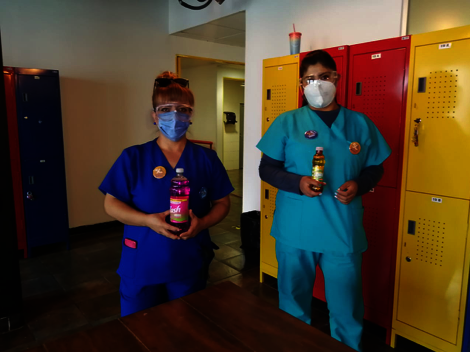
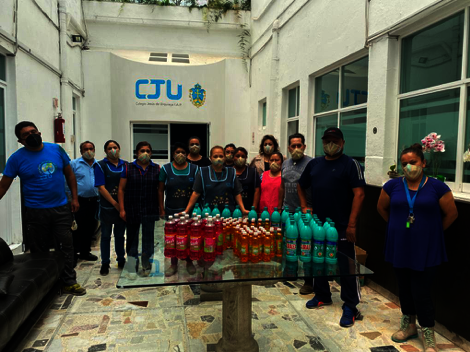
12 schools received their safe school kit.
• 12 schools received the 3 capsules to strengthen sanitary measures at school and at home.
• Additionally, 40 organizations of the RED EDUCA received the capsules as support material.
• Capsules were published on EDUCA's social networks to share them with other interested schools.
• So far, no school has applied for the support. Schools are pending official provisions.
• 12 schools were trained to prepare their protocols and implement co-responsibility filters (mothers/fathers, teachers and directors), through 2 workshops:
1. Workshop on the implementation of co-responsibility school protocols (1 of 2) https://youtu.be/pBl4ysytLuY
2. Workshop on the implementation of school co-responsibility protocols (2 of 2)
https://youtu.be/_tbfUUD4Jgk
• Additionally, 40 organizations from RED EDUCA were invited to the workshops.
• The workshops were published on social networks for the benefit of other interested schools.
• 12 schools are implementing the protocols.
The school kit delivered to the 12 schools consisted of:
15 partitions or more for each of the 12 schools.
70 healthy distance signs and markings on average per school.
40 gallons of antibacterial gel.
40 gallons of sanitizer.
3 infrared thermometers.
2-3 heavy-duty pedal dispensers per school.
Socio-emotional capacity of students
Level 3 of Preschool:
• They stay focused when doing their homework (75.6%)
• They accept criticism without getting angry (66.3%)
• They remain calm when disturbed or distracted (66.1%)
• They feel good learning virtually (65.1%)
• They like to learn virtually (63.4%)
• Calmly resolve disagreements (63.2%)
• They are attentive to their peers when they are upset (56.4%)
• They remain calm when they disagree with their peers (54.6%)
• They feel bad when their classmates are sad (54%)
• They stay interested when they are doing their homework (53.2%)
The dimensions in which they are found are emotional regulation and self-awareness.
Level 3 of Primary:
• They stay focused when doing their homework (71.4%)
• Accept criticism without getting angry (71%)
• They remain calm when disturbed or distracted (63.4%)
• They tell someone when they have difficulties (61.4%)
• They feel good learning virtually (59.8%)
• They like to learn virtually (59.1%)
• Calmly resolve disagreements (54.1%)
• They remain calm when they disagree with their peers (51.9%)
• Respond appropriately when pushed or hit (49.8%)
• They recognize the feelings of their peers (49.2%)
The dimensions in which they are found are emotional regulation and self-awareness.
Level 6 of Primary:
• They express their feelings when they are hurt (80%)
• They stay focused when doing their homework (60.1%)
• Recognize and express basic personal emotions (56.4%)
• They like to learn virtually (56.4%)
• They remain calm when disturbed or distracted (56.4%)
• They remain calm when they disagree with their peers (56.4%)
• They feel good learning virtually (54.5%)
• Calmly resolve disagreements (54.5%)
• Respond appropriately when pushed or hit (54.5%)
• They feel bad when their classmates are sad (53.4%)
The dimensions in which they are found are emotional regulation and self-awareness.
Secondary level:
• They talk to others about their emotions (83.7%)
• Identify when they feel jealous, fearful, scared, tense or sad (75%)
• Express their emotions appropriately (74%)
• Express appropriate feelings for the situation (64.3%)
• They like to learn virtually (64.1%)
• They feel good learning virtually (63.8%)
• They stay focused working when there are many distractions (63.8%)
• Ask for help when they don't understand something in class (63.2%)
• They reflect on their emotions (63%)
• They can understand complicated or difficult topics in class (59.3%)
The dimensions in which they are found are self-awareness and emotional regulation.
Upper Middle Level:
• They talk to others about their emotions (85.8%)
• Identify when they feel jealous, fearful, frightened, ashamed or disappointed (74%)
• They express their emotions appropriately (72.1%)
• They can understand complicated or difficult topics in class (64.7%)
• Express appropriate feelings for the situation (63.8%)
• They stay focused working when there are many distractions (63.8%)
• Ask for help when they don't understand something in class (62.4%)
• They feel good learning virtually (60%)
• They like to learn virtually (59.6)
• They reflect on their emotions (58.5%)
By EDUCA | EDUCA
By Fundacion EDUCA | Fundacion EDUCA
Project reports on GlobalGiving are posted directly to globalgiving.org by Project Leaders as they are completed, generally every 3-4 months. To protect the integrity of these documents, GlobalGiving does not alter them; therefore you may find some language or formatting issues.
If you donate to this project or have donated to this project, you can receive an email when this project posts a report. You can also subscribe for reports without donating.