Project Report
| Oct 28, 2025
Rewriting Futures of WWD's in Pakistan
By Sohail Rais | Project Director
![]()
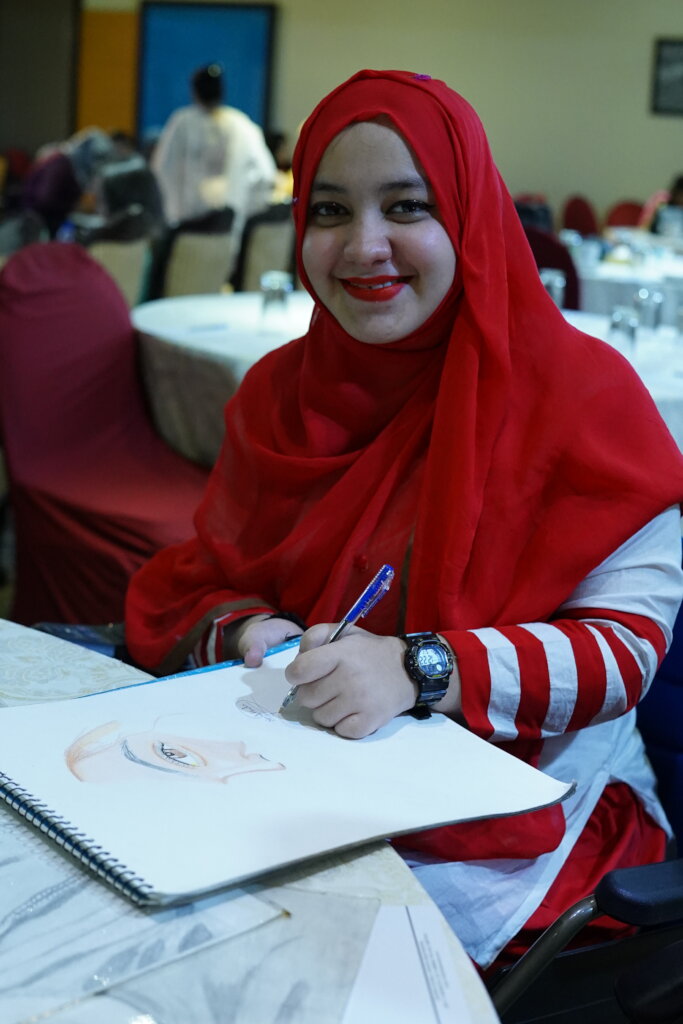
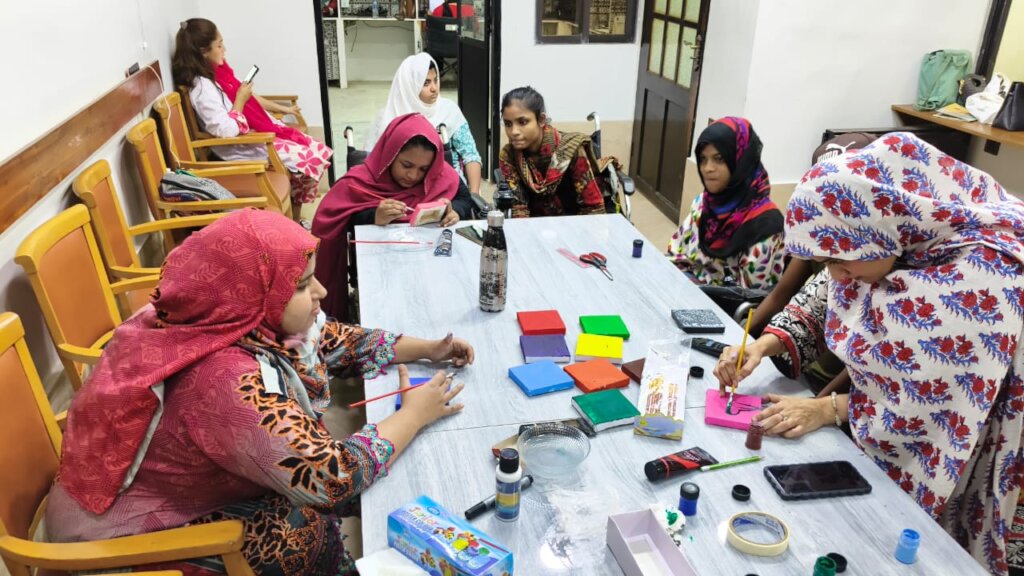
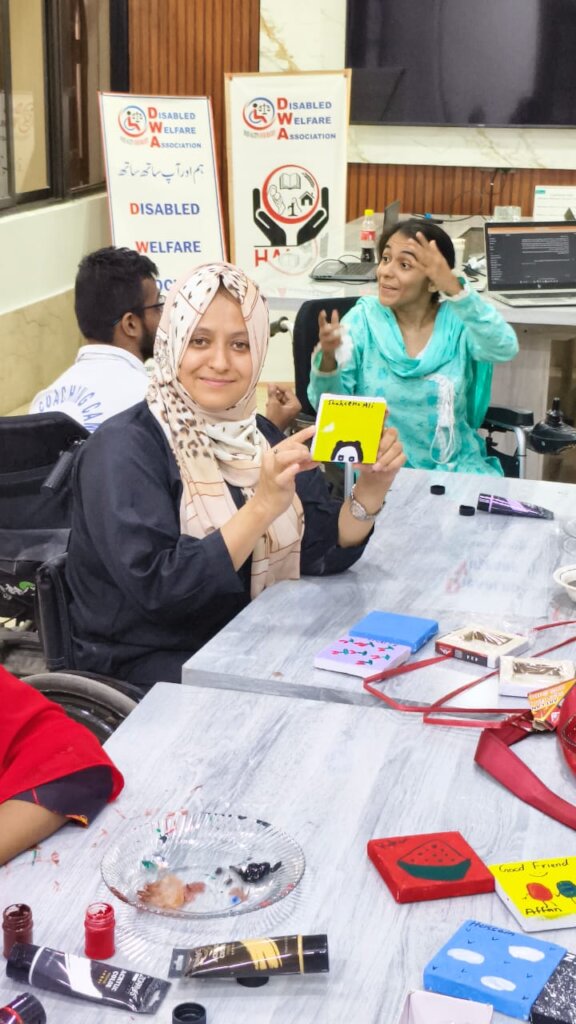
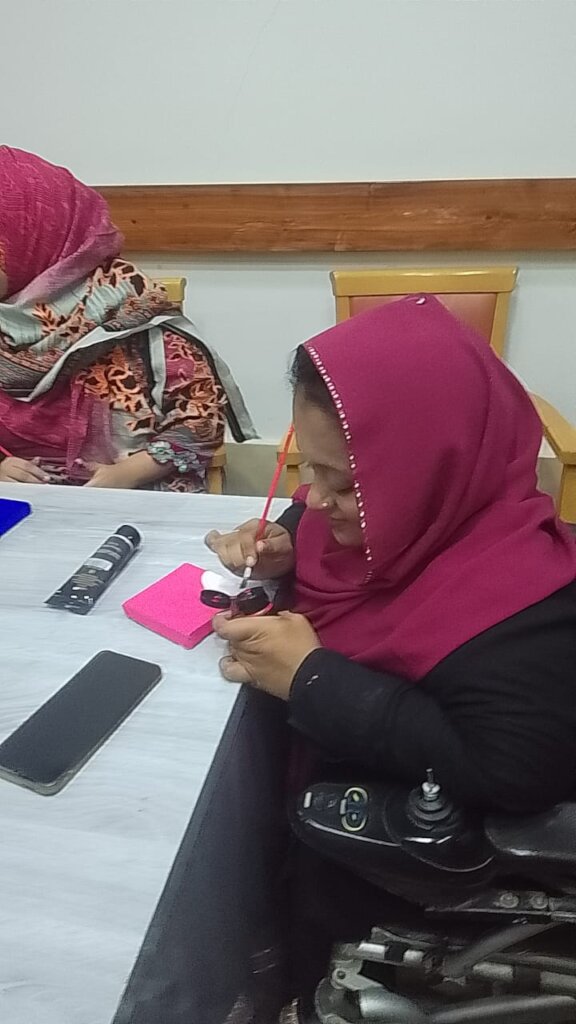
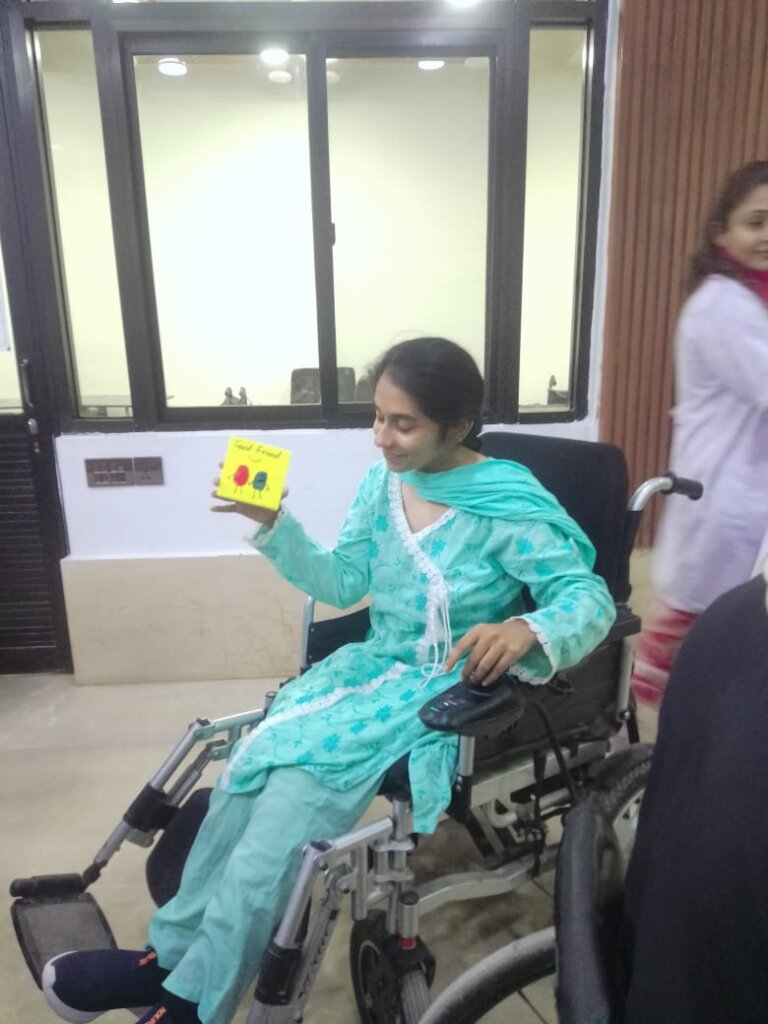
This quarter, Disabled Welfare Association (DWA) has made significant progress toward its goal of empowering 150 women with disabilities through education and skill development. A total of 112 women have been successfully enrolled in various educational and vocational training programs across the cities of Karachi, Hyderabad, and Thatta. By providing essential literacy, digital skills, and vocational training, the project is fostering empowerment, independence, and community inclusion for women with disabilities.
Key Objectives
-
Provide quality education to 150 women with disabilities, focusing on literacy and numeracy.
-
Enhance employability through vocational and digital skills training.
-
Promote inclusion and independence through mentorship and psychosocial support.
-
Engage communities to raise awareness and reduce stigma associated with disabilities.
Success Story Highlight
“From Silence to Strength” – Saima’s Journey
Saima, a 26-year-old woman with hearing impairment from Hyderabad, was initially hesitant to join the digital literacy program. However, with the support of mentors and interpreters, she quickly gained confidence and mastered computer skills. Saima has since started offering graphic design services from home, earning a modest income, and inspiring other women in her community to pursue their dreams despite challenges.
![]()
![]()
![]()
![]()
![Share on Twitter]()
![Share on Facebook]()
May 28, 2025
From Participation to Policy
By Sohail Rais | Project Director
![]()
Overview
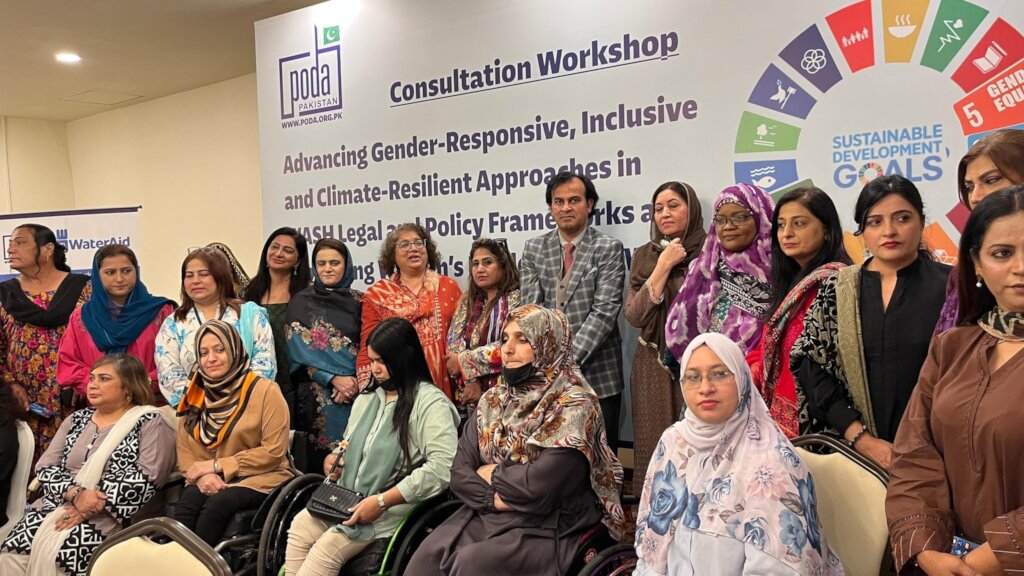
The Disabled Welfare Association (DWA) continues to make meaningful progress toward its mission of empowering women with disabilities across Pakistan. During this reporting period, DWA actively engaged 45 women with disabilities through a capacity-building consultation workshop organized in collaboration with PODA Pakistan and WaterAid. This event aimed to integrate gender-responsive and climate-resilient approaches into policy dialogues, promoting inclusive development in line with Sustainable Development Goals (SDGs).
Key Activities and Outcomes
-
Consultation Workshop Held:
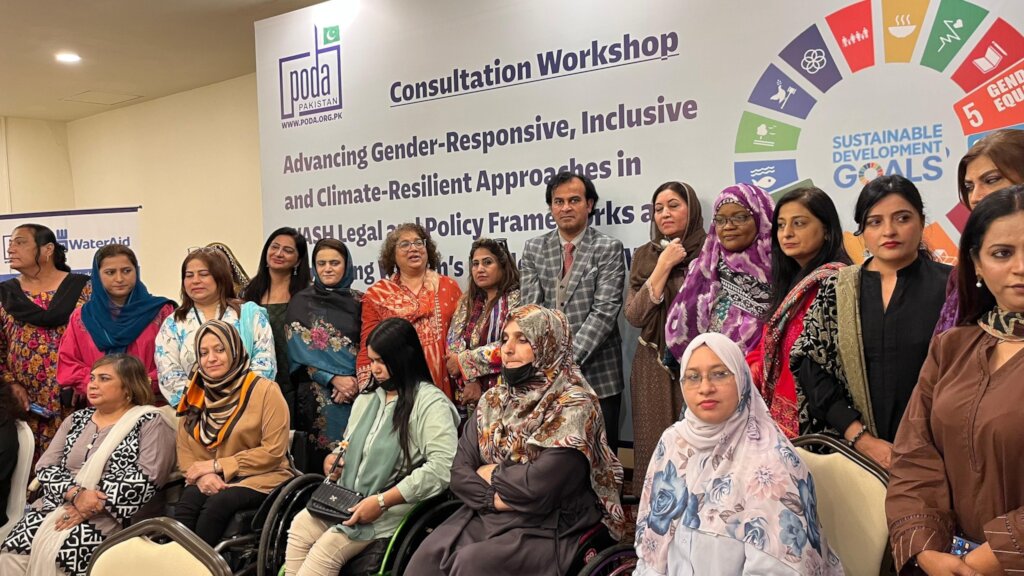
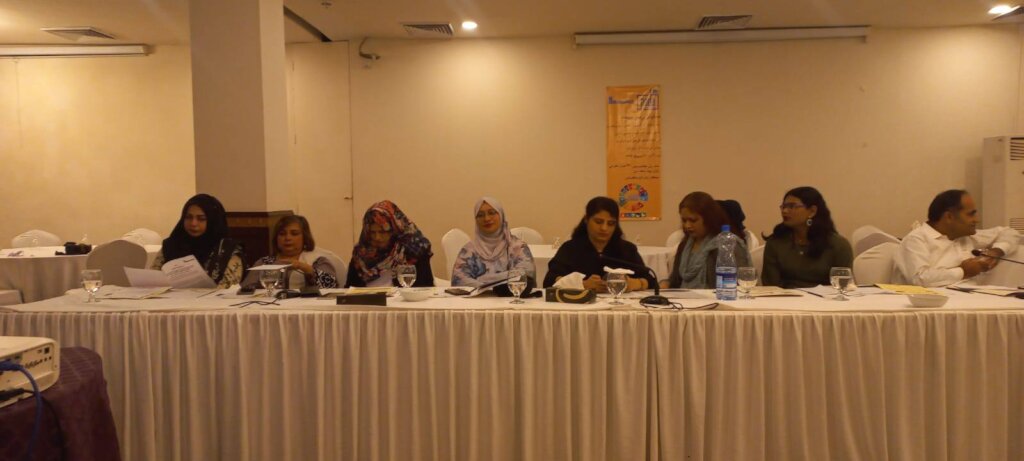
A multi-stakeholder consultation workshop titled “Advancing Gender-Responsive, Inclusive, and Climate-Resilient Approaches in WASH Legal and Policy Frameworks” was conducted. It involved diverse participants, including women with physical disabilities, legal experts, policymakers, and development partners.
-
Women’s Participation:
Over 20 women with disabilities from different regions were directly involved in knowledge-sharing and policy discussions. Their presence was vital in shaping advocacy strategies for inclusive legal reforms in Pakistan’s WASH (Water, Sanitation, and Hygiene) sector.
-
Visibility and Inclusion:
The workshop created a visible platform for disabled women leaders to voice their concerns, share lived experiences, and advocate for intersectional solutions. These women were actively involved in group discussions, presented policy recommendations, and interacted with national-level decision-makers.
Visual Documentation
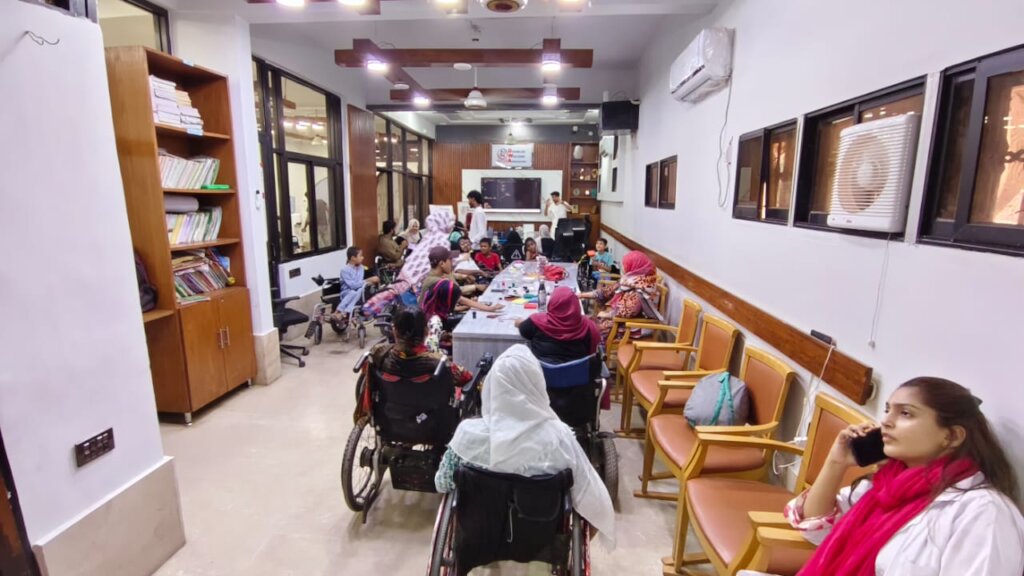
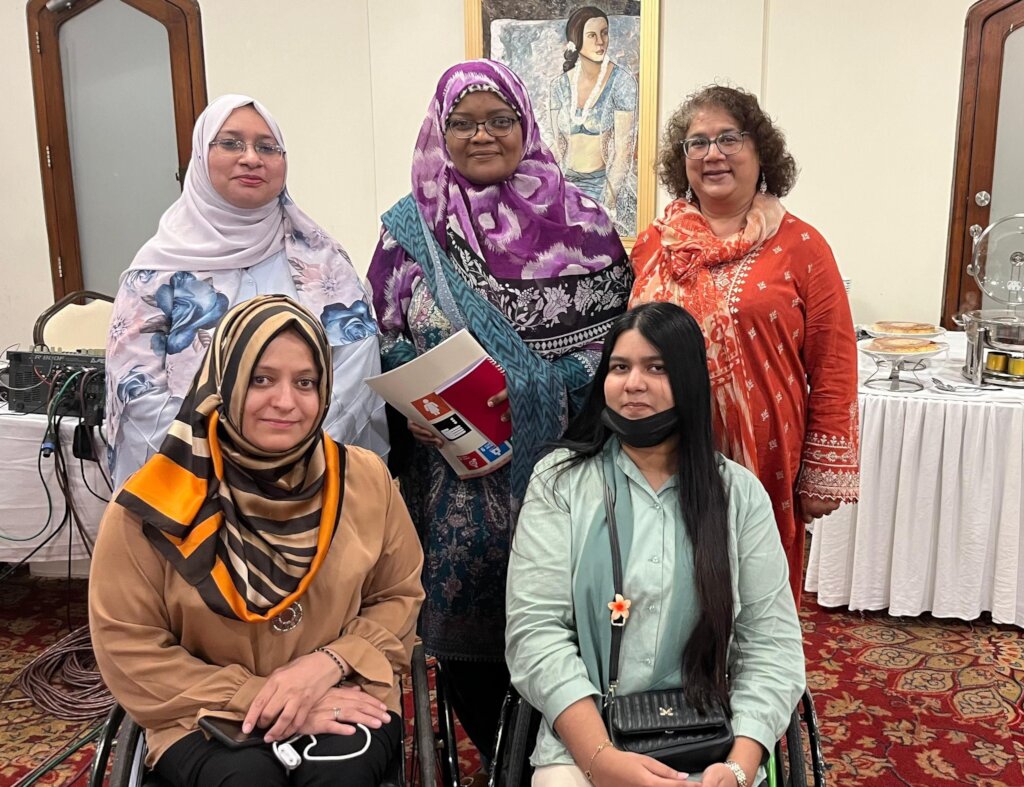
The photos attached with this report capture moments from the workshop, highlighting:
-
Active participation of women in wheelchairs and with various physical disabilities.
-
Collaborative sessions and networking among stakeholders.
-
Representation of SDG themes and gender equality in the dialogue process.
Challenges Faced
Next Steps
-
Organize localized follow-up sessions in remote regions.
-
Provide digital toolkits and policy briefs in accessible formats.
-
Expand participation to reach the remaining target of 150 women.
Acknowledgment
We extend our heartfelt gratitude to GlobalGiving and our donors for enabling this impactful journey toward inclusivity. Your support has helped amplify the voices of women with disabilities who have long been excluded from policy conversations.
![]()
![]()
![]()
![Share on Twitter]()
![Share on Facebook]()
Jan 14, 2025
Chess Training Program for Women with Disabilities
By Sohail Rais | Project Director
![]()
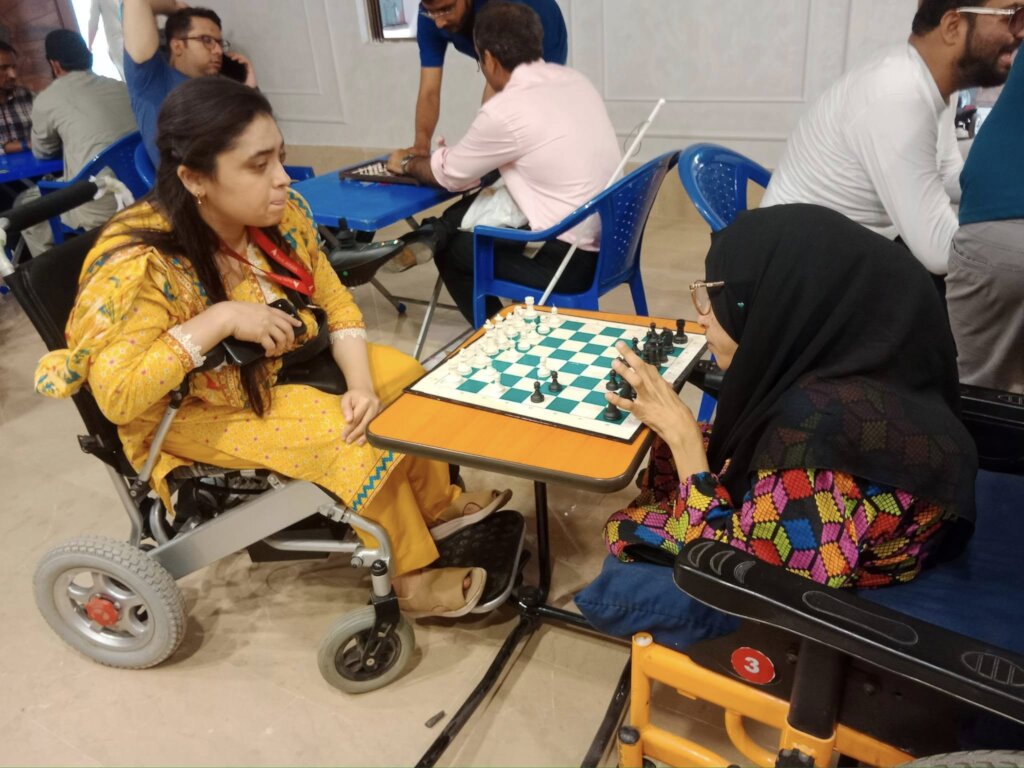
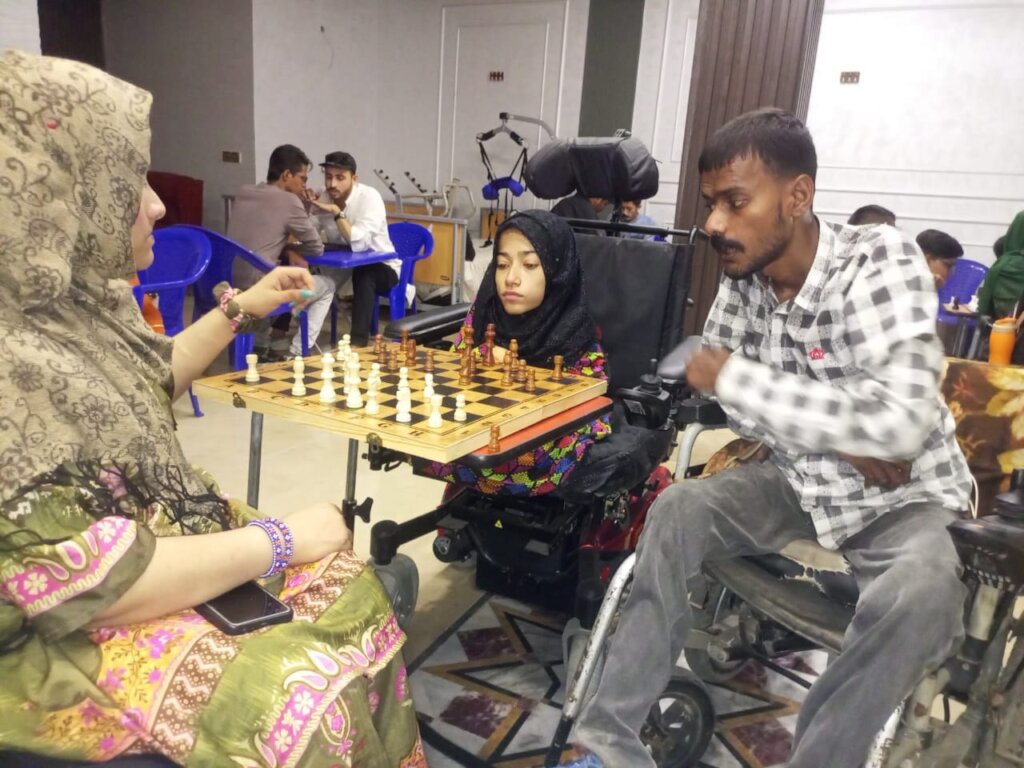
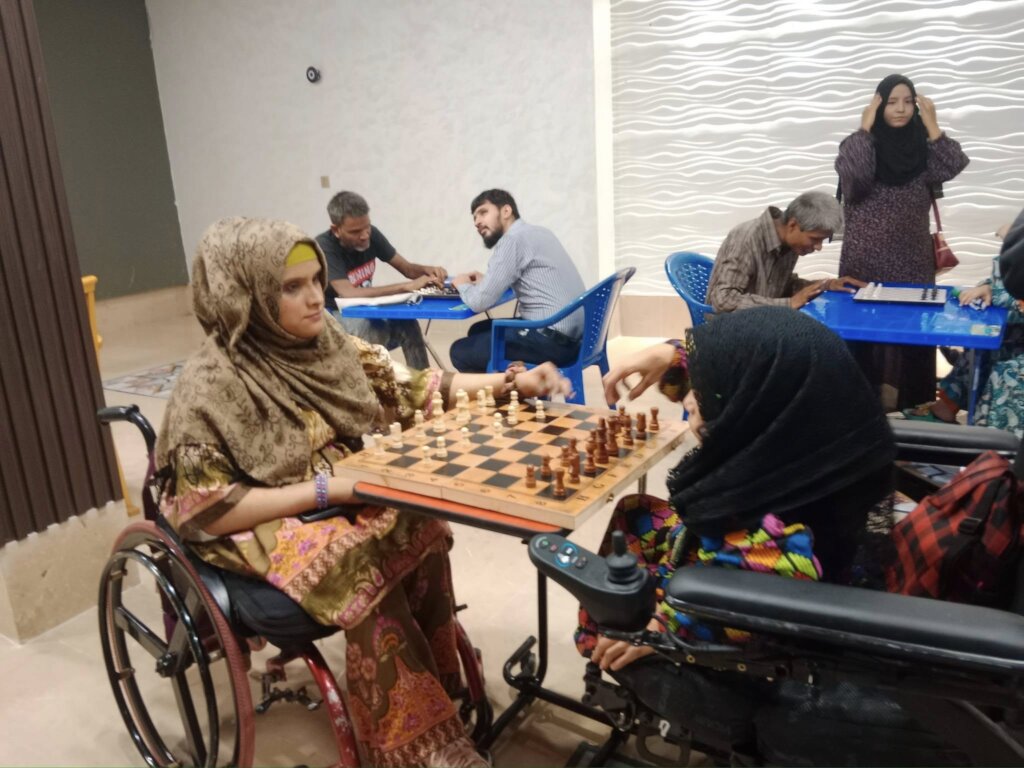
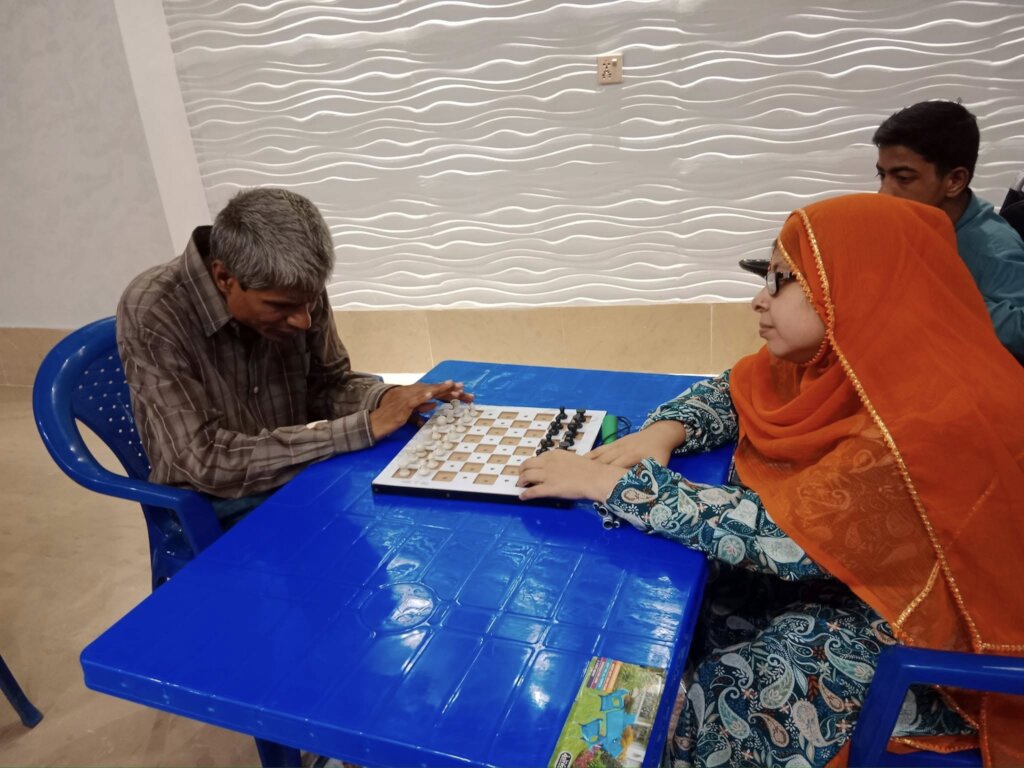
The Disabled Welfare Association (DWA) organized a unique chess training program specifically designed for women with disabilities. The initiative aimed to promote mental health, enhance cognitive abilities, and foster a sense of empowerment among participants.
Program Details:
- Target Audience: Women with physical, visual, or other disabilities
- Training Sessions: The program included beginner to advanced-level chess training sessions conducted by experienced trainers.
- Format: Interactive and adaptive learning methods, including accessible chessboards and digital tools tailored to individual needs.
- Venue: [Specify location if known or say "Community Center" or "DWA Headquarters"]
- Duration: [Specify duration, e.g., 1 week, ongoing program]
Benefits to Participants:
-
Mental Health Improvement:
- Chess encourages strategic thinking and problem-solving, reducing stress and anxiety.
- Enhances focus, memory, and decision-making skills.
-
Community Building:
- The program fostered social interaction and mutual support among participants, creating a strong sense of community.
-
Empowerment and Confidence:
- Participants reported increased self-esteem and a feeling of empowerment through mastering the game.
Key Highlights:
- Over [number of participants] women with disabilities participated enthusiastically.
- Trainers shared inspirational stories and strategies to inspire participants.
- The event concluded with a mini-tournament, where participants showcased their newly acquired skills.
Feedback from Participants:
Participants expressed immense gratitude for the opportunity to learn chess, highlighting the program's positive impact on their mental well-being and sense of accomplishment.
Future Plans:
DWA plans to expand this initiative to include more participants, offer advanced training sessions, and integrate regular tournaments to maintain engagement and skill development.
Conclusion:
The Chess Training Program for Women with Disabilities demonstrated how a thoughtful initiative could empower women, improve mental health, and build a supportive community. The Disabled Welfare Association remains committed to enhancing the quality of life for individuals with disabilities through innovative programs like this.
![]()
![]()
![]()
![Share on Twitter]()
![Share on Facebook]()