By Newton Mugeni | Project Director
The implementation of a soap-making project targeting youth and women from economically disadvantaged backgrounds in Dandora is a strategic livelihood intervention aimed at promoting economic empowerment and financial inclusion. Leveraging the consistent market demand for soap products and the relatively low startup costs, the project is structured to combine technical skills development with micro-enterprise creation, thereby enabling beneficiaries to generate sustainable income, improve their livelihoods, and enhance their socio-economic resilience.
At present, the project is in the planning and resource mobilization phase and has not yet commenced, as the organization is actively seeking adequate startup capital to support its effective rollout and sustainability.
1. Project Model
Hybrid model/ Income-generating
Train → Produce → Brand → Sell → Reinvest
The project adopts a hybrid, income-generating model that integrates skills development with enterprise creation to ensure both immediate impact and long-term sustainability.
This model operates through a structured value chain approach:
1. Training
Beneficiaries (youth and women from low-income backgrounds) undergo hands-on training in soap production, safety procedures, quality control, and basic business management. This phase builds practical, market-relevant skills.
2. Produce
Upon completion of training, participants transition into organized production groups where they begin manufacturing soap products using the acquired skills. This phase emphasizes consistency, efficiency, and product quality.
3. Brand
The project supports beneficiaries in developing a recognizable product identity, including naming, packaging, and labeling. This enhances product appeal and competitiveness in the market.
4. Sell
Products are distributed through local markets, retail outlets, institutions, and direct community sales channels. This phase focuses on generating revenue and establishing market linkages.
5. Reinvest
A portion of the proceeds generated is reinvested into the project to sustain production, purchase raw materials, expand operations, and onboard additional beneficiaries. This creates a self-sustaining cycle that reduces long-term donor dependency.
Value to Donors
This model ensures that donor support does not end at training but translates into sustainable income generation, enterprise development, and long-term economic empowerment, with measurable social and financial returns.
2. Conduct Ground Assessment
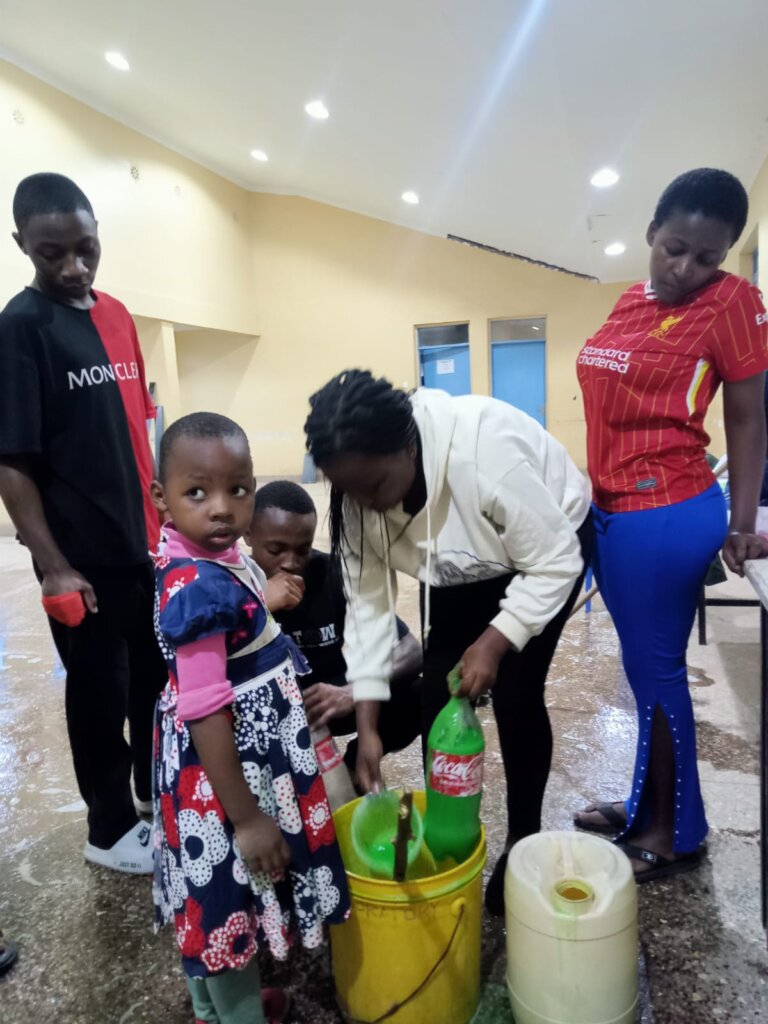
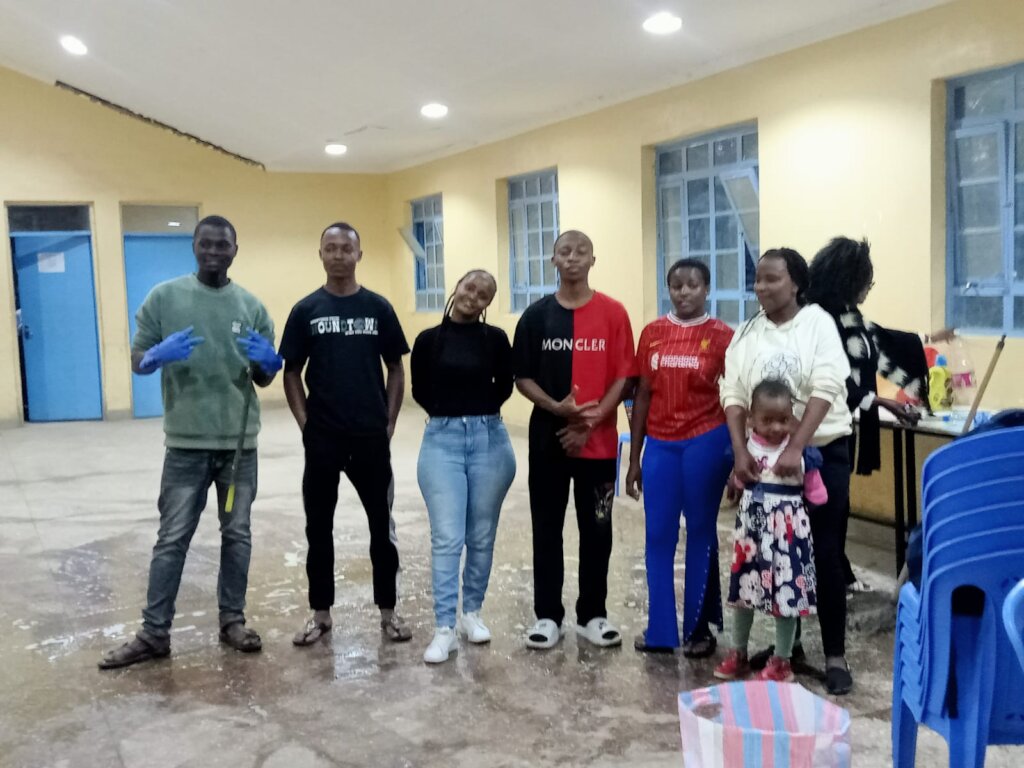
A comprehensive ground assessment has been successfully conducted to inform project design and implementation. Currently, 15 beneficiaries have been identified and are ready to participate in the program. Notably, the majority of these individuals are alumni of the Fauza Foundation Education Support initiative, indicating an existing foundation of engagement and capacity development.
The assessment evaluated key parameters including education levels, availability (full-time and part-time engagement), and existing skill sets, ensuring appropriate targeting and alignment with project objectives.
In addition, the Foundation is actively engaging the wider Dandora community to recruit additional participants, with the aim of expanding outreach and enhancing the project’s impact on economic empowerment.
A suitable training venue has always been at Dandora Secondary Hall which the school management approved for use all the time, this serve as the central location for all training and initial production activities.
3. Soap Types to Teach
The project will adopt a phased training approach in the selection of soap products, beginning with simple formulations and progressively advancing to more complex products as participants build capacity and confidence.
At the beginner level, training will focus on the production of liquid soap and basic bar soap, which are cost-effective to produce, require minimal technical complexity, and have high demand within local markets. This approach enables early market entry and quick income generation for beneficiaries.
In the advanced phase, participants will be introduced to the production of medicated soaps, herbal soaps, and detergents. This diversification strategy is intended to enhance product range, increase market competitiveness, and support the development of a multi-product enterprise model, thereby strengthening income potential and long-term sustainability.
4. Develop a Training Curriculum
The project will implement a structured training curriculum delivered over a period of 2 to 4 weeks, designed to equip beneficiaries with both technical and entrepreneurial competencies required for sustainable soap production and commercialization.
The curriculum will be organized into the following modules:
This structured approach ensures a holistic capacity-building process that integrates production skills with business acumen.
5. Procure Equipment & Materials
The project will undertake the procurement of essential equipment and raw materials required to support both training and initial production activities. A basic starter kit will be assembled to ensure that beneficiaries have access to the necessary tools and inputs for effective soap production.
The equipment to be procured will include buckets, mixing sticks, weighing scales, molds, and appropriate safety gear such as gloves, to facilitate safe and efficient handling of materials during the production process.
In addition, key raw materials will be sourced, including caustic soda, sodium lauryl sulfate (SLS), fragrances, colorants, and water, which are fundamental components in the formulation of both liquid and bar soap.
This procurement process is designed to establish a functional production setup that meets basic operational and safety standards while enabling immediate commencement of training and production upon project rollout
6. Organizational and Legal Structure
The youth soap-making group will function under the Fauza Foundation, a fully registered legal entity. This structure enables the project to leverage the foundation’s existing governance, administrative capacity, and compliance mechanisms, ensuring effective management and oversight.
Operating under the foundation provides:
In the long term, should the youth group seek greater operational autonomy—such as opening an independent bank account, entering into contracts, or accessing specific grant opportunities—it may pursue separate registration as a cooperative or community-based organization. Until such time, the group’s affiliation with the Fauza Foundation offers a stable and compliant platform for project implementation.
7. Branding & Market Entry
The project will support beneficiaries in establishing a distinct brand identity for their soap products to enhance market appeal and competitiveness. This will include the development of a brand name, simple product labels featuring contact information, and affordable yet professional packaging.
To facilitate effective market access, the project will leverage multiple sales channels, including:
This integrated approach to branding and market entry is designed to maximize visibility, build customer recognition, and generate sustainable income for the beneficiaries.
8. Budget Estimate
The preliminary budget for implementing the soap-making project for approximately 50 participants is as follows:
Estimated total budget: $25,750
This budget provides for essential training, procurement of materials and equipment, and logistics required to initiate the project and ensure effective participation and outcomes.
9. Monitoring & Impact Measurement
The project will implement a structured monitoring and evaluation framework to track progress and assess outcomes. Key performance indicators will include:
Regular monitoring will ensure accountability, measure economic impact, and inform adaptive strategies for improving project effectiveness and sustainability.
10. Risk Considerations
11. Project Status
The project is currently in the planning and resource mobilization phase and has not yet commenced. The Fauza Foundation is actively seeking startup capital to initiate training and production activities.
12. Conclusion
This project represents a strategic livelihood intervention for youth and women in Dandora, combining skills development with income generation. With donor support, it will empower beneficiaries, promote sustainable entrepreneurship, and contribute to the socio-economic development of the community.
Project reports on GlobalGiving are posted directly to globalgiving.org by Project Leaders as they are completed, generally every 3-4 months. To protect the integrity of these documents, GlobalGiving does not alter them; therefore you may find some language or formatting issues.
If you donate to this project or have donated to this project, you can receive an email when this project posts a report. You can also subscribe for reports without donating.



Support this important cause by creating a personalized fundraising page.
Start a Fundraiser