By Sue Steffens | Executive Director
Echoes of the WILD: New Habitats and a New Chapter for Our Wolves
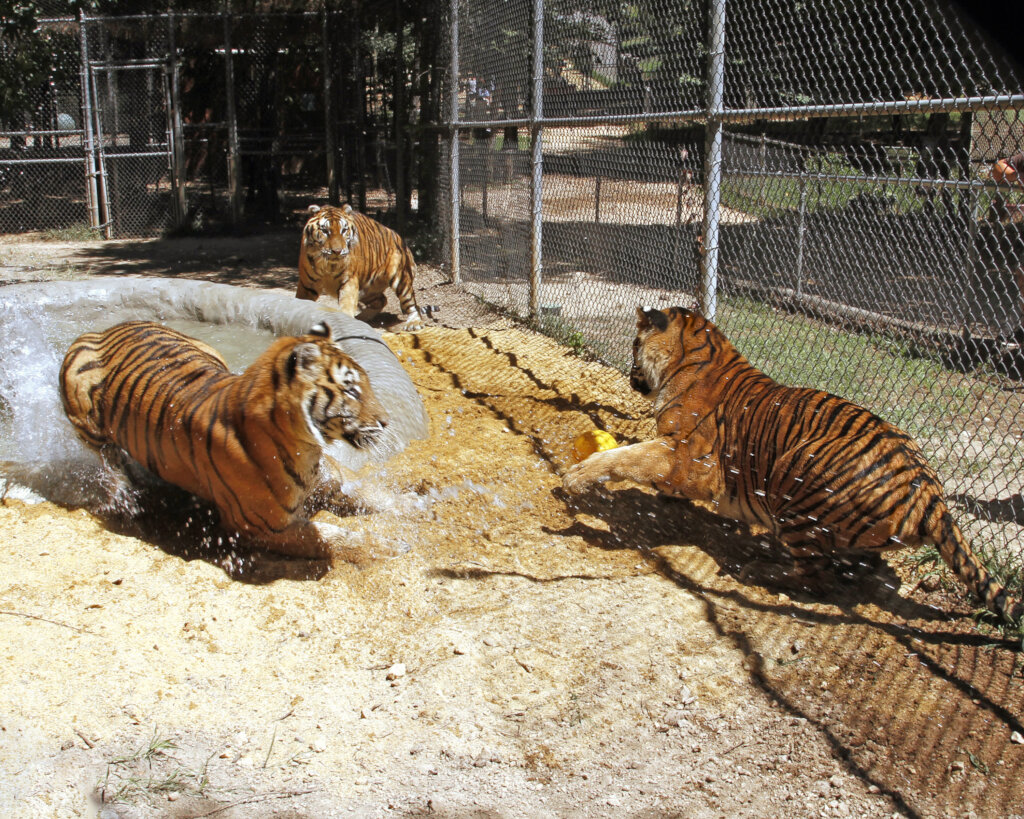
Our Echoes of the WILD redevelopment and expansion campaign is moving forward at Untamed Mountain, home of Tigers For Tomorrow. With your support, we are replacing aging enclosures, improving habitats, and preparing more space for the animals in our care.
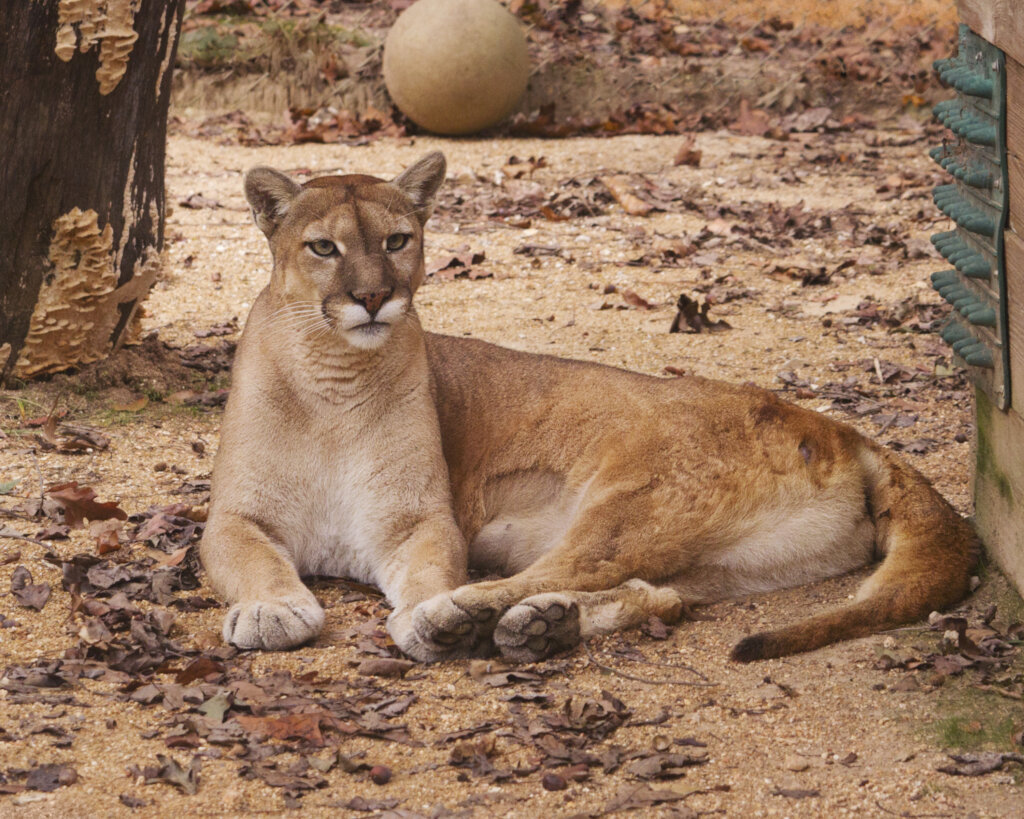
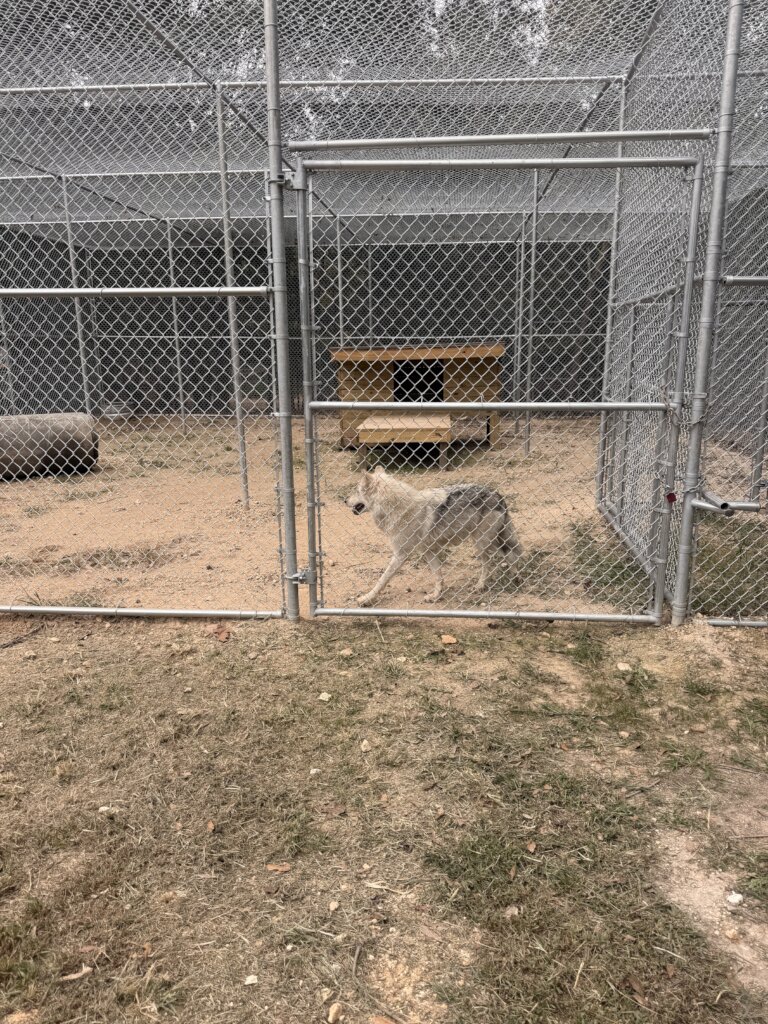
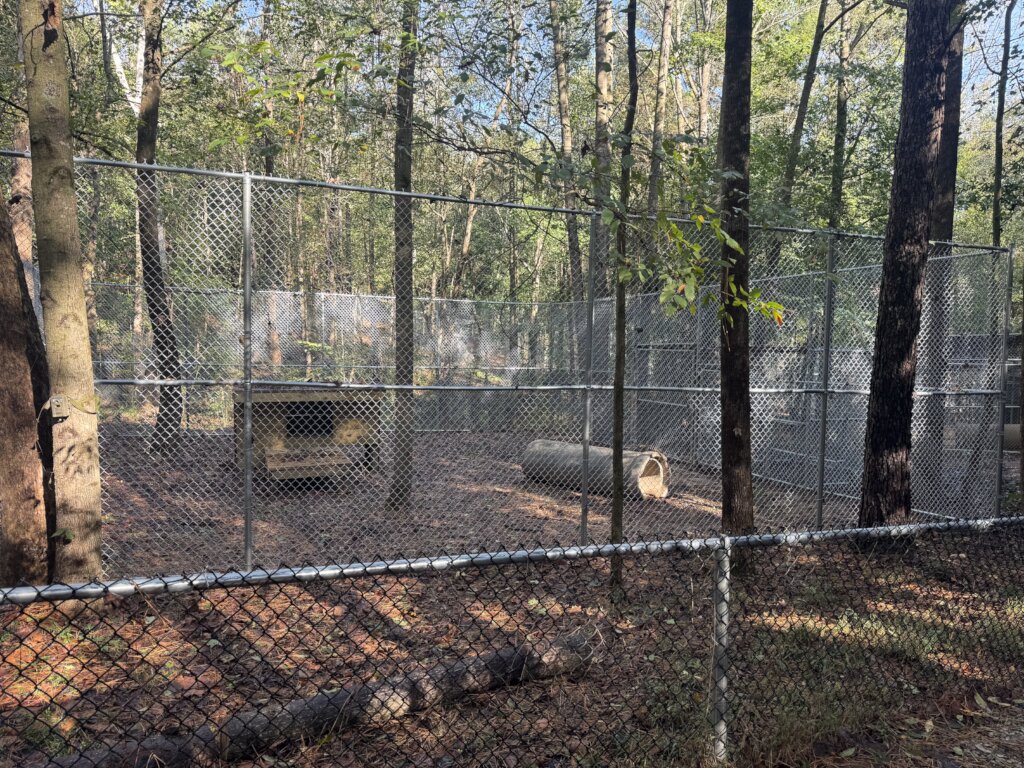
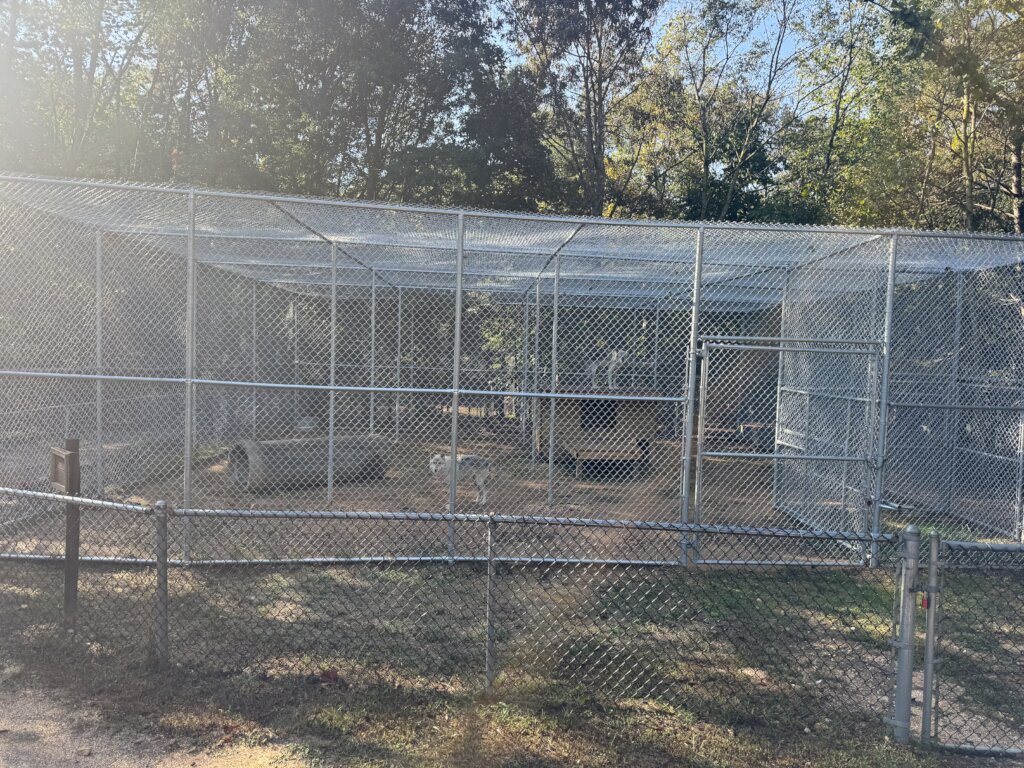
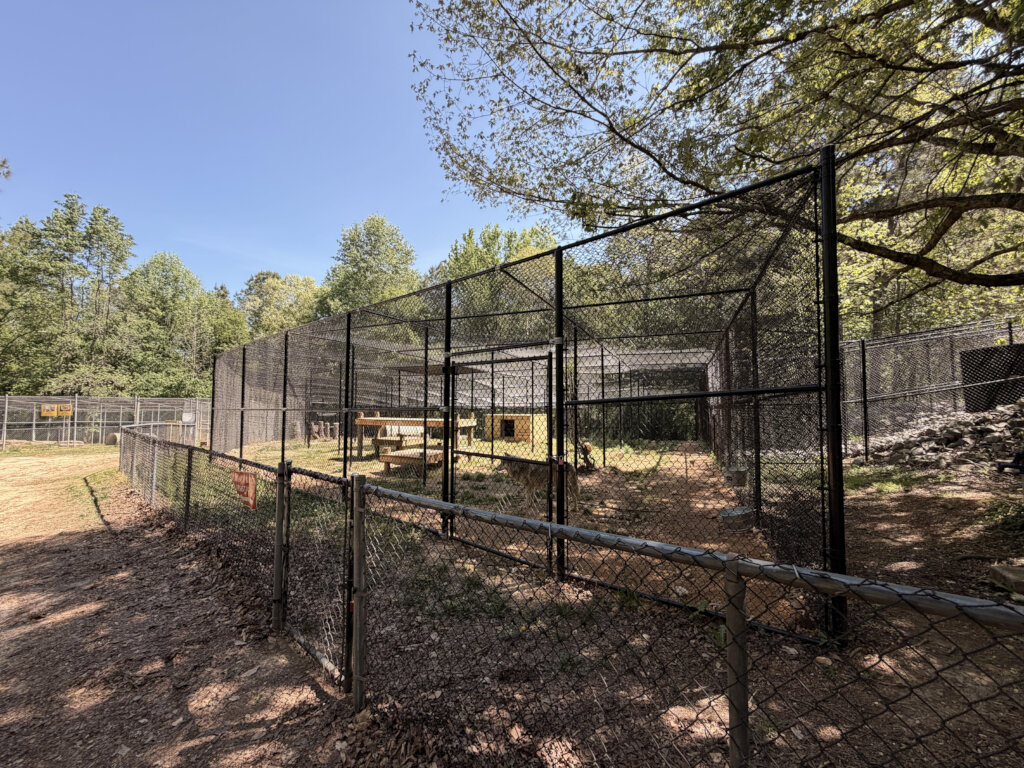
We have dismantled two old enclosures built with 4-by-4-inch, six-gauge wire that were on the property when we purchased it. These rusty structures have been replaced with two spacious, beautiful new habitats. One offers the height needed for elevated resting areas and climbing opportunities for animals such as leopards and cheetahs, giving them more choices in how they use their space.
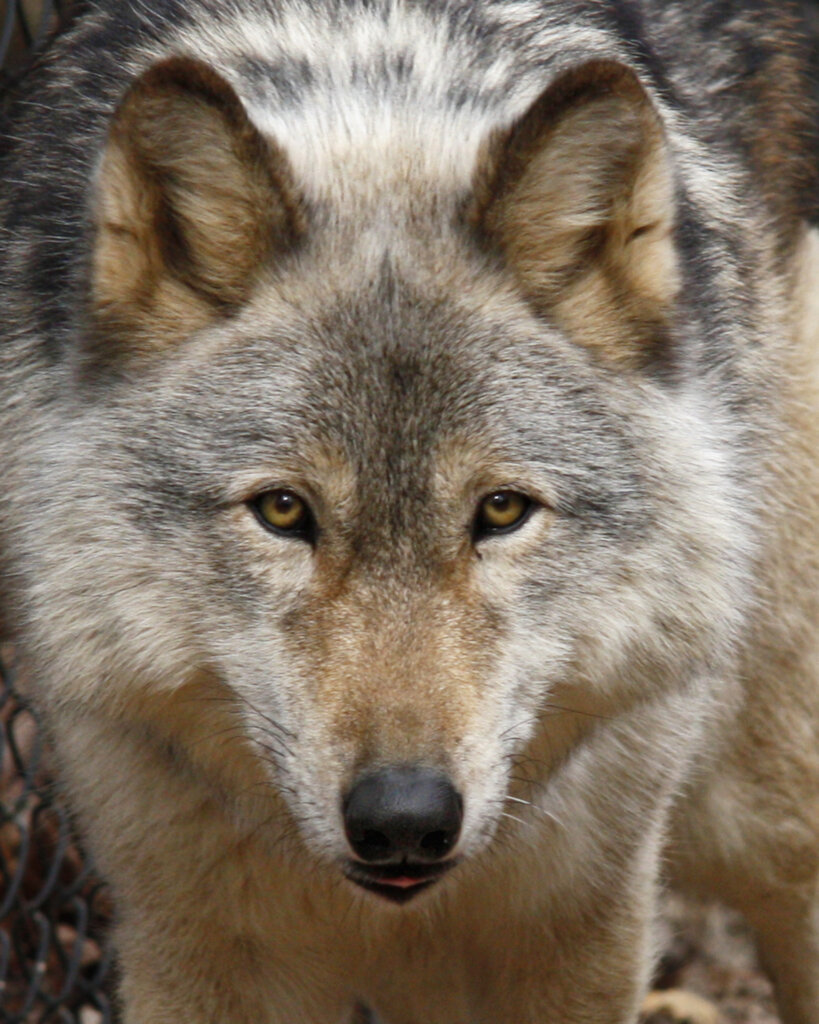
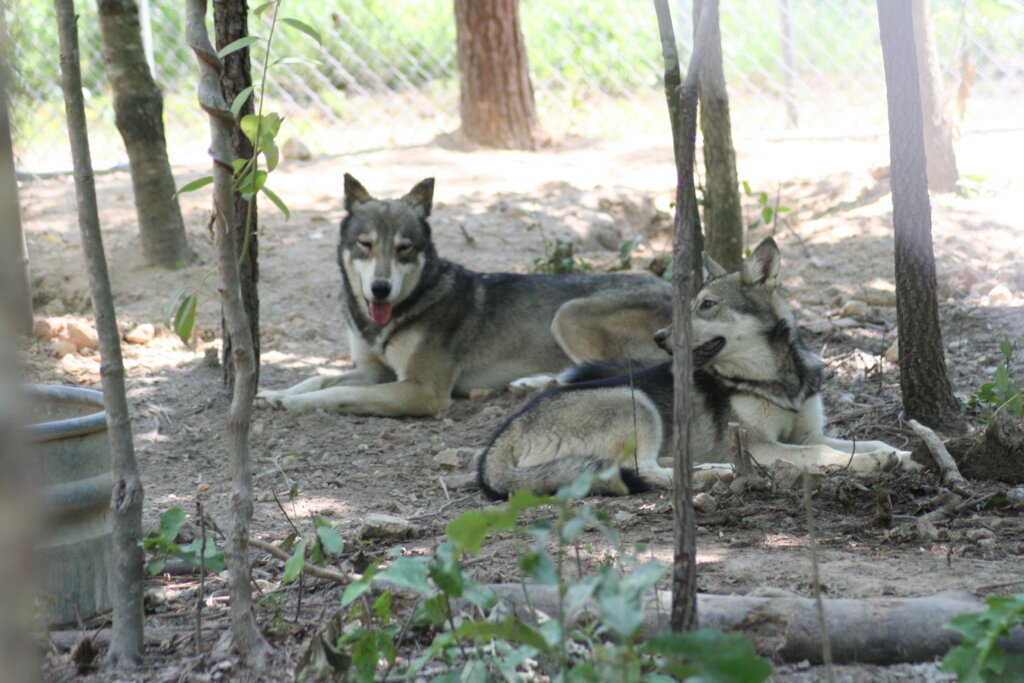
Construction in our wolf annex is nearly complete. Just two connecting hallways remain to link existing enclosures with the large playground habitat. These connections will give our animal care team greater flexibility in managing the wolves and their access to the larger space. The next steps, this winter will be to build jungle Jim's and install structures that they can enjoy and find enriching.
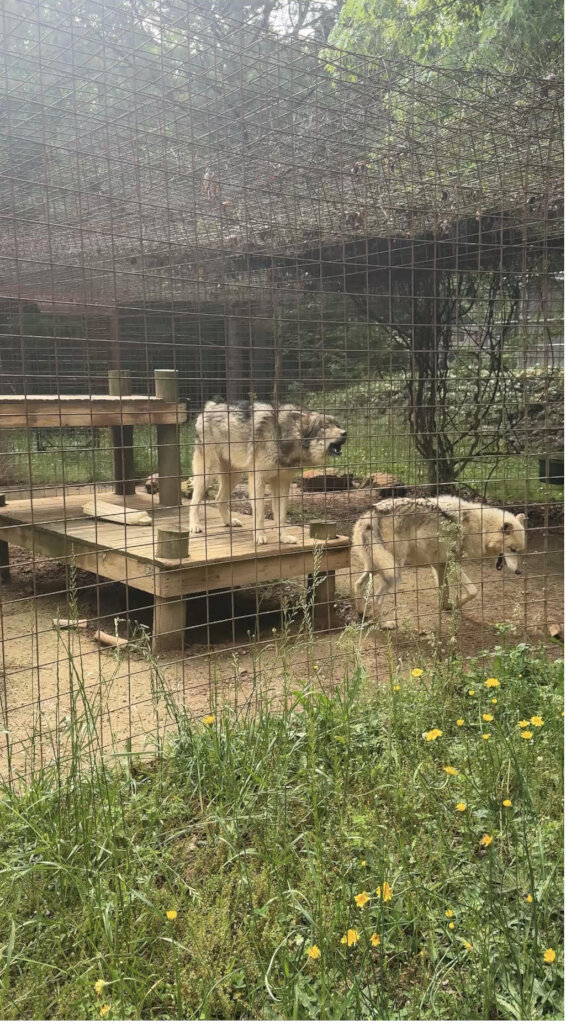
September also brought an important milestone: we announced our official merger with Seacrest Wolf Preserve. The property Seacrest’s nonprofit operated on was sold, leaving the organization facing an uncertain future. This merger reflects one of our campaign’s goals—helping other facilities maintain continuity of care for their animals while providing a secure future here at Untamed Mountain.
We have already cleared the area for our next phase of expansion. This week, we plan to open the existing perimeter to begin extending the preserve and build a new browse area for our hoofstock and barnyard animals.
Every completed habitat and connecting hallway brings us closer to a preserve that better serves our animals. Your generosity helps turn these plans into lasting improvements, and we are grateful to have you beside us as Echoes of the WILD continues to grow.
Thank you for supporting animal wellness, thoughtful redevelopment, and conservation through education and preservation.
By Susan Steffens | Executive Director
By Susan Steffens | Executive Director
Project reports on GlobalGiving are posted directly to globalgiving.org by Project Leaders as they are completed, generally every 3-4 months. To protect the integrity of these documents, GlobalGiving does not alter them; therefore you may find some language or formatting issues.
If you donate to this project or have donated to this project, you can receive an email when this project posts a report. You can also subscribe for reports without donating.



Support this important cause by creating a personalized fundraising page.
Start a Fundraiser