By Christoph Lubczyk | Project Leader
Preparing for natural disasters can be
particularly challenging for people with
disabilities whose mobility or daily
activities are limited. What initially
seems complex can often be managed with
relatively simple measures. The same
principle applies to people with
disabilities as to everyone else: good
preparation significantly increases
safety in the event of a disaster. Since
natural hazards are frequent in Myanmar,
preparedness is especially important here.

In Kayin State, Myanmar, support
initiatives are focused on helping
people with disabilities and their
communities build resilience against
increasingly heavy monsoon rains. In recent
decades, the monsoon cycle has changed
significantly: while its duration has
decreased, the intensity of rainfall and
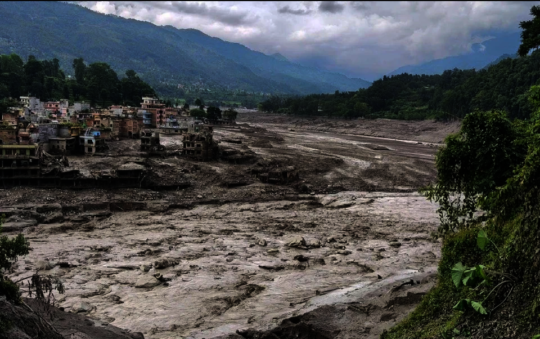
storms has increased. Due to its many rivers
and heavy seasonal rainfall, Kayin is
particularly vulnerable to flooding.

Efforts in the region emphasize inclusive
disaster preparedness, actively involving
people with disabilities and their
organizations in planning, implementation,
and monitoring. Communities are encouraged
to include people with disabilities and
other vulnerable groups in local disaster
preparedness initiatives. Support includes
assistance with organization at the community
and state levels, training, facilitating
access to assistive devices such as wheelchairs
and crutches, and promoting participation in
forums and awareness campaigns. A disaster
preparedness task force has also been
established in Kayin State.

Other activities focus on strengthening local
disaster preparedness systems. Inclusive disaster
preparedness committees are being formed,
emergency kits are being distributed, and joint
risk analyses are helping to identify
vulnerabilities and capacities. Inclusive early
warning systems are being developed at the community
level, while schools and communities are being
trained in early warning, first aid, and search
and rescue through simulation exercises. Evacuation
centers are being made more accessible.

Thank you for your kind donation!
By Christoph Lubczyk | Project Leader
By Christoph Lubczyk | Project Leader
Project reports on GlobalGiving are posted directly to globalgiving.org by Project Leaders as they are completed, generally every 3-4 months. To protect the integrity of these documents, GlobalGiving does not alter them; therefore you may find some language or formatting issues.
If you donate to this project or have donated to this project, you can receive an email when this project posts a report. You can also subscribe for reports without donating.