By Margaret Onah | Project leader
Background:
Female genital cutting (FGC), also known as female genital mutilation or female circumcision (FGM/C) is practiced in many societies in Nigeria and is present throughout the country. In many cultures, FGC is a recognized and accepted practice that is considered important for the socialization of women, curbing their sexual appetites, and preparing them for marriage. Despite its cultural acceptance and importance, FGM/C has both short- and long term medical complications, as well as harm to reproductive health and infringement on women’s rights.
Nigeria due to its large population has the highest absolute number of FGM/C worldwide, accounting for about one quarter of the estimated 115 – 130 million circumcised women in the world. FGM/C includes all forms of surgical removal of the female external genitalia, total or partial and all types of other alterations made for cultural reasons or other non-therapeutic motives.
In Nigeria as a whole, female genital mutilation was and is still practiced in different forms, in different places. The pervasiveness of the different forms of the ritual generally varies across geographic, religious and ethnic and vast variation exists within each subgroup. For example, Clitoridectomy and excision are practiced on women in the three dominant ethnic groups in Nigeria: Ibo, Hausa and Yoruba
. Opponents of FGM assert that the practice is a human rights violation with severe health consequences, but recognize that a successful eradication process must incorporate representatives of various sectors, be culturally sensitive and involve the entire communities
At the grassroots, efforts should be taken to join in the crusade to say ‘’NO’’ to FGM/C anywhere it is practiced among our people. It is crude, dangerous, wicked and unhealthy .FGM/C is not required by any religion and there is no scientific evidence that women who have been mutilated are more faithful or better wives than those who have not undergone the procedure. It is very clear that there is no single benefit derived from FGM/C, rather pains, pains and pains for the woman or girl involved in FGM/C.
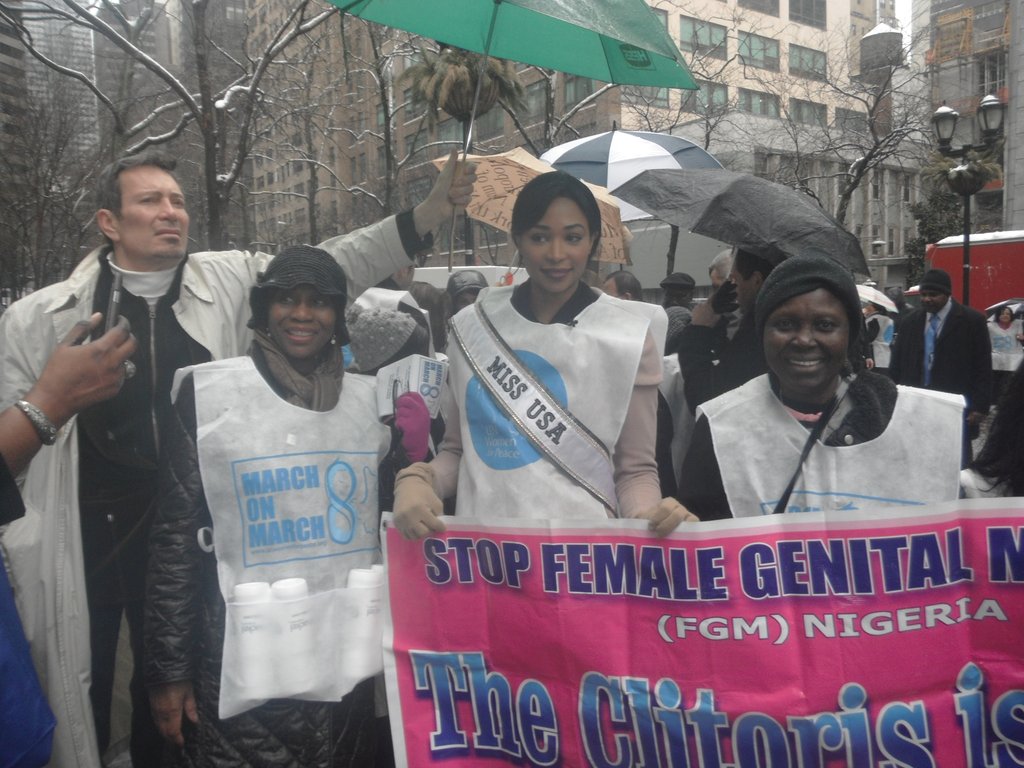
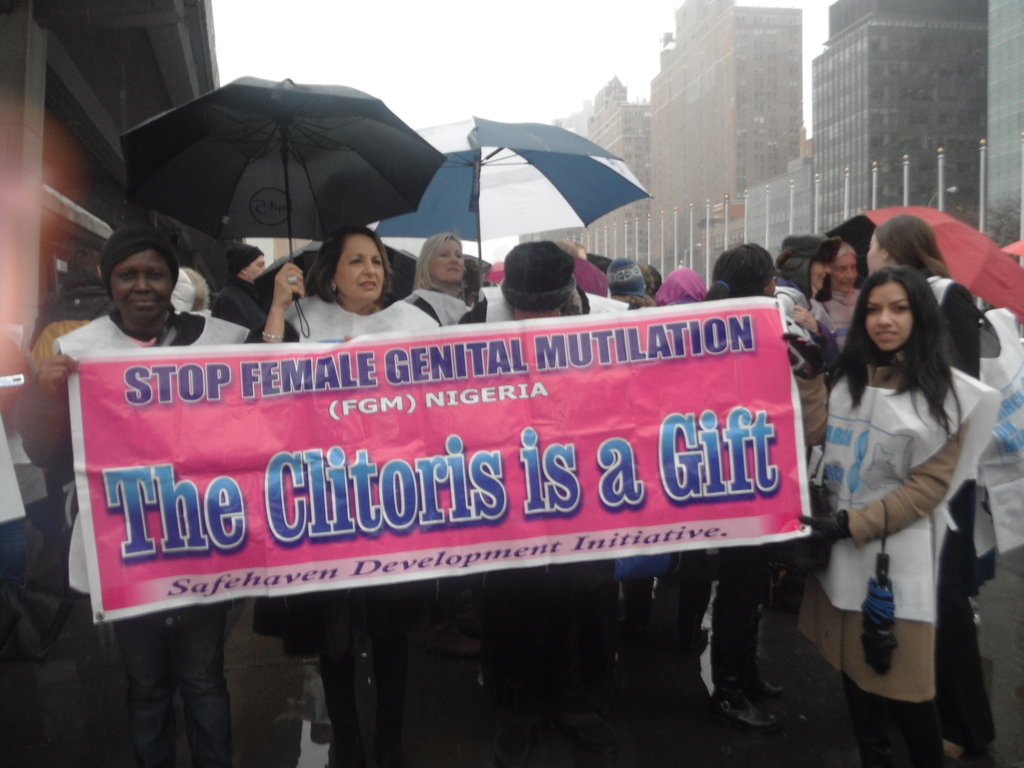
SDI with funding support from Global Giving Foundation is implementing advocacy activities to end FGM/C in 25 community in Ikom L.G.A of Cross River State, thereby giving new hope to over 200 girls that otherwise been circumcised.
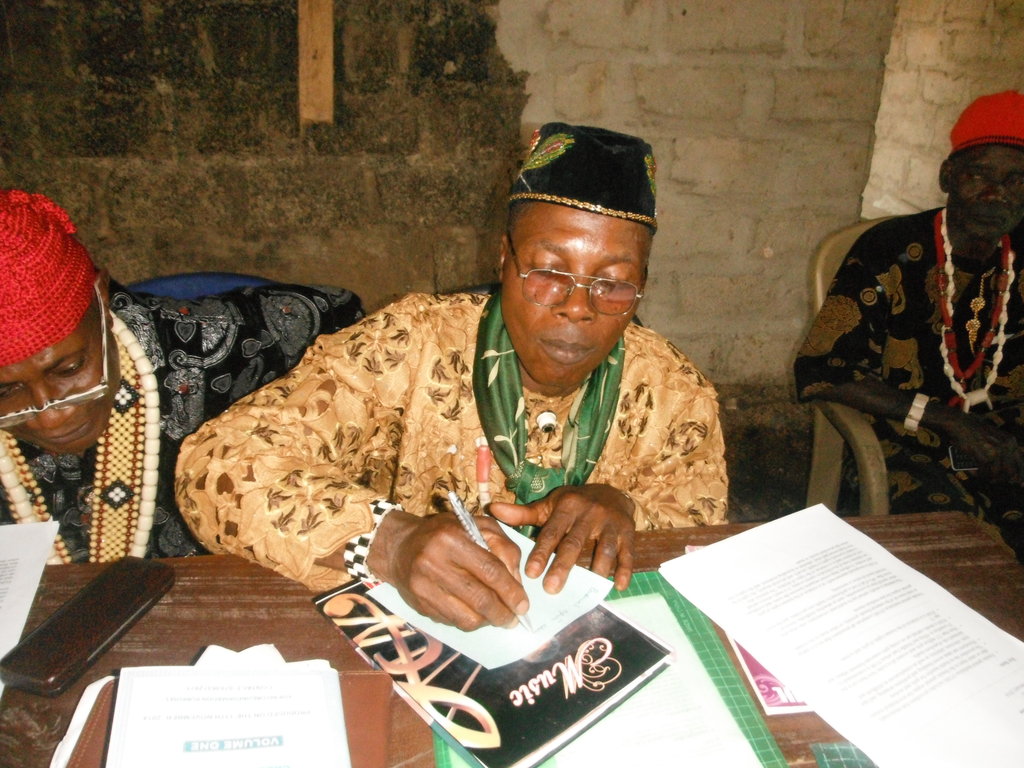
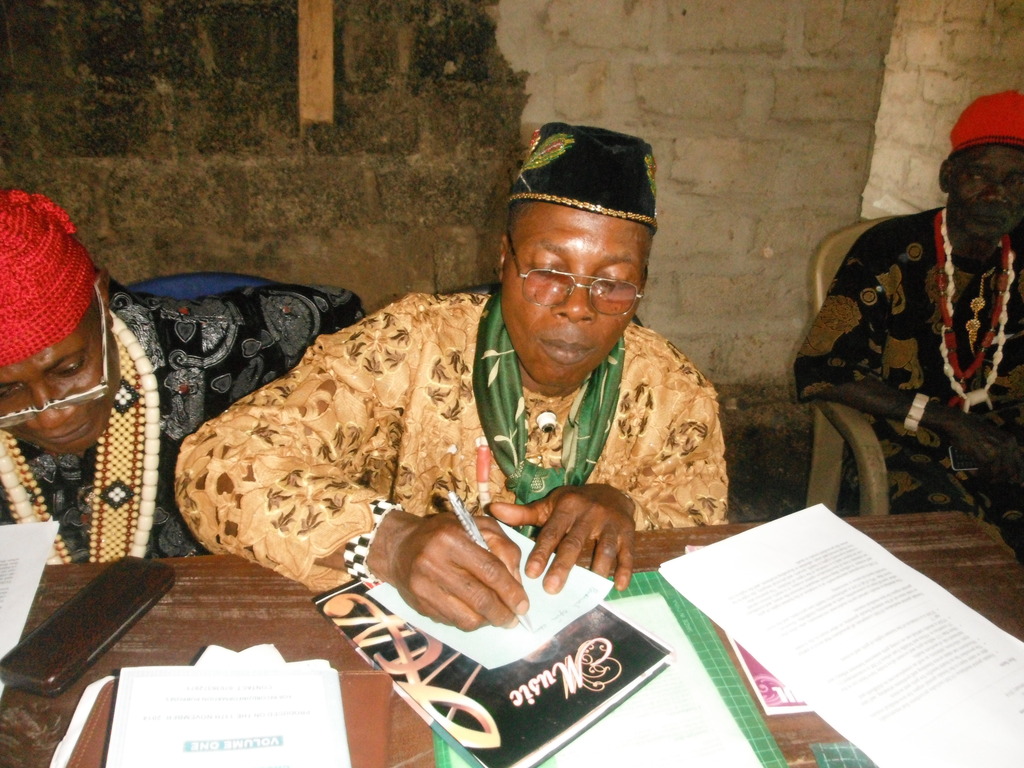
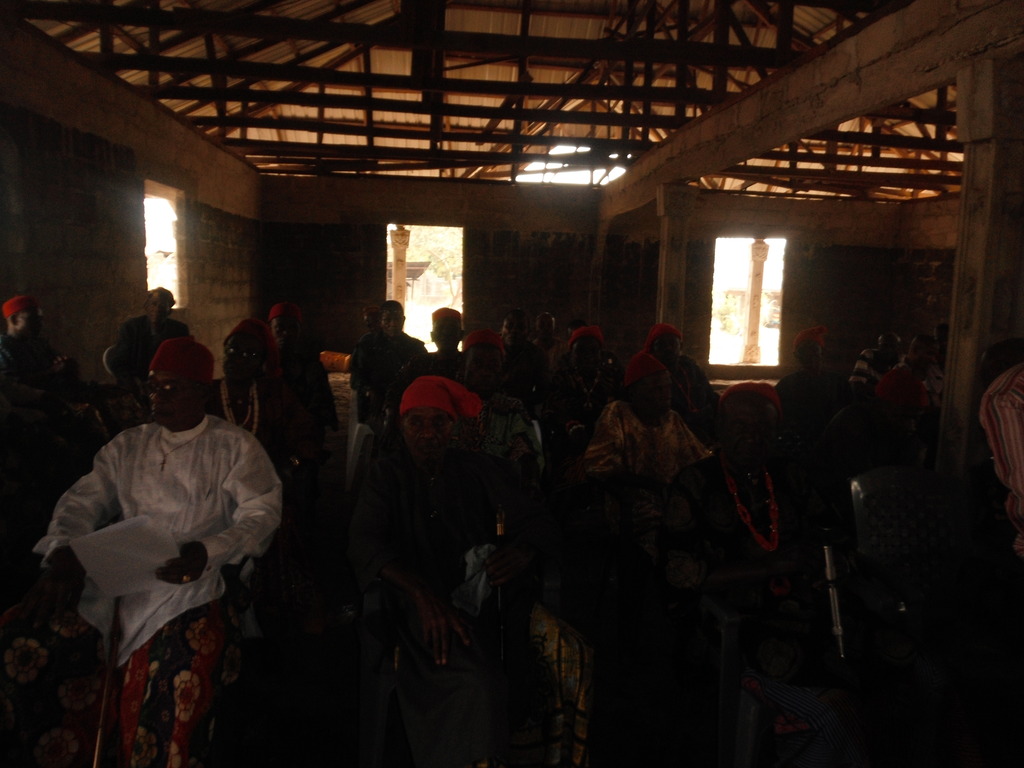
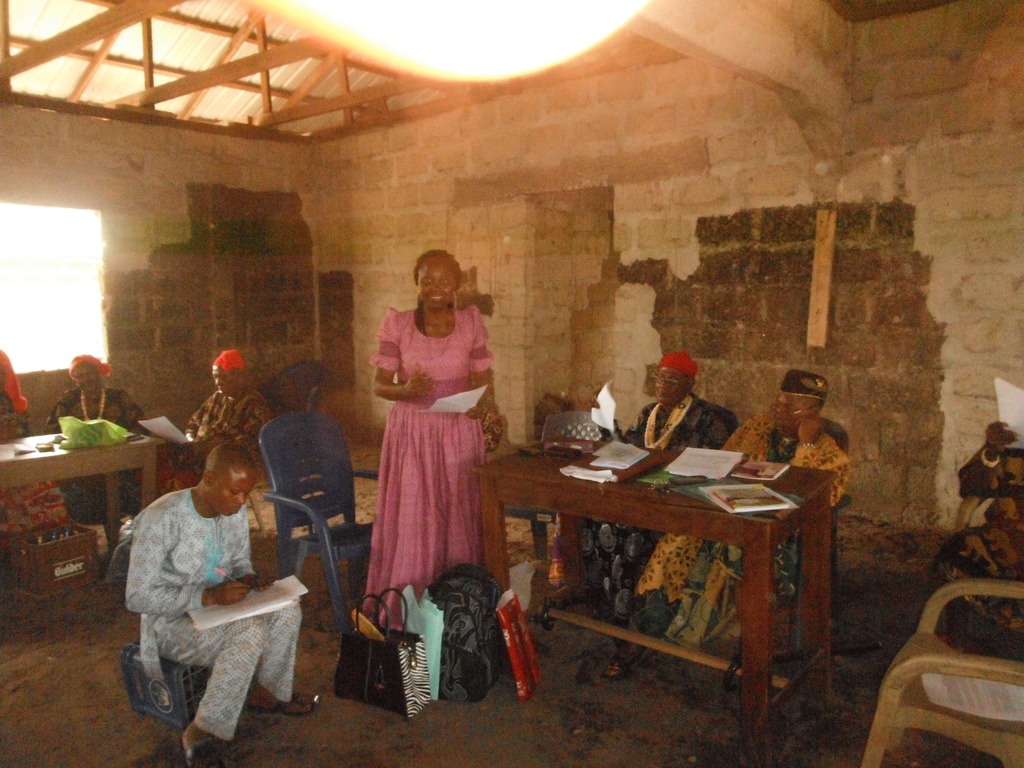
On Saturday 17 January 2015, a total of 35 members of the Abangok clan heads came together for their monthly meeting in Nkomfap of Ikom L.G.A of Cross River State.
After a brief welcome and a round of introductions, the meeting facilitator, the Paramount clan head, Chief Boniface Ndome of Nkarasi 2 gave an overview of Safehaven Development
Initiative and her campaign against Female Genital Mutilation – to free 200 girls from female circumcision Nigeria from 25 communities.
In his opening remark, he introduced Margaret Onah, Executive Director of Safehaven Development Initiative (SDI) to the other clan heads and why we started working in Nkarasi 1 & 2 since 2009 and how they had agreed to stop FGM/C in their own communities but that the other communities needed to be sensitized on the health hazards and be introduced to the new curriculum of the alternative rite of passage adopted by them.
He also said that before SDI came to their communities with the campaign, all the women have being circumcised but now our campaign has produced first generation of uncircumcised girls in two alternative rite of passage ceremonies and public declaration by him and his subjects to stop it.
This is the first advocacy visit of this project to meet with key stake holders involved and the agenda apart from intimating and soliciting for the support of the clan heads aimed to achieve the following objectives:
1. To mobilize community stakeholders (like traditional leaders, religious leaders, women leaders, policymakers, youths and CSOs) to support campaign for the eradication of FGM in 25 communities in Cross River State.
2. To increase community awareness and knowledge on the health hazards associated with FGM/C
Margaret Onah, Executive Director of SDI, appreciated the clan heads for the opportunity to be allowed to be part of the meeting and to allow her inform them of her campaign on FGM/C.
Information, communication and education (IEC) materials were distributed to the participants.
Margaret Onah started by asking them what Fem\ale Genital Mutilation is and what is the health hazards associated with it?
Majority of them gave explanations of what they felt it was which include thus:
• It is that part of a woman that is cut off from her vagina so that she will not be promiscuous.
• It is the ceremony that is done to initiate a girl into womanhood
• It is what families must ensure their daughter goes through to make her marriageable
Margaret went ahead to explain using the WHO basic facts on FGM and the following were noted: it was explained to them that FGM/C is not only in Nigeria but also in many other African countries, Asia and diaspora communities also practice it. They were also made to know and understand the prevalence of FGM/C globally and nationally.
The types of FGM practiced in different places as well: Type 1; Type 11, Type 111 and Type 1V.
How does FGM affect women’s health?
The effect depends on the type performed, the expertise of the circumciser, the hygienic conditions under which it is conducted, the degree of resistance and general health of the girl/woman undergoing the procedure. Complications may occur in all types of FGM but are most frequent with infibulation. The short term and long term complications are thus:
Immediate complications include thus:
Severe pain, Shock, Haemorrhage/bleeding, Tetanus or infection, Urine retention
Ulceration of the genital region and injury to adjacent tissues, Wound infection, Urinary infection, Fever, Septicaemia, Haemorrhage and infection can be of such magnitude as to cause death.
Long term consequences:
Anaemia, the formation of cysts abscesses, keloid scar formation, damage to the urethra resulting in urinary incontinence,, dyspareunia(painful sexual intercourse) and sexual dysfunction.
Hypersensitivity of the genital area;, Infibulation can cause severe scar formation, Difficulty in urinating, Menstrual disorders, Recurrent bladder and urinary tract infection, Fistula
Prolonged and obstructed labour (sometimes resulting in foetal death and vesico-vaginal fistulae and/or vesico-rectal fistulae) ,
Infertility( consequence of earlier infections), cutting of the scar tissue sometimes necessary to facilitate sexual intercourse and /or child birth, almost complete vaginal obstruction may occur, resulting in accumulation of menstrual in the vagina and uterus..
During childbirth the risk of haemorrhage and infection is greatly increased.
Majority of them pondered on these effects and became sober. For the first time, they could relate with the damages they do to their daughters and women in the name of culture and tradition.
Link between FGM/C and HIV/AIDS infection.
The participants were also made to understand the link between FGM/C and HIV infection. There is also a link between FGM and the risk of HIV/AIDS infection – because of the procedure that is coupled with the loss of blood and use is often made of one instrument for a number of operations, the risk of HIV/AIDS transmission is increased by the practice.
Also, due to damage to the female sexual organs, sexual intercourse can result in laceration of tissues, which greatly increases risk of transmission.
Psychological effects of FGM/C
Women and girls who have undergone FGM always have a lasting mark on their life and mind. The psychological stress may trigger behavioural disturbances in children, closely linked to the loss of trust and confidence in care-givers. In the long term women may suffer feelings of anxiety, depression and frigidity. Sexual dysfunction may also be the cause for marital conflicts and eventual divorce.
Questions/answers
I. If a girl is not circumcised, the clitoris will grow like a penis and the girl will be promiscuous thereby getting pregnant and bringing shame to the family, so how can they prevent and protect the girl?
II. FGM/C is a means of livelihood for circumcisers, if this is taken away from them, what will become their means of survival?
III. If a family insist on circumcising their daughter, who are there to report to?
It is a ceremony that brings a lot of financial benefits to the mothers of the girls and the fear of losing opportunity was paramount in the mind of some of them. It became imperative to disabuse their minds about the myths surrounding FGM/C such as the clitoris growing like a penis, or if the head of a child touches the clitoris at birth delivery, the child might die.
All the circumcisers will be trained on a skill and given a seed grant by SDI to start a business that will help them sustain a living.
A technical Advisory committee (TAC) comprising of the clan head, community members, and women leaders, religious and local political leaders will be in place in the 25 communities who will act as Child Right Protection Change makers responsible to the community and ensuring that no uncircumcised girl is humiliated or taken advantage of.
Any parents caught forcing her daughter to be circumcised, will be reported to the (TAC) who will take action against them.
At the end, they were able to know that The practice of all forms of female genital mutilation is a violation of human rights, and in particular the right to personal integrity, physical and mental health of women and girls, and an assault on their human dignity. They should not be deprived of their sexuality. The right to pleasure is a fundamental right.
All forms of FGM degrade women and girls and deprive them of their basic human rights.
Women and children have been subjected to discrimination, torture, violence, marginalization above all other harmful practices which are not conforming to the modern education and health best practices.
Key project Output/outcome
The Alternative Rite of Passage Ceremony without the cut:
Despite laws forbidding the practice, FGC remains an enduring tradition in many societies and cultural groups. Political leaders have found FGC difficult to eliminate on the local level because of its cultural and sometimes political importance. Because the practice holds much cultural and marital significance, FGC opponents recognize that ending it requires that they work closely with local communities. Be it known or not known, Female Genital Mutilation (FGM) is a widely accepted problem for many African girl children. FGM remains a health hazard, and a serious concern for many women activists in the continent of Africa.
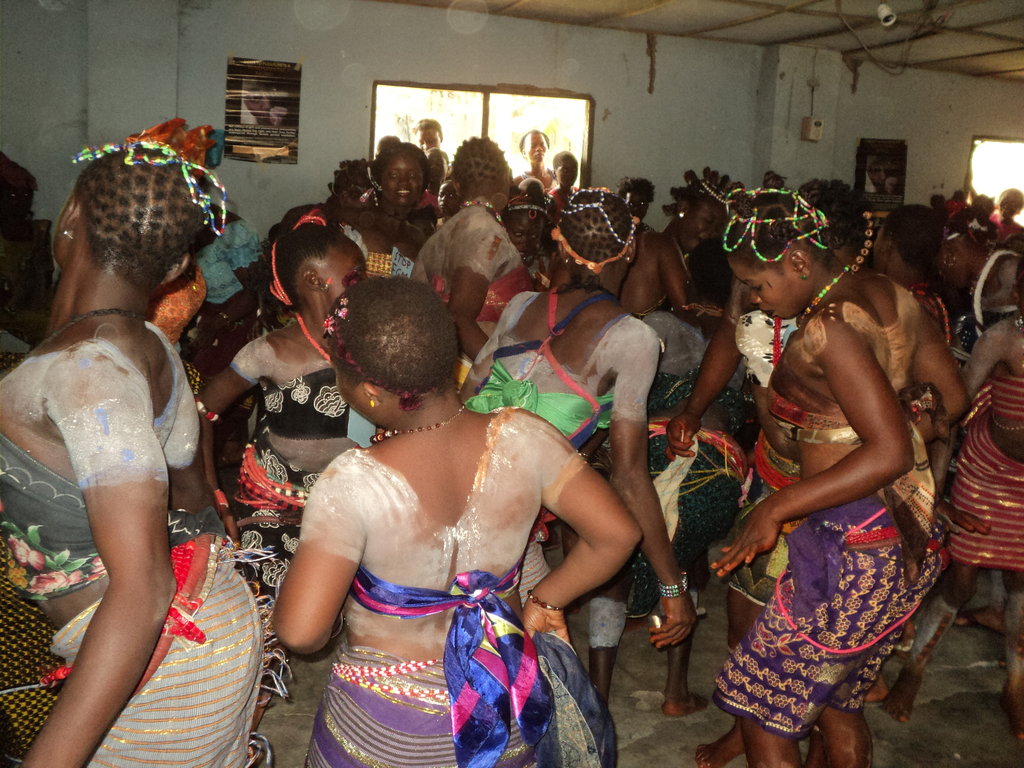
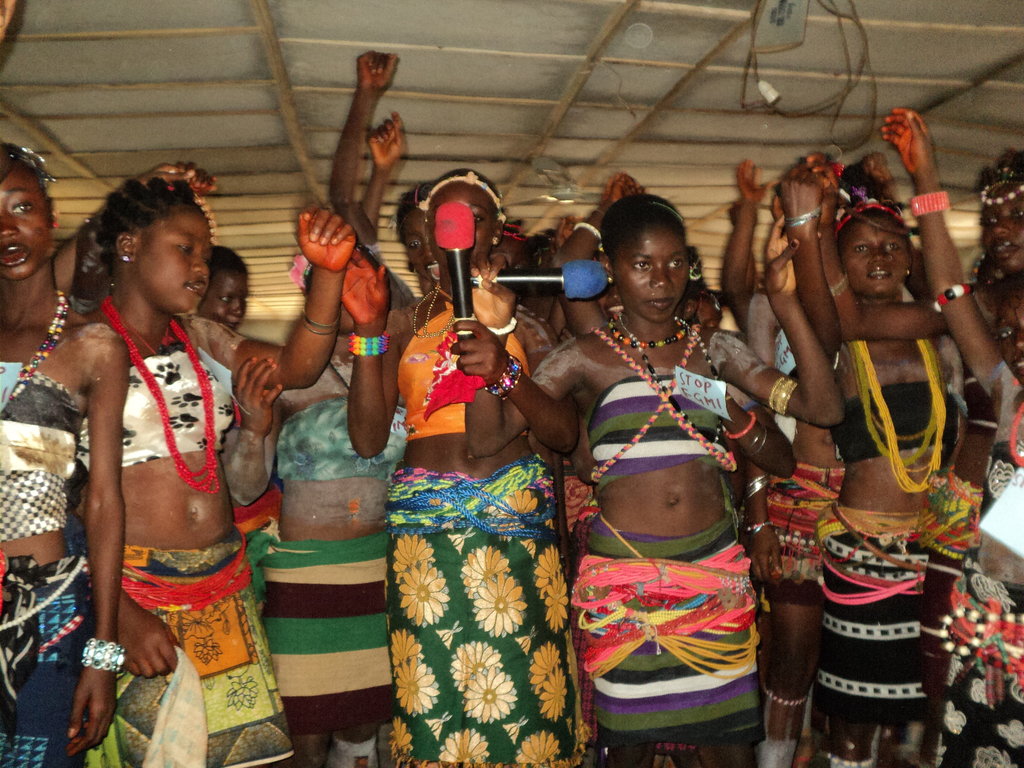
In order to maintain their custom and still receive the gifts and do their ceremonies, they agreed to the alternative rite of passage ceremony without the cut.
Alternative rite of passage is a critically sensitive approach- one that respects the value of tradition but rejects the violation associated with it. The law makes Female Genital Mutilation illegal but it will take a long time for it to be effective. In the meantime, we need to be educating and sensitizing our communities about the negative effects of the practice hence we offer them an alternative rite of passage. One of the major breakthroughs in the fight against FGM/C campaign is the restructuring of the rite of passage for girls which advocates for the sustenance of positive past and current ceremonial practices associated with the practice of FGM/C without the cutting
‘society does not exist in a vacuum’ it is built within a framework of values that are identified with norms, cultures and traditions which are developed and sustained by people to give them an identity. Culture and tradition have the capacity to maintain peaceful co-existence among people. Hence the participants will be trained in a 5days in house seminar on issues of sexual & reproductive health, HIV/AIDS, gender violence, human rights, Laws prohibiting early marriage and FGM/C in Cross River State and Nigeria and on the 6th day the participants will be presented to the whole community as uncircumcised without the cut, while the communities will publicly declare to stop the act by signing the declaration.
Conclusion
The clan heads concluded that they were going back with the message to their communities and would like SDI to come to each community to sensitize them.
The Paramount clan head on behalf of them all stated that the’’ Abangok people for now, having been sensitized against female genital mutilation has resolved to stop completely the obnoxious practice of FGM/C because the disadvantages outweighs the advantages. We have rather agreed to continue the traditional ceremonies which the mothers have resolved to continue and it is known as in our local paliance as NDINGHEA-NKIM’’
Next Step
1. SDI will be sensitizing each community on health hazards of FGM/C to increase their knowledge of the violations associated with FGM/C against their daugthers. This wil make them give an informed consent to stop FGM/C.
2. Training on sexual and reproductive health, HIV, Gender violence, Human rights, self-esteem, Laws prohibiting early marriage and FGM/C in cross river state etc for the girls whose parents have agreed not to circumcise.
Project reports on GlobalGiving are posted directly to globalgiving.org by Project Leaders as they are completed, generally every 3-4 months. To protect the integrity of these documents, GlobalGiving does not alter them; therefore you may find some language or formatting issues.
If you donate to this project or have donated to this project, you can receive an email when this project posts a report. You can also subscribe for reports without donating.