By Debra aka Brique Zeiner | Chairwoman
25 Years of Education, Dignity and Hope at Live and Learn in Kenya International
As Live and Learn in Kenya International proudly celebrates its 25th anniversary, one thing has become beautifully clear: education reaches far beyond classroom walls.
At the LLK Education Center, learning also happens with hands in the soil, seeds in the ground, and children discovering that what they plant and nurture can eventually help feed themselves, their friends, and their families through Microcredits.
Learning from the Ground Up
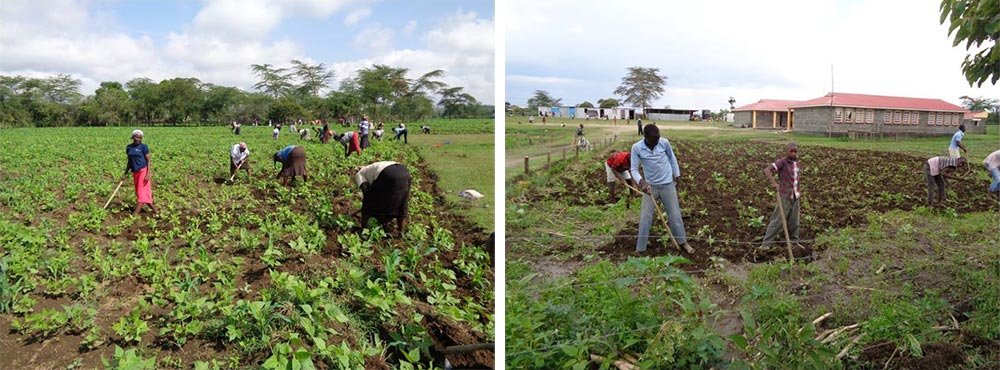
Gardening and food production have become an important part of everyday life at the LLK Education Center. Children learn to plant seeds, care for young plants, water crops, compost organic material, and harvest vegetables using natural, sustainable methods.
For children growing up in a community where poverty and hunger are part of daily life, watching food grow from the soil can be a powerful experience.
A seed requires patience. A garden requires responsibility. A successful harvest requires care and teamwork.
And when children finally harvest something they planted themselves, they experience the pride of seeing their own work produce something real and valuable.
These are lessons that cannot be learned from a textbook alone.
From the Garden to the Table
The learning does not end with the harvest.
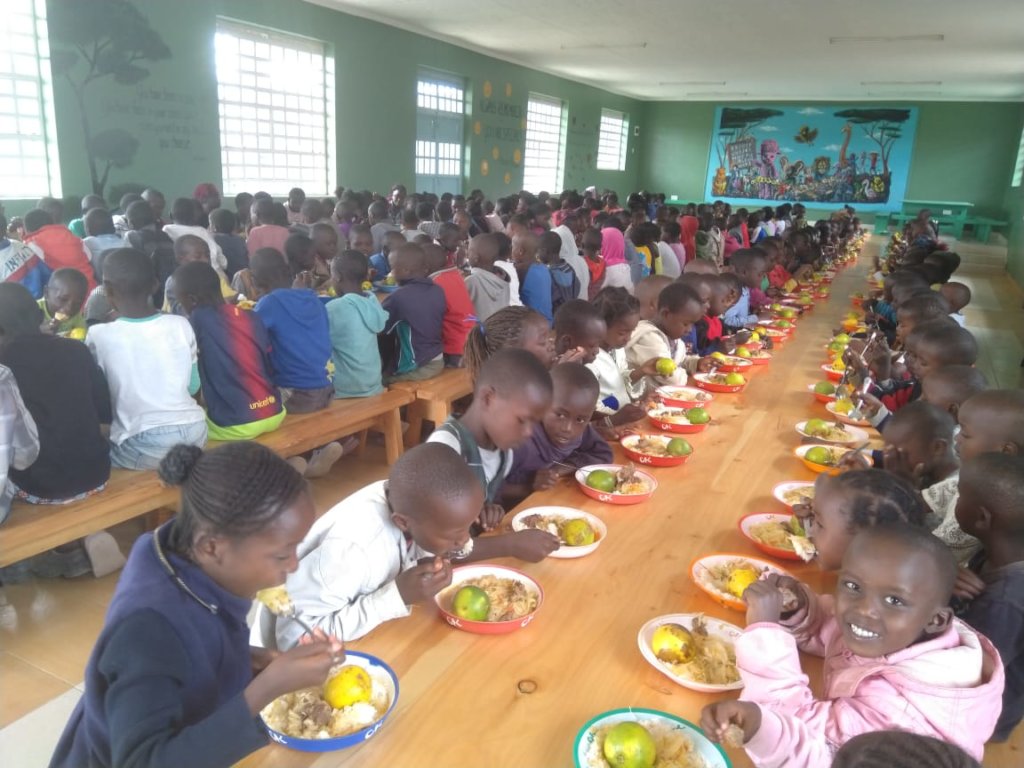
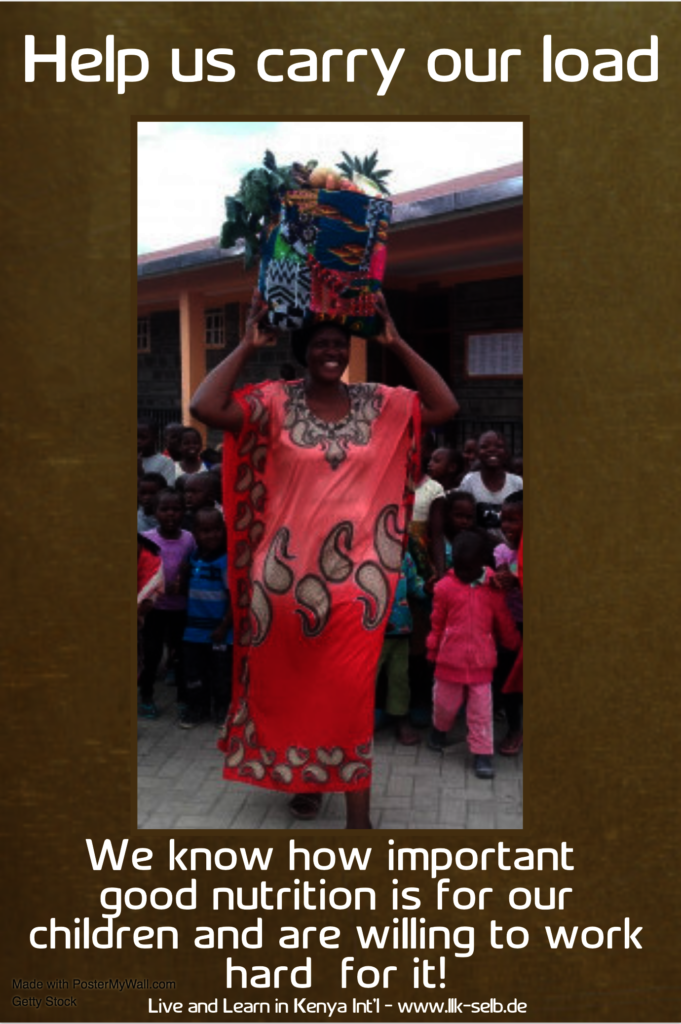
Vegetables grown in the school garden and crops produced on rented farmland become part of the nutritious meals prepared for hundreds of children at the LLK Education Center.
For a child, there is something very special about recognizing vegetables on a plate that he or she helped plant, water, tend, or harvest.
It creates an important connection between education, work, nutrition, and self-reliance.
And perhaps most importantly, it teaches a child:
I can help feed myself and others.
That simple realization can be life-changing.
Families Growing Together
The gardening and food-production program reaches beyond the children themselves.
Parents work alongside LLK staff and older students, helping to plant maize and beans, tend crops, harvest produce, and prepare food for the children.
Working together creates more than a harvest. It strengthens families, encourages cooperation, builds practical skills, and allows parents to contribute directly to the well-being of their children and their community.
It is also about dignity.
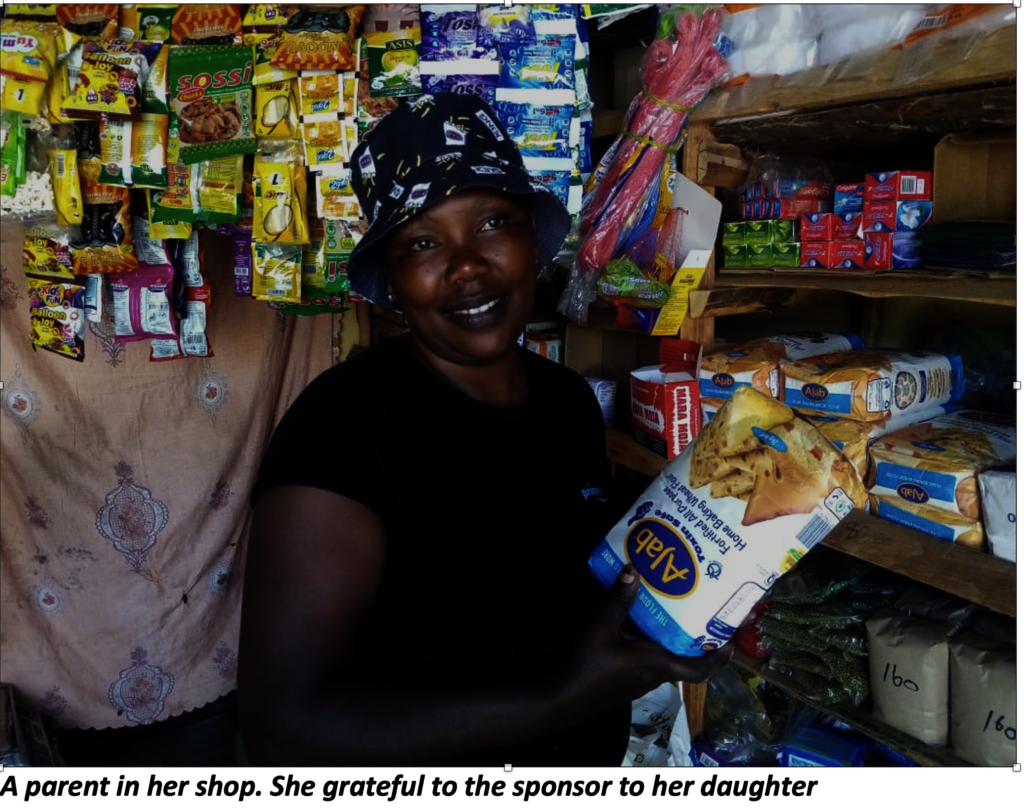
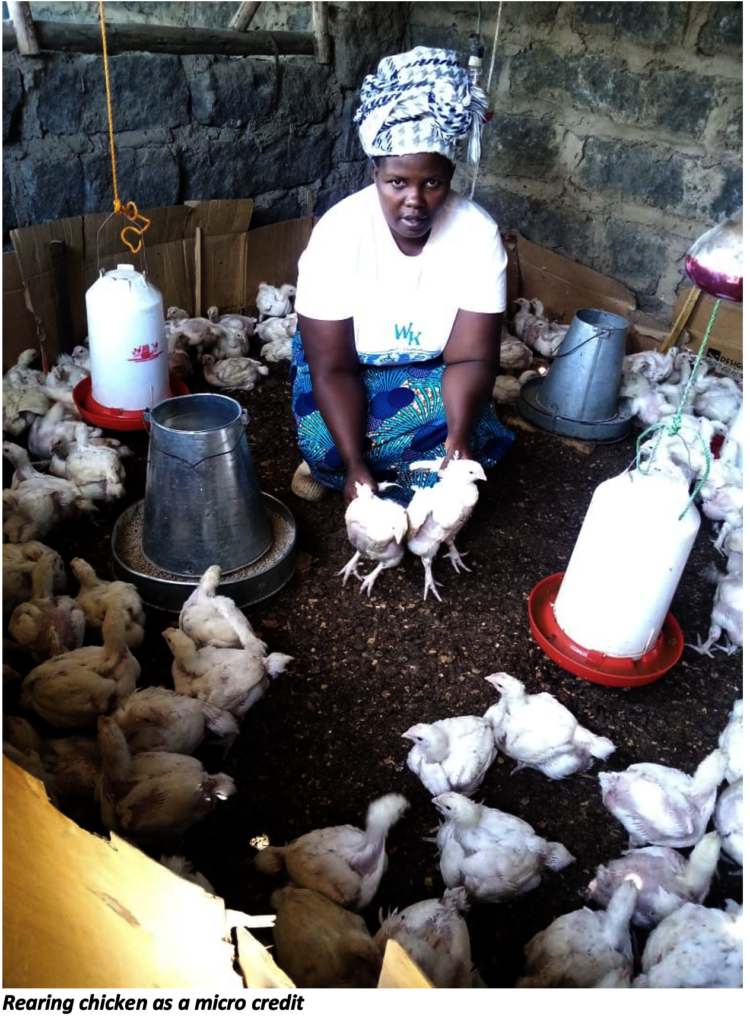
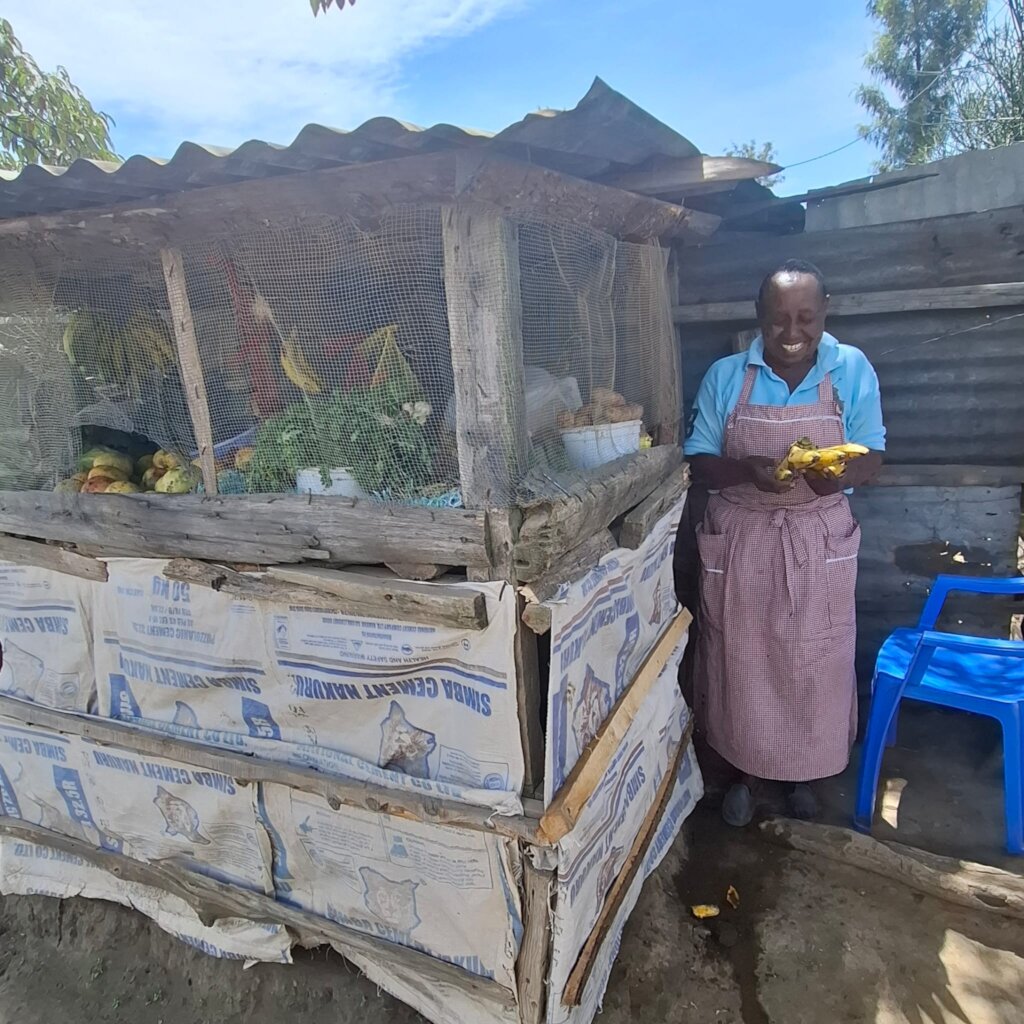
Rather than simply receiving assistance, families are given knowledge and opportunities that allow them to participate, contribute, and become increasingly self-reliant, especially through microcredits - which are very successful.
Bringing the Knowledge Home
The lessons learned at LLK do not remain at the Education Center.
Through micro-credit support and practical workshops, families have learned about sustainable farming, composting, food safety, nutrition, and creating small kitchen gardens of their own.
Today, more than 80% of LLK families grow at least some of their own food.
Even a small garden can make a meaningful difference to a family living on very limited resources. Vegetables grown at home can reduce food costs, improve nutrition, and provide families with greater security when money is scarce.
Knowledge learned at LLK is therefore carried home, shared within families, and passed on to others in the community.
Harvesting Skills — and Dreams
Harvest days are among the happiest examples of what this program represents.
Children and parents work side by side. There is laughter, singing, teamwork, and the satisfaction of seeing months of work become food that can be eaten and shared.
Older students also gain practical experience through cooking classes and food education. They learn skills they can use throughout their lives, while some discover interests that may one day develop into professions in cooking, nutrition, agriculture, or other food-related fields.
A garden can therefore become much more than a source of vegetables.
It can become a classroom.
It can become a source of confidence.
And sometimes, it can even become the beginning of a career.
25 Years of Planting for the Future
None of this would be possible without the people who have supported Live and Learn in Kenya International over the years.
Donations have helped provide seeds, gardening tools, fencing, water systems, agricultural supplies, training, and the ongoing resources needed to keep the gardening and food-production programs growing.
Every seed planted represents an investment that can multiply many times over.
A donor may provide the seed.
A child learns how to plant it.
A family learns how to grow it.
A community benefits from the harvest.
And knowledge continues to grow long after the first crop has been eaten.
After 25 years, this is perhaps one of the most beautiful lessons of Live and Learn in Kenya International:
Every green shoot rising from the Kenyan soil tells a story of hope.
In these gardens, children are not simply growing food.
They are growing confidence.
They are growing responsibility.
They are growing independence.
They are growing dreams strong enough to outlive poverty itself.
And that may be the most important harvest of all.
Asante Sana — Thank You.
By Debra aka Brique Zeiner | Chairwoman
By Debra aka Brique Zeiner | Chairwoman
Project reports on GlobalGiving are posted directly to globalgiving.org by Project Leaders as they are completed, generally every 3-4 months. To protect the integrity of these documents, GlobalGiving does not alter them; therefore you may find some language or formatting issues.
If you donate to this project or have donated to this project, you can receive an email when this project posts a report. You can also subscribe for reports without donating.



Support this important cause by creating a personalized fundraising page.
Start a Fundraiser