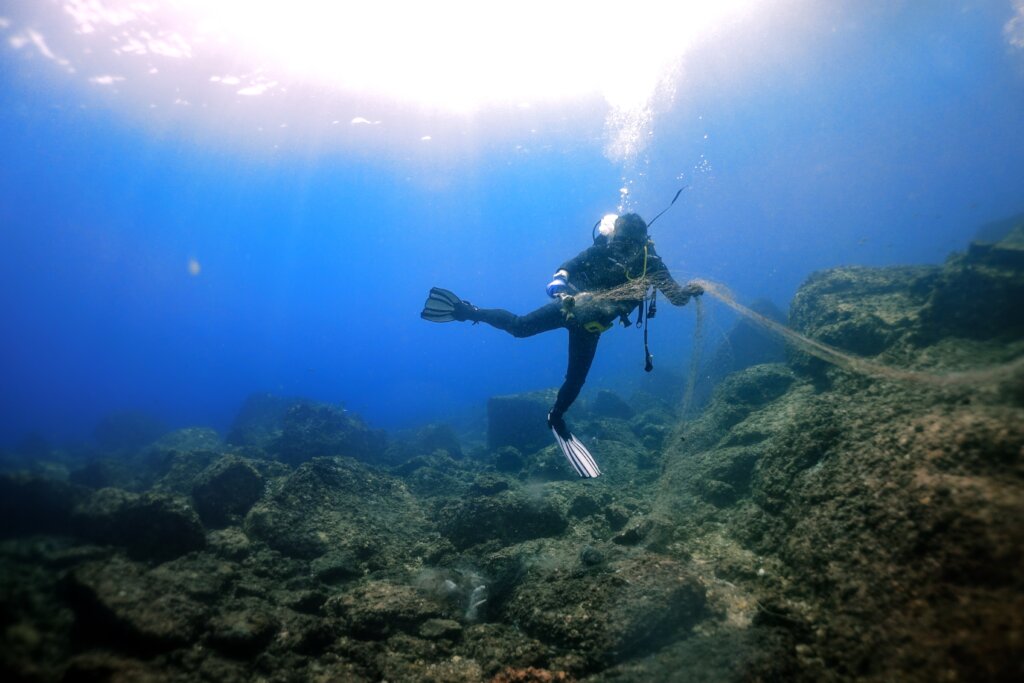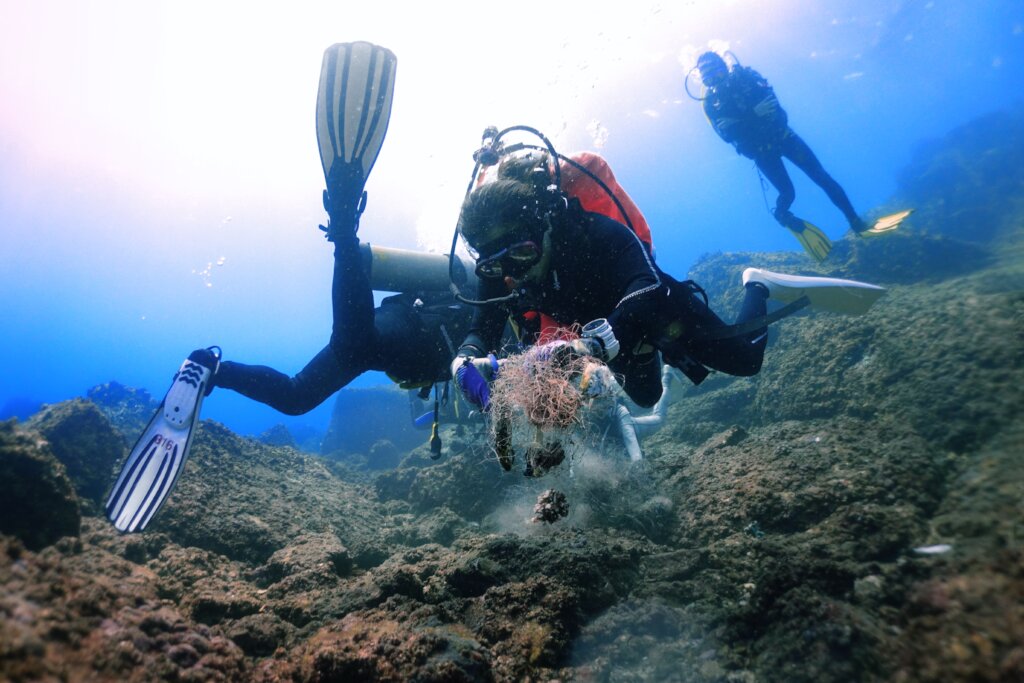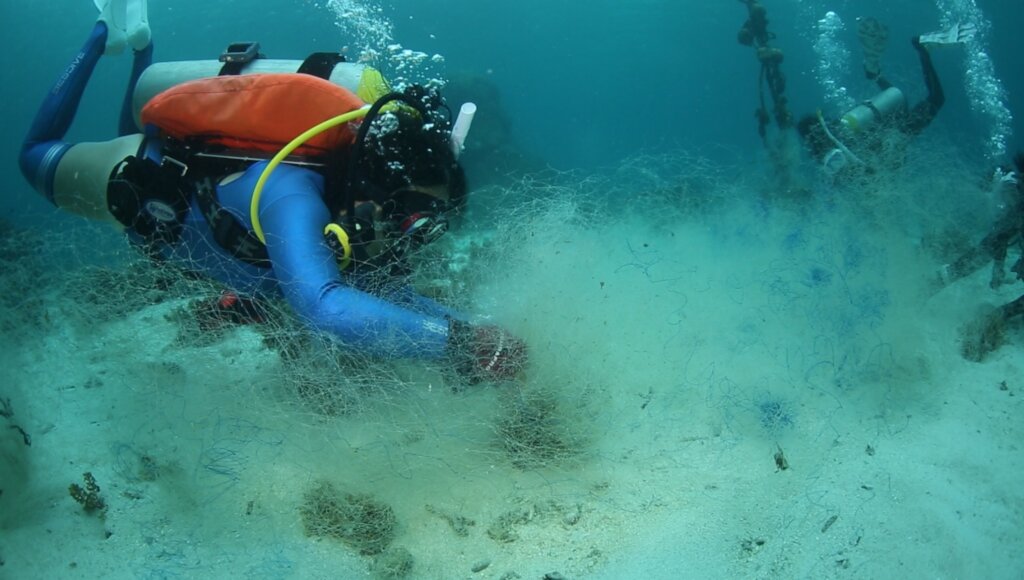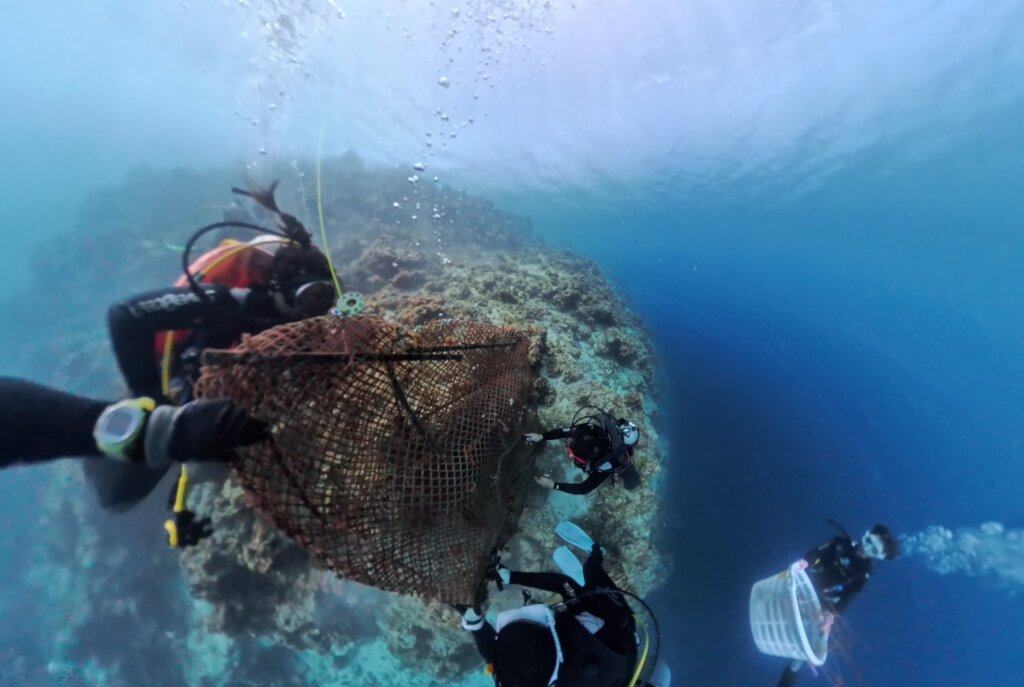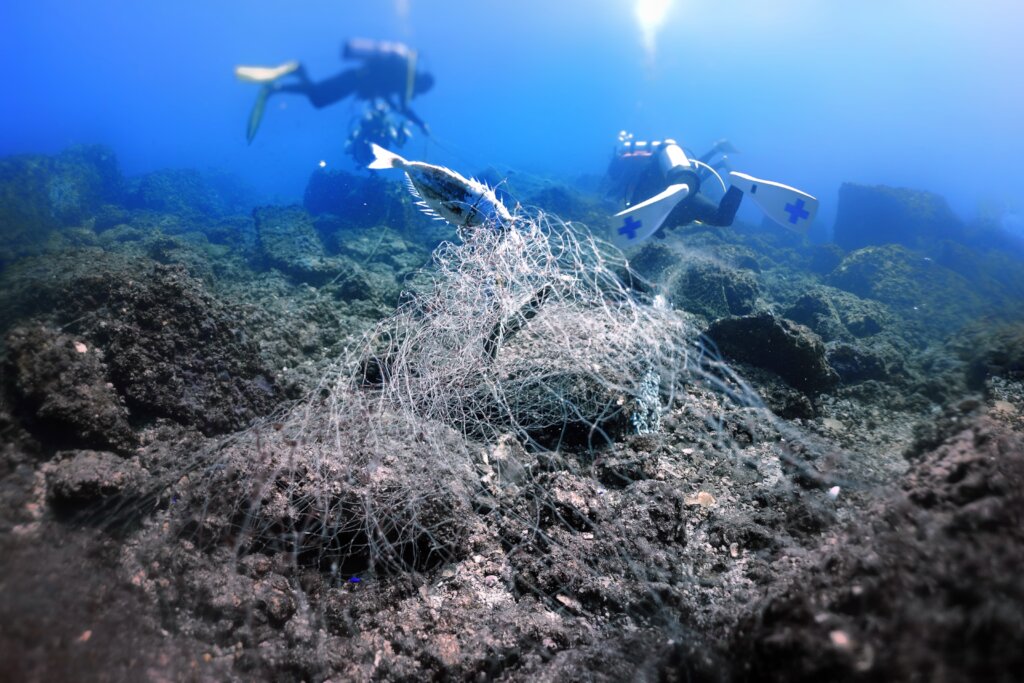
This project will conduct monthly basis marine debris cleaning underwater and ghost gears cleaning for hot spot sites of marine biodiversity.
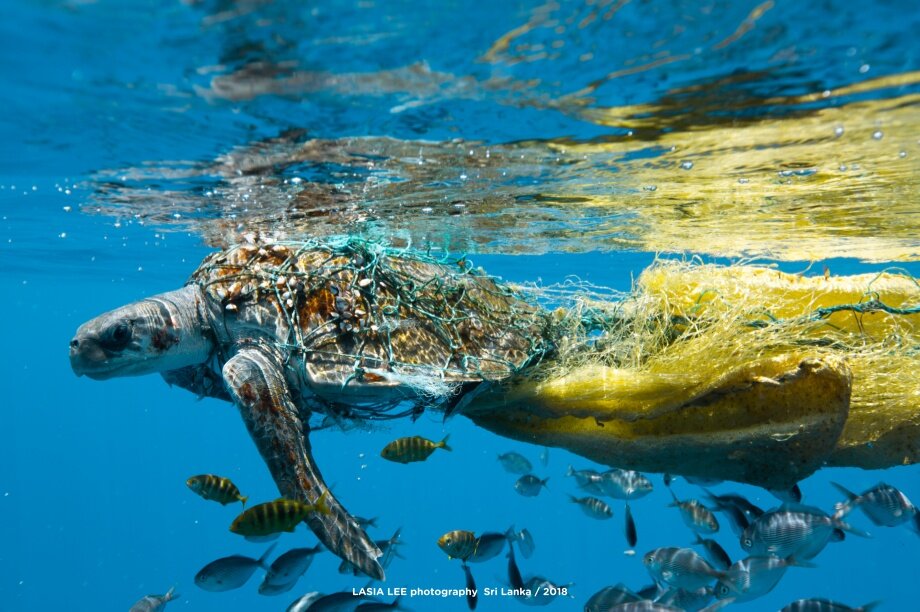
The projects tackle subsea marine debris, particularly abandoned, lost, or discarded fishing gear (ghost gear) and plastic pollution on the seafloor. This "invisible" waste destroys habitats, entangles wildlife, and goes largely unmonitored because underwater areas are difficult to survey. The critical gap is the lack of standardized, longterm data needed to understand the true scale of the problem and to drive effective policies.
This project uses a citizen science model that trains recreational divers to become active data collectors. (1)Standardized methodology: Divers follow the Dive Against Debris protocol and app, which turns a cleanup into a scientific survey. (2)Capacity building: The projects train instructors and divers to ensure consistent, repeatable monitoring. (3)Targeted removal: By focusing on ghost gear and high impact areas, the initiatives directly mitigate harm while generating actionable data.
(1)Filling data gaps for policy. (2)Identifying hotspots and sources. (3)Measuring effectiveness: Repeated surveys at adopted sites allow trends to be tracked over time. (4)Scaling prevention. In summary, these projects solve the invisibility of underwater pollution by mobilizing divers to collect rigorous data. Their lasting impact is a robust, citizen driven evidence base that enables targeted hotspot interventions, informed policymaking, and measurable progress toward healthier seas.
The Government of People’s Republic of China has implemented new regulations for foreign NGOs operating in China. GlobalGiving must receive Government approval before we can disburse funds to organizations registered in Mainland China. This means that the disbursement of your donation to this project may be slightly delayed while we obtain the appropriate approval.



Support this important cause by creating a personalized fundraising page.
Start a Fundraiser