![]()
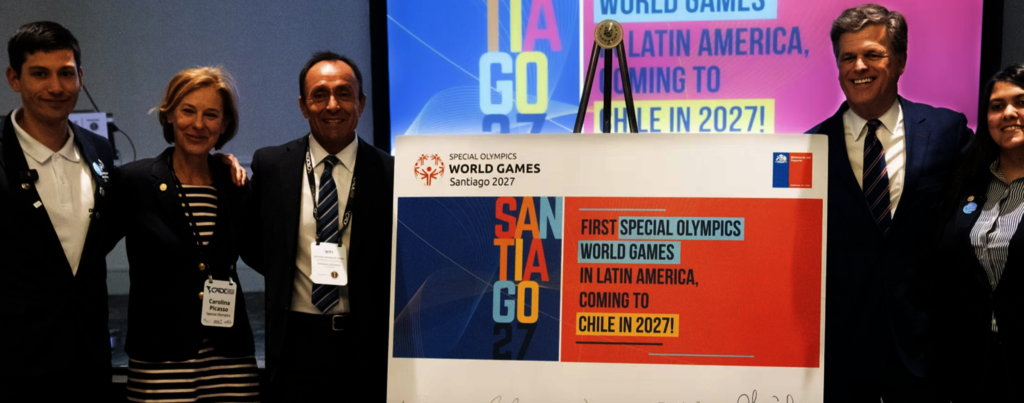
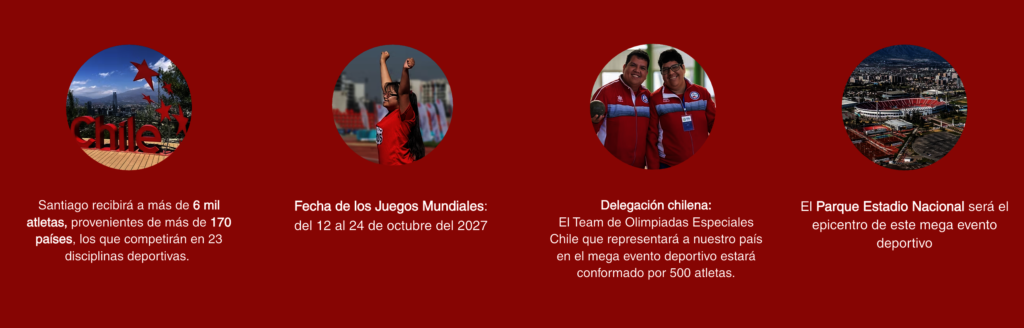
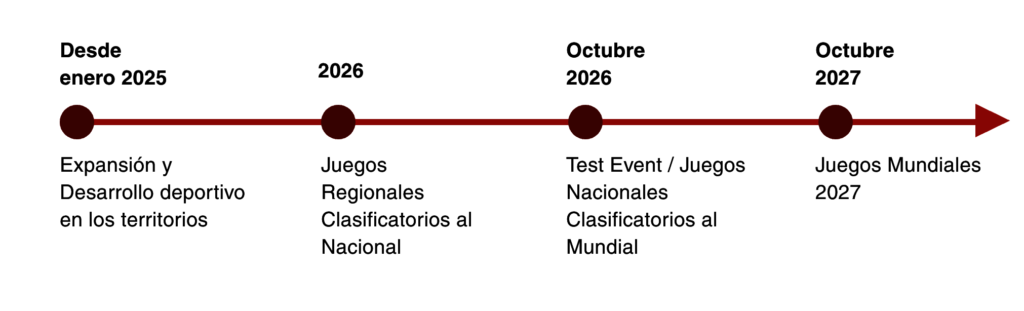
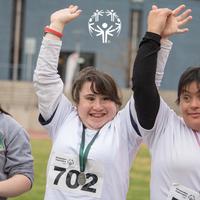
Special Olympics Chile is embarking on an ambitious territorial expansion project in 2025, aiming to significantly broaden its reach and impact across the nation. This monumental endeavor will bring the transformative power of sports and inclusion to underserved communities, fostering a more equitable and supportive environment for individuals with intellectual disabilities. The initiative is projected to directly benefit over 5,000 athletes and indirectly impact more than 20,000 family members, coaches, volunteers, and community members.
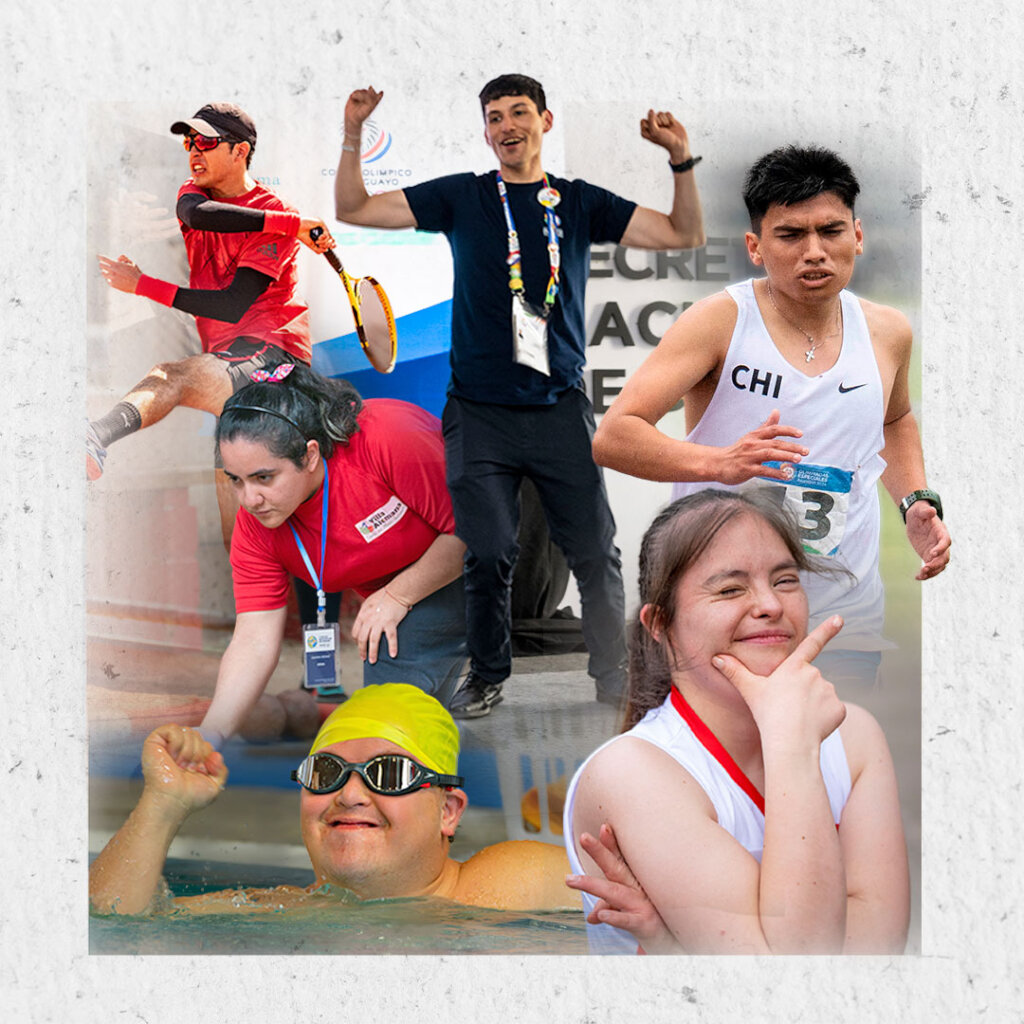
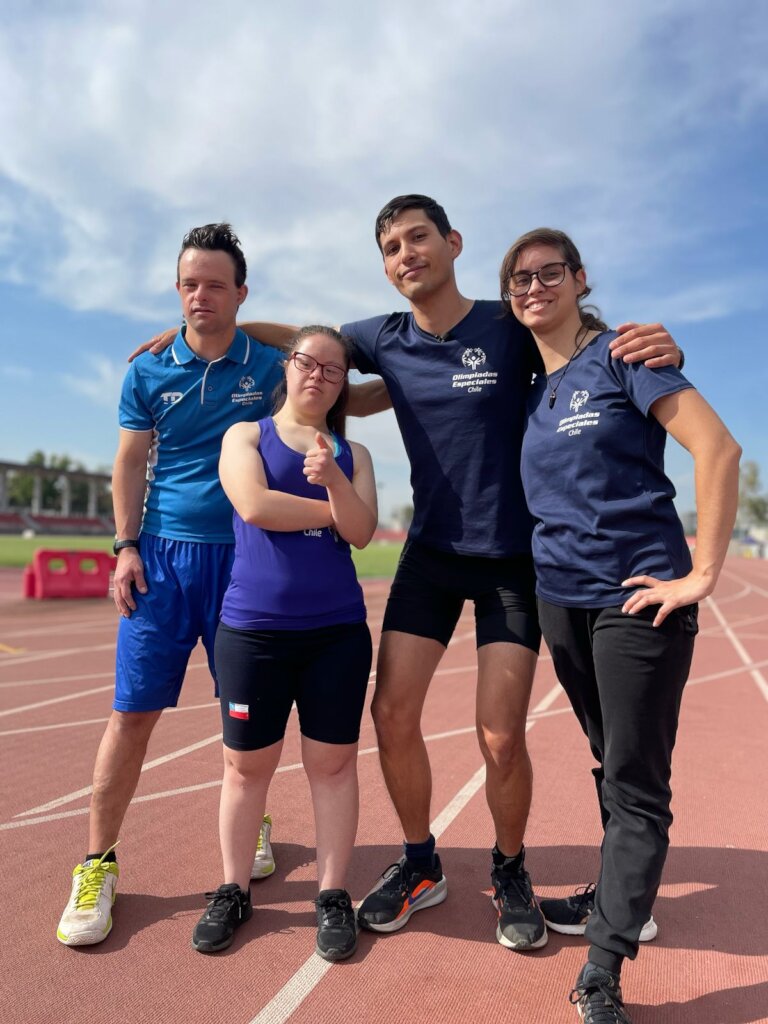
A cornerstone of this expansion is the establishment of new regional programs in areas currently lacking Special Olympics infrastructure. These programs will feature year-round sports training in various disciplines, including athletics, swimming, basketball, and soccer. . These training sessions will not only hone athletic skills but also build confidence, foster social connections, and promote healthy lifestyles among participants.
Furthermore, Special Olympics Chile will launch a comprehensive "Unified Schools" initiative, integrating inclusive sports programs into mainstream educational settings. This program will pair students with and without intellectual disabilities on sports teams, promoting understanding, empathy, and friendship. The "Unified Schools" initiative aims to directly engage 3,000 students across 50 new schools, indirectly benefiting their entire school communities – an estimated 15,000 individuals – by fostering a culture of acceptance and inclusion from an early age. Activities will include joint sports festivals, peer mentorship programs, and educational workshops on disability awareness.
Another critical component is the "Healthy Athletes" program, which will provide free health screenings and education to Special Olympics athletes in newly established territories. These screenings address critical health disparities often faced by individuals with intellectual disabilities, focusing on areas like vision, dental health, and overall fitness. This program is expected to directly benefit 1,500 athletes, with an indirect positive impact on 6,000 caregivers and medical professionals through increased awareness and specialized training. Mobile clinics will travel to remote areas, ensuring accessibility for all participants.
Finally, the expansion will include extensive volunteer recruitment and training drives. Special Olympics Chile recognizes the invaluable role of volunteers in delivering its programs. These drives will focus on attracting and training community members to serve as coaches, mentors, and event organizers. These volunteers will become local ambassadors for inclusion, further solidifying the program's roots in the community. This holistic approach ensures a lasting and widespread positive change.
![]()
![]()
![Share on Twitter]()
![Share on Facebook]()