By Mastora Bakhiet | Executive Director
Disaster Response Project – Update Report to GlobalGiving
From Life-Saving Assistance to Recovery: Building Food Security Through Local Action
Dear GlobalGiving Supporters,
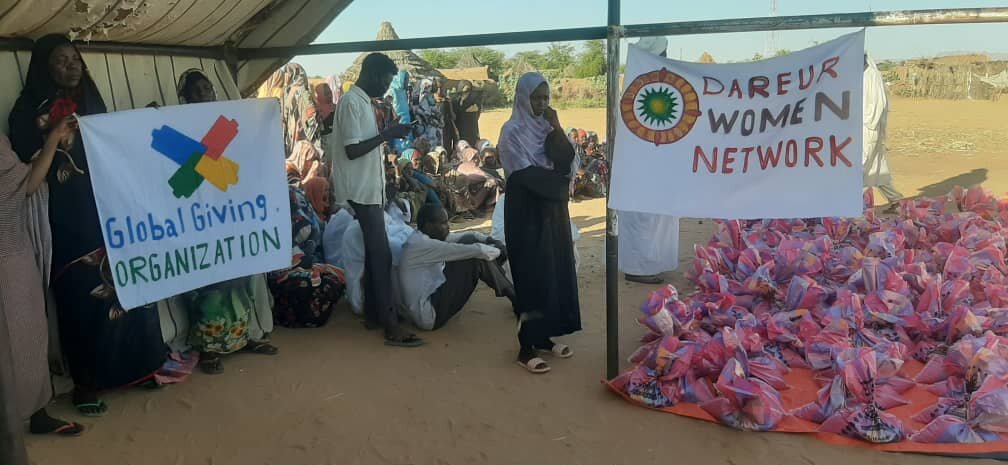
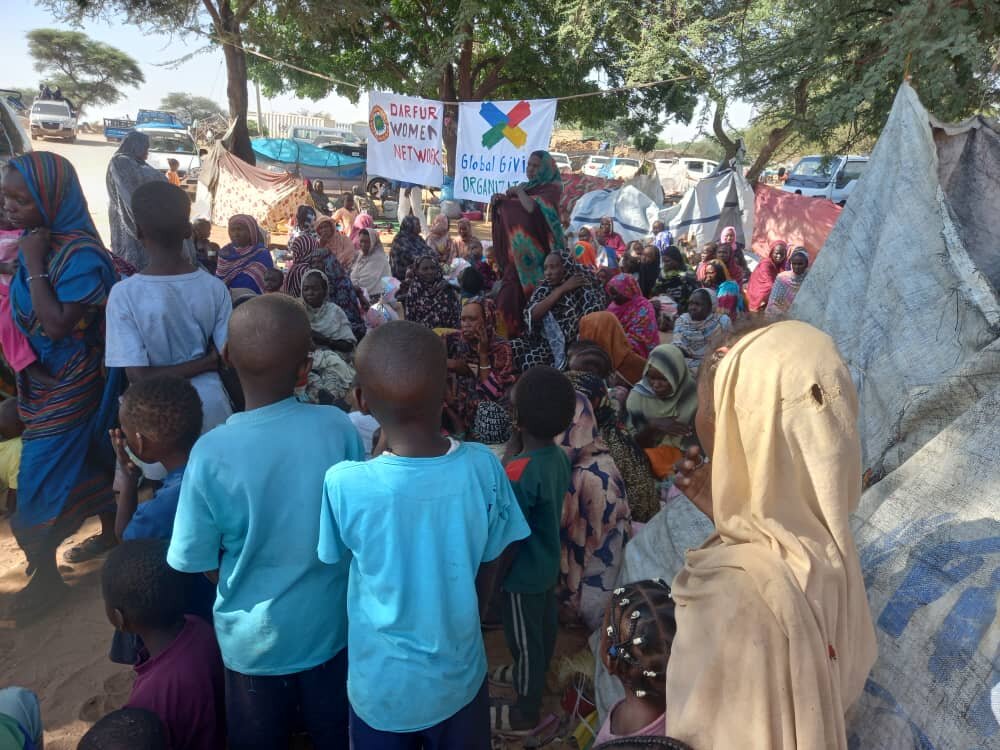
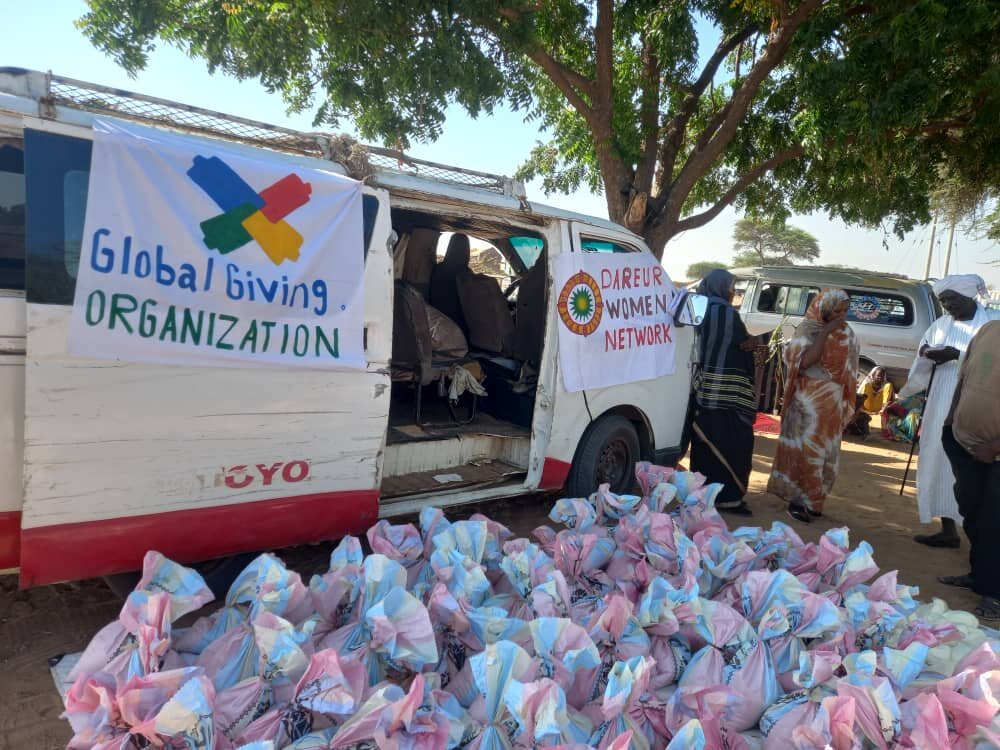
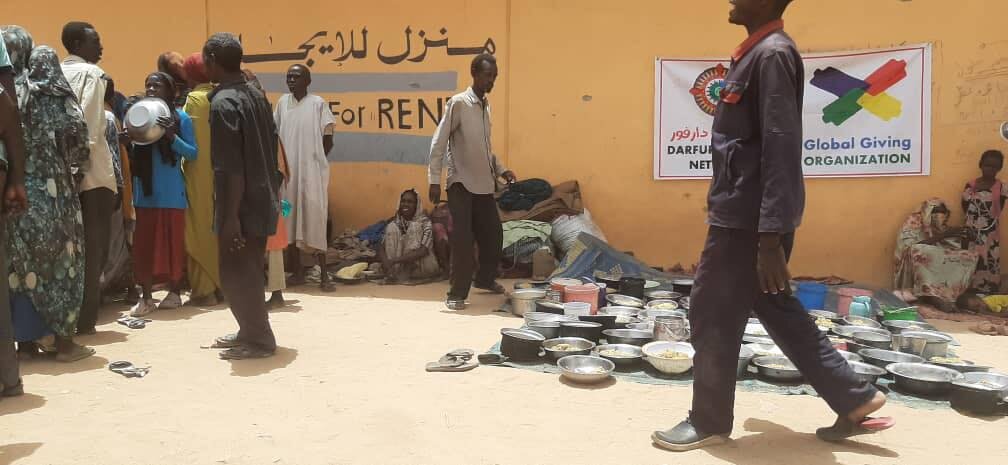
As Sudan's conflict enters its third year, communities continue to face one of the world's most severe humanitarian crises. Women and children remain disproportionately affected by violence, displacement, hunger, and the collapse of basic services. In many areas, schools, institutions, and agricultural systems have ceased to function.
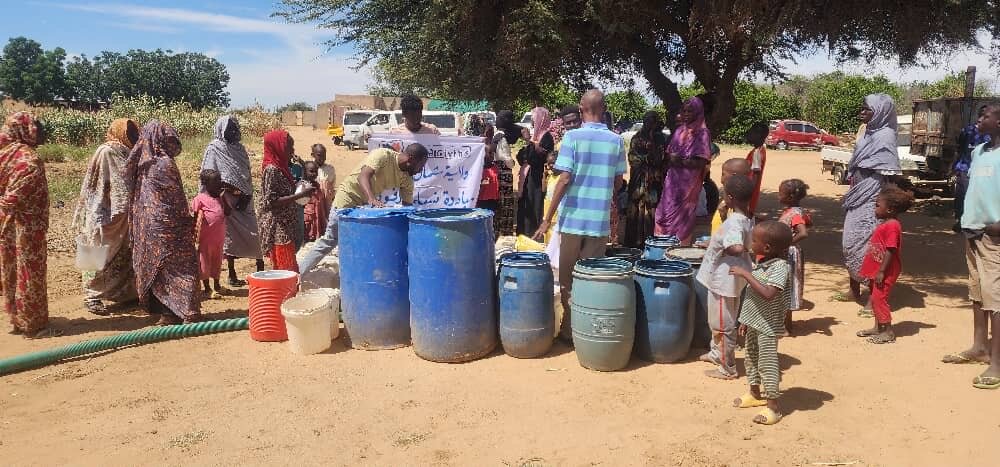
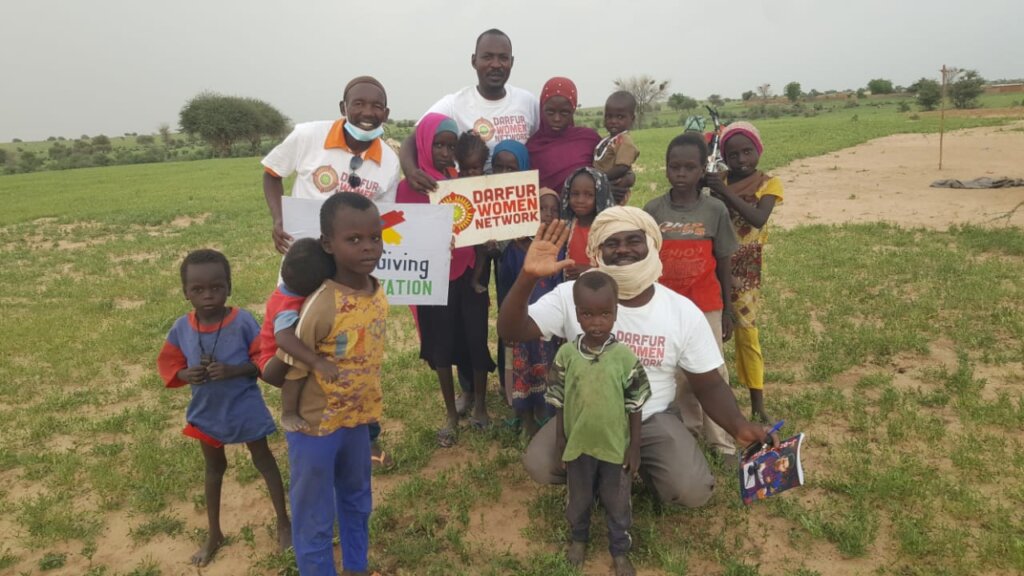
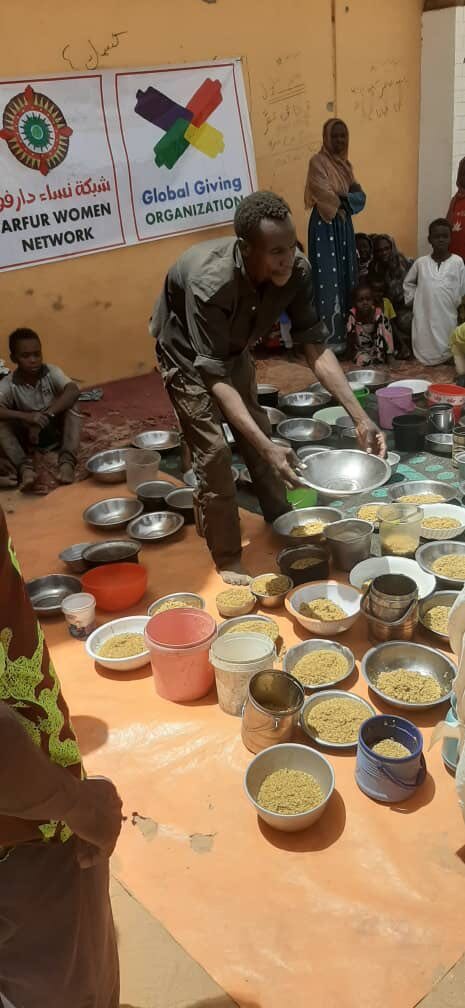
As insiders and members of the affected communities, Darfur Women Network (DWN) remains committed to providing life-saving assistance while investing in capacity-building initiatives that help survivors move from dependency toward recovery and resilience.
Capacity Building: A Unique Gift During Crisis
Despite war, displacement, internet shutdowns, and communication restrictions, DWN continues to create opportunities for learning and hope.
In partnership with the General Directorate of Agricultural Extension and Technology Transfer at the Ministry of Agriculture and Irrigation and Rainbow Agricultural Training Center, DWN has delivered free online agricultural training courses through WhatsApp to participants across Sudan.
One of our most successful initiatives was the "Cooperatives as Business Platforms" course, designed to empower small and medium enterprises and improve market access.
Results:
On June 14, 2026, DWN and its partners will launch another important free training course on Agricultural Project Planning and Management, covering:
We believe that knowledge is a powerful tool for recovery. These trainings equip participants with practical skills to rebuild livelihoods when opportunities emerge.
The Next Challenge: Securing Food for the Future
Sudan's agricultural sector has suffered devastating losses as a result of the ongoing conflict. Based on consultations and field discussions with DWN's agricultural partners, extension specialists, technical experts, and farmers from different regions of Sudan, many communities have experienced severe disruption to agricultural production systems, loss of farming assets, displacement of farming households, and reduced access to quality seeds and agricultural services.
Partners and local farmers report that large areas of agricultural land in Darfur have been abandoned or become inaccessible due to insecurity and repeated displacement. In other parts of Sudan, including traditionally productive farming regions, ongoing conflict, insecurity, damaged infrastructure, drought conditions, and irrigation challenges continue to place agricultural activities at high risk.
As a result, millions of people face increasing food insecurity and uncertainty about future harvest seasons.
At DWN, we continue asking difficult but necessary questions:
Where will our people find food? For how long can families depend entirely on humanitarian relief?
As insiders and members of the affected communities, we believe that emergency aid alone is not enough. Communities also need opportunities to restore their ability to produce food, rebuild livelihoods, and regain their independence.
Exploring Solutions: Certified Improved Seeds
In response, DWN is working closely with agricultural experts, extension officers, partner institutions, and smallholder farmers to explore the production and distribution of certified improved seeds for vulnerable farming families cultivating five acres or less.
The proposed initiative aims to strengthen:
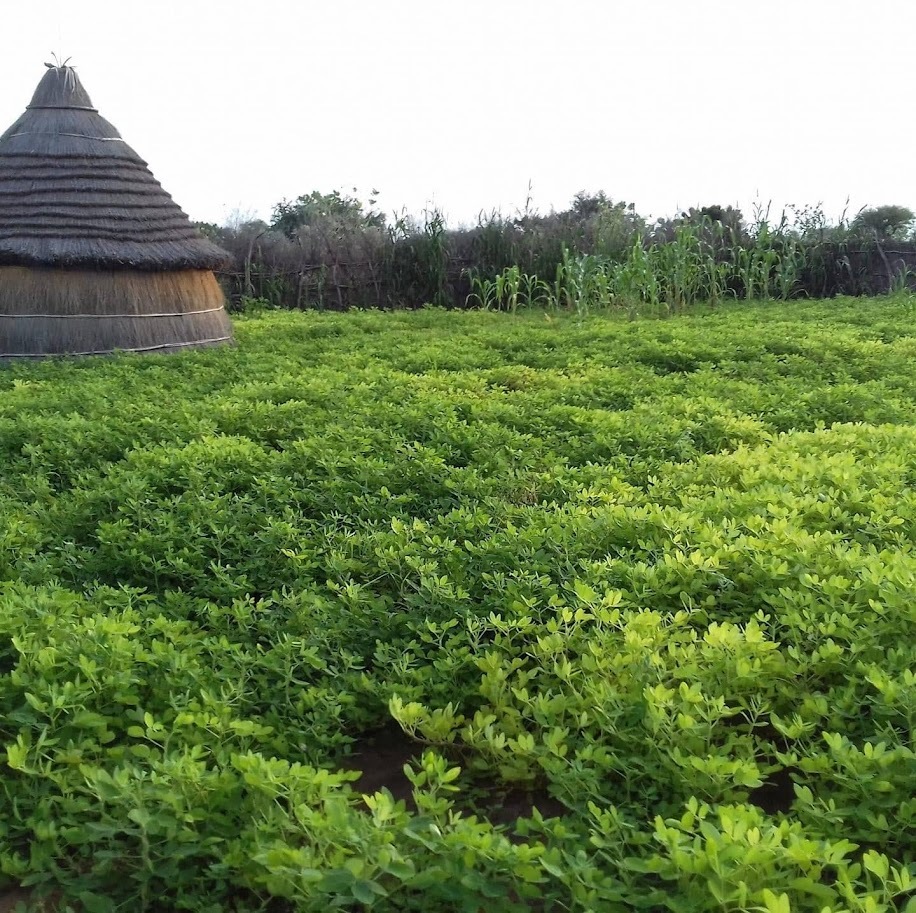
Current discussions focus on producing certified improved seeds of important food crops, including millet, sorghum, cowpea, and peanuts, under the supervision of qualified technical experts.
The proposed technical package includes the production of approximately 15 metric tons of certified seeds, progressing from foundation seed to final "Blue Tag" certification. The proposed seed production plan includes:
At the same time, DWN recognizes the significant risks associated with agricultural investments in conflict settings. Rising insecurity in some regions, concerns about the expansion of violence into new agricultural areas, drought conditions, and limitations in irrigation systems require flexible planning and adaptation.
As part of this process, DWN and its partners are exploring alternative approaches, including the possibility of producing seeds in Chad under the technical guidance of Sudanese agricultural experts, should conditions inside Sudan continue to deteriorate.
While these discussions are ongoing, one thing remains clear: investing in local food production is essential if communities are to move from dependence on relief toward self-reliance and long-term recovery.
Why Your Support Matters
For communities affected by war, the path from survival to recovery is long and uncertain. Yet local organizations continue to lead with courage, determination, and hope.
As an organization founded and led by Sudanese community members, DWN continues to prioritize listening to farmers, women, local volunteers, extension officers, and technical experts to ensure that recovery efforts are grounded in the realities faced by the communities we serve.
By supporting community-led initiatives that combine emergency response with capacity building and livelihood recovery, GlobalGiving donors help families move beyond crisis toward dignity and self-reliance.
DWN remains committed to standing with war-affected families, especially women and children, and to reducing hunger through locally driven solutions that restore opportunity and resilience. Here is the link: http://goto.gg/68632
Thank you for believing in the strength of communities and the power of local leadership during times of crisis.
With gratitude,
Darfur Women Network (DWN)
Project reports on GlobalGiving are posted directly to globalgiving.org by Project Leaders as they are completed, generally every 3-4 months. To protect the integrity of these documents, GlobalGiving does not alter them; therefore you may find some language or formatting issues.
If you donate to this project or have donated to this project, you can receive an email when this project posts a report. You can also subscribe for reports without donating.



Support this important cause by creating a personalized fundraising page.
Start a Fundraiser