By Gary Scheirman | Director
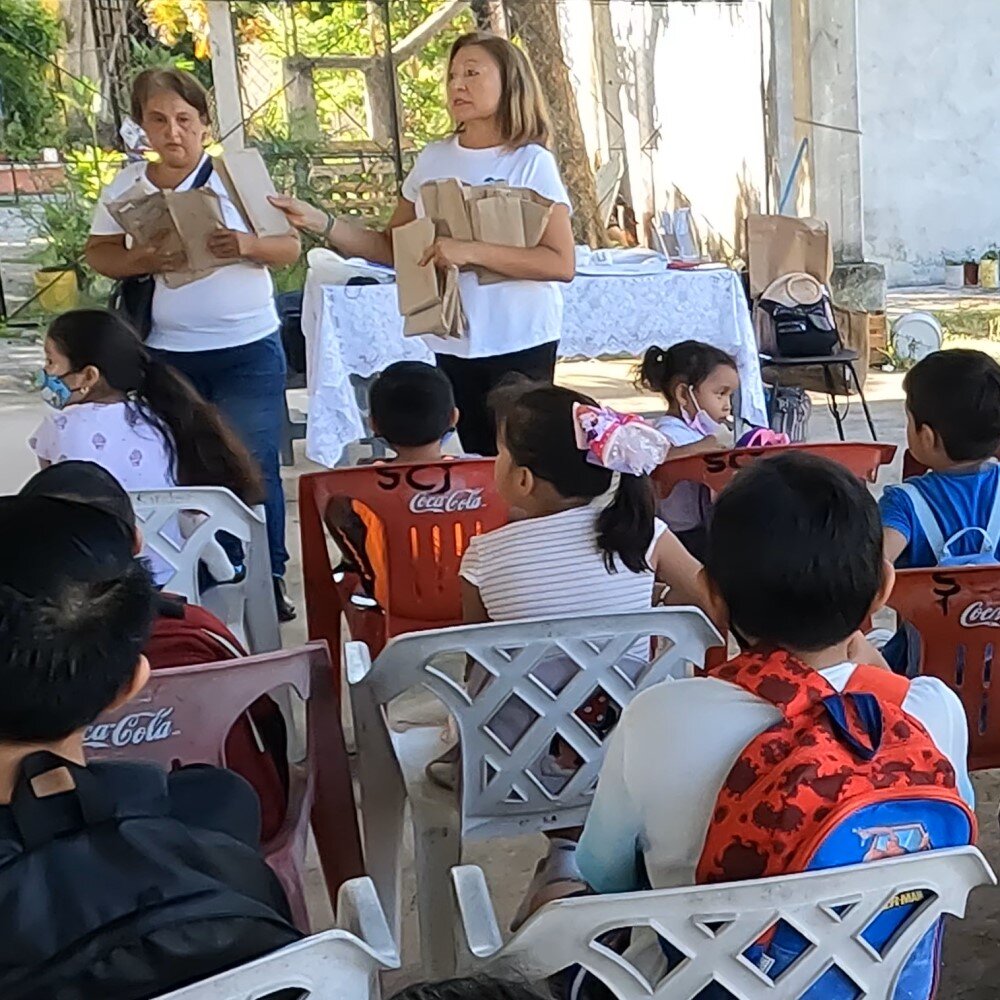
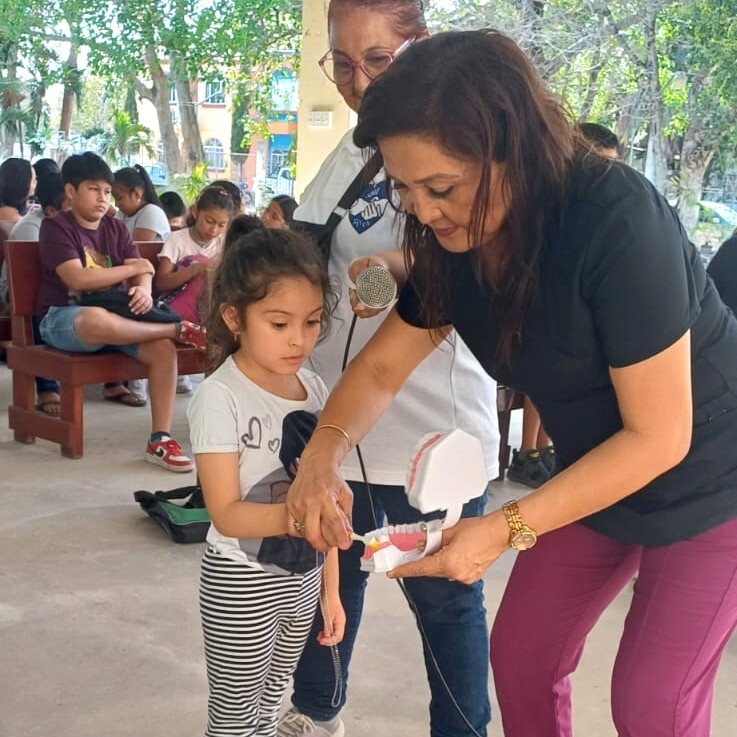
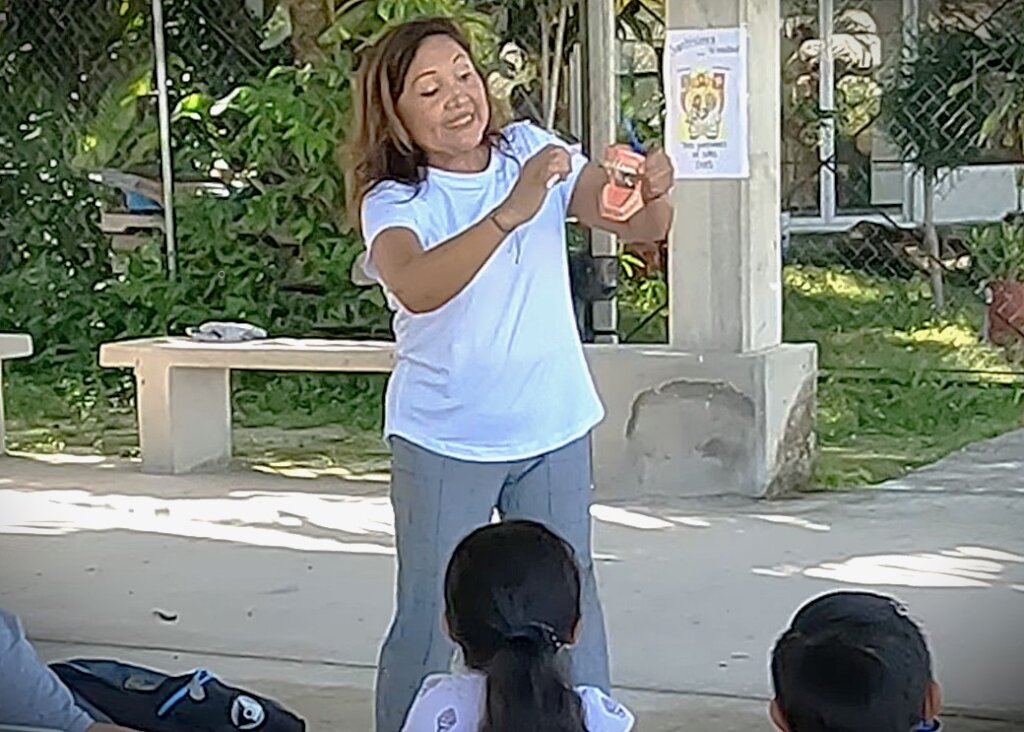
Thanks to your support SoulGives sponsored four events this past quarter, two at public schools and two at churches, for nearly 200 kids and parents.
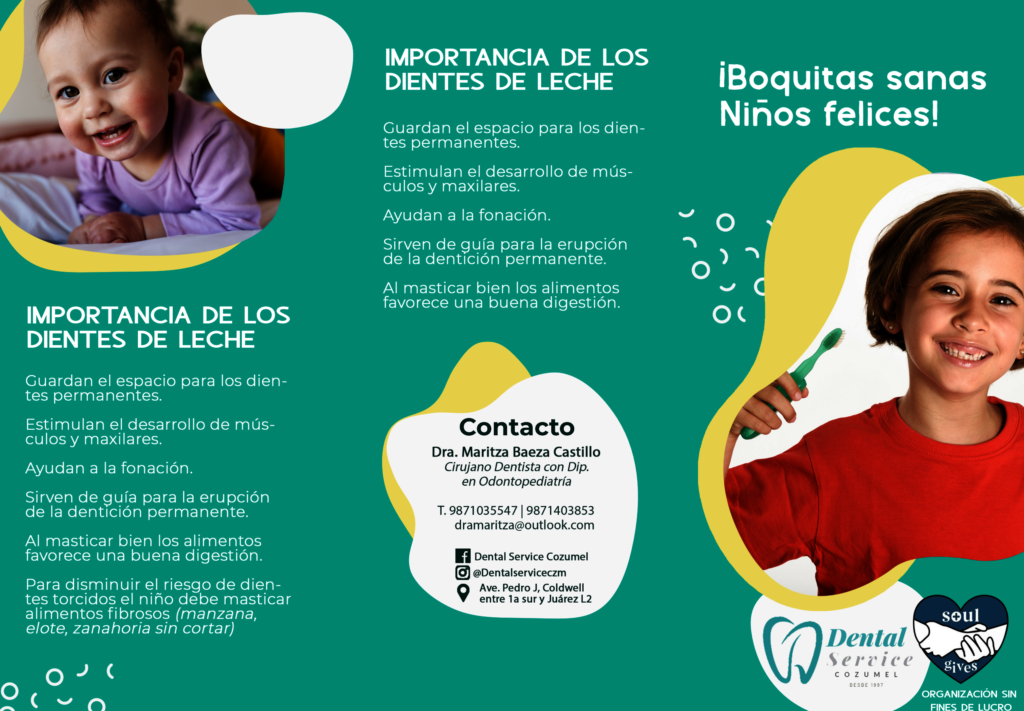
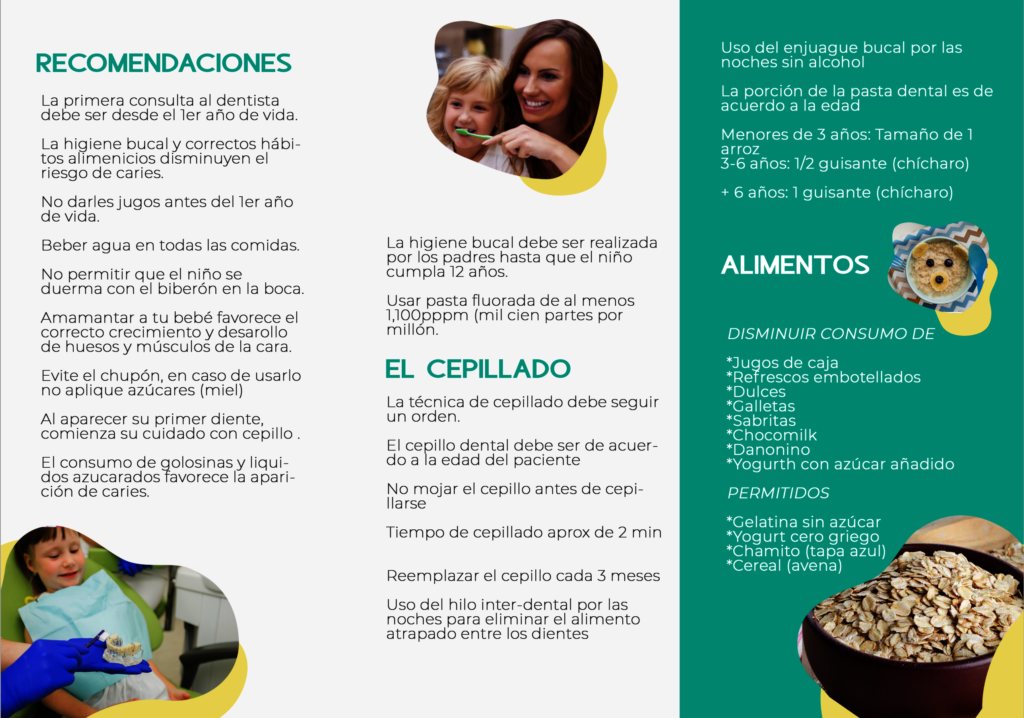
We continue to emphasize the importance of brushing, flossing, and avoiding sugary beverages and foods.
We continue to improve the content of our handouts as well as the graphics. The information from Michael Lynch, D.M.D., Ph.D., Global Director of Oral Care and Fellow Global Scientific Engagement for Johnson & Johnson Consumer Inc., has had us change how we teach these children the best in oral hygiene.
He presented these important tips:
Switch to a Soft-bristled Brush
If you’re using a hard brush, consider replacing it now. Medium- and firm-bristled toothbrushes may leave your teeth feeling cleaner, but they can be very abrasive—and damaging over time.
“Most people would be perfectly fine with a soft-bristled brush,” Dr. Lynch says. And there’s no need to brush too vigorously, either. It’s not good for your teeth or gums. He advises using a gentle amount of pressure; tilting the brush at a 45-degree angle against the gum line; and brushing in a short, circular motion.
Start by Brushing in the Back
This good habit may mean that you do a better job cleaning those hard-to-reach spots—which is essential because all of those nooks and crannies in your molars make them more susceptible to gum disease and cavities.
Beginning your brushing routine in the rear (at least sometimes) is a good way to give the back of your mouth the attention it deserves.
Add Mouthwash and Gum to Your Routine
If you’re doing twice-a-day brushing and flossing, you may feel that’s good enough. But rinsing with an antimicrobial mouthwash afterwards will kill more oral bacteria, helping to fight plaque. After you brush and floss, swish vigorously for 30 seconds twice a day. Another recommendation is to chew gum. Sugar-free gum can help reduce the amount of bacteria in your mouth, and it stimulates salivary flow, which bathes the teeth with calcium and phosphate ions that help replenish tooth enamel, says Dr. Lynch.
Don’t Brush Too Often
The recommendation used to be to brush after every meal. Brushing too often can damage your gums and the enamel on your teeth, and because of that, twice a day is enough, advises Dr. Lynch. What you can do after every meal and snack is rinse with plain water. “Do some vigorous swishing, forcing the liquid in between the teeth to disrupt and dislodge any food particles,” Dr. Lynch suggests.
We are hoping that 2025 will have the most attendees ever, from small children to adults!
Keep up that smile!
Project reports on GlobalGiving are posted directly to globalgiving.org by Project Leaders as they are completed, generally every 3-4 months. To protect the integrity of these documents, GlobalGiving does not alter them; therefore you may find some language or formatting issues.
If you donate to this project or have donated to this project, you can receive an email when this project posts a report. You can also subscribe for reports without donating.



Support this important cause by creating a personalized fundraising page.
Start a Fundraiser