By Prashanta Shrestha | Board of Director
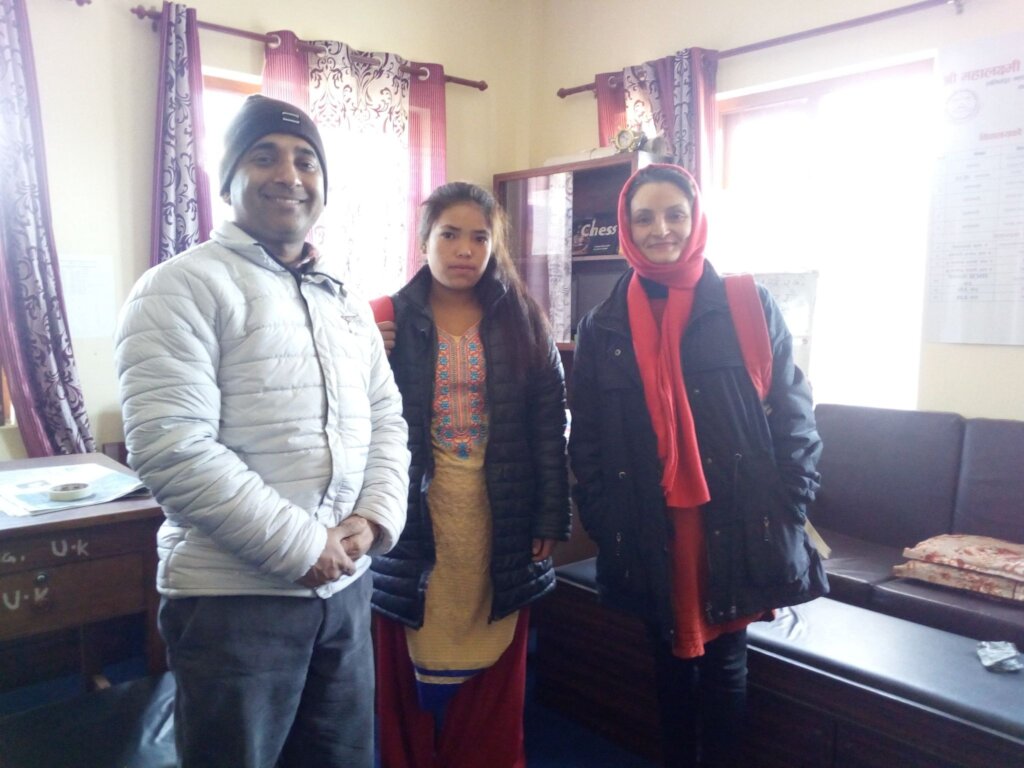
Exploring the history of the struggles of the three founders women of Console Mission, Martha, Parbati and Maya, they come from the same area of Nepal called Gorkha. After they reached secondary level of school, they had to leave their homes and the area but that was not permitted for them. So they worked together to leave, their bond worked. They went in the town where the United Mission to Nepal had a hospital. And its impact was high that people were positive and accepting changes like education for girls. They managed to live together as that helped to manage the cost. Willingness and courage was one important element for them as a girl. So as they stepped in, they got opportunity to volunteer and study in the areas of community services and health matter manly maternity and pregnancy.
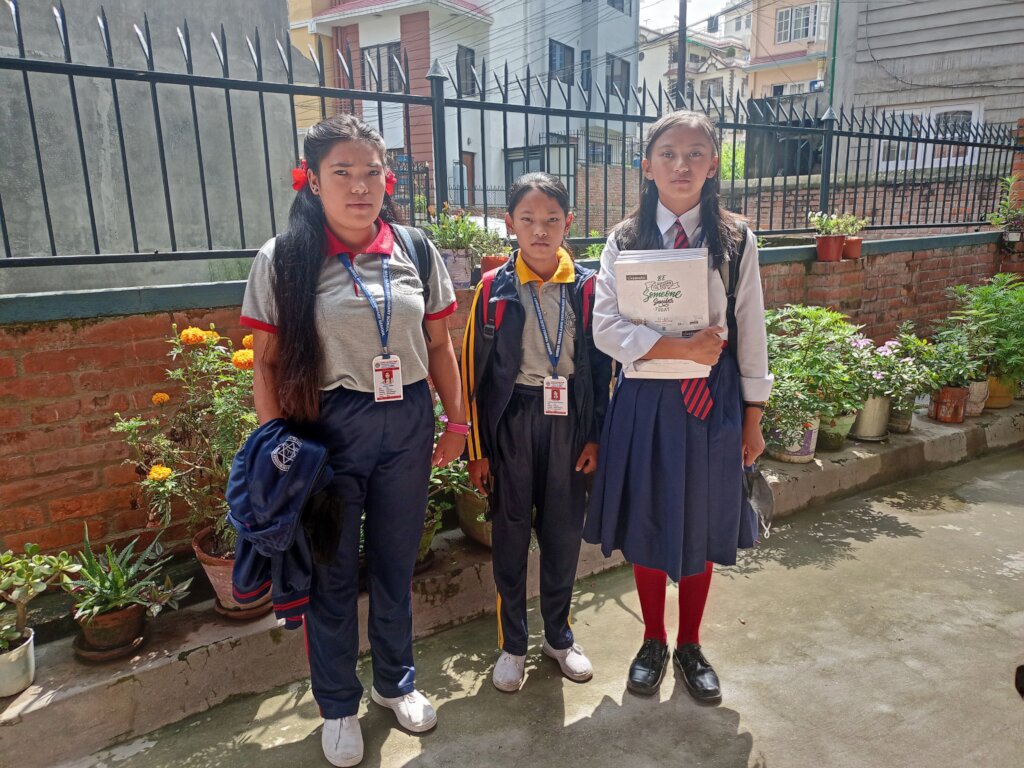
It is same today, as well. If for example, a girl last year completed her school and planned to come in town. So Console Mission found scholarship for her. But since her parents were not capable to invest her for monthly occuring cost, she quietly joined a factory that produces households materials.
Want to learn more about the story of a 16-year-old girl who recently left her job and returned to her village, Chaughare—her education disrupted in the process? Reach out to us at advocacy@consolemission.org and let’s start the conversation that could drive meaningful change.
Why Some Parents Are Reluctant to Invest in Their Children’s Education After Grade 10
No Direct Cost Until Grade 10 Children attending public schools incur minimal expenses. Tuition is free, and essentials like uniforms, textbooks, and even notebooks are often covered by teachers and supported by NGOs like Console Mission. This makes parents less accustomed to budgeting for education.
Limited Parental Engagement While some parents attend meetings or visit schools voluntarily, many remain disengaged from their children’s long-term educational planning.
Income Instability Most families rely on farming, which is vulnerable to weather and seasonal cycles. Their earnings are irregular and unpredictable, making it difficult to commit to consistent financial support.
Financial Mismanagement Male heads of households sometimes prioritize spending on alcohol or gambling, diverting funds that could support their children’s future.
Urban Transition Challenges When children move to towns for higher education, some parents offer minimal or irregular financial help—often due to peer pressure or societal expectations. This sporadic support forces youth to take up work, often affecting their academic progress.
Rural-Urban Adjustment Struggles Transitioning from rural to urban life presents cultural, academic, and emotional difficulties. Without a strong support system, these students are especially vulnerable to exploitation and discouragement.
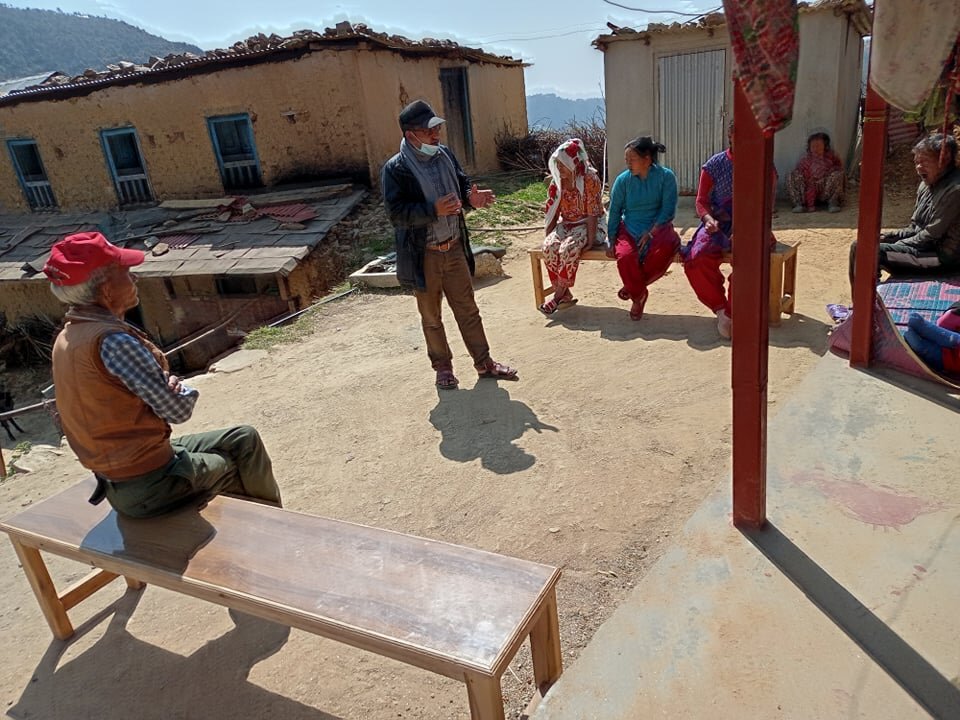
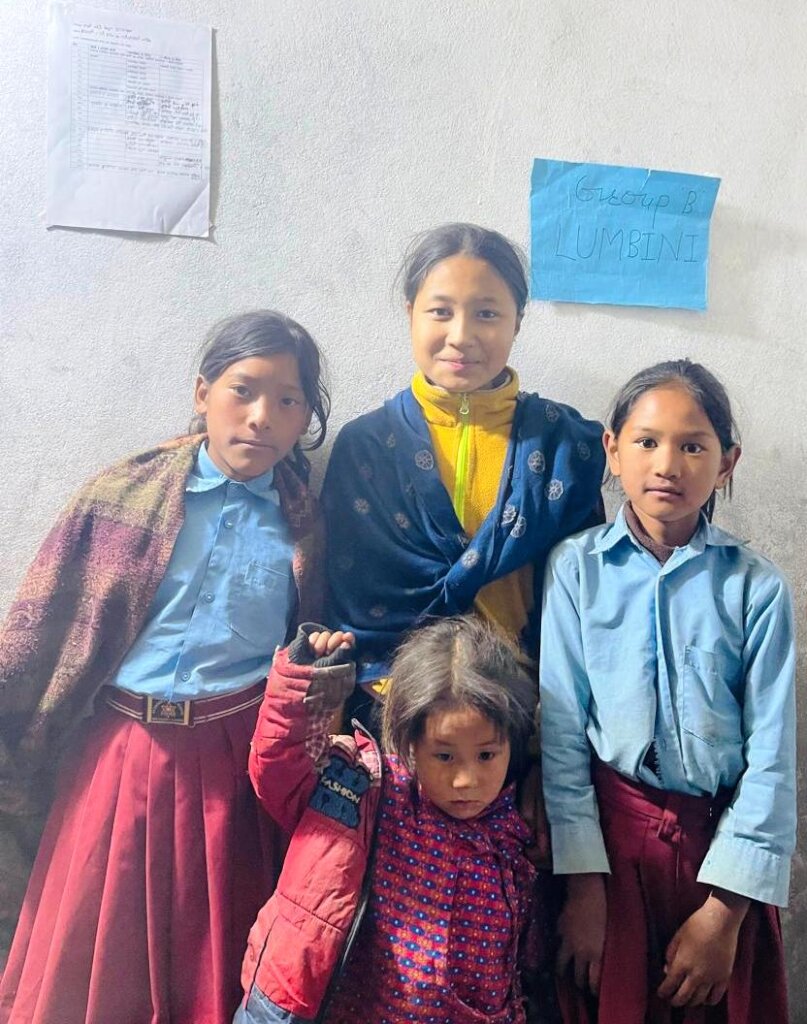
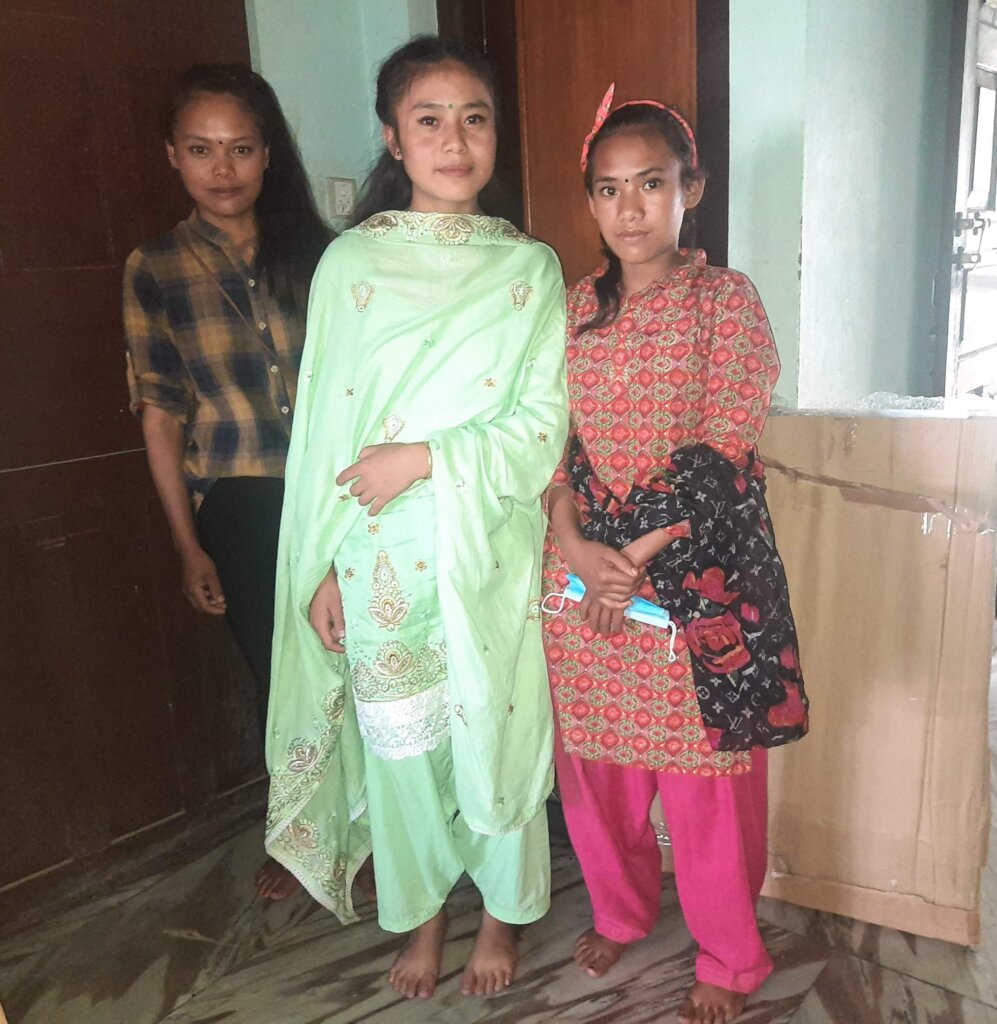
In villages of 18–24 households, every year two to four children graduate from school. These young minds—both girls and boys—stand at a critical juncture. Without proper guidance, they face heightened risks of exploitation, from unsafe work conditions to human trafficking.
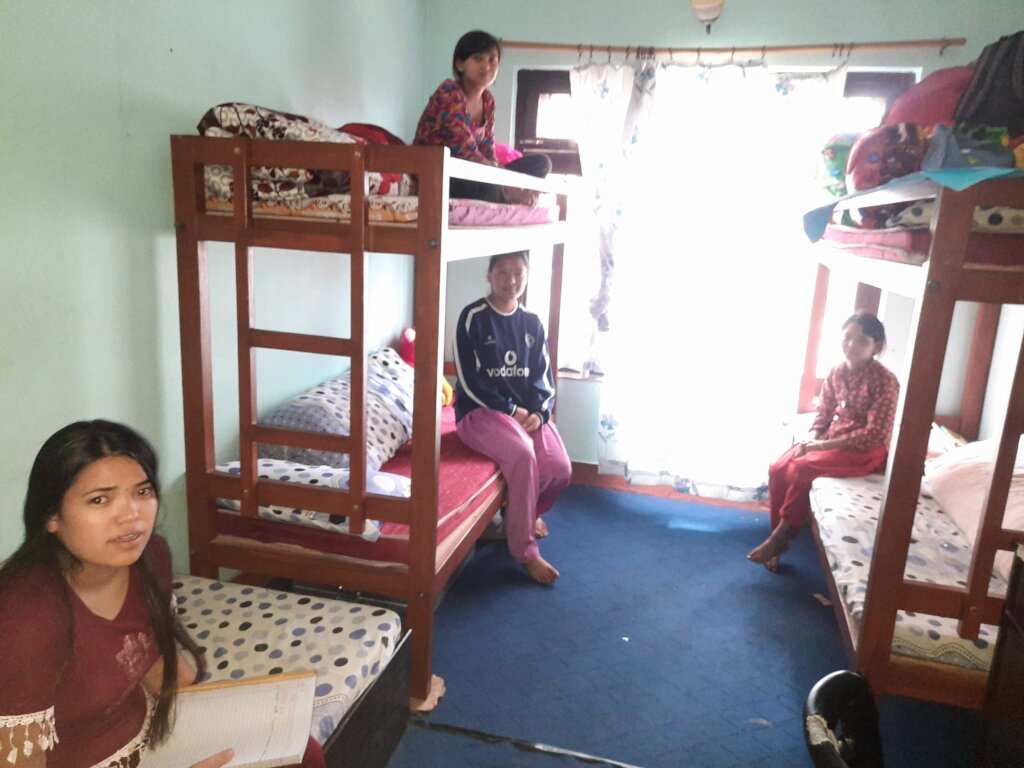
From 2018 to 2024, Console Mission piloted the Self-Managed Home—a powerful intervention offering safe housing and mentorship. This initiative revealed that even with supportive environments, graduates encounter emotional, social, and logistical challenges. However, when they are clearly shown the path beyond college, their confidence grows, and their trajectory shifts.
Today, without a dedicated facility, we struggle to cover rent costs and ensure the presence of essential female staff. Despite this, Console Mission continues to help these youth secure scholarships and access safer living arrangements—though still far from ideal. These temporary solutions are significantly better than unsupervised rentals, which expose vulnerable teens to exploitation by traffickers or exploitative employers who prey on their unfamiliarity with fair labor standards.
This evolving project not only safeguards young citizens but also offers a vision for a more sustainable and equitable society. Our experiences are a call to action—for policymakers, funders, and communities alike—to invest in protection, guidance, and structured transition support for the next generation.
One Life. Every Life. Console Mission Counts on You.
In Nepal’s complex multiparty system, political affairs often dominate the agenda, leaving little room for urgent social concerns. In many parts of the world, the loss or disruption of a single young life prompts immediate action. But in countries like ours, such stories often go unseen.
It’s disheartening to witness how many NGOs, though well-intentioned, remain confined to policy-level work—raising voices against issues like child marriage—without effectively reaching the vulnerable teens already working in bus stations, canteens, and factories. These young people, navigating adult responsibilities far too soon, deserve more than slogans. They need safety, support, and a future.
At Console Mission, we believe that every life matters deeply. We've seen firsthand how transformational even a single intervention can be. That’s why we focus not only on policy but on real lives—those living on the edge of being forgotten.
If you’ve donated, shared our work, or even taken the time to read this: you are part of this impact. Your support helps us protect, guide, and uplift young people when no one else is watching. Thank you for standing with us—and with them.
Project reports on GlobalGiving are posted directly to globalgiving.org by Project Leaders as they are completed, generally every 3-4 months. To protect the integrity of these documents, GlobalGiving does not alter them; therefore you may find some language or formatting issues.
If you donate to this project or have donated to this project, you can receive an email when this project posts a report. You can also subscribe for reports without donating.



Support this important cause by creating a personalized fundraising page.
Start a Fundraiser