By Rina Shiine | Project Leader
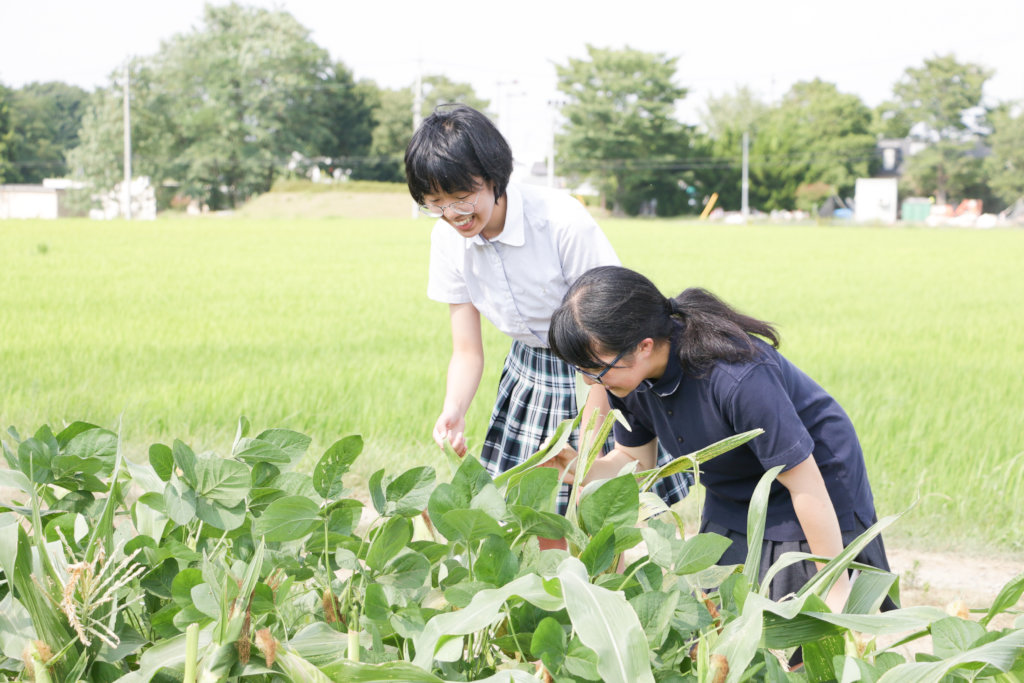
As part of our efforts to inspire the younger generation in Fukushima, we did a variety of activities this spring to support the development of high school and university students.
1. Actions by high school students for the Fukushima Innovation Coast Framework
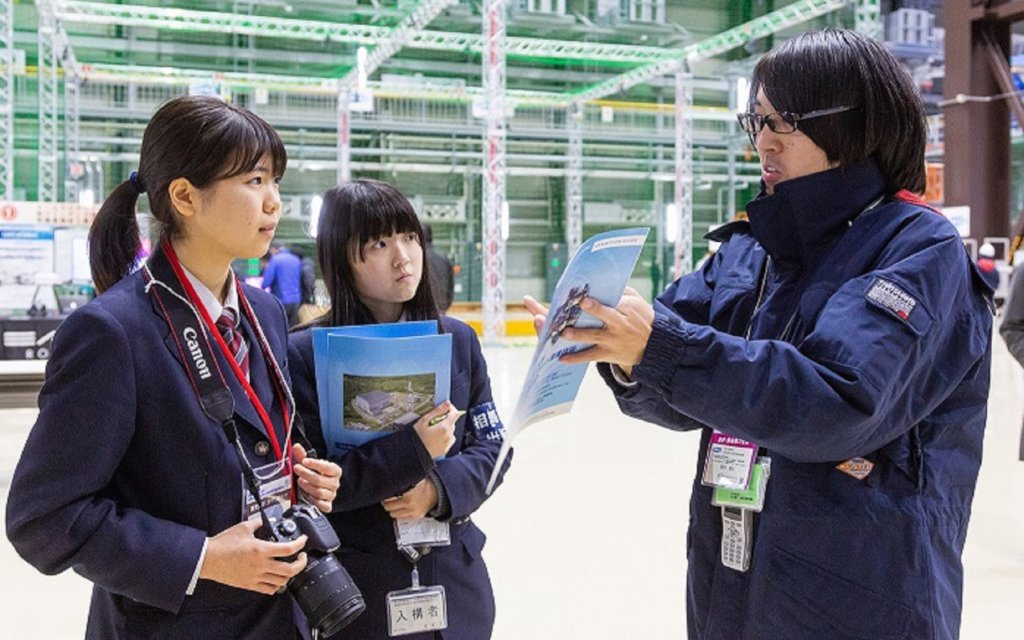
The pace is picking up for activities aimed at the recovery of local industries along the coast of Fukushima that were damaged by the nuclear accident of 2011. The Fukushima Innovation Coast Framework is trying to develop a concentration of new industries here, such as robots and drones, reactor decommissioning, and farming with the latest technologies. As part of this Framework, high school students were engaged in two projects.
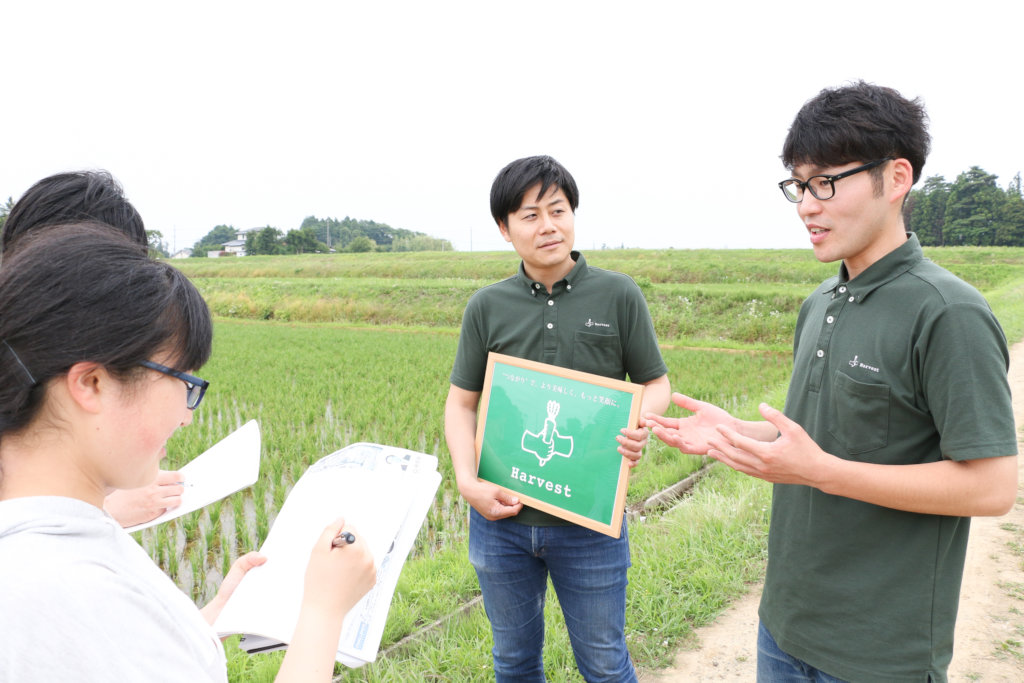
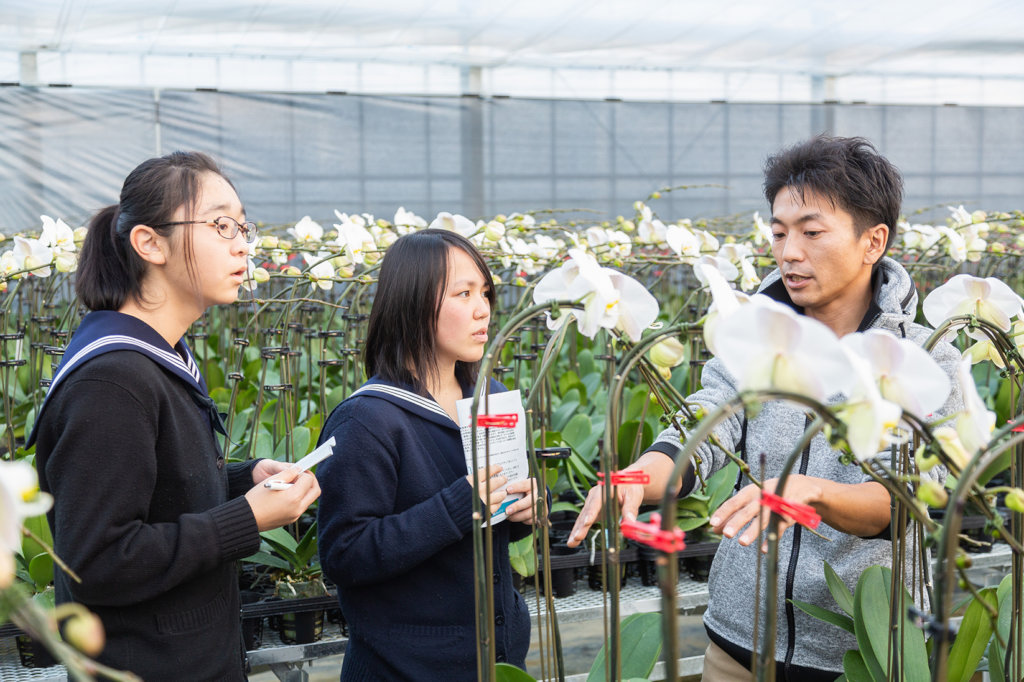
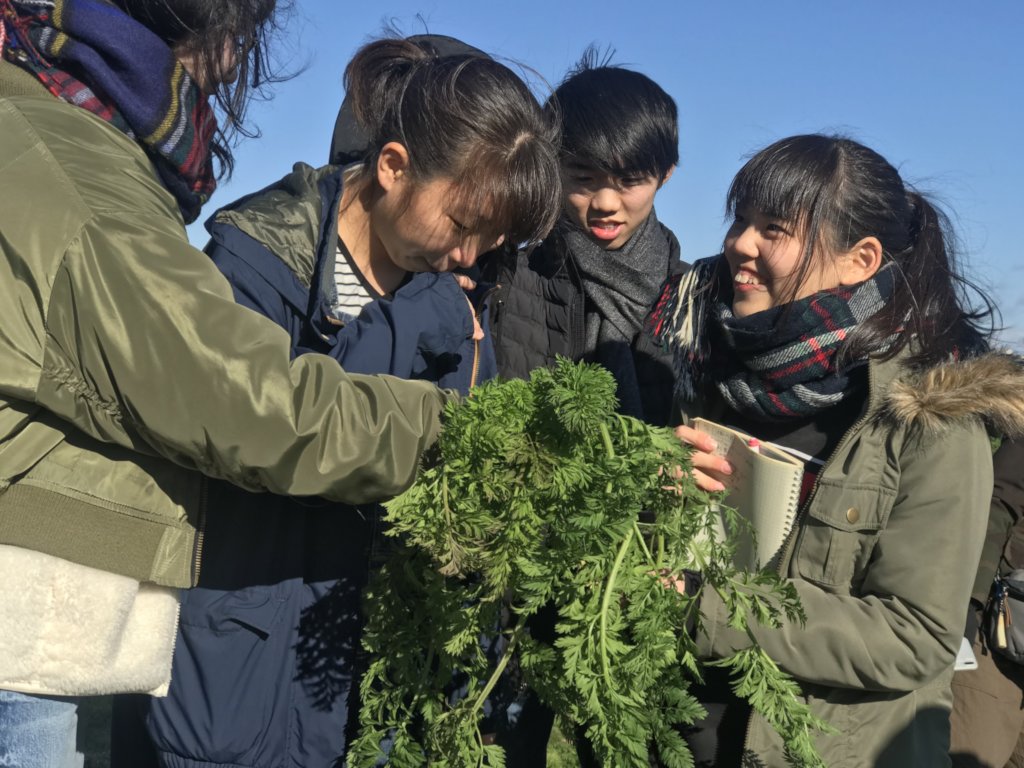
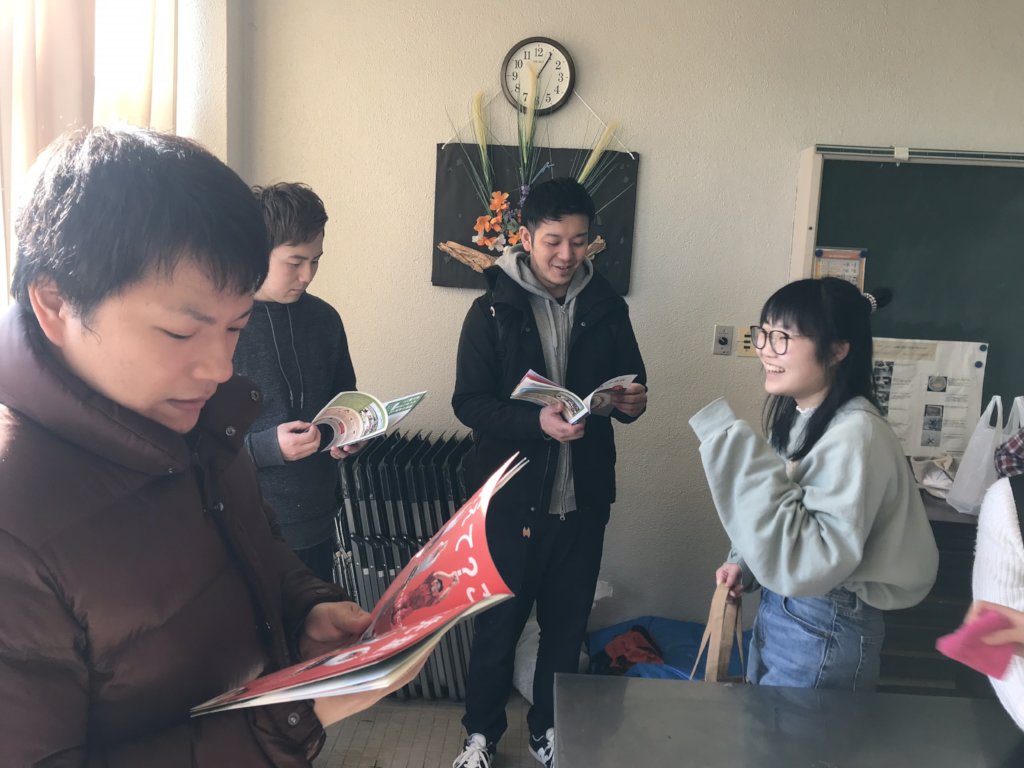
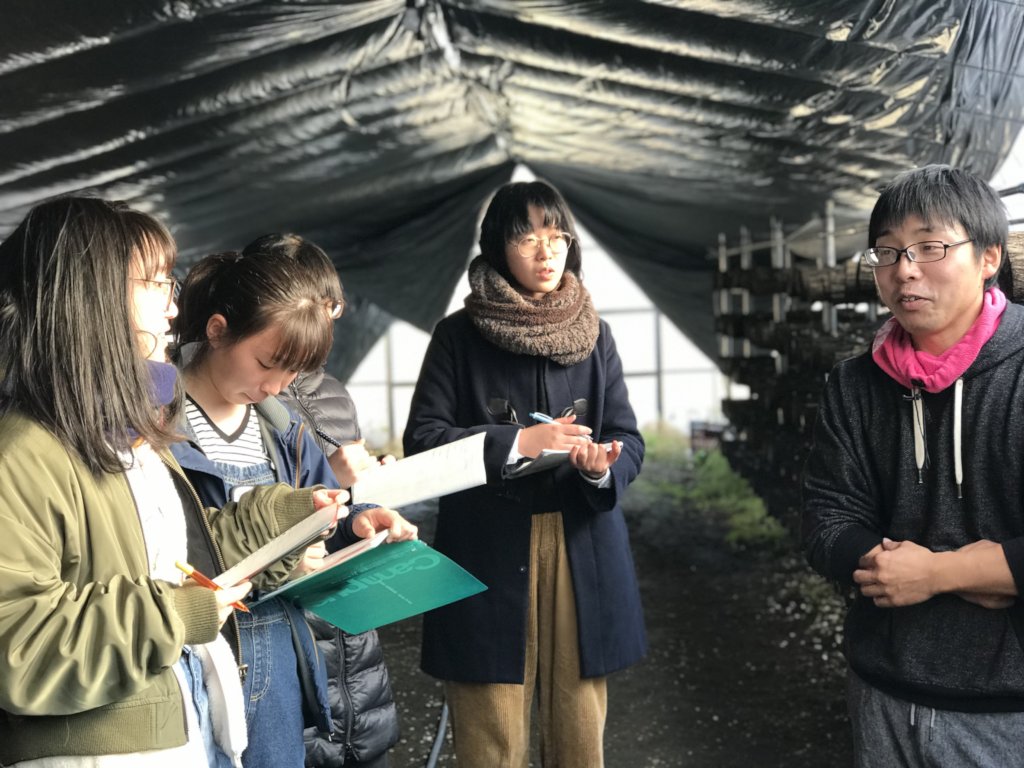
In the first project to support the Framework, local high school students created a story book based on interviews with adults who are working on the frontlines to create new value. No matter how grand a concept or industry is, the passion of individuals is what makes everything happen. The process of interviewing gave students the chance to communicate directly with adults who are very dedicated to the recovery of local areas and Fukushima. Through these interactions, the students made new discoveries about local industries, and this fostered pride and closeness with their own communities.
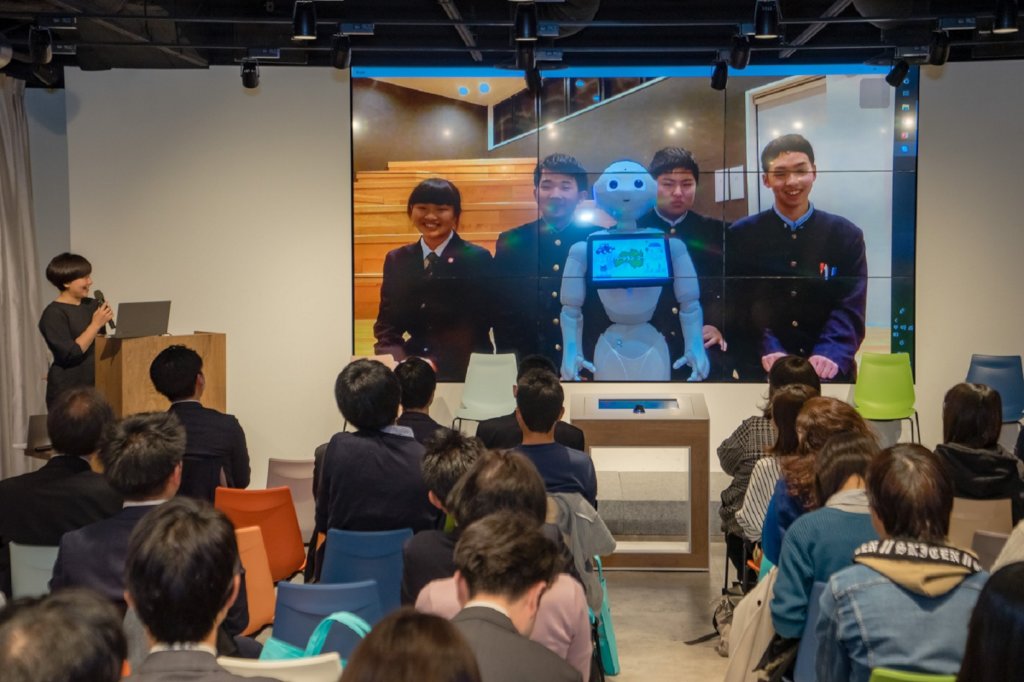
In the second project, students considered scenarios to explain this Framework in ways anyone could understand, and developed a computer app for the humanoid robot named "Pepper." The students spent more than half a year on this programming and ended up themselves being highly-motivated advocates for the Framework. In March 2019 they presented their work at a symposium organized by the prefecture and shared their observations from this activity, summed up as "It is important to continue challenging ourselves and looking a little further into the future." We will be sure to convey this message to the students' successors in this program.
2. Exchanges with high school students from other regions
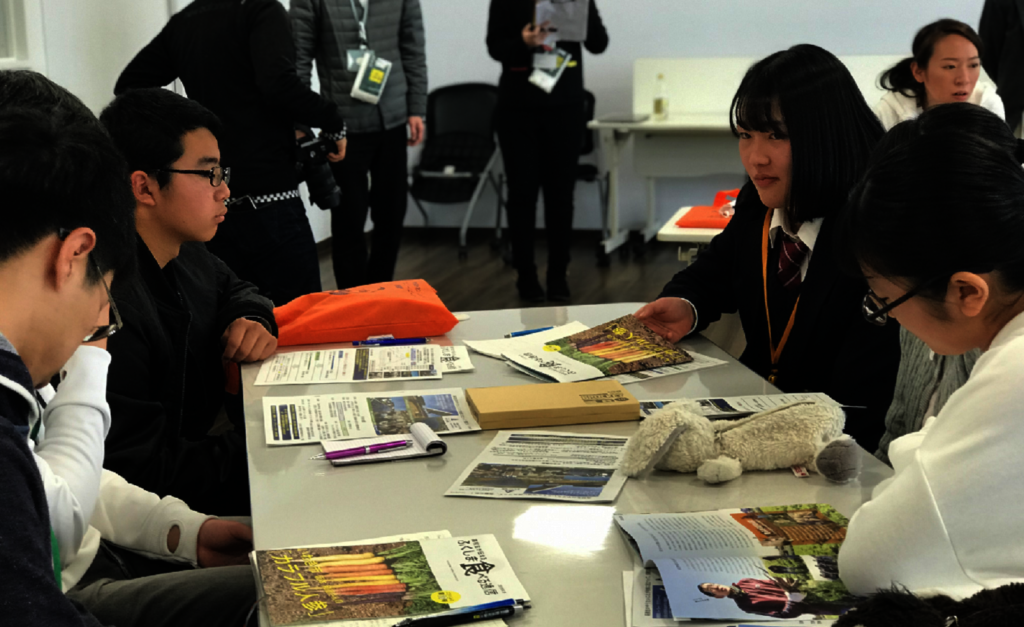
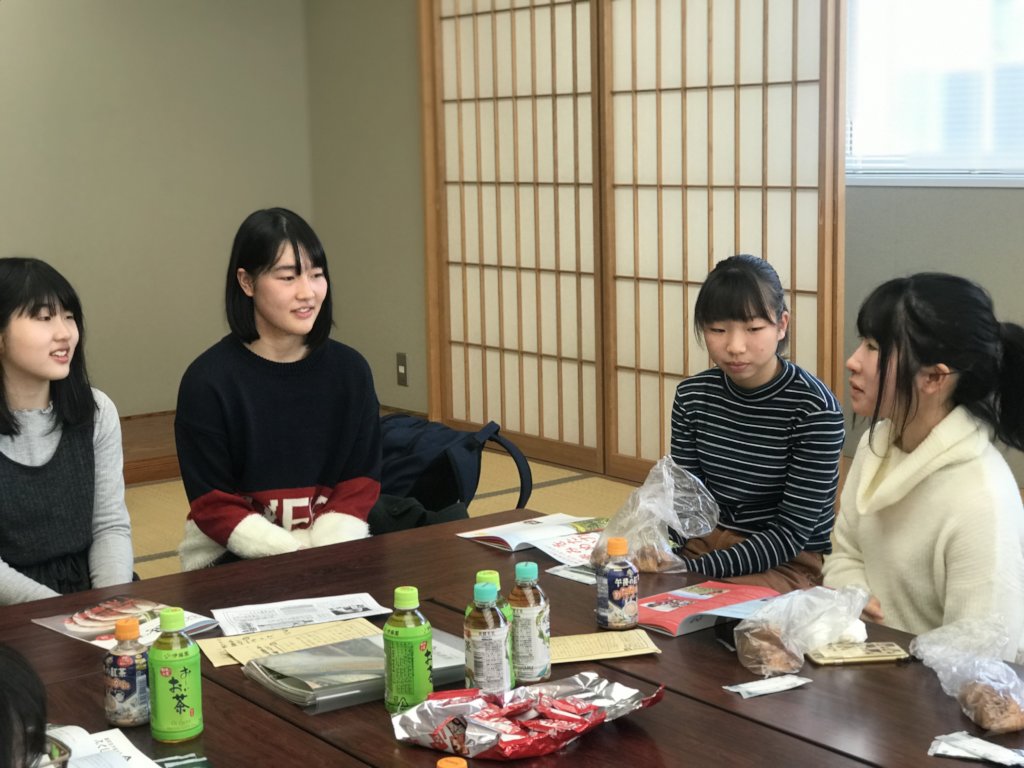
The "Fukushima Taberu Tsushin" (Eating Fukushima) is a food-related magazine that conveys the passion of Fukushima farmers. High school students on the editorial team hosted students who visited from Kobe in Hyogo Prefecture, nearly 600 kilometers away, to exchange information and views about current situation and recovery of agriculture in Fukushima.
The visiting group of students shared many positive impressions based on the exchange, saying "By actually visiting Fukushima in person we were able to obtain accurate information, such as status of farm product inspections, and we realized that the products are safe," and "It is important to get accurate information."
Hyogo Prefecture has experienced its own major disaster, the Hanshin-Awaji earthquake of 1995. The visit this spring gave students a chance to directly see the various background issues and see the actual status of Fukushima as a disaster-affected area, so this exchange was a valuable opportunity for each person to think about their own future.
3. Seeds of traditional vegetables connecting university students
The autumn 2018 issue of the "Eating Fukushima" magazine contained a feature story about the kogiku squash, which has a long tradition as a tasty local farm product of the Aizu region. To give readers a real connection to tradition, a flyer supplement was inserted asking former members of the editorial team to collect the squash seeds from people after they ate squash, and in response, 225 packages of seeds arrived back at the magazine office.
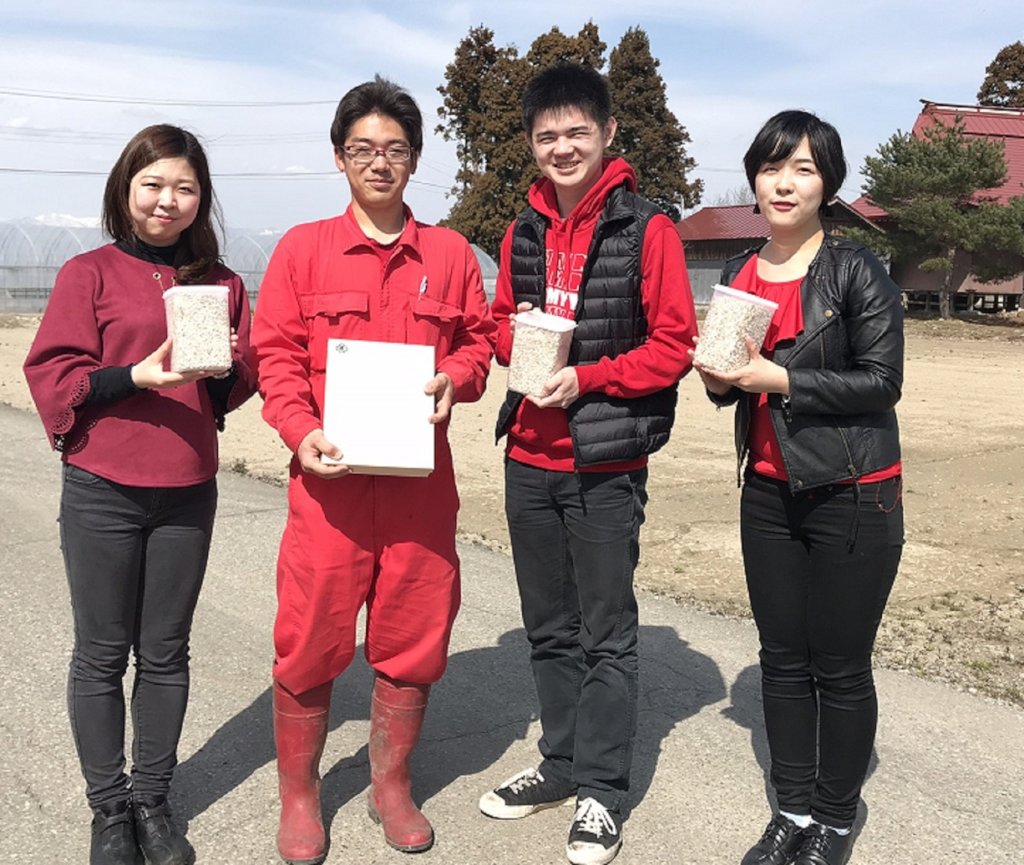
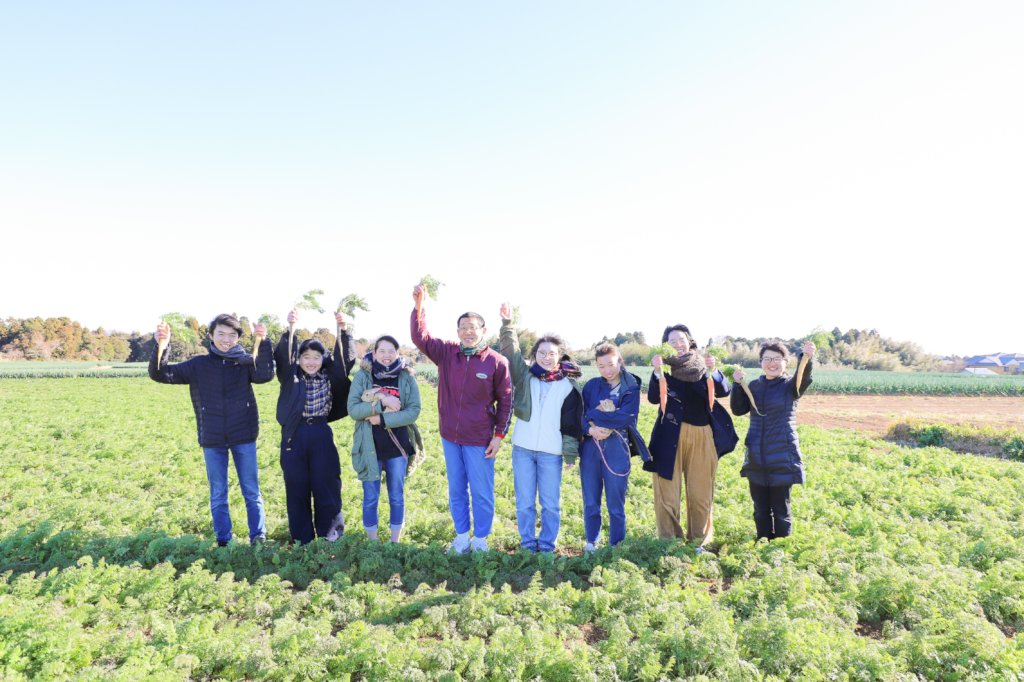
Three kilograms of seeds were collected in total, and university students then delivered them to growers in the Aizu region. As a result, through the use of seeds this activity not only helped support the tradition but also made new connections between readers and producers, and motivated everyone to make further efforts.
Links:
By Rina Shiine | Project Leader
By Rina Shiine | Project Leader
Project reports on GlobalGiving are posted directly to globalgiving.org by Project Leaders as they are completed, generally every 3-4 months. To protect the integrity of these documents, GlobalGiving does not alter them; therefore you may find some language or formatting issues.
If you donate to this project or have donated to this project, you can receive an email when this project posts a report. You can also subscribe for reports without donating.