Highlights
-
Budget Reality:Conservation is more than training — it requires protecting insects, birds, and habitats, while building ecotourism infrastructure.
-
Funding Mix:Total budget is $565,000; GlobalGiving target is $394,900; remainder through community labor and local contributions in Nepal.
-
Scope:Covering 18 wardsacross Bagmati, Konjyosom, and Mahankal rural municipalities in Lalitpur District, with 245 sq. km of forested land(63.6% of the district).
-
Community Strength:Local forestry groups already manage ecosystems and water catchments, making this project a natural extension of their success.
-
Flagship Goal:Conservation income streams will help families sustain livelihoods, ensuring children continue going to school.
Narrative
Is budget everything? I think so. When designing this project for conservation, it looks clear that relying only on training the community people is insufficient. Because under conservation it comes whole — including insects, flying birds, and protecting their habitats. And this conservation expects to generate income by showing the world through constructing and arranging: Habitat & Trail Mapping, Cycling/walking/hiking routes, Plantation campaigns and Maintenance/protection, Watch Towers & Museums, Safety/signage/solar lighting — all aligning with EcoTourism Development.
The total budget for this project is $565,000, and we expect to raise $394,900 through GlobalGiving. The remaining is planned to be raised from the community and local contributions. Community participation is their labor, while local contributions come from outside of the community but within Nepal.
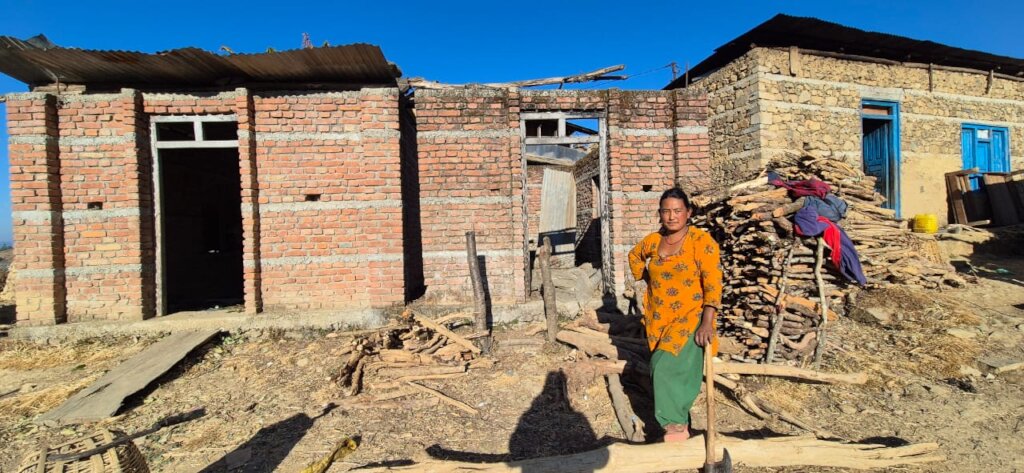
The project is planned for 18 wards under the 3 rural municipalities of Lalitpur district. Console Mission is registered in this same district with the capacity to reach all over the country. However, Console Mission has been working in this district consisting:
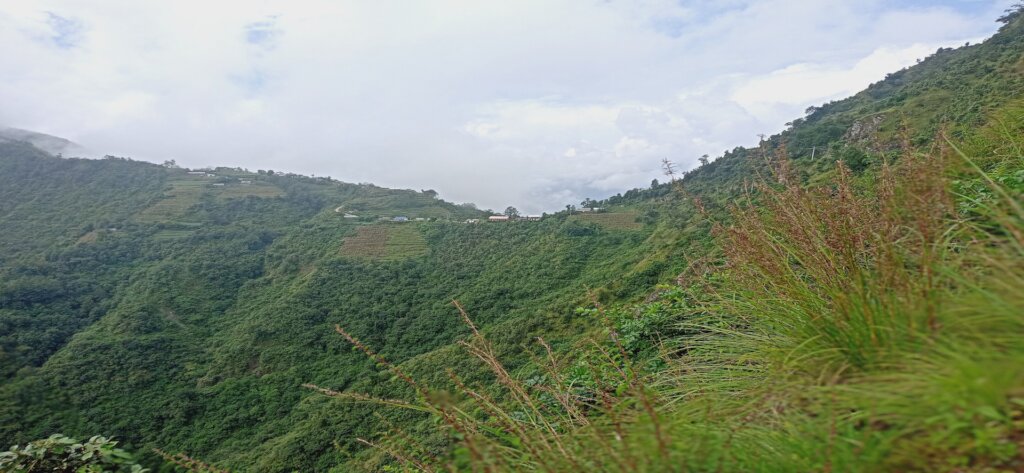
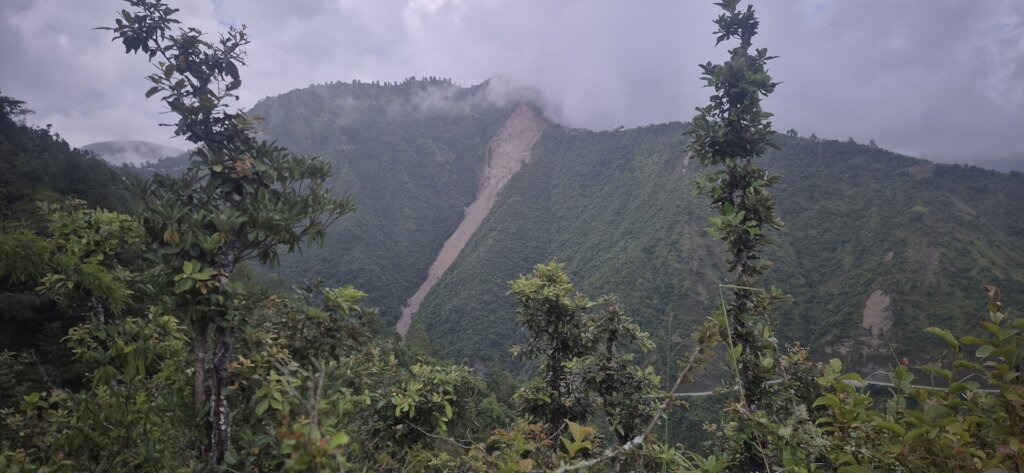
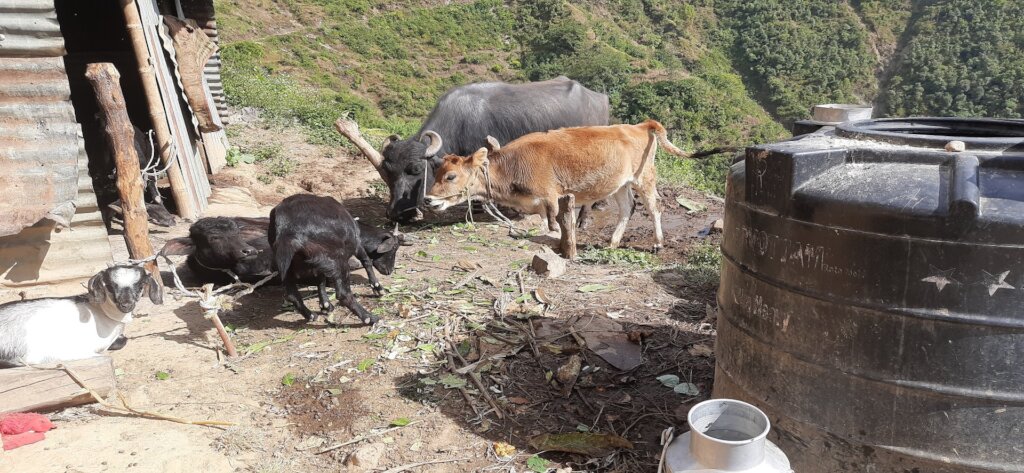
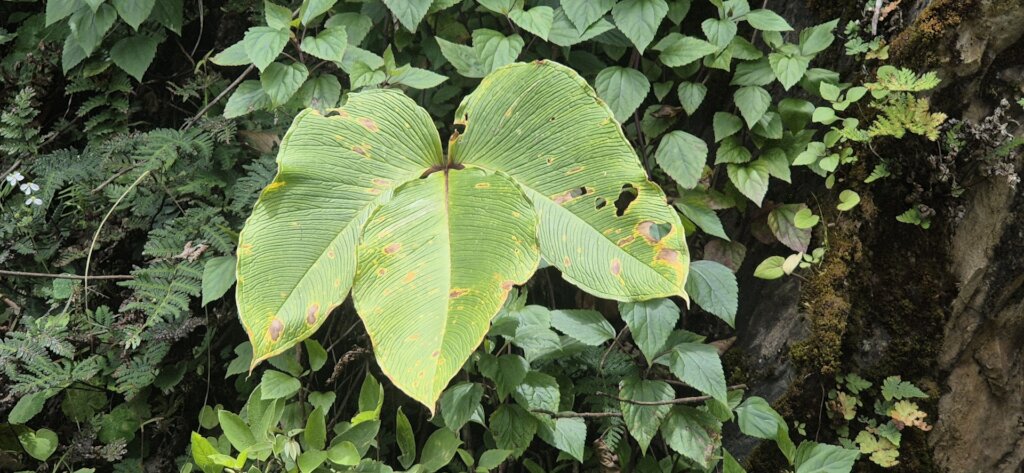
While the urbanized northern municipalities of Lalitpur District hold the majority of the population, its three southern rural municipalities — Bagmati, Konjyosom, and Mahankal — are heavily forested, mountainous terrains that contain the bulk of the district's 245 square kilometers of forested land. This vast greenery constitutes roughly 63.6% of Lalitpur's 385 square kilometers of total geographic area. These rural regions are characterized by a highly successful communitymanaged forestry system, where local user groups protect vital water catchment zones and manage diverse ecosystems of SchimaCastanopsis mixed broadleaved trees, bamboo, and rhododendrons. These expansive woodlands, including the dense hills surrounding Phulchowki, serve as critical biodiversity hotspots for birds and butterflies, functioning as the primary ecological lung and carbon sink for the rapidly developing Kathmandu Valley.
This planning stage is encouraging because it shows the scale of what is possible. By combining conservation with ecotourism, we are not only protecting biodiversity but also creating sustainable livelihoods. And when families have stronger incomes, children can continue going to school — which remains the flagship mission of Console Mission.
Looking Forward
We recognize that raising such a large fund quickly online is challenging. That is why we are focusing on partnership modelingand preparing the required policies and guidelines to approach possible conservation donor organizations. Our strategy is to build collaborations that connect this ecotourism and conservation plan directly with the impacts of climate change. Conservation is not optional — it is essential.
By protecting biodiversity and strengthening livelihoods, we also safeguard childhood futures. Every donation, every partnership, and every collaboration brings us closer to a future where forests, families, and children thrive together.
Will you, Donate today and join us in turning conservation into resilience, education, and hope.
Partnership Appeal
Console Mission invites donor organizations, conservation networks, and ecotourism partners to collaborate with us. This project is designed to be communityled, ecosystemwide, and incomegenerating. By joining hands, partners can:
-
Support conservation that directly addresses climate change impacts.
-
Strengthen ecotourism as a sustainable livelihood model.
-
Ensure that children continue their educationby reducing economic pressures on families.
-
Gain visibility through joint reporting, branding, and shared impact stories.
We are ready with policies, guidelines, and transparent reporting systems to make partnerships reliable and impactful. Together, we can transform conservation into a model of resilience and education for Nepal’s rural communities.