By Faith Rimas Kong'u, MPRSK | Communications Team
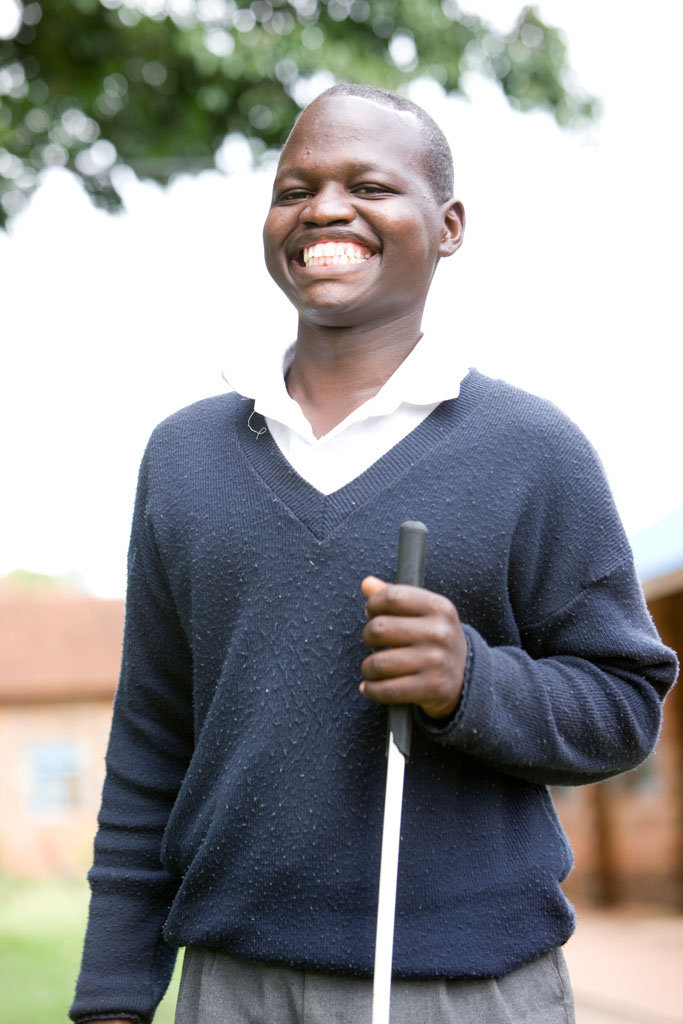
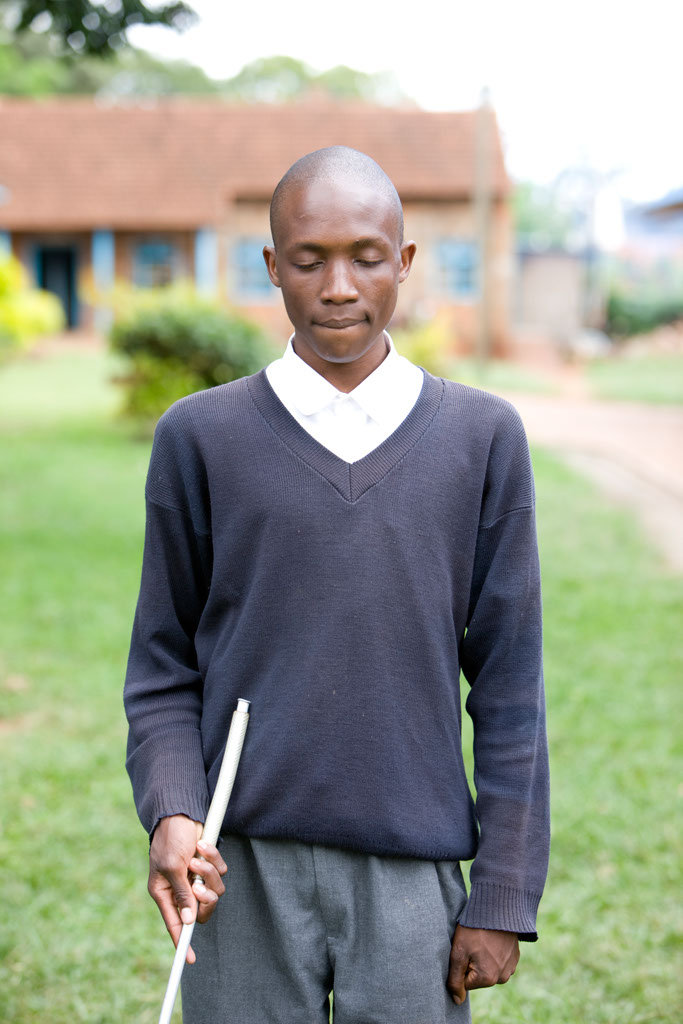
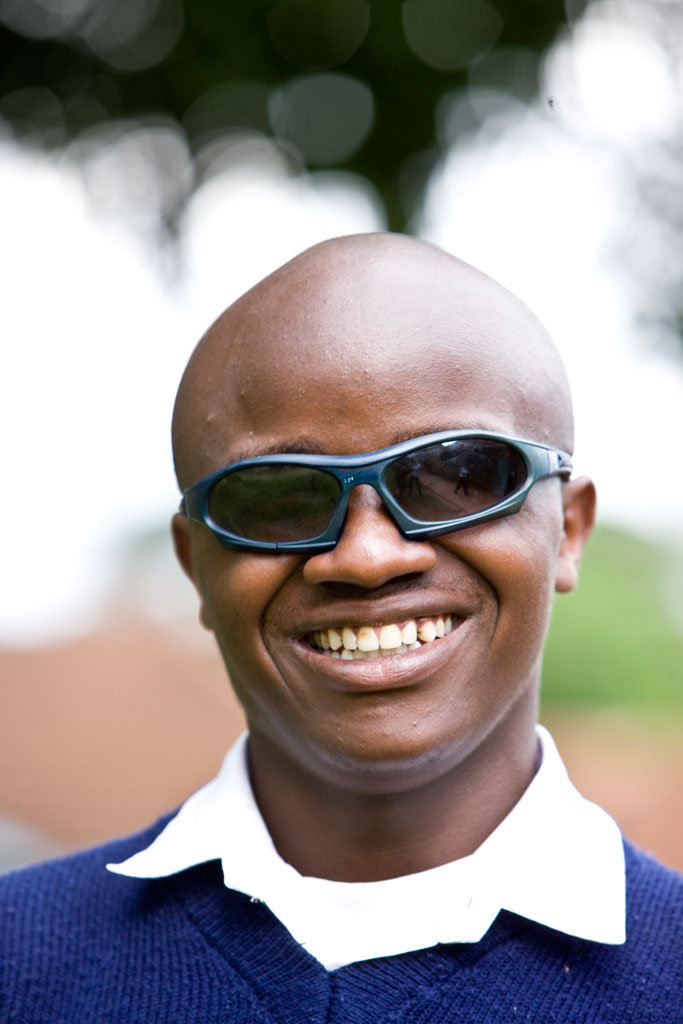
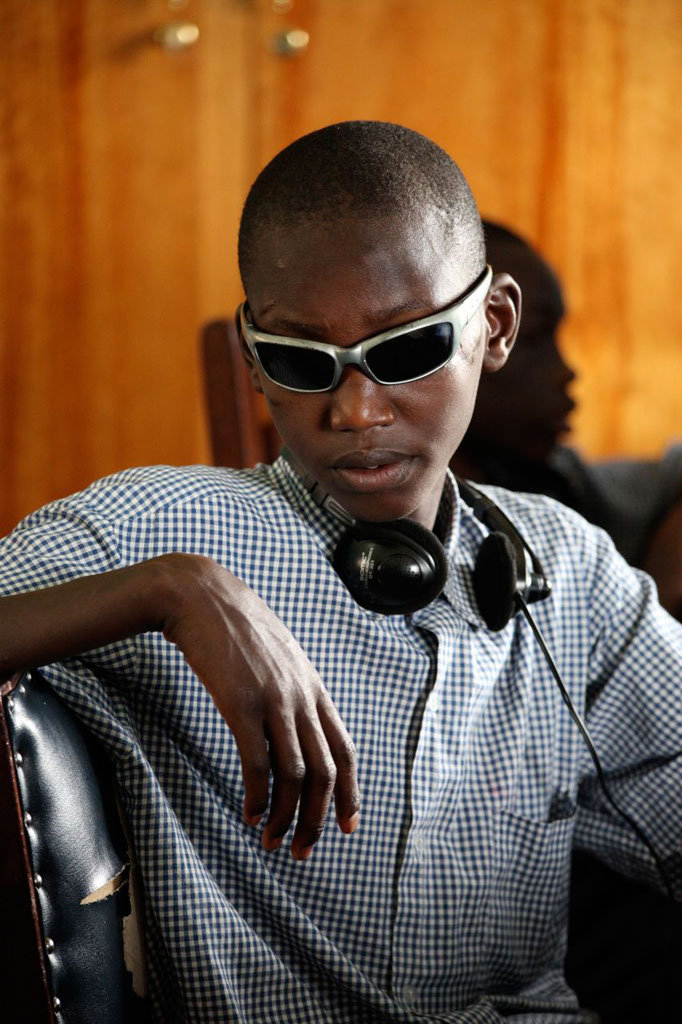
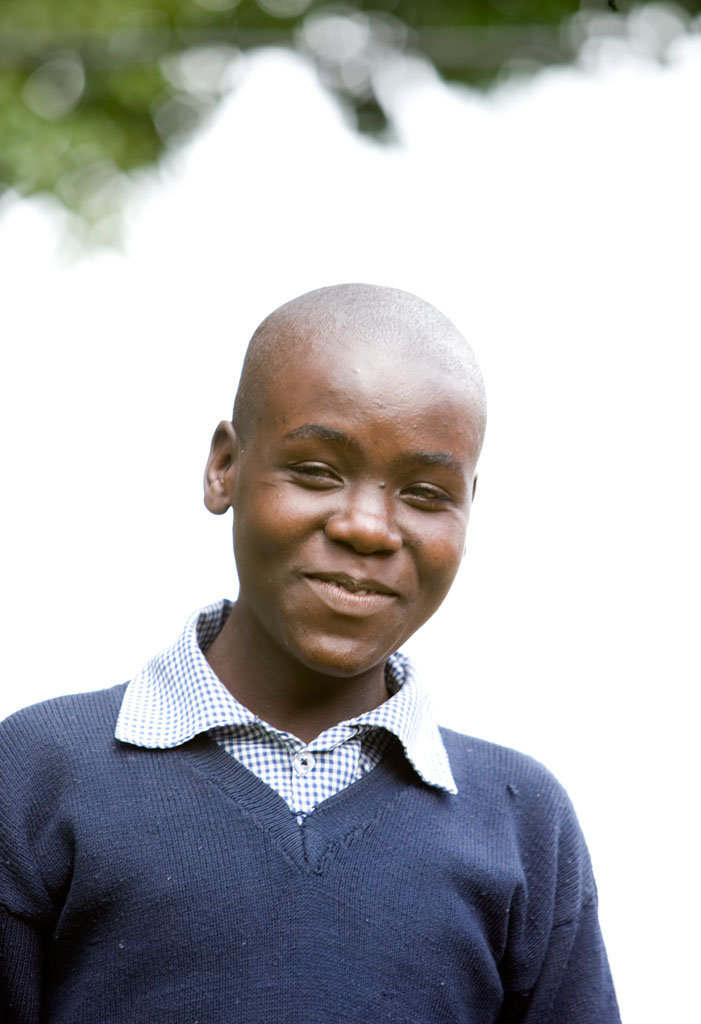
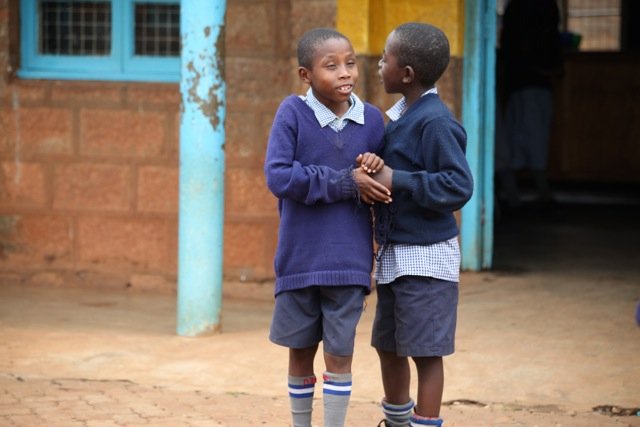
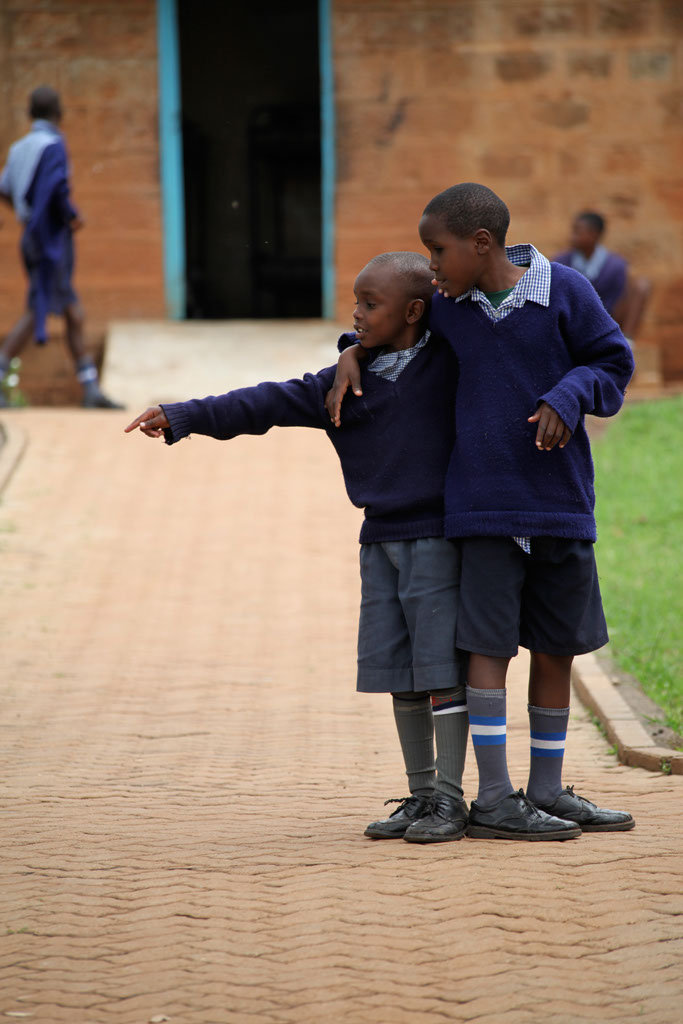
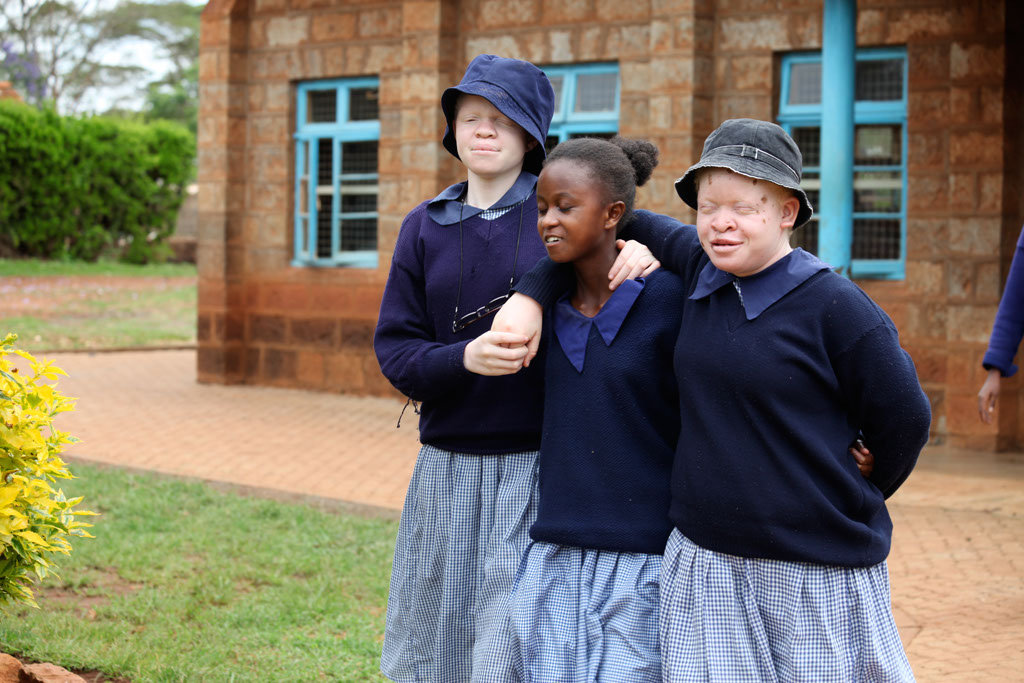
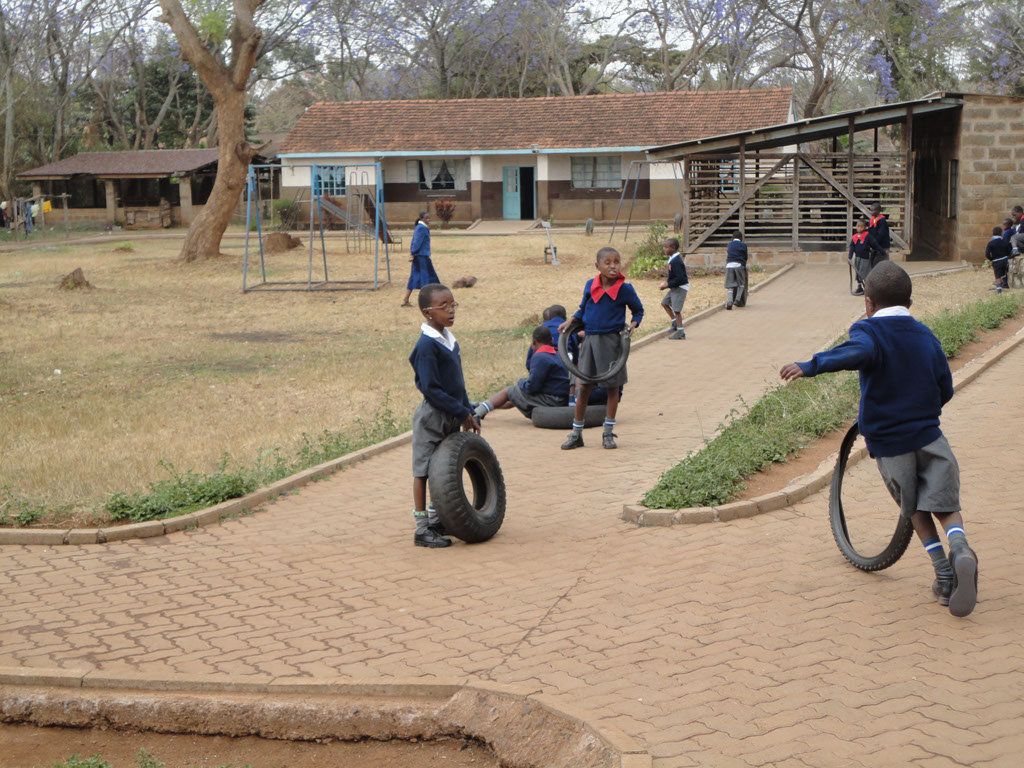
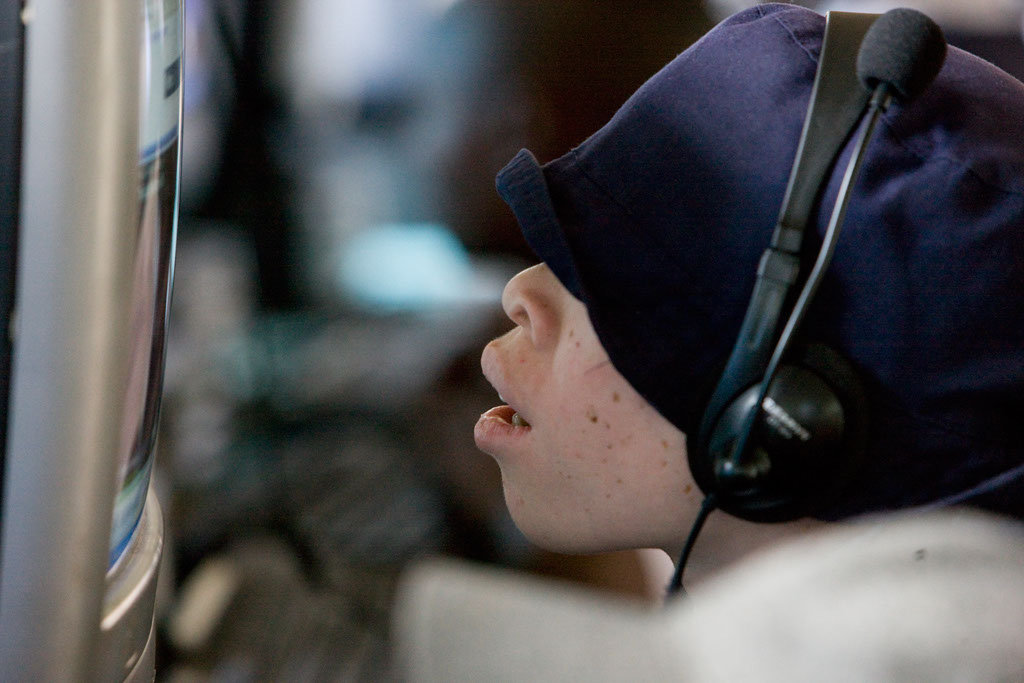
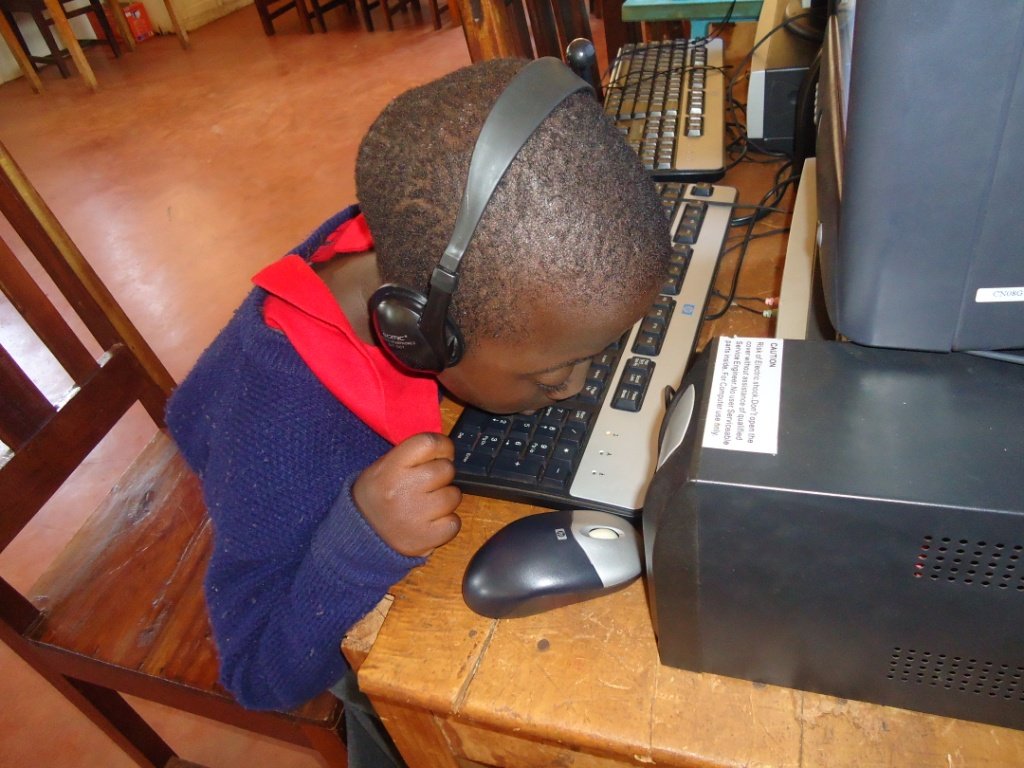
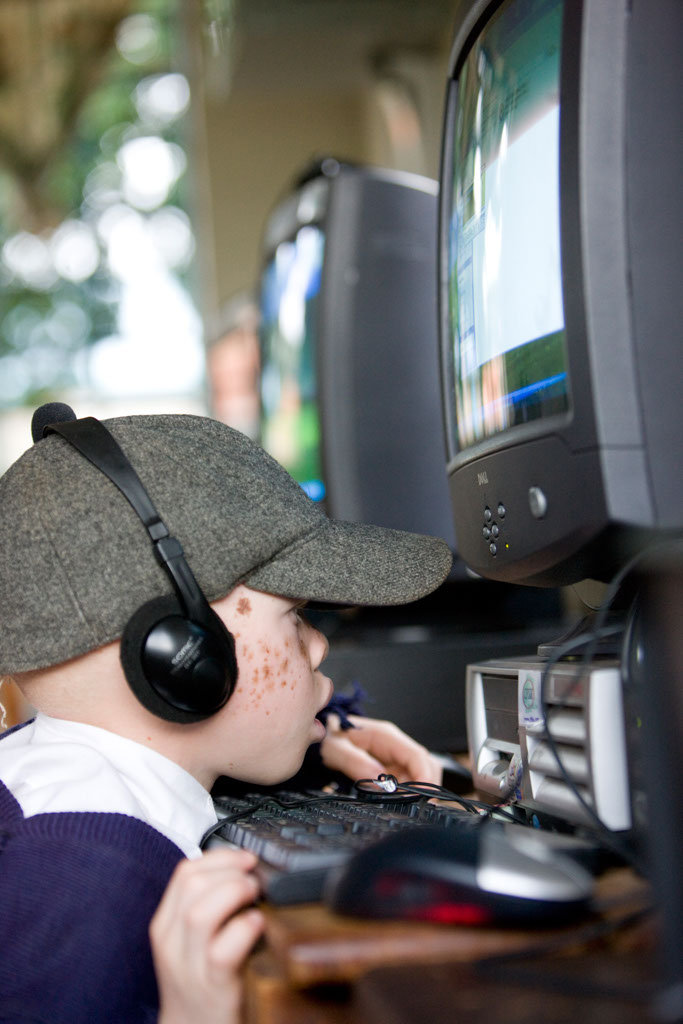
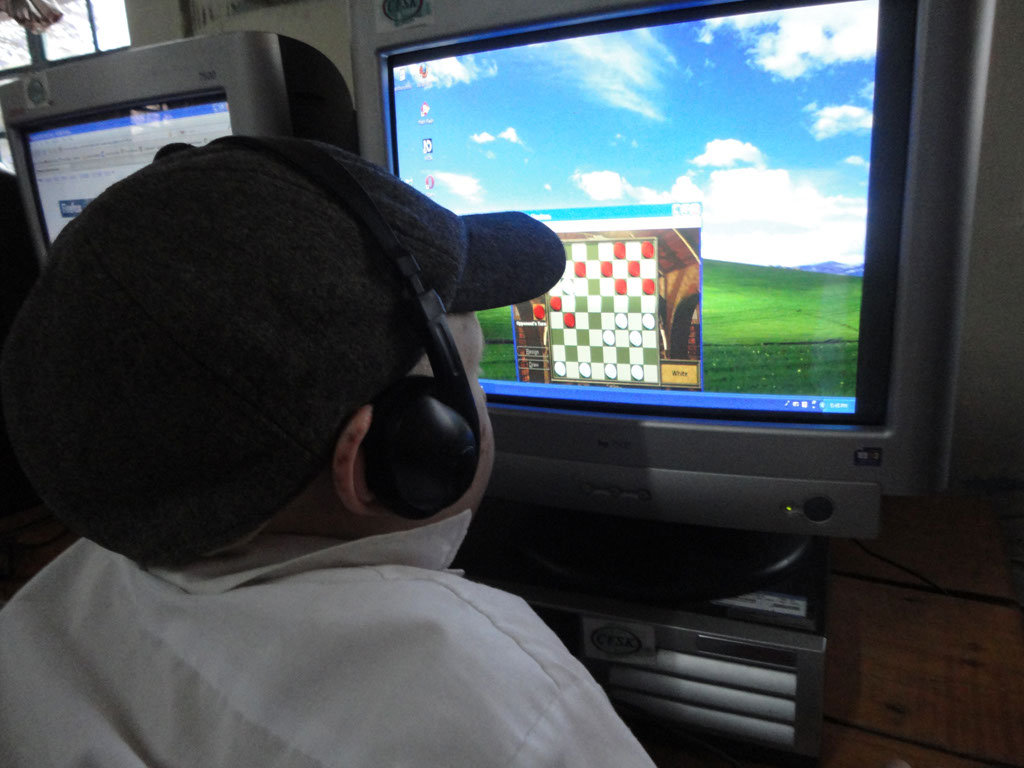
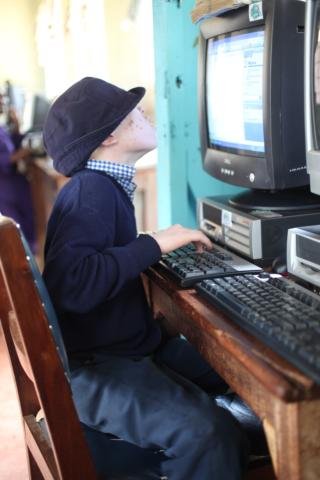
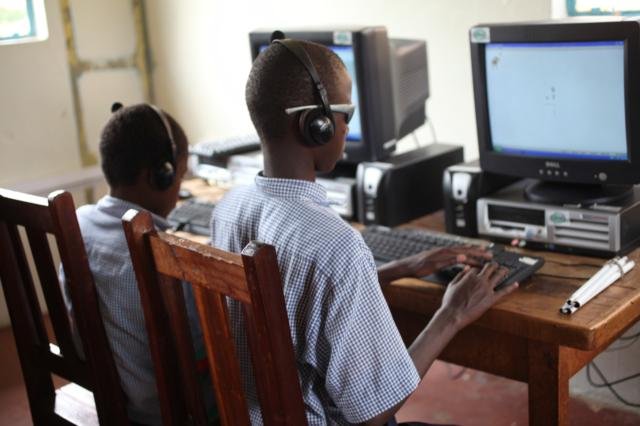
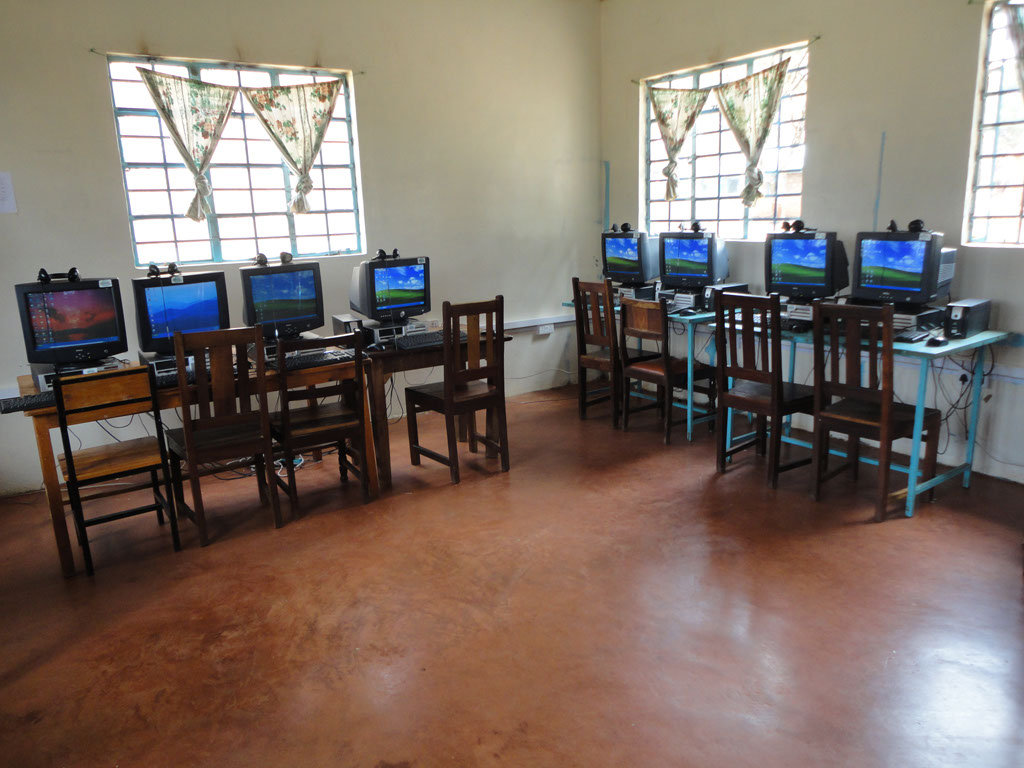
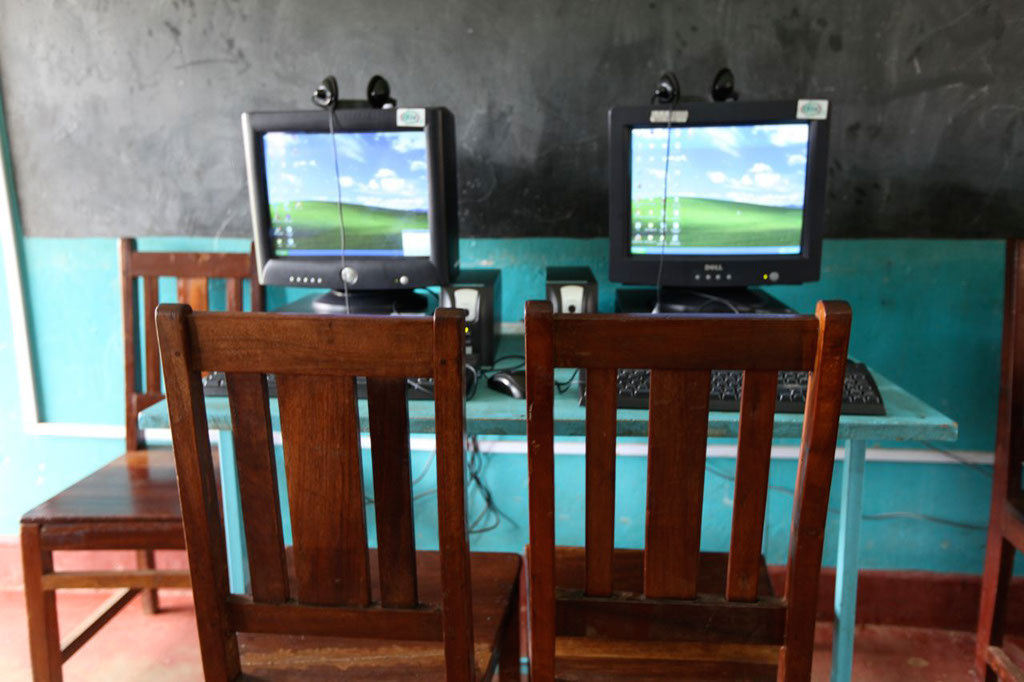
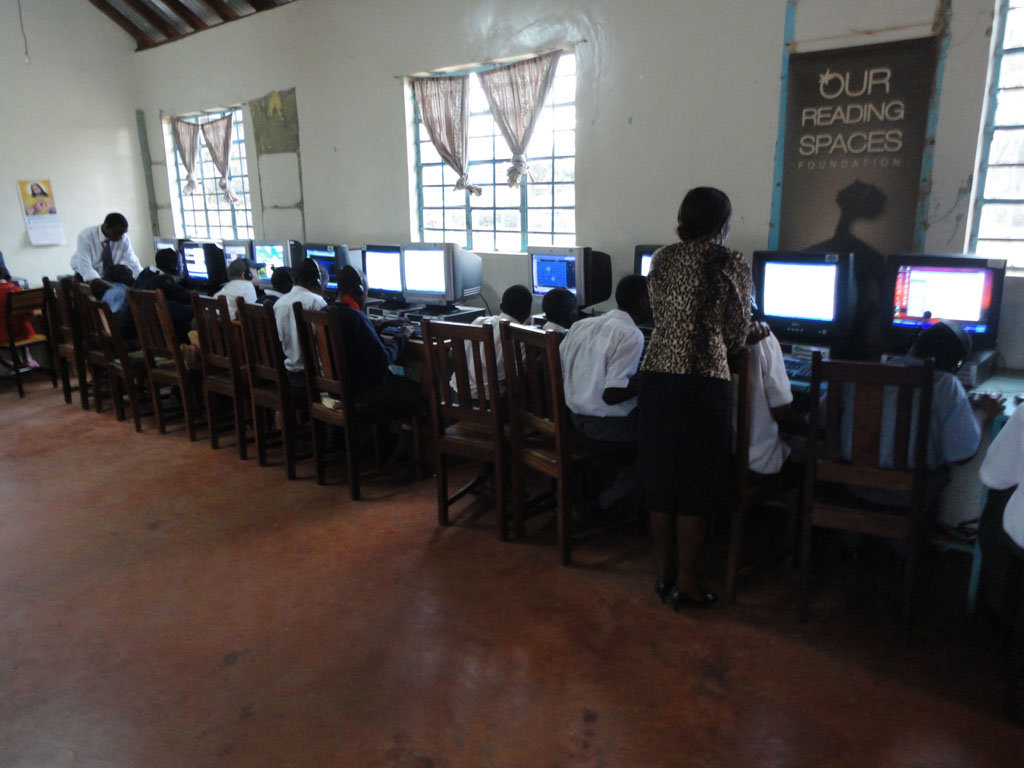
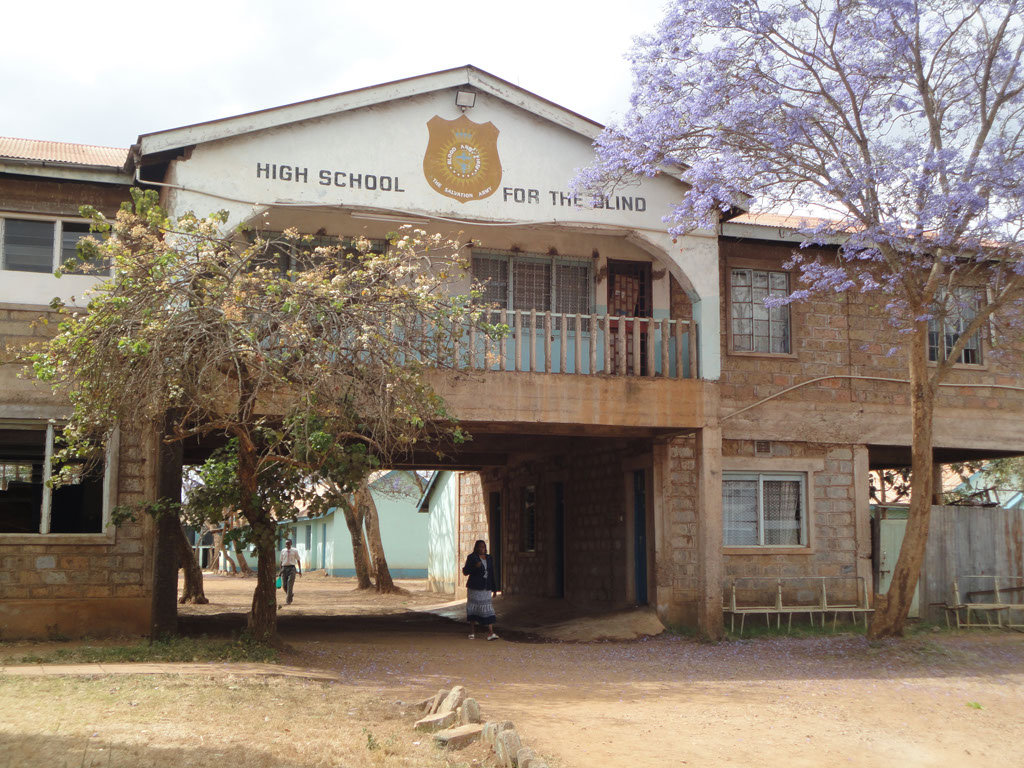
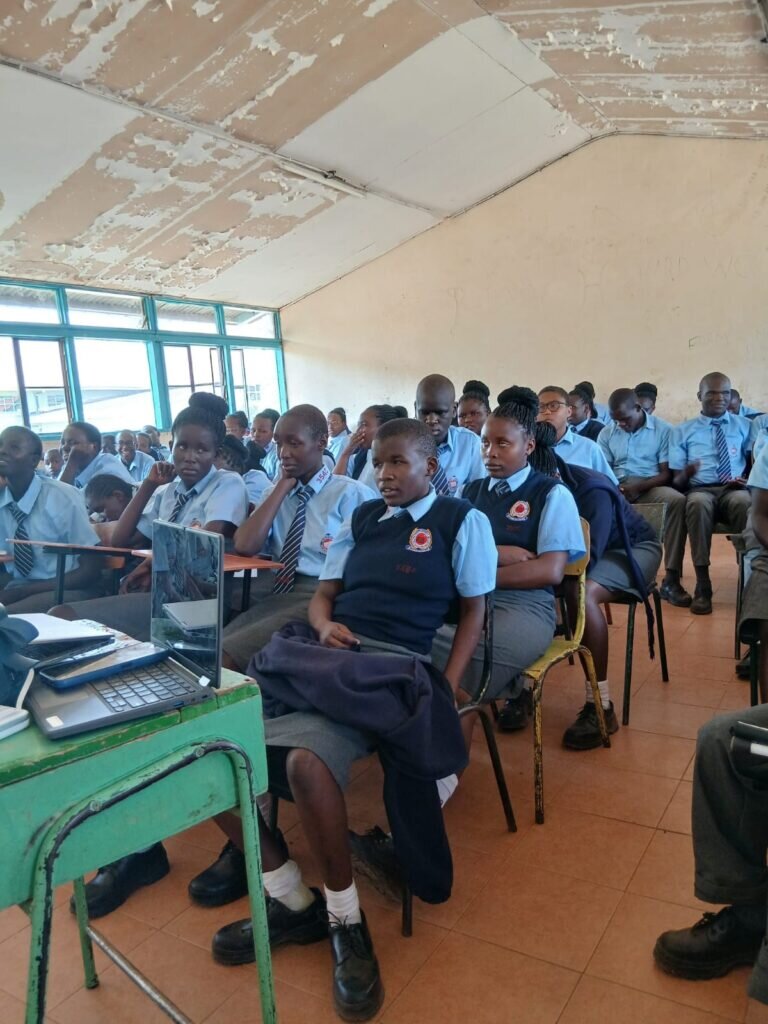
On 26 January 2026, Thika High School for the Blind hosted a digital accessibility orientation that marked an important step in preparing learners for Kenya’s Competency-Based Curriculum and for life beyond the classroom. Grade 10 students gathered in the school’s computer lab to build practical skills in accessible technology, guided by inABLE in partnership with the school.
The orientation focused on digital accessibility, which ensures that technology, online content, and digital tools can be used independently by persons with disabilities. For blind and low vision learners, these skills are foundational. They determine how students access learning materials, complete assignments, communicate online, and prepare for higher education and employment.
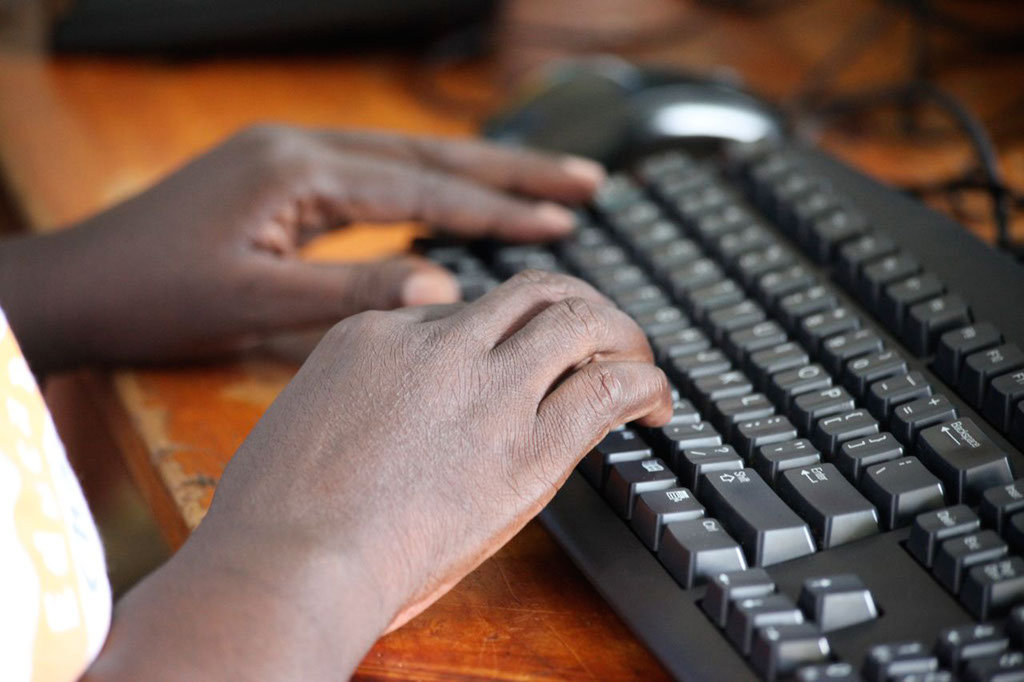
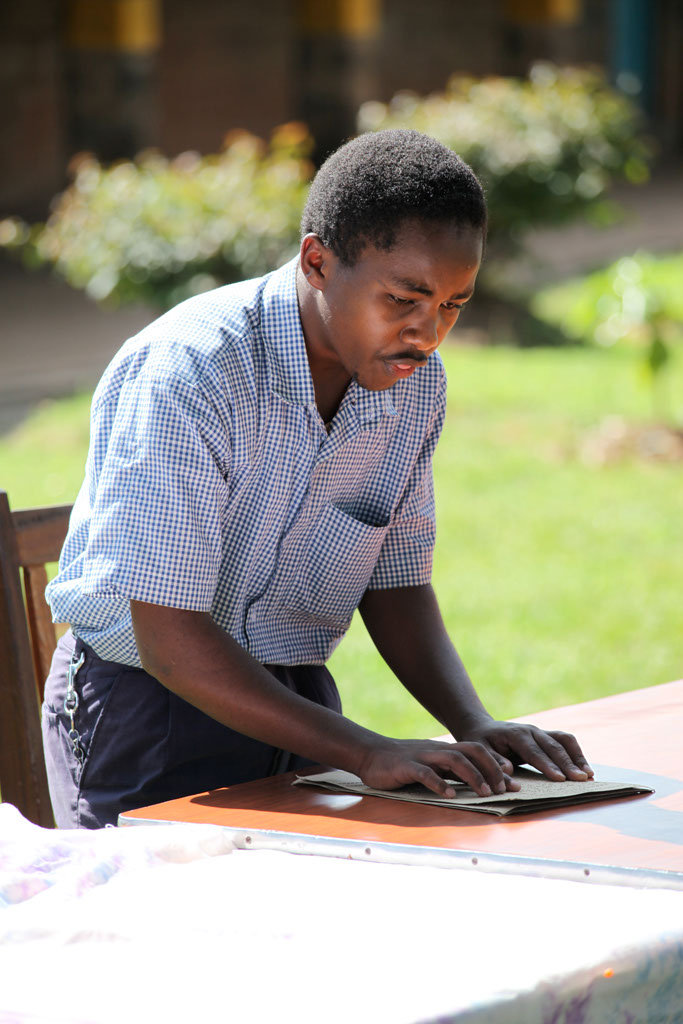
During the session, students were introduced to assistive technologies commonly used in academic and professional settings. These included screen readers that convert text into speech, braille displays that allow users to read digital text through touch, and voice recognition tools that support writing and navigation. Students practiced formatting documents accessibly, navigating online platforms, and organizing digital files, which supports their independence and efficiency. The session also explored how digital accessibility aligns with the Competency-Based Curriculum, where applied skills, problem-solving, and real-world relevance are critical.
This orientation was facilitated by two members of the inABLE community whose presence carried special significance. Edwin and Valary are alumni of inABLE’s assistive computer lab programs and now serve as mentors and educators within the same ecosystem that supported their growth. Their involvement reflected inABLE’s belief that sustainable inclusion is strengthened when learners see lived examples of what is possible.
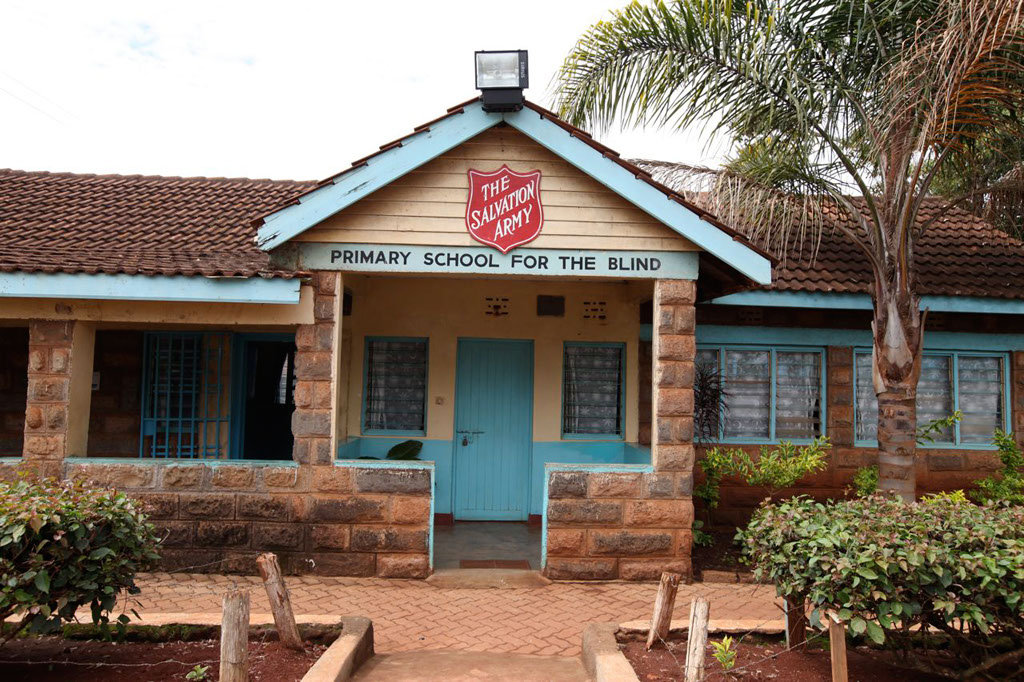
Edwin’s journey with inABLE began as a student navigating vision loss and limited access to learning materials. Born with full vision, Edwin gradually lost his sight during childhood, a transition that disrupted his education and confidence. His introduction to assistive technology came through inABLE’s Assistive Technology Labs program during his time at Thika Primary School for the Blind. Learning to use a computer with screen-reading software transformed how he accessed information and expressed himself. Technology opened pathways to creativity, particularly in music, where Edwin used online resources to teach himself multiple instruments. Today, he works with inABLE as a mentor and facilitator, supporting learners to explore technology as a tool for education, creativity, and independence.
Valary’s connection to inABLE also grew from lived experience. While in high school she was diagnosed with a brain tumor that affected her vision; she had to adapt quickly to new ways of learning. Her exposure to assistive technology enabled her to continue her education with confidence. Valary later joined inABLE as an intern, where she built technical, leadership, and facilitation skills that supported her transition to university and professional life. She now serves as the lead computer instructor at Thika High School for the Blind, guiding students through the same digital skills that once shaped her own journey. Beyond her work in education, Valary is a competitive powerlifter. She represented Kenya at the 2024 IBSA World Championships, a reminder to students that ambition and excellence extend beyond academics.
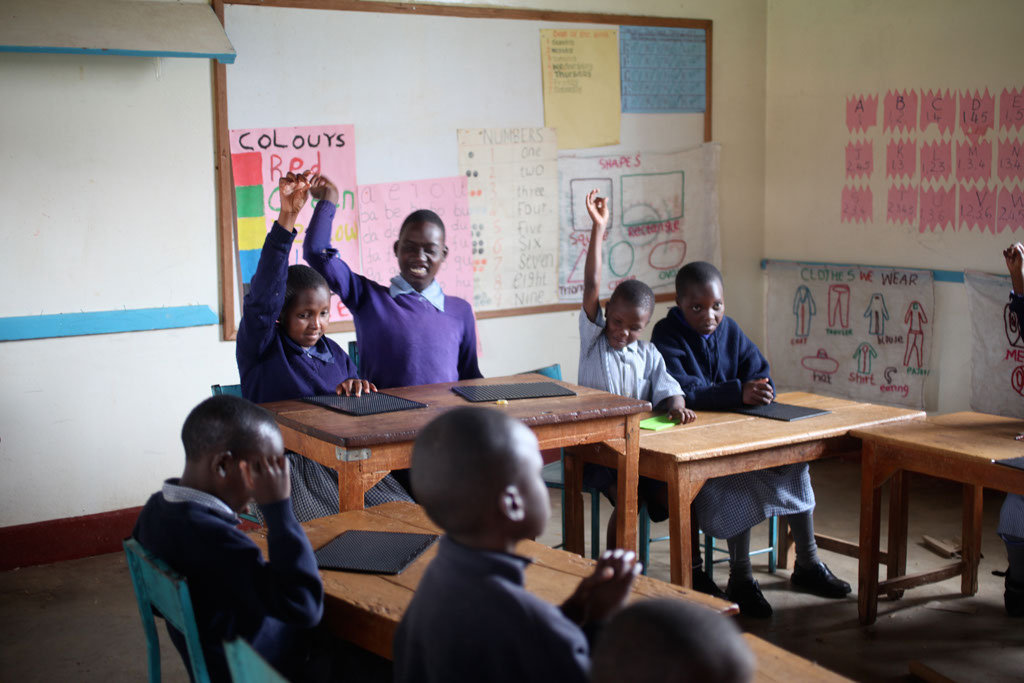
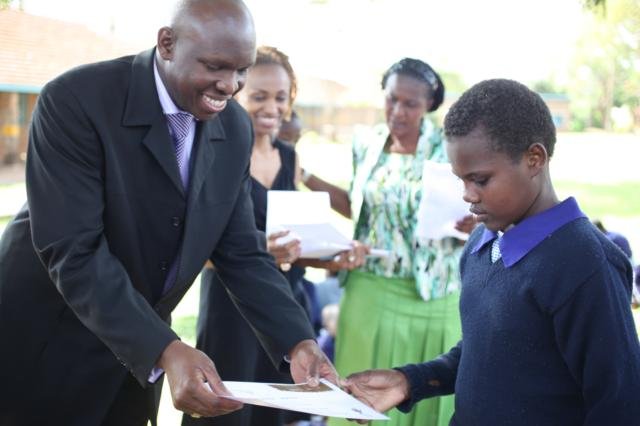
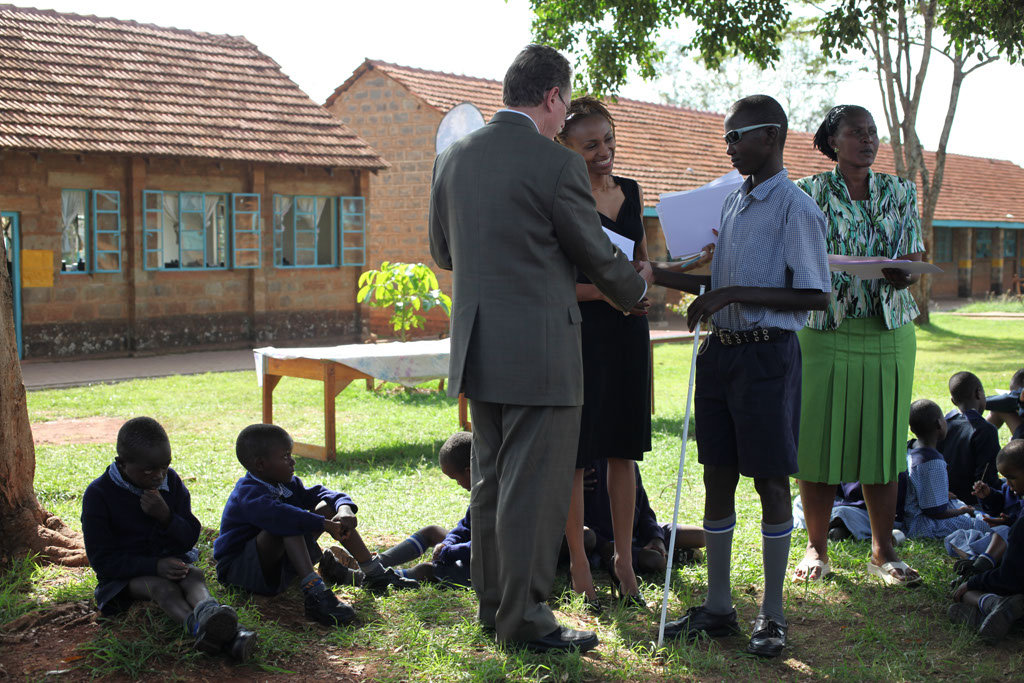
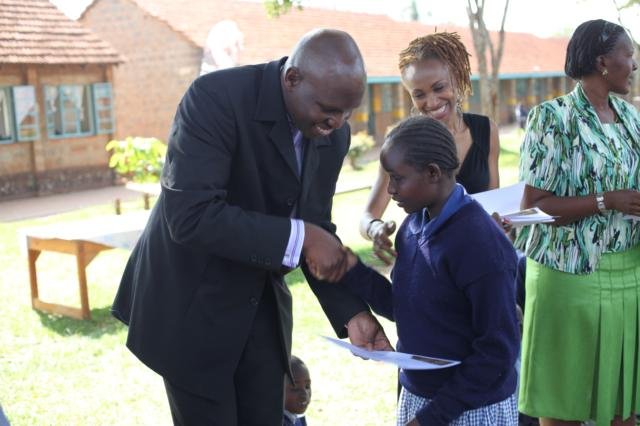
Throughout the orientation, students engaged actively with the tools and concepts being introduced. Students asked questions about using technology for research, communication, and creative expression. Many shared that this was the first time they fully understood how digital accessibility connects to future careers and independence. One learner remarked, “With these skills, I feel ready to explore the internet and connect with the world.”
Teachers at Thika High School emphasized that integrating digital accessibility into the Competency-Based Curriculum ensures learners are prepared academically while also being equipped for social and professional participation. Accessible technology allows students to collaborate, lead, and contribute equitably, reinforcing confidence and self-reliance.
This orientation reflects inABLE’s broader mission and approach. Since 2009, inABLE has worked to promote inclusive technology in education across Kenya. Our work focuses on ensuring that learners with disabilities are not excluded from digital transformation, shaping education, employment, and civic life. Through partnerships with schools, government institutions, and technology partners, we establish assistive computer labs, train teachers, and support learners to develop relevant digital skills.
Our programs extend beyond basic computer literacy. Learners gain competencies in accessible digital practices, coding, and problem-solving skills that align with both the Competency-Based Curriculum and the evolving demands of the workforce. Thousands of blind and low-vision learners have benefited from these interventions, progressing into higher education, employment, and creative industries. Alumni outcomes continue to guide our work, demonstrating how early access to technology and mentorship shapes long-term opportunities.
At Thika High School for the Blind, the impact of sustained investment in digital accessibility is visible. Students navigate technology with increasing confidence; advanced learners support peers, and a culture of shared learning continues to grow. Assistive technology is no longer viewed as a specialized add-on. It is embedded into everyday learning and preparation for life beyond school.
Kenya’s Competency-Based Curriculum emphasizes practical skills and adaptability. By embedding digital accessibility within this framework, the education system affirms that inclusion is central to quality learning. This approach also aligns with global commitments to bridge the digital divide and promote equal participation for persons with disabilities.
The orientation at Thika High School represents one step in a wider journey. With continued collaboration, more schools across Kenya can adopt similar models, ensuring that learners with disabilities are equipped to participate fully in a digital society. For inABLE, this work is rooted in practice, relationships, and lived experience. The stories of Edwin and Valary reflect the outcomes we strive for. Access leads to skill. Skill leads to confidence. Confidence leads to opportunity.
Our vision remains clear. A future where no one is excluded from the digital age, and where accessibility is understood not as a favor, but as a foundation for inclusive growth.
Links:
Project reports on GlobalGiving are posted directly to globalgiving.org by Project Leaders as they are completed, generally every 3-4 months. To protect the integrity of these documents, GlobalGiving does not alter them; therefore you may find some language or formatting issues.
If you donate to this project or have donated to this project, you can receive an email when this project posts a report. You can also subscribe for reports without donating.



Support this important cause by creating a personalized fundraising page.
Start a Fundraiser