By Elsa Varghese | Manager - Resource Mobilisation & Communications
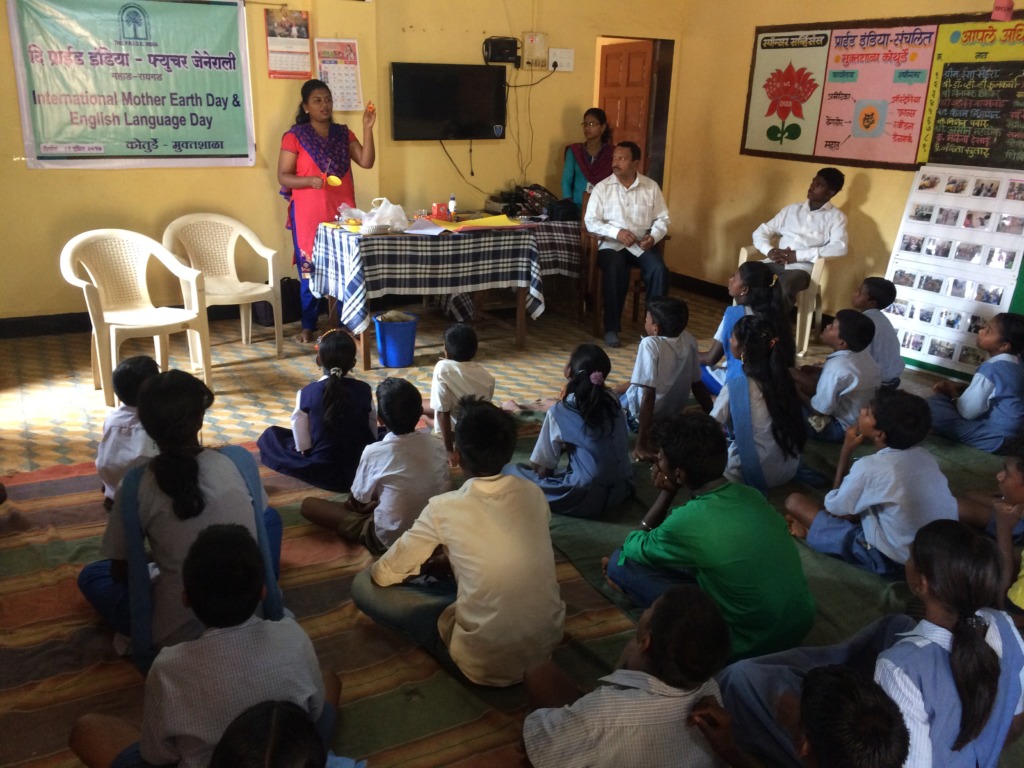
It is 1 pm at a distant tribal hamlet, getting worked up over a salient afternoon meal, when suddenly Raghu (10yrs) gets up and walks away. The parents began to ponder their son’s mildly odd behavior. “Why did he walk off during lunchtime? That’s strange.” The parents reached out to him, solely out of curiosity, and learned that Raghu had left to wash his hands. Mother, he says “My teacher told me that we should wash our hands before every meal, it keeps the diseases away’!
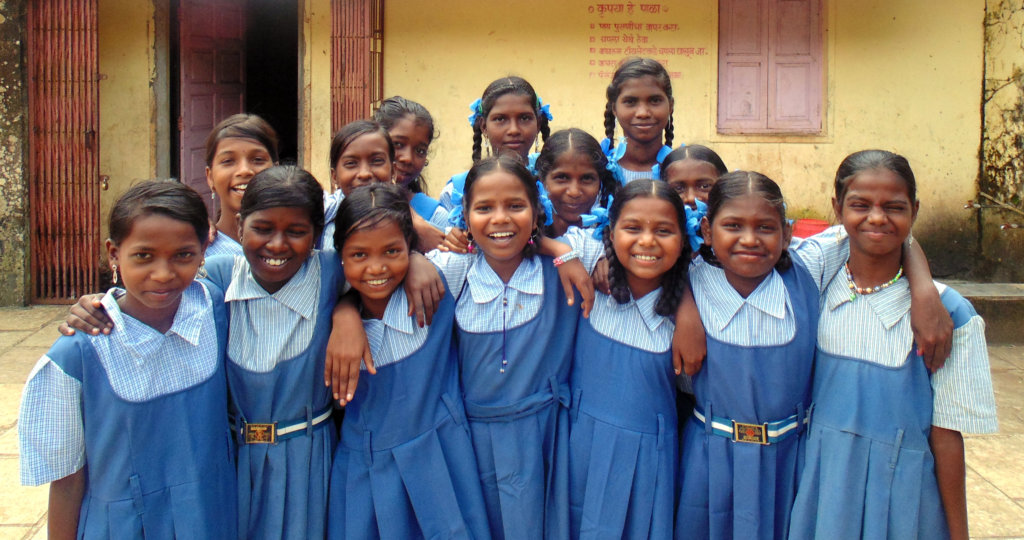
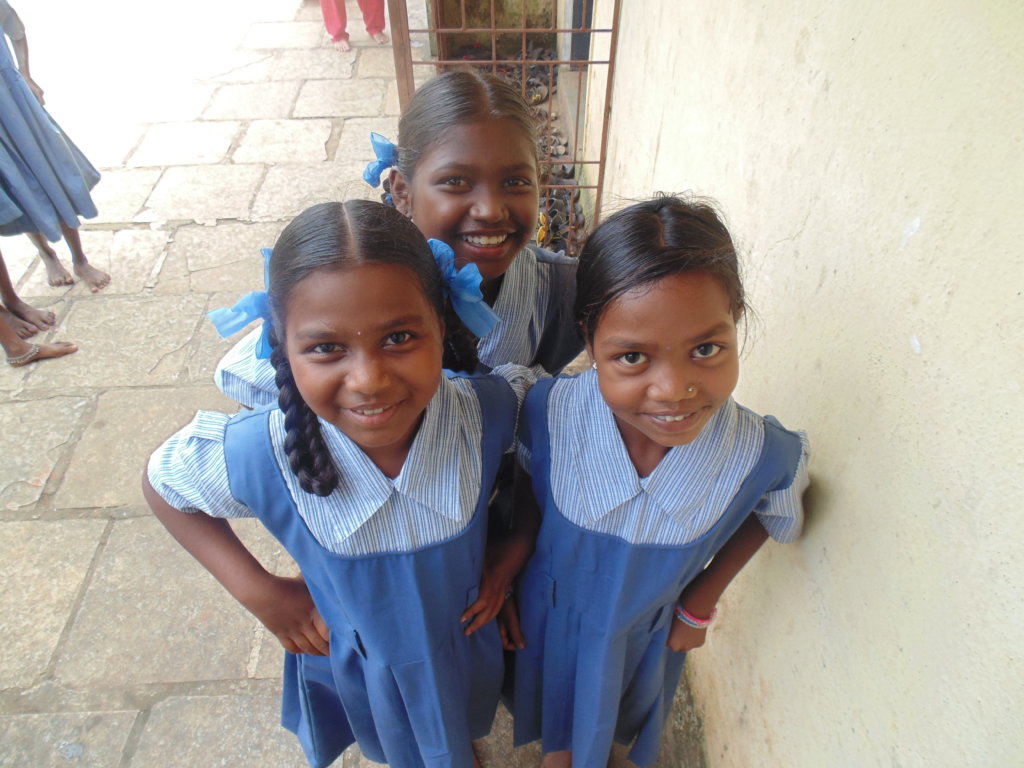
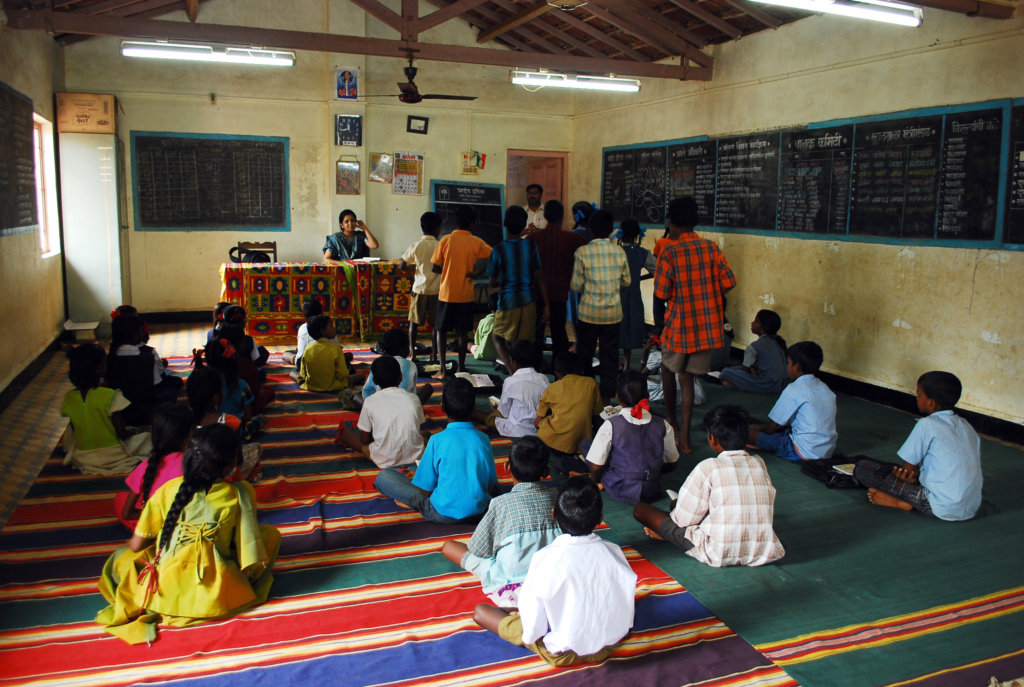
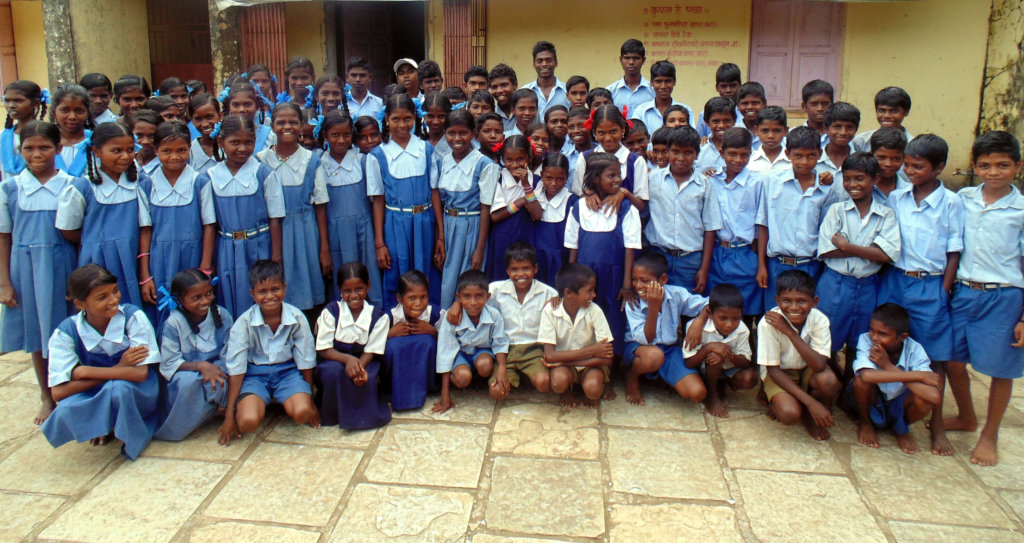
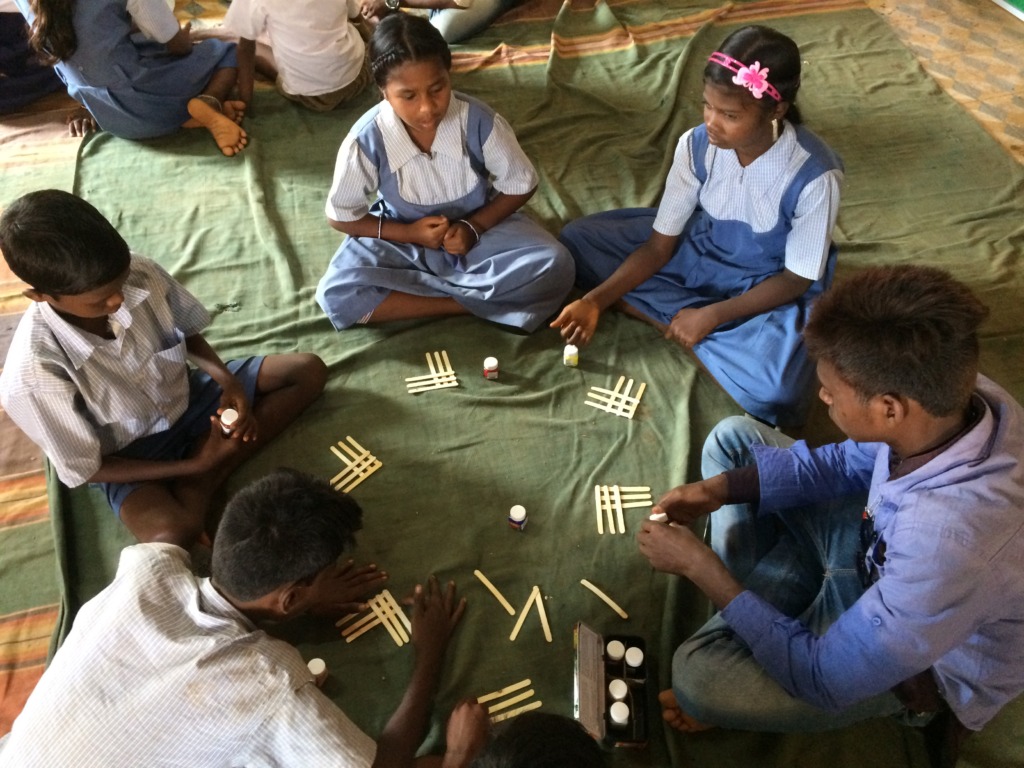
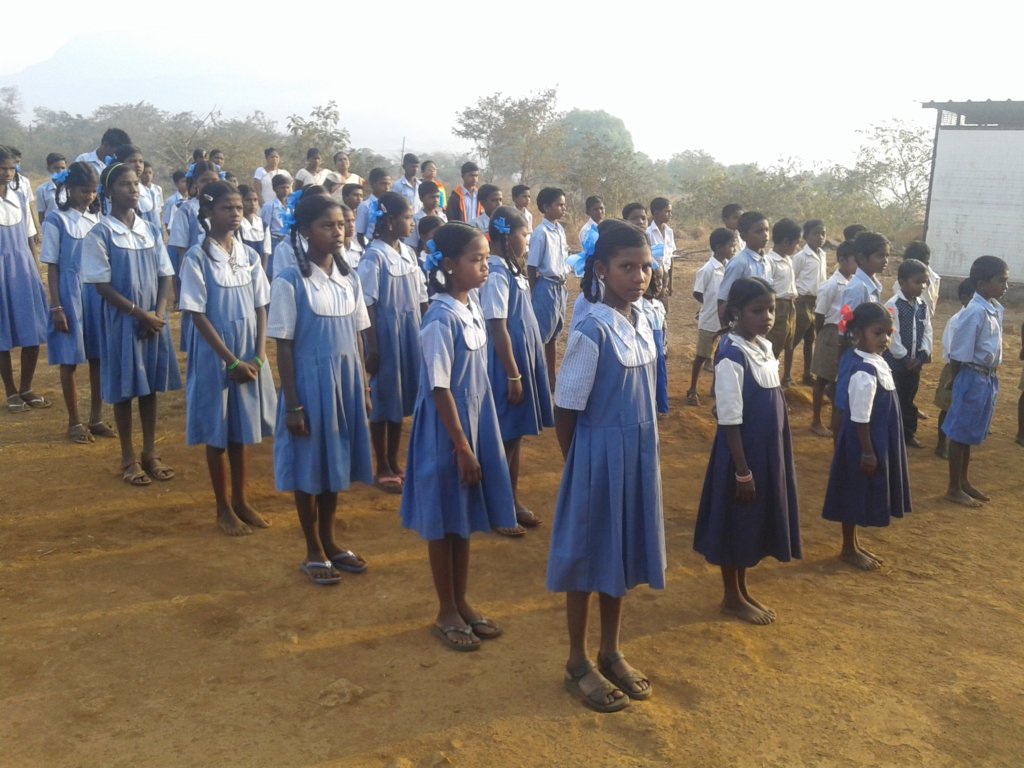
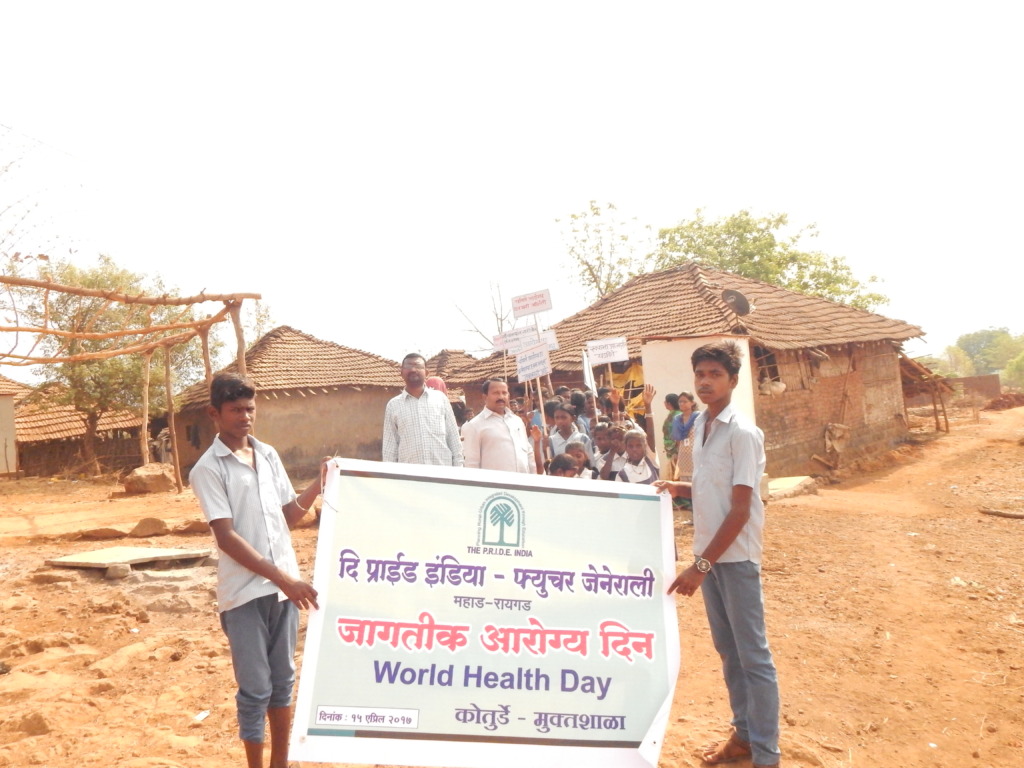
Raghu is one of our brightest kids at Muktashala. He, like all of his friends belongs to one of the most backward tribes in India. The ‘Katkaris’ are a fragmented and scattered tribal community who are highly dependent on others for their livelihoods and for a place to live.
We identified this plight faced by this community and established preschool centers in the three tribal hamlets of Kothurde village. But during the process, we realized that any initiative on education will not sustain due to the very nomadic nature, language and habits of the community. Also, the distressed seasonal migration of Katkari families along with their children has deprived their children with continuous formal access to education.
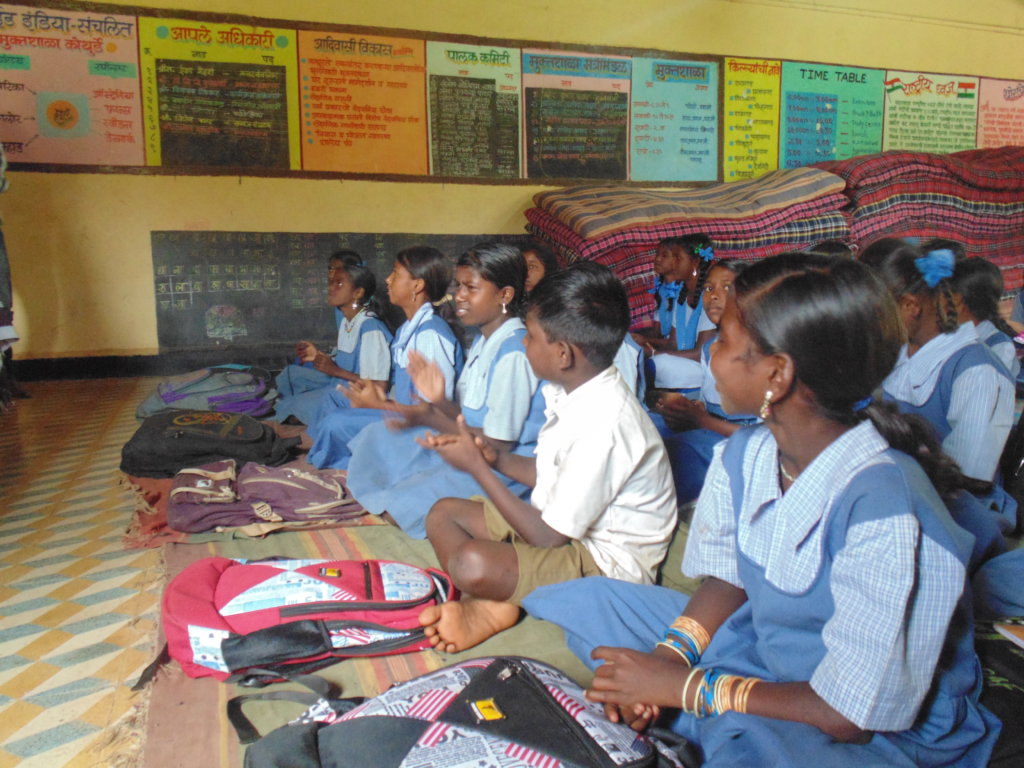
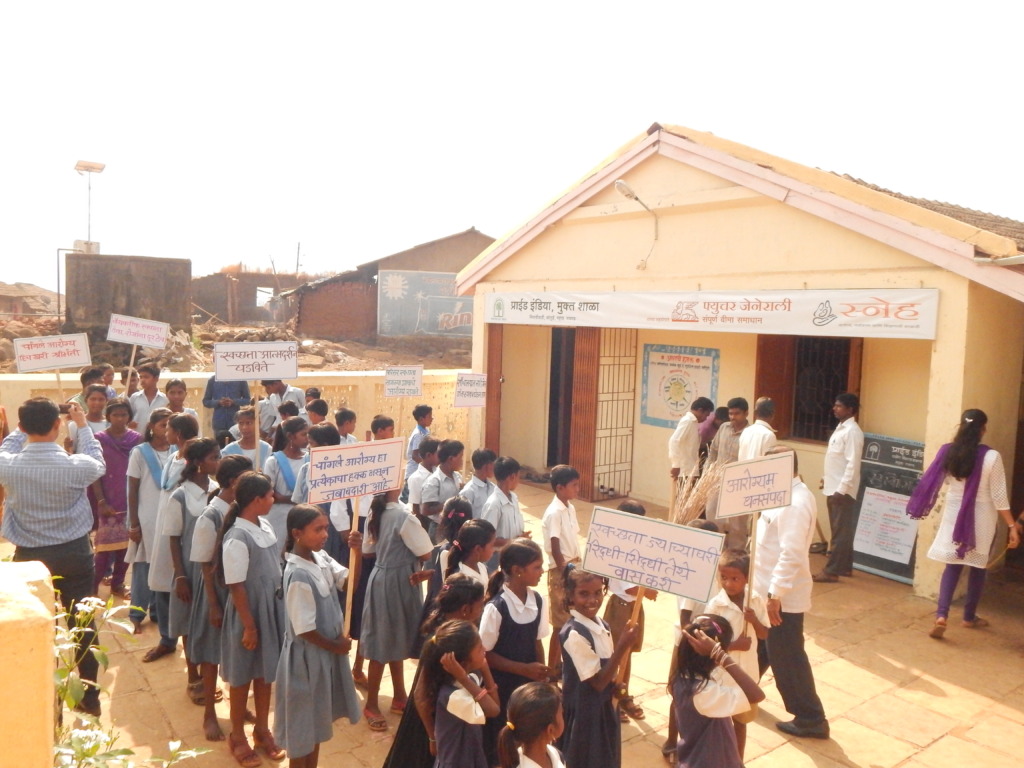
To tackle this issue, the PRIDE India had derived several agendas, such as providing after school educational support to the tribal children, encouraging community participation in social welfare drives and personality development camps, and render nutritional support including full day meals for children living in the facility, which will ensure effectiveness and sustainability of the ‘Muktashala’ programme. Currently, the residential facility has a capacity for supporting 70 children with a facility to host 55 children for overnight stay.
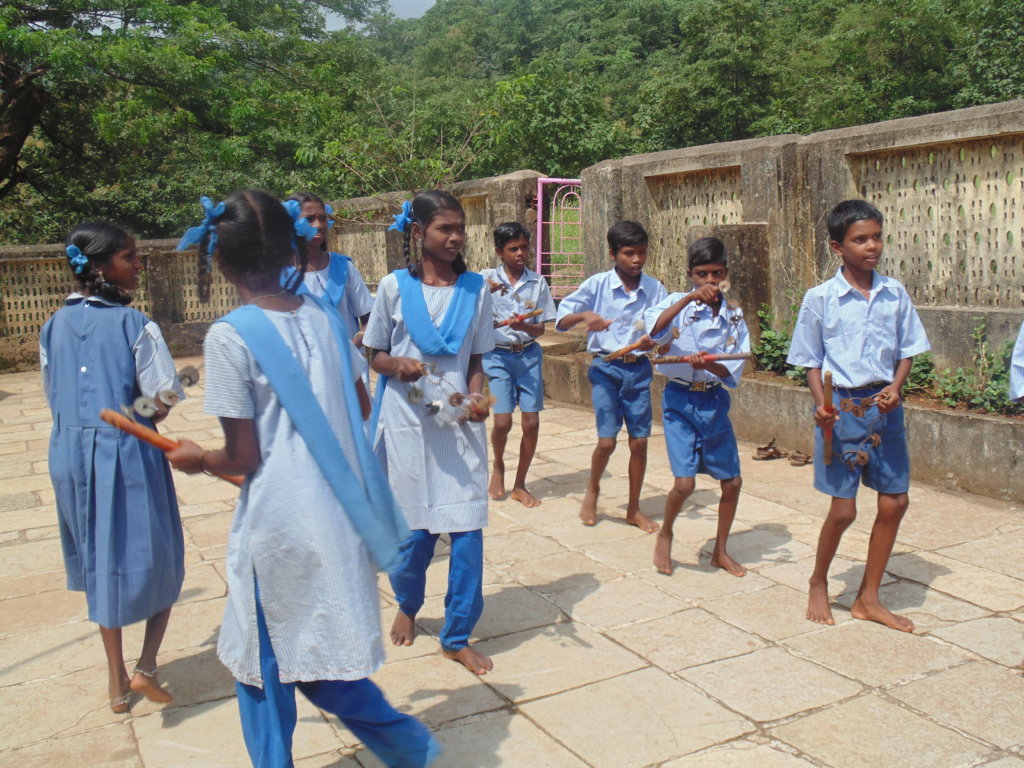
Many of these children who were supported have now completed graduation which their parents had never expected. Active community participation and inter school competitions has helped them build their confidence and develop their personality. We are really proud to be a part of such a positive change in this underserved community.
Project reports on GlobalGiving are posted directly to globalgiving.org by Project Leaders as they are completed, generally every 3-4 months. To protect the integrity of these documents, GlobalGiving does not alter them; therefore you may find some language or formatting issues.
If you donate to this project or have donated to this project, you can receive an email when this project posts a report. You can also subscribe for reports without donating.