By Coco Ahn | HAF Intern and UVA Student
I have observed how diverse and research-informed methodologies give structure to engagement and participatory development practices. I arrived with an understanding of the broad ethos of participatory development, but because I viewed the work as primarily grassroots, I expected it to consist mainly of responding, with collaboration and trust-building, to site-specific contexts and immediate community needs. This assumption was corrected on our first day at the HAF office, hearing from Fatima Zahra about the empowerment workshops she has facilitated. She described how the workshops were built on the framework articulated at the Empowerment Institute based on research by David Gershon and Gail Straub.
Seeing participatory development approached through an established framework made me realize that this work is not solely improvised or reactive. Being able to draw from a methodological “toolkit” is crucial because it provides organizers with tested strategies for engagement, communication, and empowerment that can be adapted across different contexts while still remaining responsive to local needs. The effectiveness of participatory development therefore depends not only on community-specific context, but also on the quality and diversity of the methodologies being used. These methodologies are themselves shaped by broader social theories and assumptions about relations and community, making diversity of theories equally important in development practice.
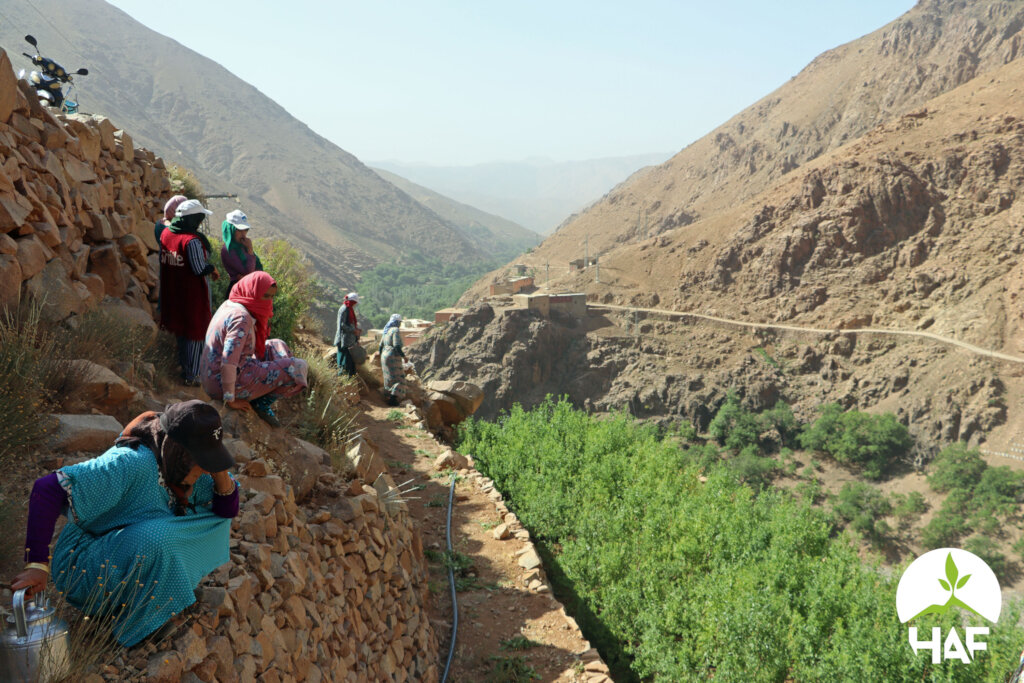
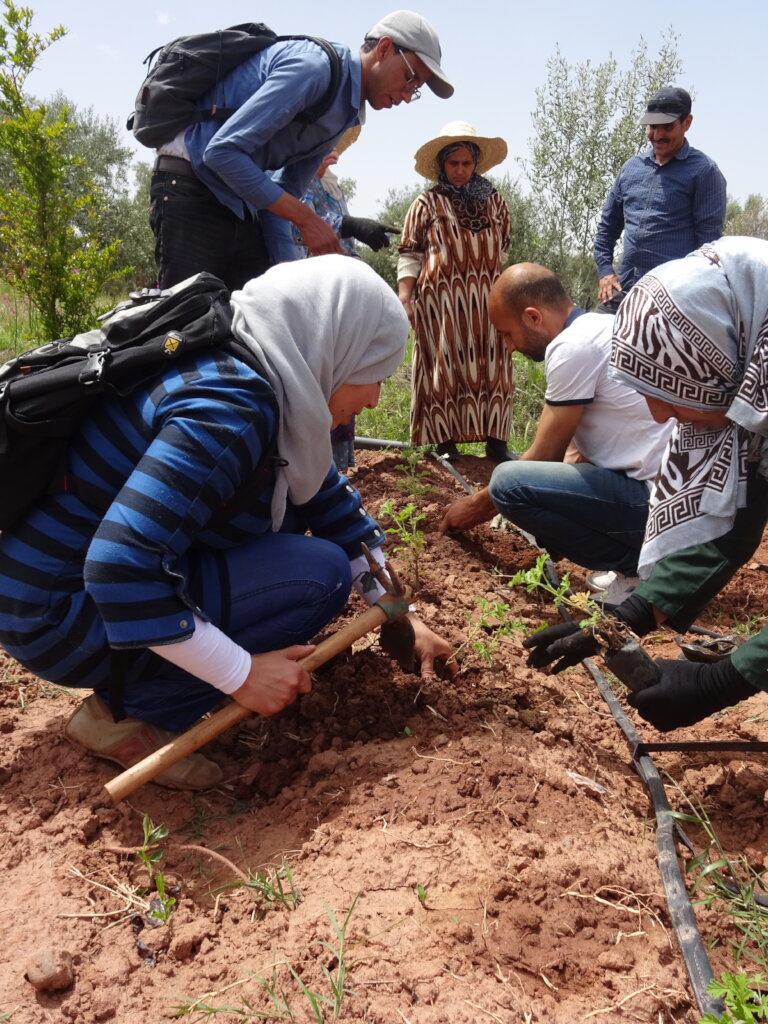
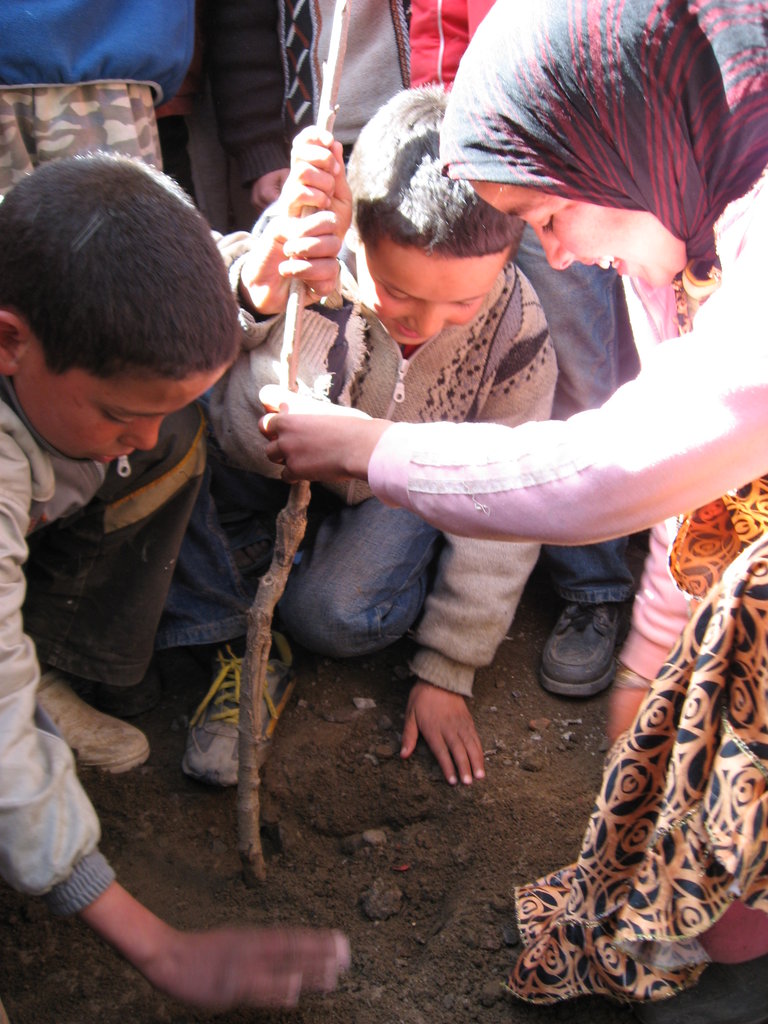
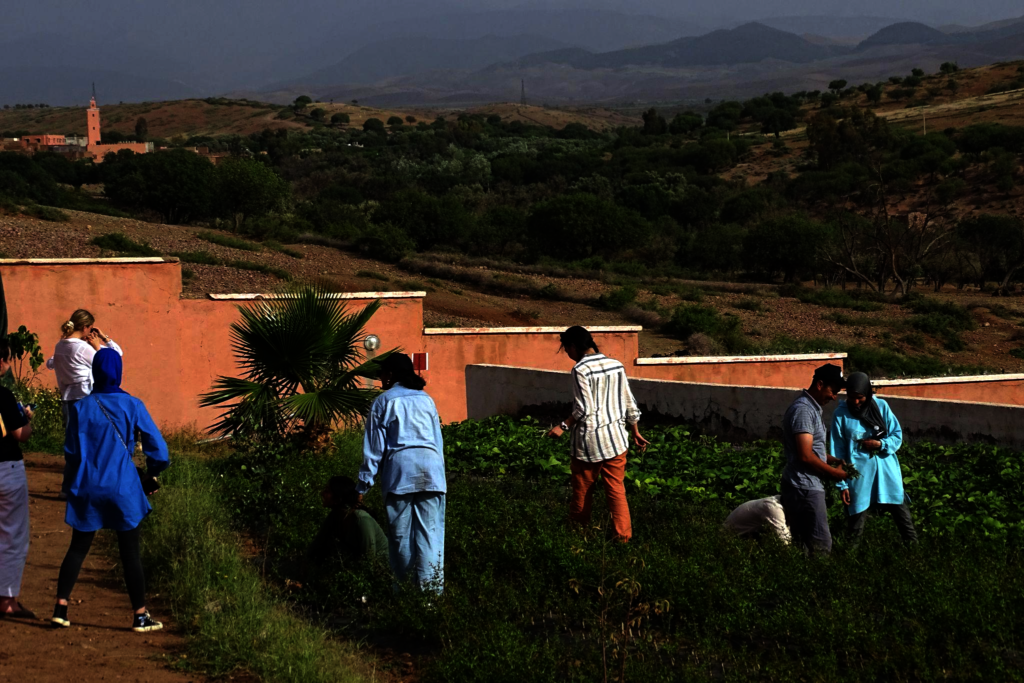
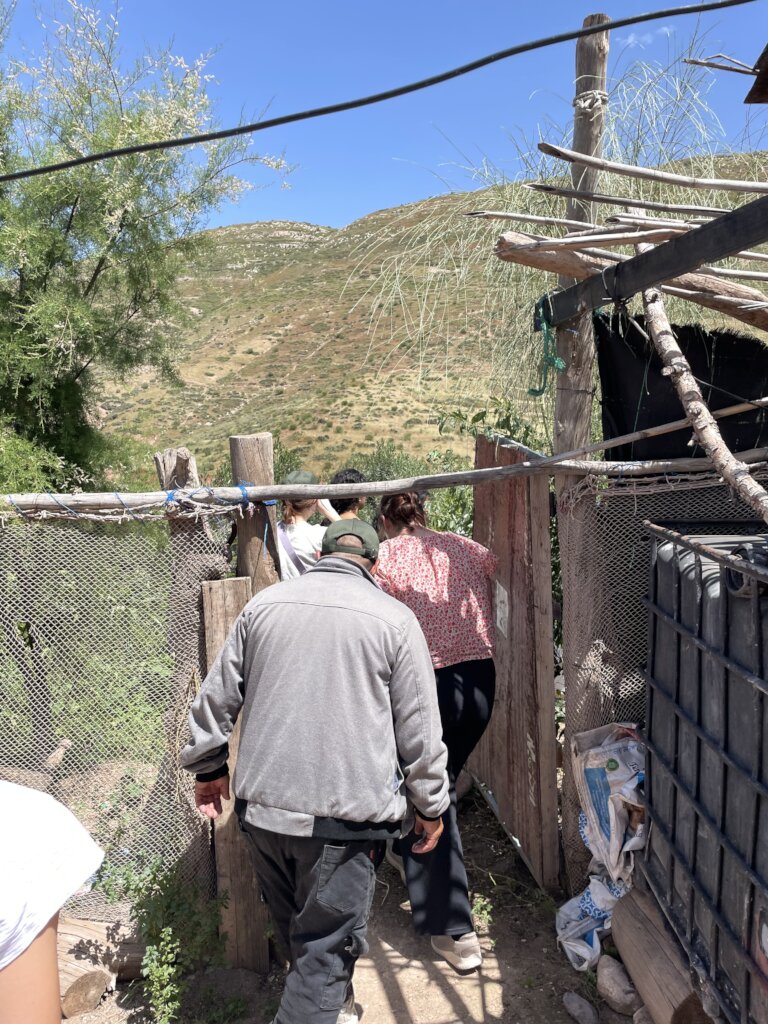
This is also supported by having clear priorities. As I learned about the pipes/solar/pumps/irrigation/tree-planting/carbon credits focus, I saw that this was a clear, actionable approach around which many other initiatives emerged. When we visited the Talat-n-Mimoun village, we visited a well that residents described as having originally been dug on privately owned land before being designated for community use. This demonstrated to me that participatory development depends not only on material resources, but also on creating local investment and collective responsibility. Creating buy-in is methodologically important because it helps ensure that projects remain viable after their initial implementation. A well, irrigation system, or solar installation can be built with outside funding, but its long-term success depends on whether community members feel responsible for maintaining it and addressing future challenges that arise.
Many participatory approaches assume that durable social change emerges through relationships, norms, and collective action. Communities need spaces in which concerns can be articulated, solutions deliberated, and resources mobilized. These processes depend on relationships within communities as well as connections to administrative institutions, NGOs, corporations, and international partners. Creating buy-in therefore serves both a practical and theoretical function. It helps sustain projects in practice while also advancing a vision of development in which community members are active agents in shaping their own futures.
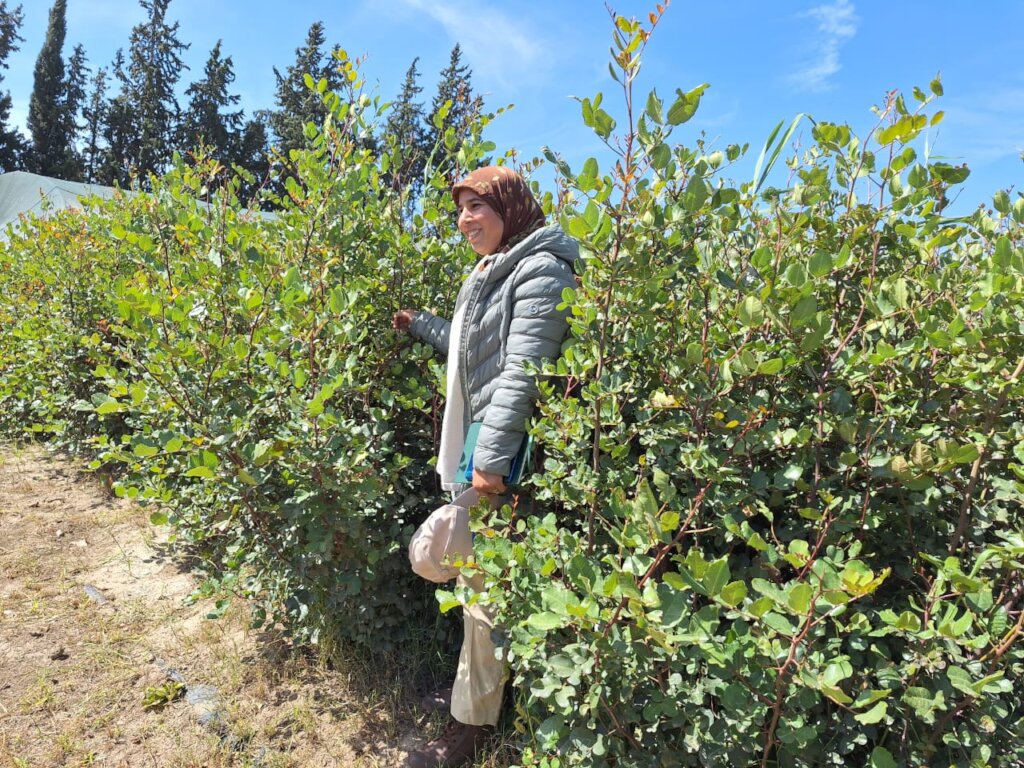
The buy-in approach also functions at the donor or partner level. We have learned how a big portion of how revenue is generated for communities participating in development is through fruit tree agriculture. Donors have a few options in this field, such as either funding the actual upfront costs like buying seedlings, hiring local labor, and installing monitoring technology.
Approaching this issue with the “creating buy-in” attitude, solutions could be shaped by framing it as part of a “sustainable” or “ethical” certification. From a more sociological and less economic perspective, we could conceptualize buy-in as framing the hands-on option as a leadership legacy, or showcasing to other entities that are involved in social-ecological projects. Viewed this way, buy-in is about creating durable commitments, a particularly valuable focus.
Project reports on GlobalGiving are posted directly to globalgiving.org by Project Leaders as they are completed, generally every 3-4 months. To protect the integrity of these documents, GlobalGiving does not alter them; therefore you may find some language or formatting issues.
If you donate to this project or have donated to this project, you can receive an email when this project posts a report. You can also subscribe for reports without donating.



Support this important cause by creating a personalized fundraising page.
Start a Fundraiser