By Josephine Mejia Johnson | Development Officer
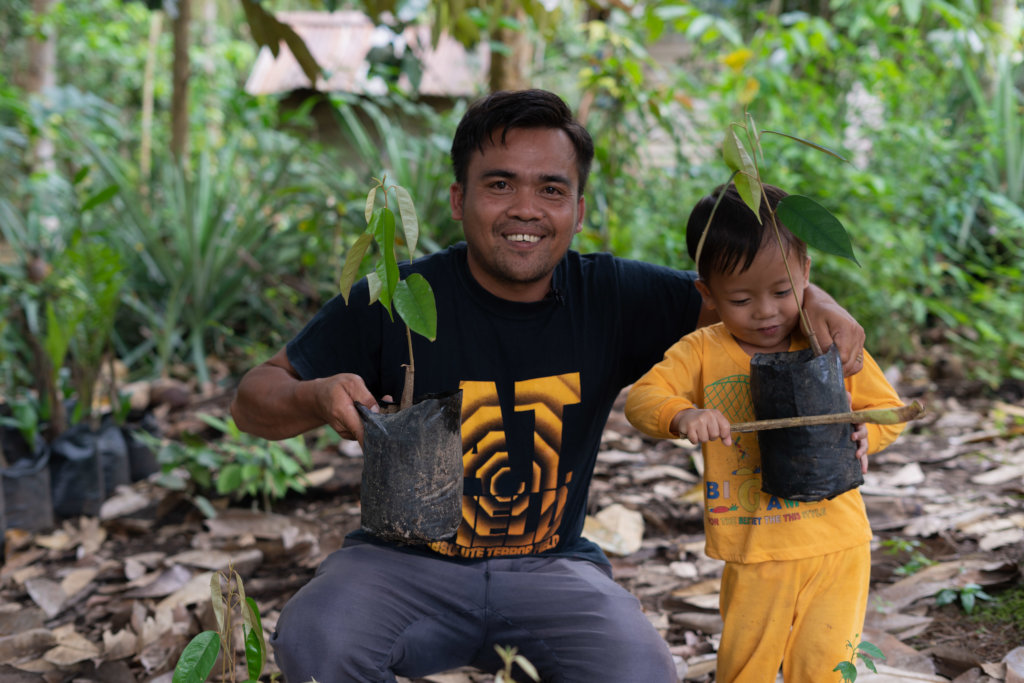
We work from a clear belief: conservation works when power and authority, not just responsibility, return to the communities that live within delicate ecosystems.
The word power will most often be associated with top-down control and authority, but at Planet Indonesia, it speaks to something different: the collective strength of communities shaping their own futures.
Research consistently shows that forests under formally recognized Indigenous and community tenure have deforestation rates up to 26% lower than the global average (WRI/Forest Tenure Funders Group, 2025). Evidence that land rights and self-determination are inseparable. For the forest communities we work with in Indonesia, securing tenure and access to the forest and natural resources is not just a legal milestone; it is the foundation from which they can govern their lands, protect their livelihoods, and shape their futures on their own terms.
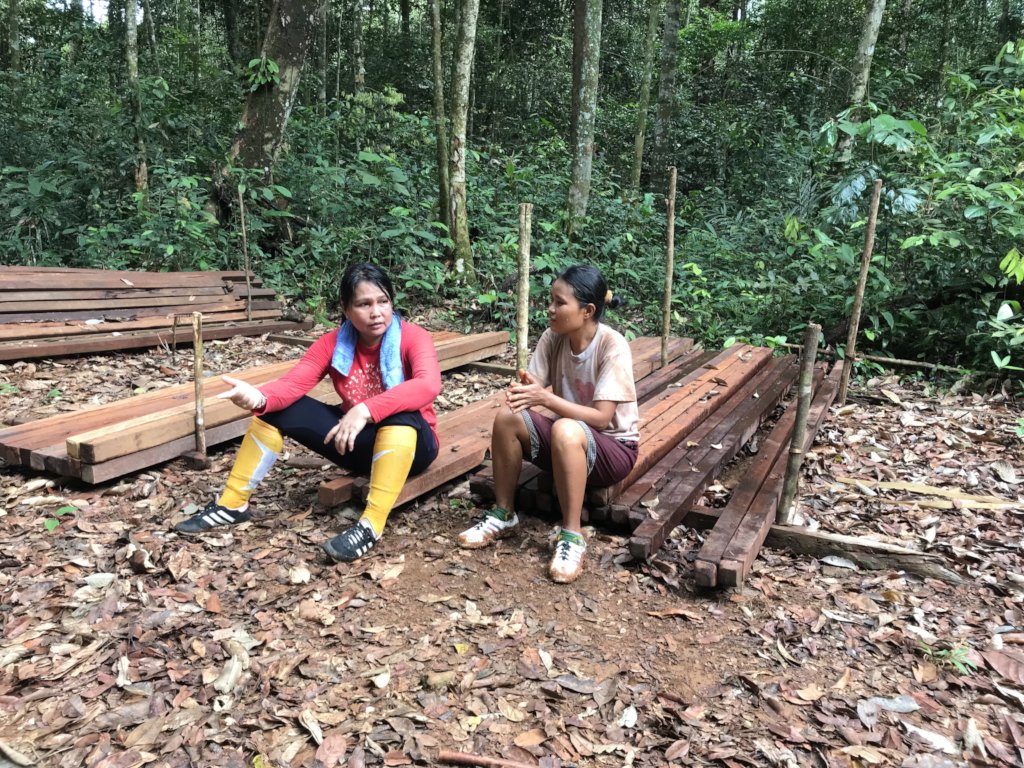
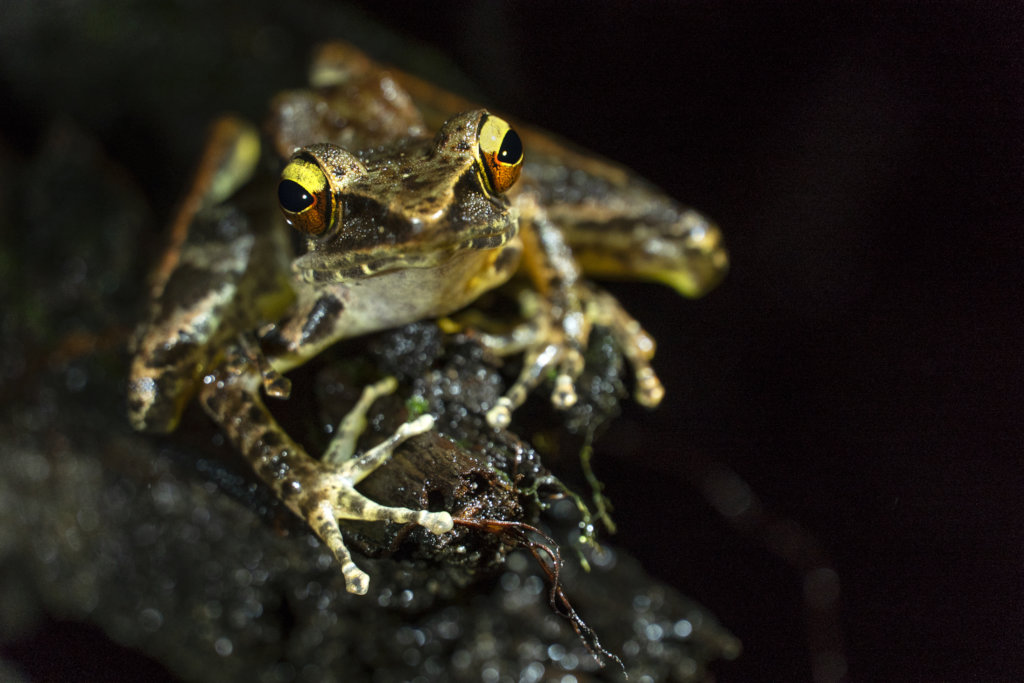
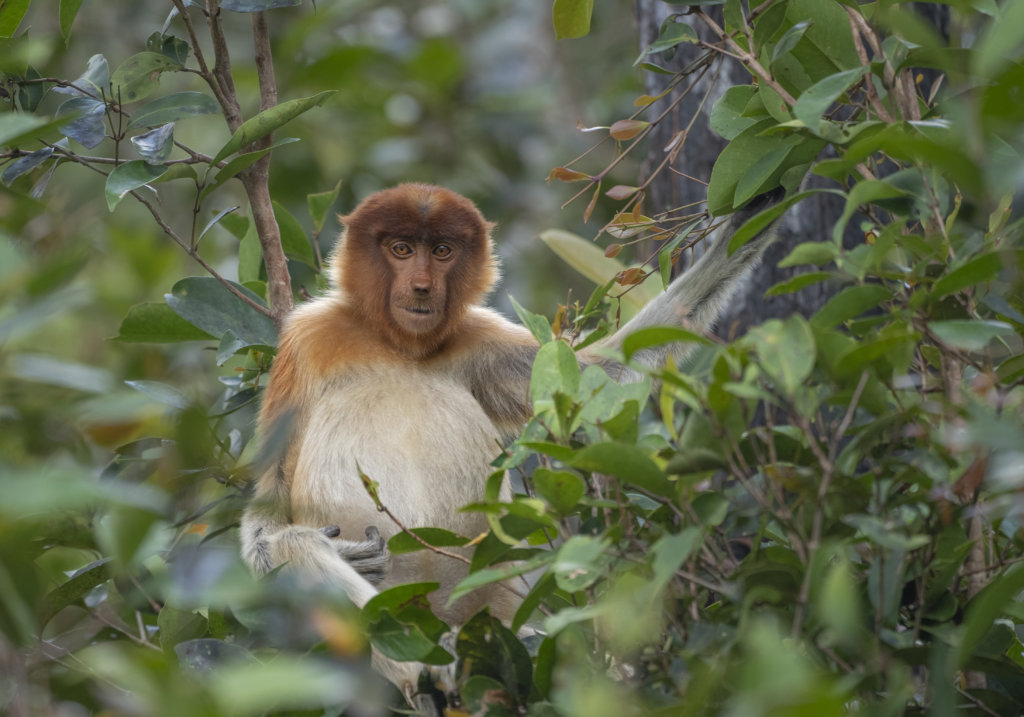
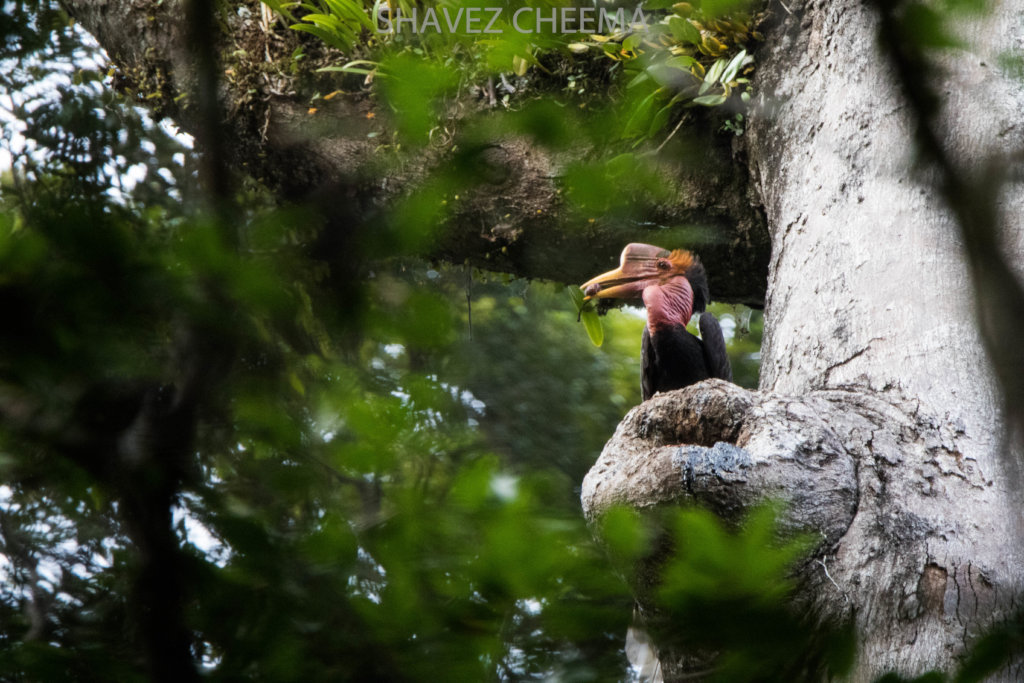
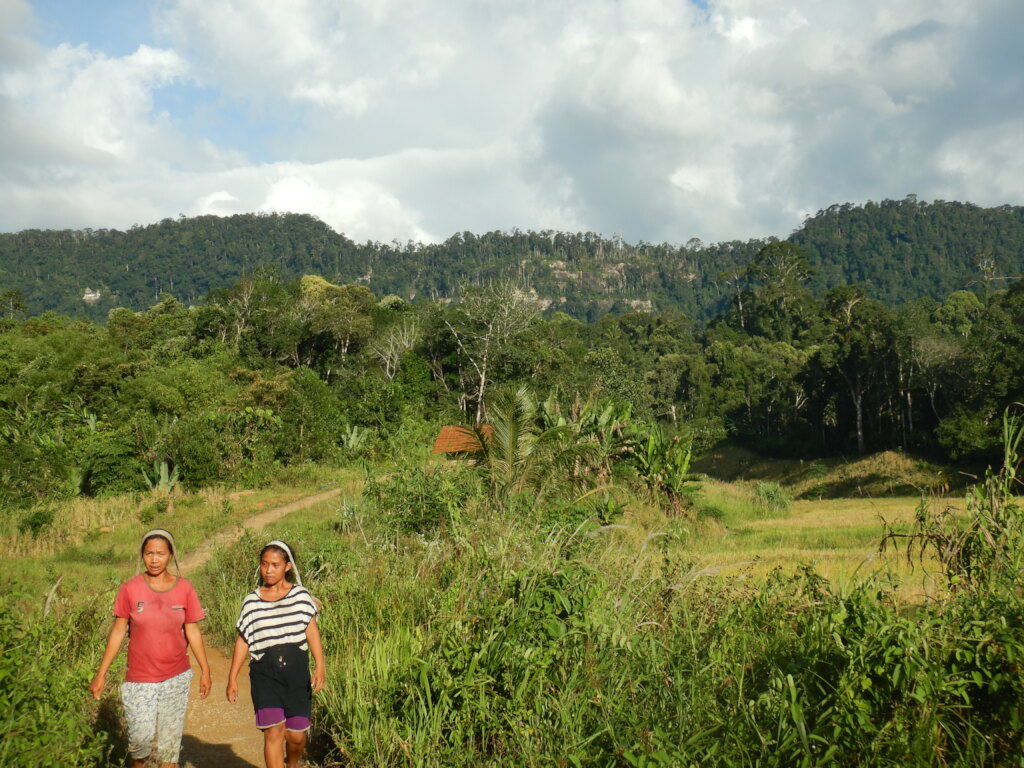
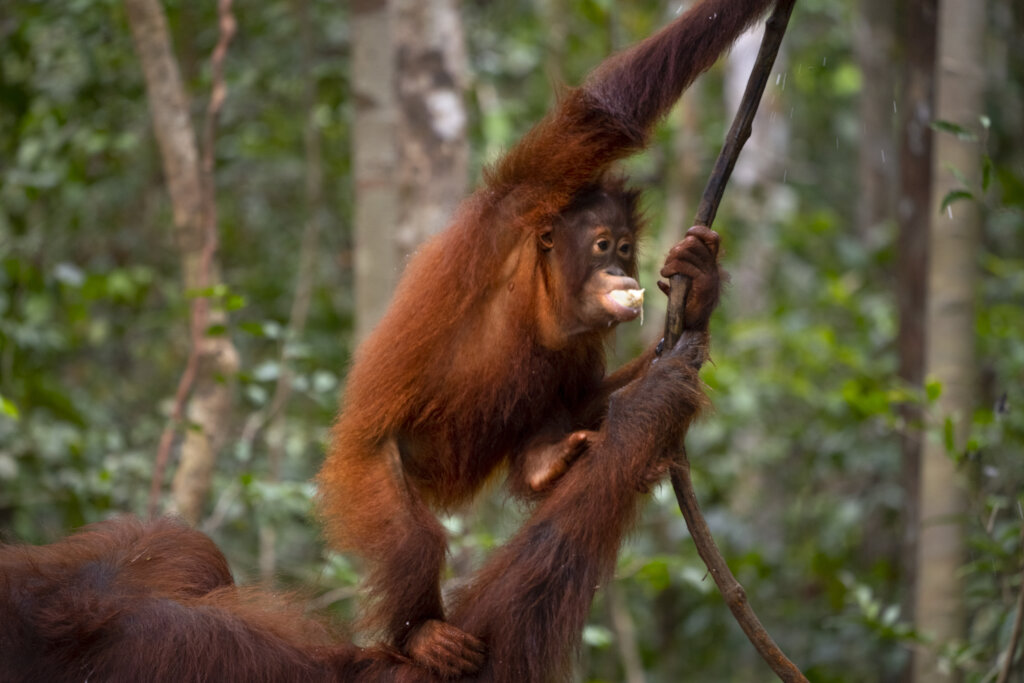
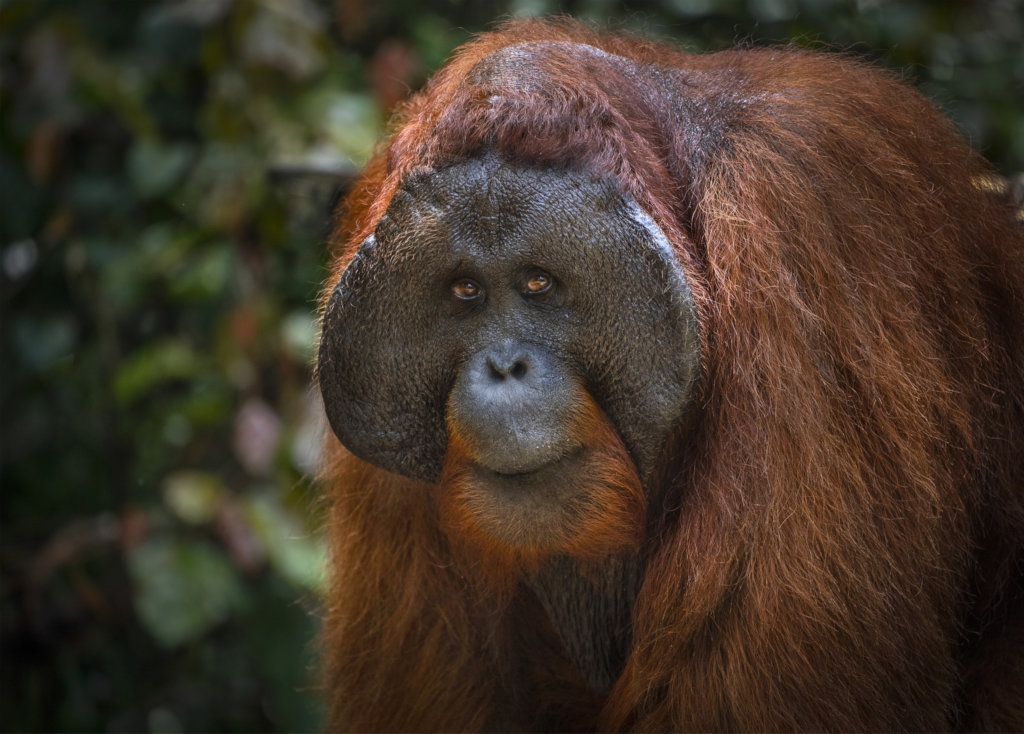
In the ‘Heart of Borneo’, the Gunung Naning landscape is a part of one of the oldest and most biodiverse regions on Earth. These forests have a shared history with the Indigenous Dayak communities who have nurtured a strong cultural and spiritual connection with the forest and its inhabitants. The problem is, these areas are low-protection zones and are at risk as the next targets for mining and corporate palm oil plantations. Protecting these primary carbon and biodiversity-rich forests, home to the largest remaining population of Bornean orangutans and one of the most iconic and embattled bird species, the Helmeted Hornbill, is one of the most effective nature-based climate solutions available.
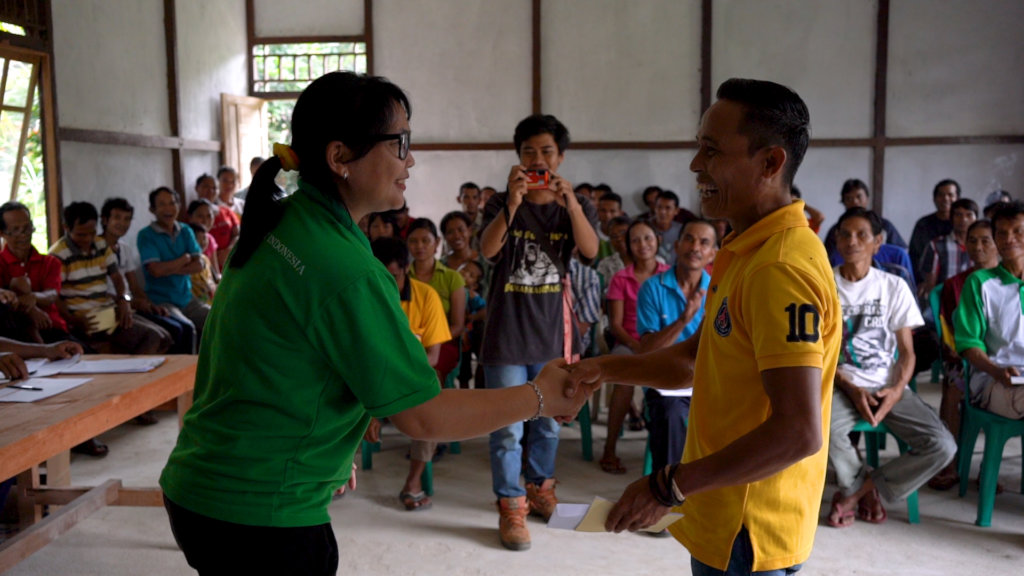
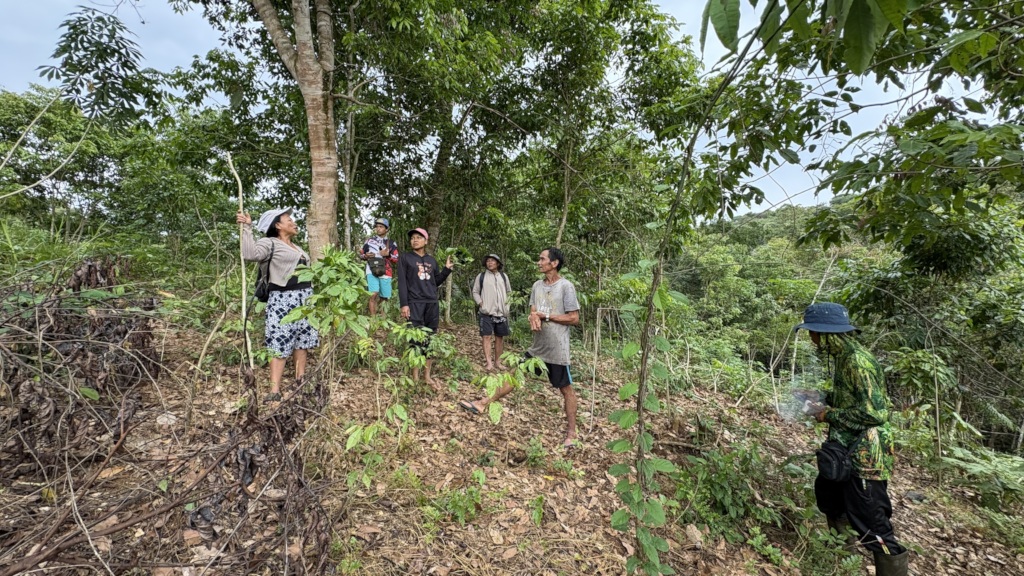
That's why, last year, when communities expressed their desire to secure customary land rights through the Social Forestry scheme, we were ready to assist them. Knowing the process for customary land rights - the strongest form of recognition where Indigenous communities hold full management authority based on customary law - is complex, requiring specific expertise we established a strategic collaboration with the Indigenous Peoples Alliance of the Archipelago (AMAN) and the Community Legal Resources Empowerment Institute (LBBT).
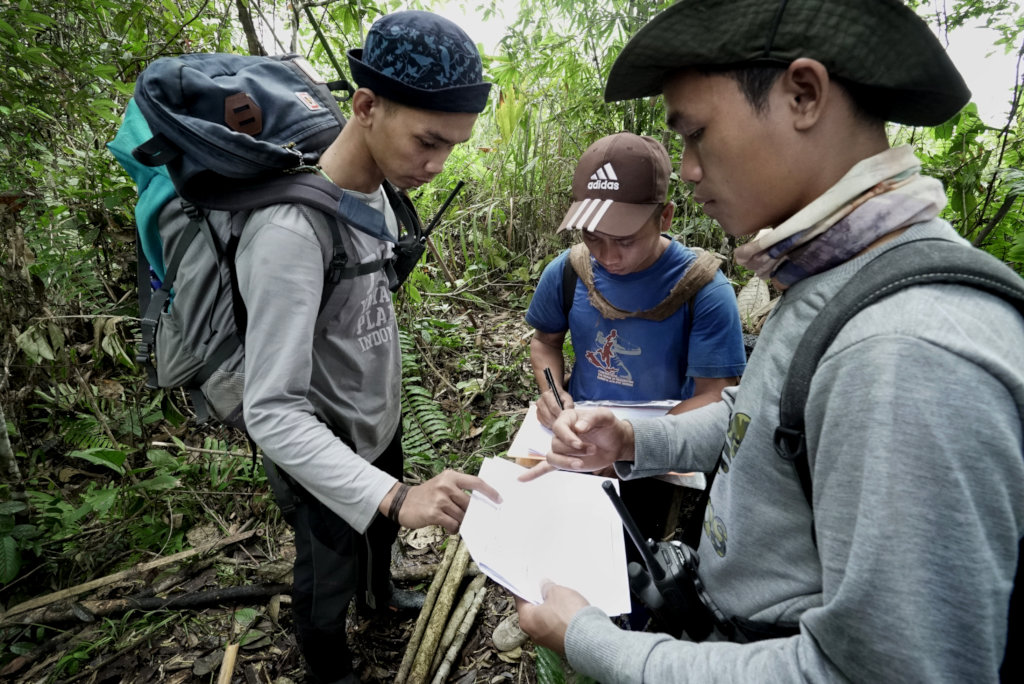
This collaboration combines complementary strengths: Planet Indonesia’s experience in community-led conservation, AMAN’s experience in advocacy for Indigenous peoples’ rights, and LBBT’s technical expertise in legal reform and customary forest governance. Together, we aim to strengthen community leadership, advance recognition of Indigenous forest management systems, and build the foundation for resilient ecosystems and communities in the face of climate pressure. As part of this partnership, we assisted two Dayak villages in submitting applications for their customary forest permits, marking an important step toward formal recognition of rights, and protection from large-scale deforestation for the forests. Shifting power to those on the frontline.
Project reports on GlobalGiving are posted directly to globalgiving.org by Project Leaders as they are completed, generally every 3-4 months. To protect the integrity of these documents, GlobalGiving does not alter them; therefore you may find some language or formatting issues.
If you donate to this project or have donated to this project, you can receive an email when this project posts a report. You can also subscribe for reports without donating.



Support this important cause by creating a personalized fundraising page.
Start a Fundraiser