By Dr. Thomas G. Hedberg | Executive Director, IMCRA
Another Memorial Day has just passed into history.
Across the nation, we waved flags, marched in parades, remembered the wars and went shopping. Some of us just went shopping.
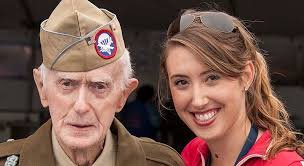
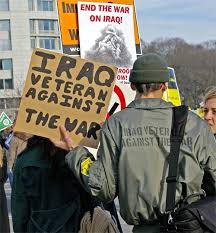
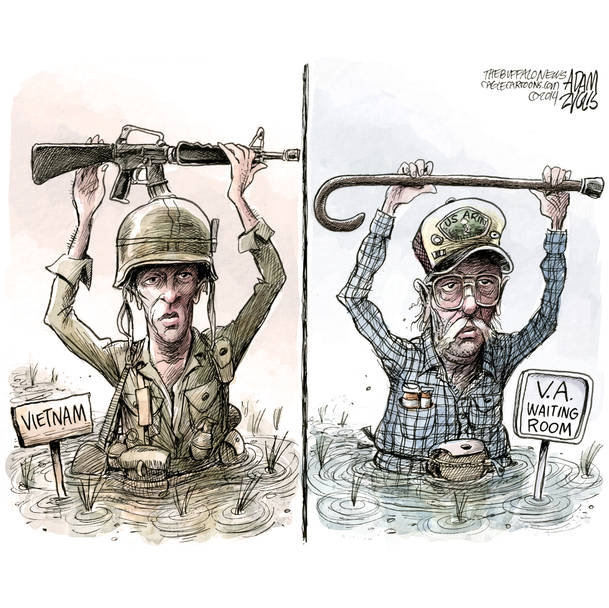
Many of us honored that ever-shrinking battalion of enobled WWII and Korean War veterans, Some honored the Vientam era vets in our midst, and a lot more toasted the younger survivors of Afghanistan, Iraq, and the rest of the mideast wars. In many areas, and as encouraged by media, we honored the dead. Unfortunately, not many of us were willing or able to honor those who, though still living, are now dead inside.
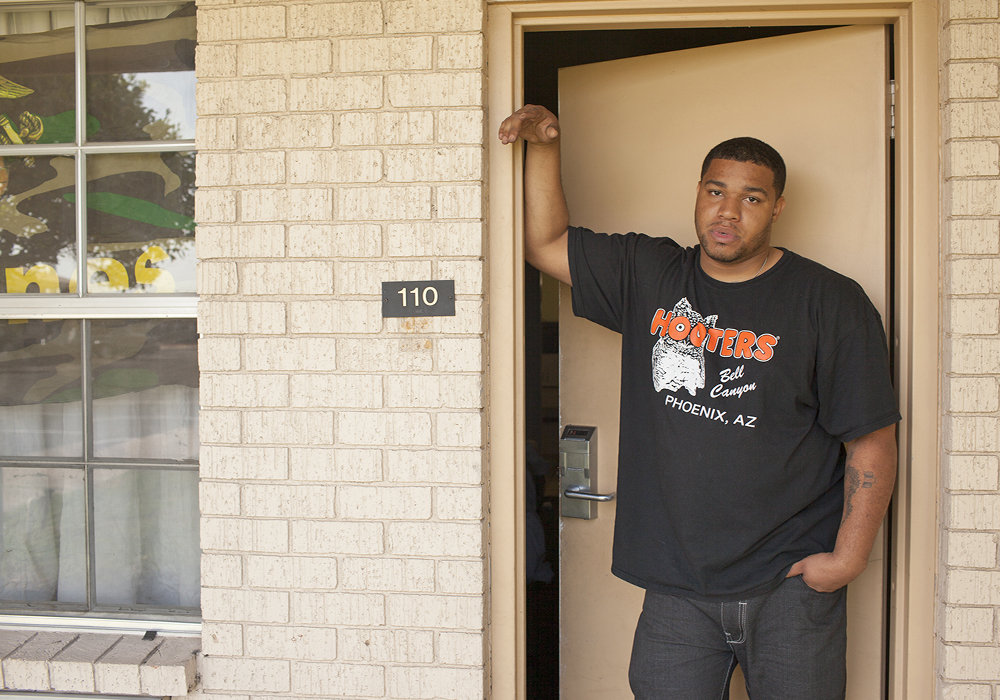
Military service amidst scenes of horror and confusion carries a hidden inner price which must still be paid, every day and every hour, and which cannot be paid by ribbons, parades, and medals. It is a price which unfortunately is paid most heavily by the younger veterans of the recent mideast wars.
In the two World Wars we fought evil aggressive nations. In Korea and Vietnam, we fought what was characterized as the spread of communist totalitarianism. These were easily identified, easily characterized enemies. The soldiers who fought those wars lived in a world of daily reality undistracted by I-pads, smartphones and social media.
In contrast, apart from those who confront ISIS, the men and women who have been sent to the various mideast wars have been plunged into a cosmos where bloody and painful reality supplants the conmforting and self-controlled world of virtual reality so many of us have come to inhabit within the last two decades.
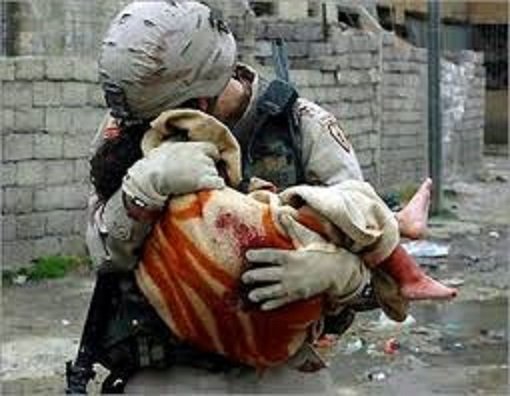
In many cases the reality of combat has been interwoven with the horror and brutality of participating in the death and mutilation of children, women, the elderly and blameless others who have been dismissed by authorities as "collateral damage". Servicepeople find themselves in the midst of confusing scenarios involving overtly familiar urban and suburban environments. Worse, when the actual face of the real enemy becomes known, it may be the face of a child brainwashed with a mindless quasi-religious psychology of pointless blind hatred. Young servicepeople have seen, in addition to military action, many instances of inexplicable and confusing bombings and mass-murders which occur for no apparent reason, are directed against no definitive targets other than available human beings, and accomplish no discernable aims other than wholesale slaughter.
IMCRA has had workers in the field for the past few months seeking to understand more precisely why the nature of the PTSD experienced by young veterans of the mideast wars has been more profound in many ways than that experienced by veterans of earlier wars. We live in a very strange era, where the comforts of virtual reality and social media confront multiple and widespread instances of unmitigated actual brutality and violence. As we continue gaining insights, your help will go far toward enabling us to design IMCRA programs for optimal effectiveness in a new generation of badly impacted veterans
Thank you.
Links:
By Dr. Thomas G. Hedberg | Executive Director - IMCRA
By Dr. Thomas G. Hedberg | Executive Director, IMCRA
Project reports on GlobalGiving are posted directly to globalgiving.org by Project Leaders as they are completed, generally every 3-4 months. To protect the integrity of these documents, GlobalGiving does not alter them; therefore you may find some language or formatting issues.
If you donate to this project or have donated to this project, you can receive an email when this project posts a report. You can also subscribe for reports without donating.