Community Innovation resource centre

by Kikandwa Environmental Association
Play Video
Community Innovation resource centre

Project Report | Sep 22, 2014
KEA CIRC REPORT SETEMBER 2014

By Mr. Kaganga John | Director Kikandwa Environmental Association

KEA COMMUNITY INNOVATION RESOURCE CENTER REPORT SEPTEMBER 2014

 The donors and partners of KEA Community Innovation Resource Center (KEACIRC) through Global Giving have helped the resource center to extend ICT services and training to Kikandwa in order reach out to the most vulnerable and neglected families including orphans. KEACIRC continues to strengthen the existing partnerships so that Resource is fully equipped with relevant ICT equipment and partnerships that can mutually benefit the least developed communities using alternative approaches and processes for sustainable rural development.


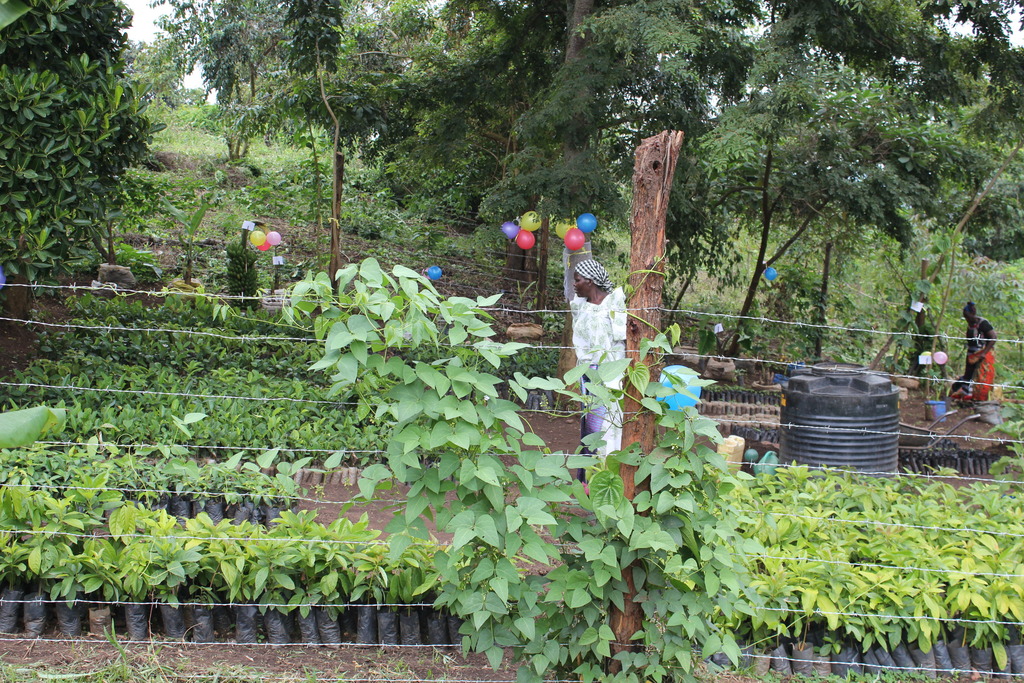
The resource center has in the past months been able to help provide information to Kasejjere rural farmers on how to raise tree nursery beds. Some targeted famers have received first hand training on how to raise good nursery beds. The training was carried out at KEA Greenhill Education Center’s nursery bed using it as a demonstration site to facilitate hands on training.

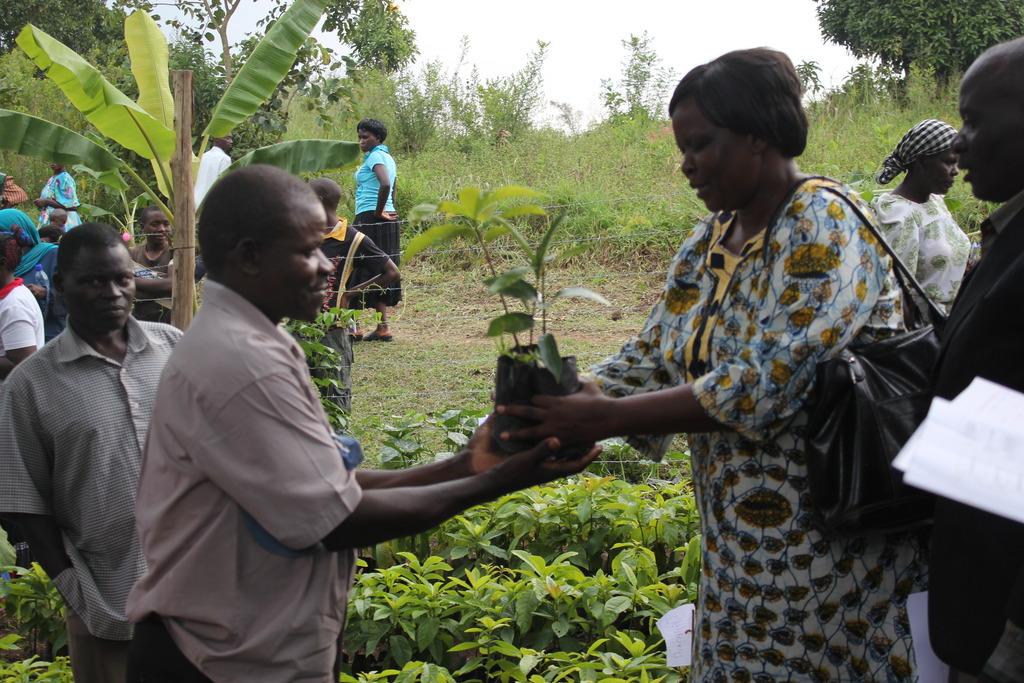
Farmers got to receive fruit tree seedlings from the school’s nursery bed and were encouraged to continue to plant more trees of value that can provide food and later help to combat the effects of climate change by absorbing CO2 from the atmosphere.

The handing over of fruit tree seedlings was graced by the presence of a representative from the SGP at UNDP and the director of National environment management authority (NEMA) a government institution.


Remarks from UNDP Representative

He introduced himself working with UNDP represent small grant project (SGP), and thanked the Director of KEA for the initiative taken to raise the nursery bed. He thanked the community for the commitment being a wet season as many farmers are busy with their farms. He encouraged farmers to sustain the project with a lot of benefits as with environmental conservation more especially on human health that led to human livelihood development through sustainable was of farming and animal husbandry. UNDP works towards human development and support government programs, its long term benefit and encouraged farmers to take their time.


KEA, strives hard at addressing gender issues as key in human development as one of the core values of UNDP. youth are key in development, whenever youth participate in meetings learn, was happy of the school children he meet at his last visit and asked teachers to talk about environmental education to inspire youth to startup similar initiatives. He started participating in botanical gardens that why he ended up in agriculture. He asked the director of KEA to start up nurseries in schools not only in communities children may keep it as fun while learning and will impact on learning through potting and will love it. Learning is high at tender age and we need to build the youth that why the secretary general of UN is focusing on youth agenda and the government with the led from the president is conveying youth as the leaders of tomorrow and activities should be designed basing on gender balance and advised women to start vegetable gardens to get income due to their short maturity period.

Recommendation

  1. The organization should strengthen post harvesting and the price of maize will rise after some time, drying maize in clean dry place by providing farmers with tarpaulins.
  2. Farmers should setup storage facilities-granaries (ebyaggi) help in keeping maize safe from pests, and drying the maize from the combs so the organization should have a demonstration of the granaries and in homes not harvesting maize from gardens then trashing it, granaries are scientific and should be positioned well from rains with good aeration can keep maize for over 2 years. Maize dried from combs is of much better than the one trashed from gardens because if heaped will start fermenting that will led to disease like proto-cine caused by poor handling of maize as most of the maize is contaminated with fungus (yellow growth)this will cause human poisonous.
  3. Encouraged families to startup simple granaries as demonstrated need four strong poles lay down timber, shelter and nails/tie poles around the square.
  4. Farmer have trust with their leaders as UNDP secretariat receives daily information on agricultural produces from East African grain council and the local selling market in Kampala Kisenyi market, if Mr. Kaganga informs the about the forecast agricultural information with current prizes as their to sell of their maize can sell not say that is biased with the community . The high low producing maize like Bukoba inn Tanzania has also had high production this season as they never used to produce.


Speech from guest of honor ED NEMA

  1. Thanked all those who had spoken because they were educative speeches, she loved the new practices done around the nursery bed and learnt a lot from her field visit, education is lifelong processes, and one stops learning when is dead, love to learn and be creative in life as the director of KEA explained about Half +Half a thousand hectare project was hard to understand but later got the concept.


  1. She encouraged farmers to adopt to new health technologies as not all technologies are human health, i.e. spraying without protective gears NEMA has stated new project sound chemicals management with full protected gears protect body contact with chemicals directly this is commonly in rural areas that why people are suffering from cancer this one of the negative effect observed.
  2. Networking is key encouraged the continuity of networking not for computer but also organization as have learnt a lot from Mukono people and KEA has down the road for last 8 years participated in World Environment Day this is due to networking and have a friend in needed. She leant growing pumpkin from Kikandwa and know manages one acre through the workshops of NEMA. KEA benefited from proposal writing workshop as was happy to fundraise from UNDP and other NGO and encouraged Mukono to keep on writing and networking.

She was happy that in the last 7 years the director was still moving on and the group growing bigger and the trees donated by NEMA by Dr. Aryamanya a friend of The director all this done for the future and present generation and leave the earth as it was, everybody who cats a tree must plant make it by law.


Sustainable development is based on three pillars; Environment, and if promote only environment others will fall or be stable, if environment gone pole become thrives as will affect the community. Second pillars is society is the politics, health, youth and people being healthy, third is economy based on natural resources in past people in Kikandwa were depending on charcoal, as well as in Palliser depending on rice were all trees were cut down for rice fields as used to get 10 acres know having a bag of rice as in five years will be dead with no food and poor managed environment were in Luwero were all trees were cut to plant pineapples, whatever we do must think of sustainability for know and future in line with the pillars , think of economy. He advised the community to start up community tourism were people can camp to generate community resources.

She advised the organization in whatever we do we should record our community achievements but think of sustainability, should stand (kwesimbawo) confidently and not depend on funding from UNDP, NEEMA, if the organization is gone they will continue to progress so people will be proud of what we are doing start small and grow big with a development goal of what we are doing not think of money but use the available resources with interest and keep learning.

“kwesimbawo” support one another, farmers should be firm and grow expand with bigger vision, network , be innovative and practice environmental education and be able to practice it homes and in our communities i.e. policy not throw away the seed, and been able to raise 1500 jackfruit seedlings, and 1 acre of pumpkins

Recommendation

  1. Establish agricultural information center / price forecast
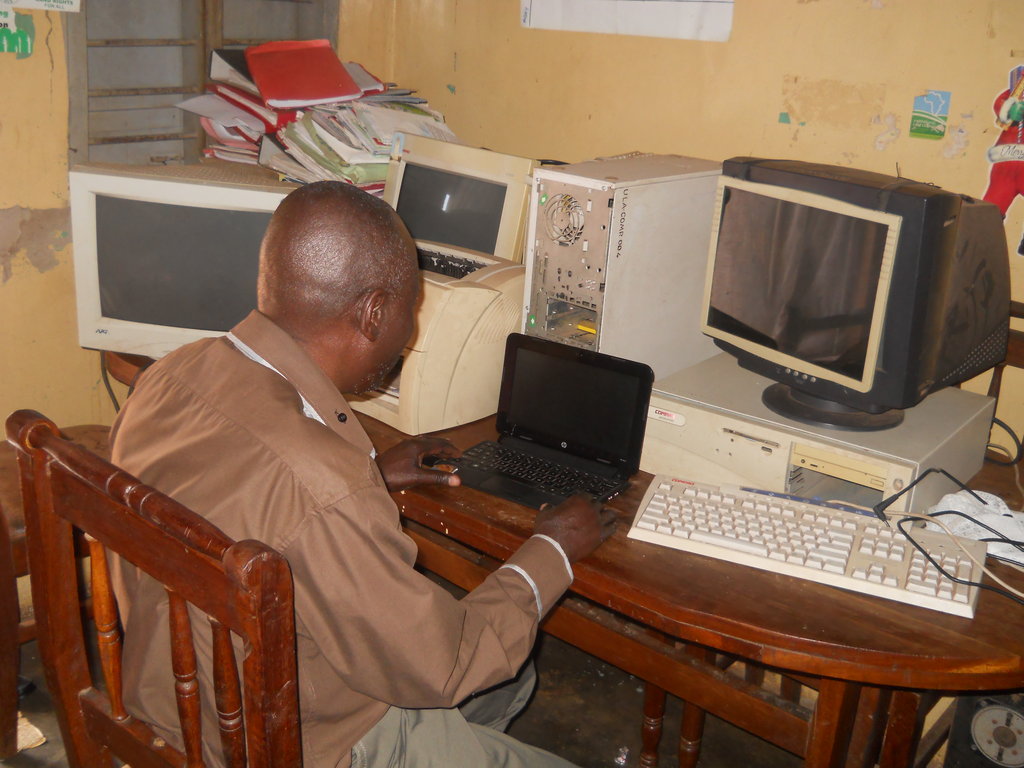
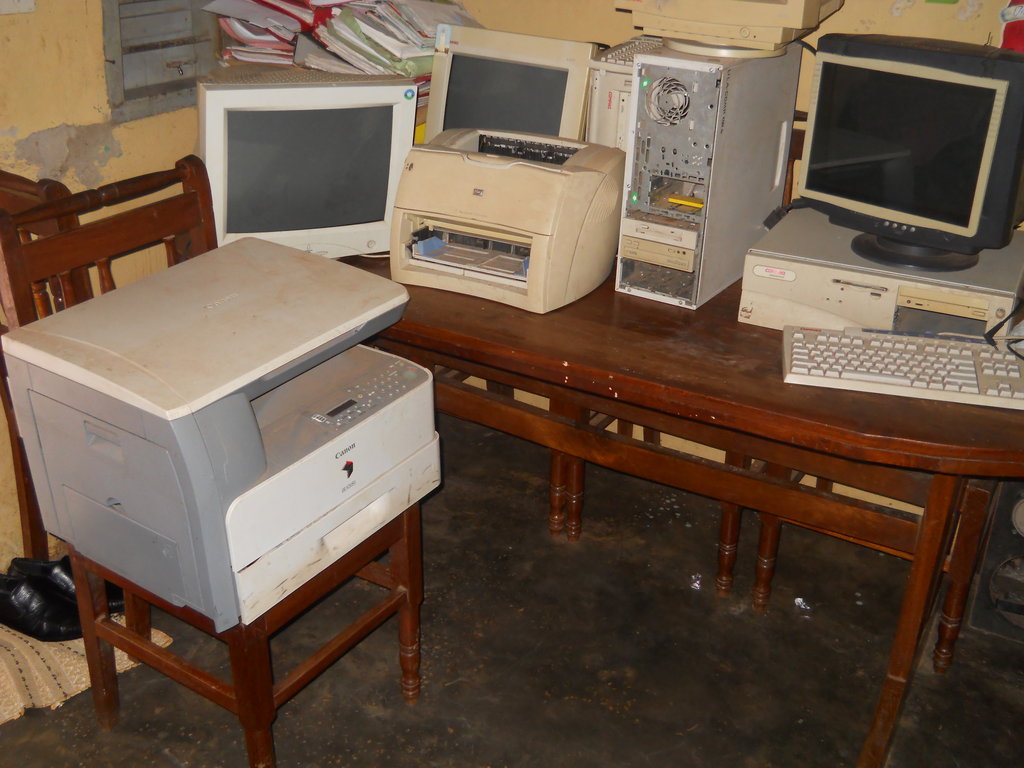
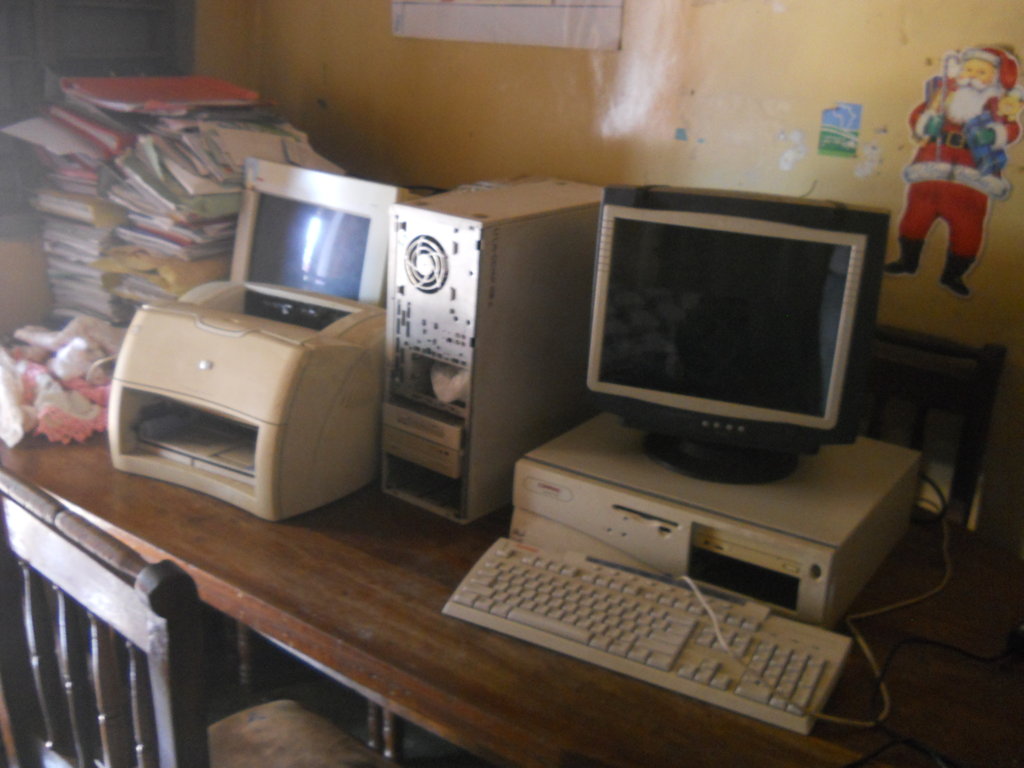
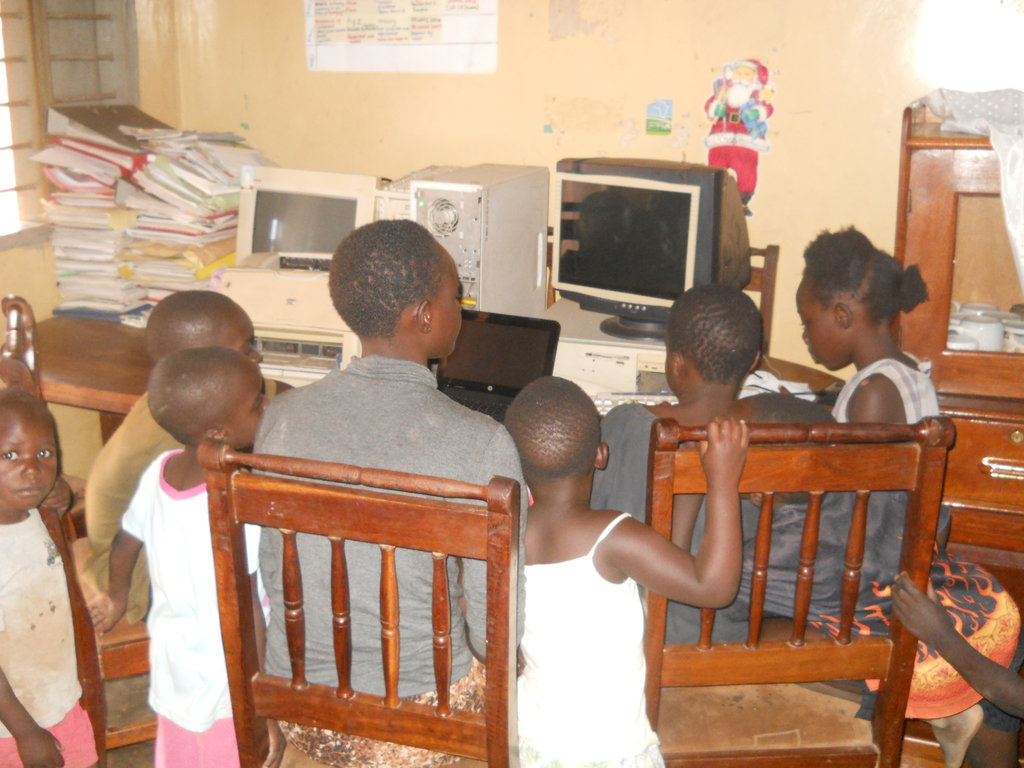
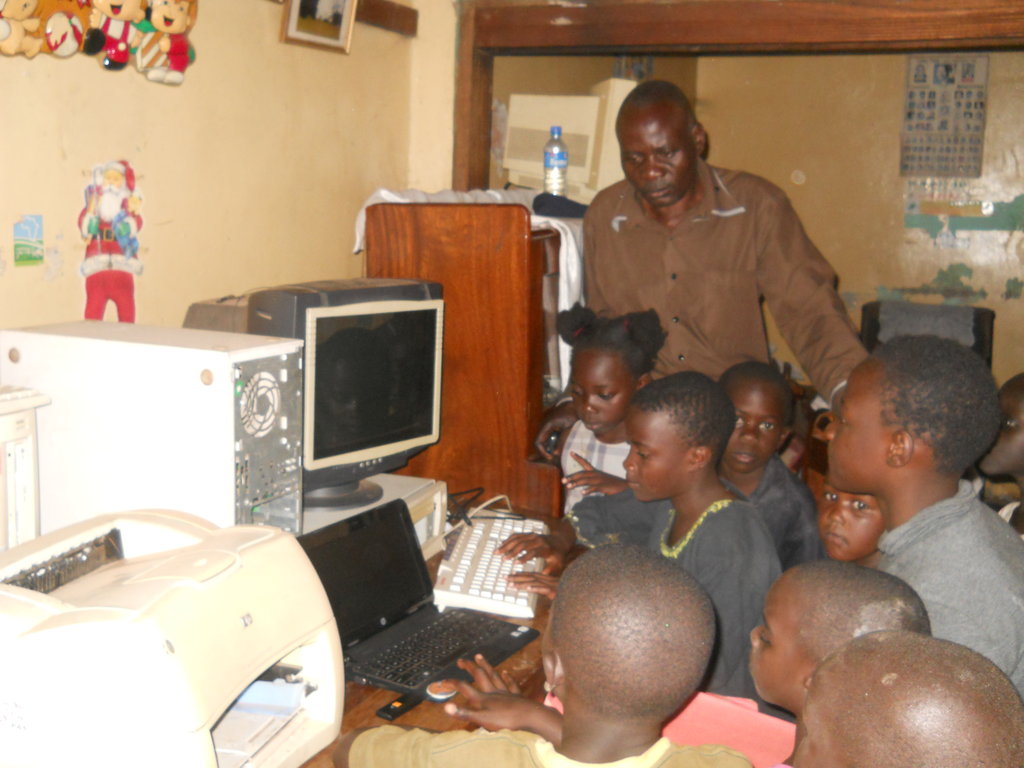
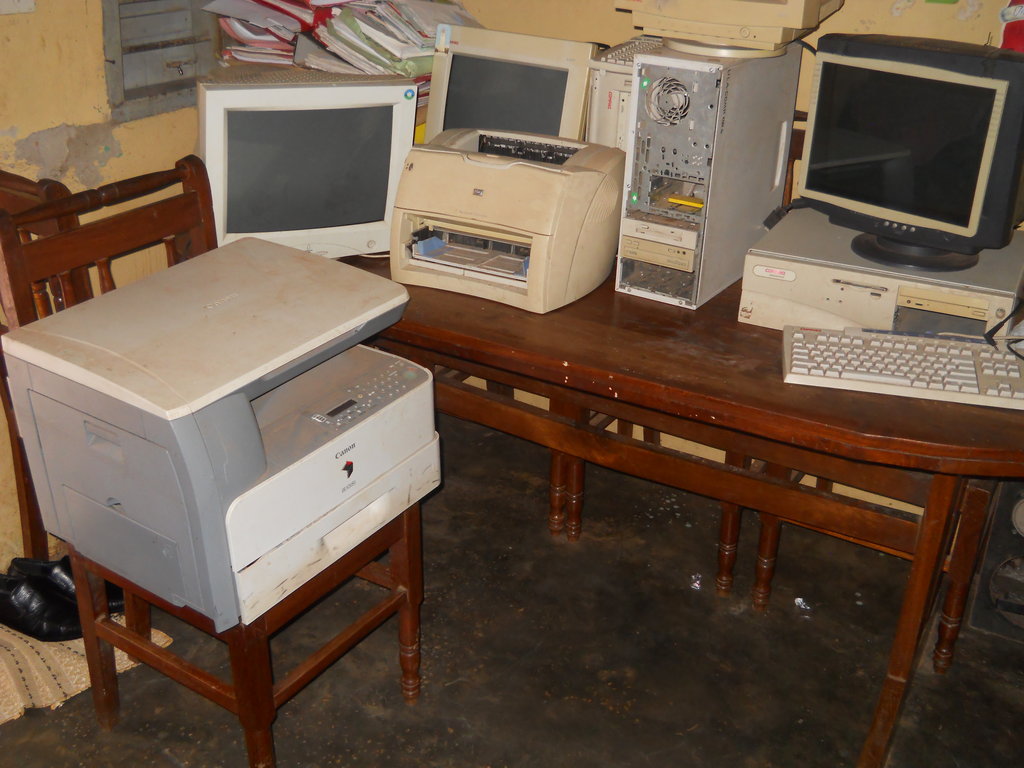
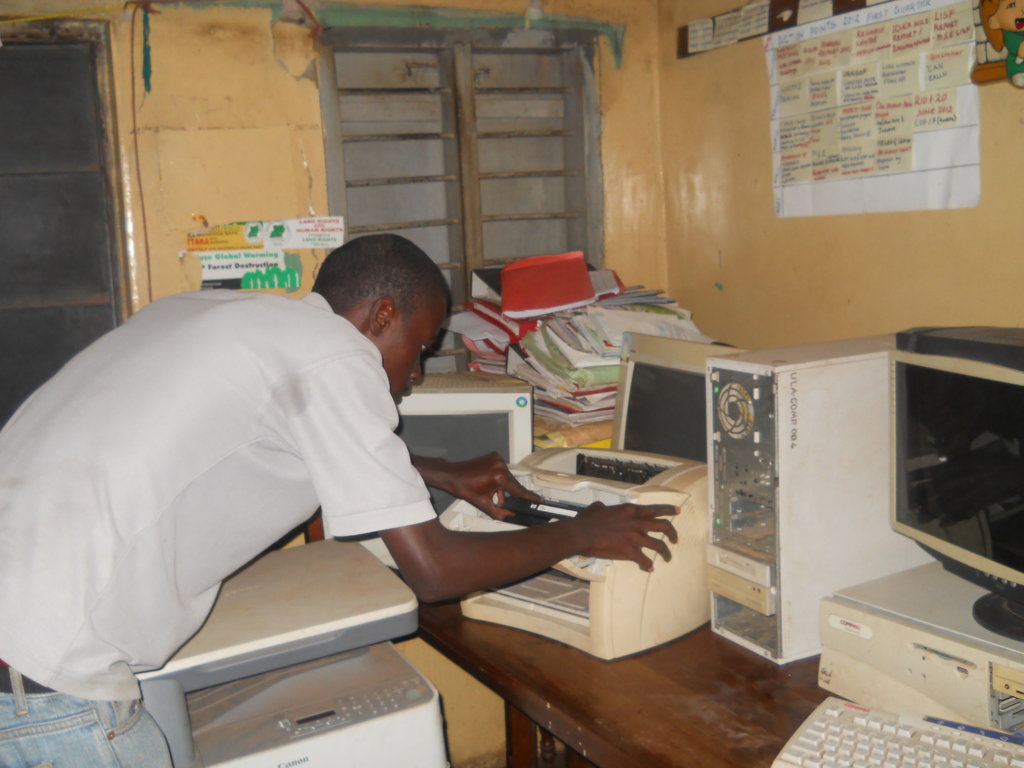
  2. The organization has a computer Centre, without access to internet is still hard to communicate timely information and sharing challenges. The Community Computer center is functioning with a total of 5 computers after they will be connected to internet. There has been a challenge of procuring the antenna to boost the network hence if internet is installed will improve at market information at the center. So far the Computer Centre continues to serve the over 20 farmers per day.
  3. To periodically assess, share and document community beneficiary experiences, capacity, knowledge and level of adoption of sustainable land management (SLM) practices under he project, in selected areas of Bbambula that aim at reducing and addressing climate change so as to influence project implementation.
  4. Design publishing and dissemination project information starting with baseline studies, linkage to project objectives environment and natural resources, food security, water resources, access , forest management, and also translated into local languages be printed and disseminated to the key stakeholders and community members and also it will be uploaded on the website for wider dissemination.
  5. Advocacy work, Networking and Information sharing KEA has been able to partner with likeminded networks and organizations such as the partnership through NEMA,UNDP, NGO Forum, among others, Information sharing on facebook also become a good platform for information sharing and therefore it’s important for KEA and its members to make use of this platform to remain vibrant in terms of information sharing since it has grown in terms of new likes currently standing.
  6. Key advocacy and Networking meetings KEA continues participating in the National and International Days such Commemoration of World Wetlands Day world food day also reminded participants what we have done and plan to do for the livelihoods of communities
  7. Build community granaries for storage of farmer produces avoid exploitation from middle men. This should be demonstrated in schools, homes since their scientific and have contributed to human livelihood development.
  8. Establish gender balanced activities in communities to address poverty and that led to human development, participation, involvement of youth and children in activities carried out and be left out in trainings and meetings.
  9. Develop posters and flyers to communicate and address the project objectives

Other recommendations at site

  • Have a plot of land at main road with and office and demonstrated agricultural practices.
  • Have a source of information on market price can be achieved by having internet.
  • Establish community granaries
  • Keep in mind the contract made at Protea hotel Kampala of supplying quality maize.
  • Develop flyers and documentaries on key success to project objectives.
  • Share a report of the launch of the project
  • Develop a booklet on baseline survey share it with UNDP secretariat and other stake holders.
  • Establish nurseries in schools and other projects.
  • Proper maize harvesting (pre post harvesting)


So we at the resource center believe that through knowledge acquisition is the only way we can move this community to fight the effects of climate change and later help them move agriculture from subsistence to commercial farming.


We thank all of you donors for the continued efforts you have made to put us where we are right now.


Director KEA.

NEMA representative handing over fruit trees

Attachments: Share on Twitter Share on Facebook

About Project Reports

Project reports on GlobalGiving are posted directly to globalgiving.org by Project Leaders as they are completed, generally every 3-4 months. To protect the integrity of these documents, GlobalGiving does not alter them; therefore you may find some language or formatting issues.

If you donate to this project or have donated to this project, you can receive an email when this project posts a report. You can also subscribe for reports without donating.

Sign up for updates

Organization Information

Kikandwa Environmental Association

Location: Kampala, Mityana - Uganda
Website:
Facebook: Facebook Page
Project Leader:
Kaganga John
Kampala , Mityana Uganda

Retired Project!

This project is no longer accepting donations.
 

Still want to help?

Support another project run by Kikandwa Environmental Association that needs your help, such as:

Find a Project

Learn more about GlobalGiving

Teenage Science Students
Vetting +
Due Diligence

Snorkeler
Our
Impact

Woman Holding a Gift Card
Give
Gift Cards

Young Girl with a Bicycle
GlobalGiving
Guarantee

Get incredible stories, promotions, and matching offers in your inbox

WARNING: Javascript is currently disabled or is not available in your browser. GlobalGiving makes extensive use of Javascript and will not function properly with Javascript disabled. Please enable Javascript and refresh this page.