By Heather McKay | Executive Director
Dear Friends,
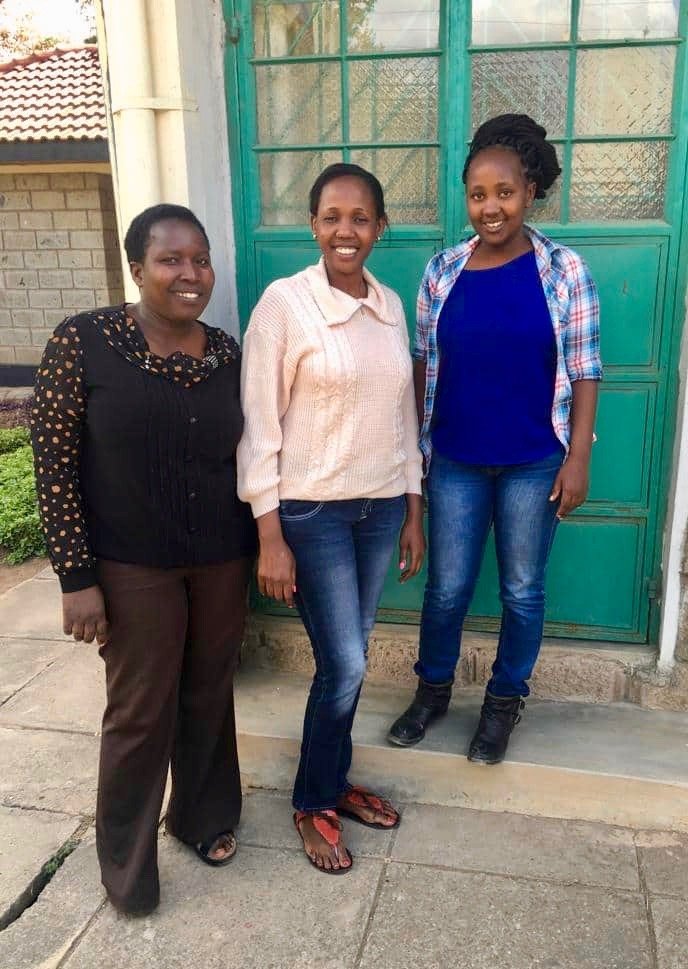
This letter finds me preparing for a trip to Kenya at the end of August, to work alongside the MGEF-Kajiado staff, meeting with students to monitor their progress, speaking with them about challenges they may be facing and giving encouragement as they head back to school for Term 3.
Sponsorship
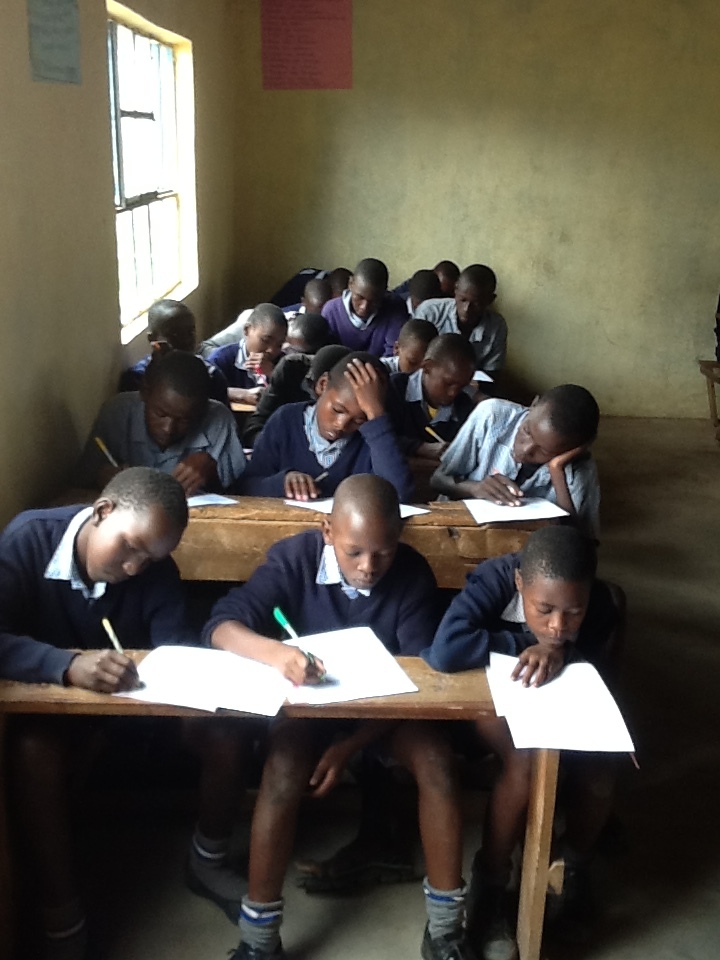
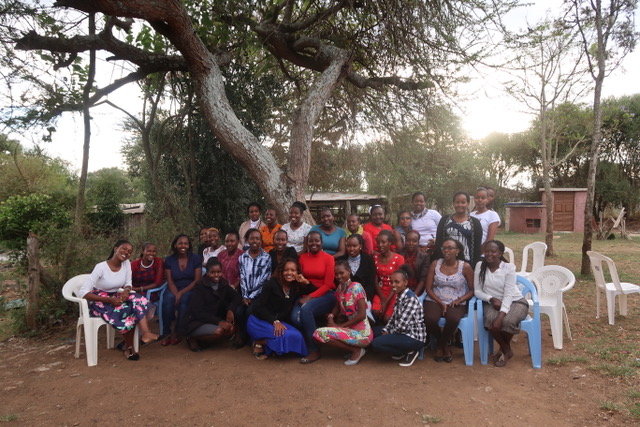
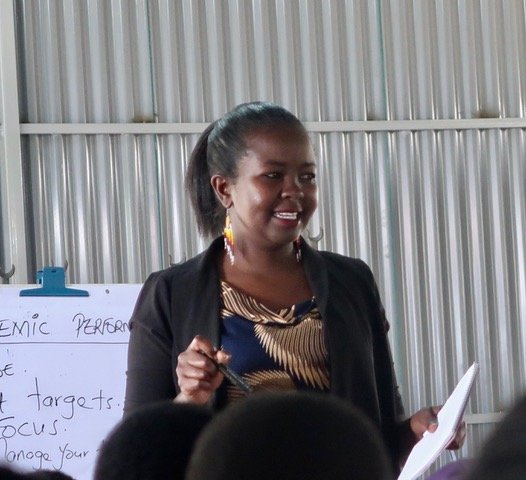
August in Kenya is the summer break for school children. In late August, the students will return for Term 3, which is the last, very short trimester of the school year, ending in late October. The new school year will then start the first week of January 2020. Because the intervening school break period is very long, we hold our Annual Mentoring Workshop for Scholarship students at the end of November. This workshop focuses on helping our students keep on track, not lose sight of their dreams and goals, and to be aware of signs that they might be married off. We do everything possible to ensure the success of our students, which is evident in our high graduation rates, well above those for girls among the Maasai and in Kenya overall, and our low dropout rate, far below the norm for Maasai girls.
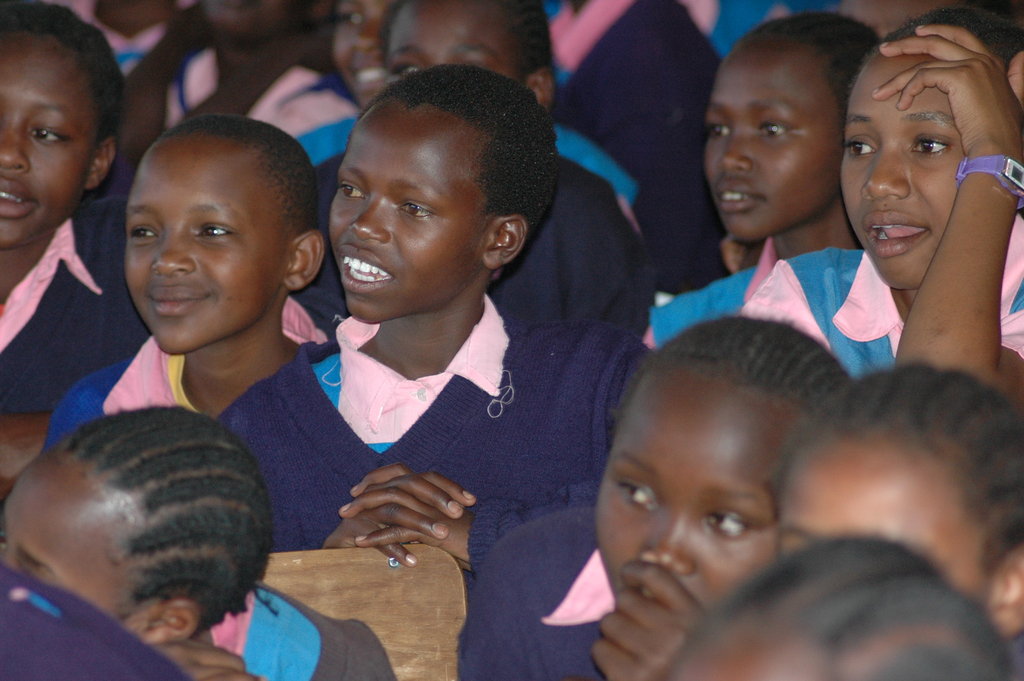
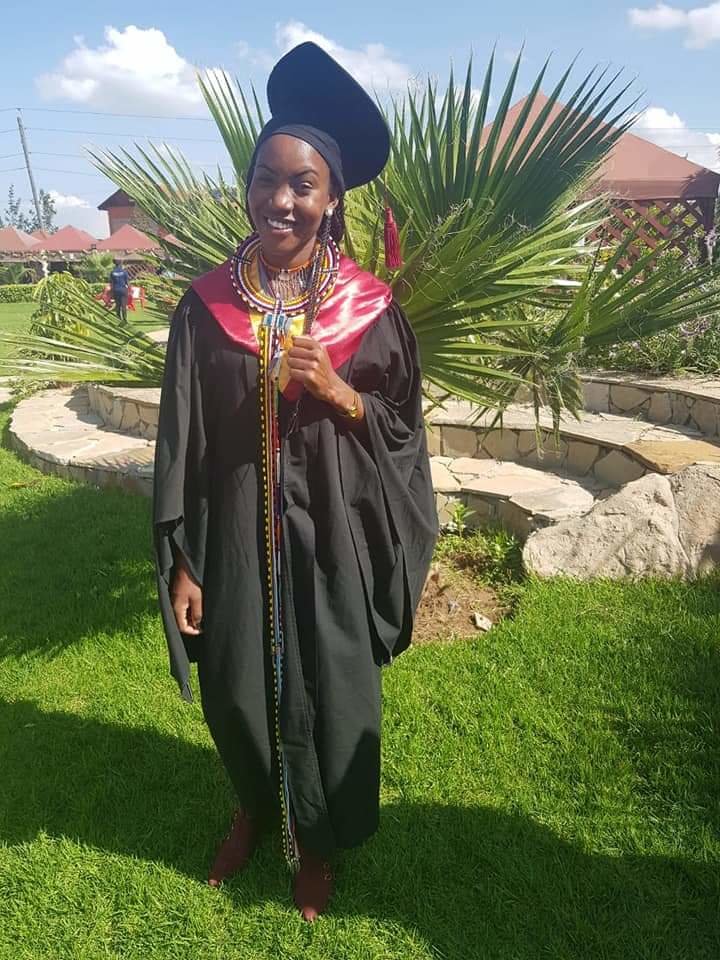
Currently, MGEF provides scholarships to 128 Maasai girls and women with 48 primary, 45 secondary, 30 post-secondary and five students awaiting acceptance to institutions of higher learning. This spring MGEF celebrated five new graduates from post-secondary schools, bringing our alumnae up to 80 with 70 of these scholars completing some form of higher education. Of the 225 students who have enrolled in our Scholarship Program, 92% have stayed in school. Only 17 have dropped out from primary or secondary school, most during MGEF’s early years of operation, due to cultural pressures or early pregnancy.
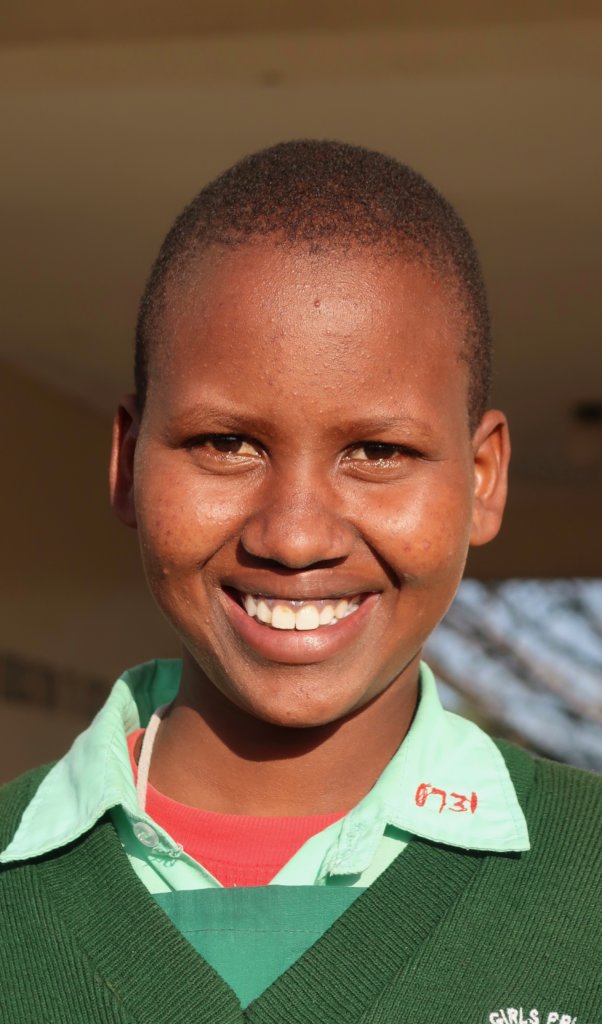
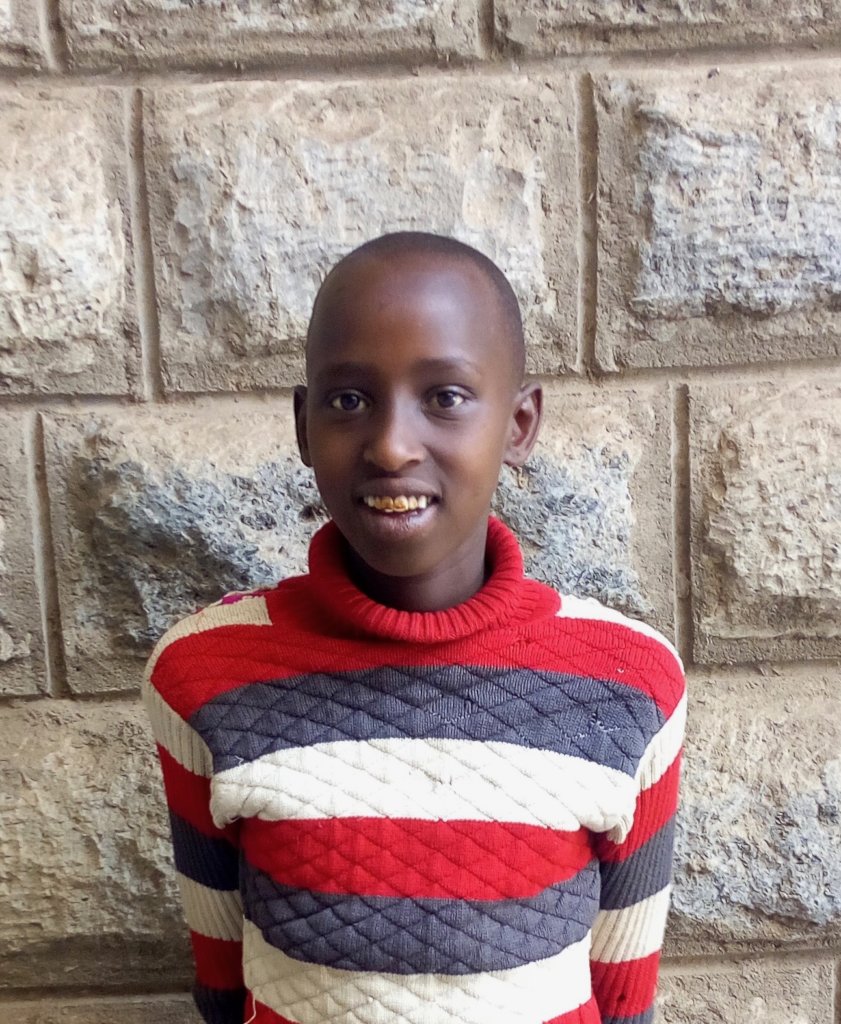
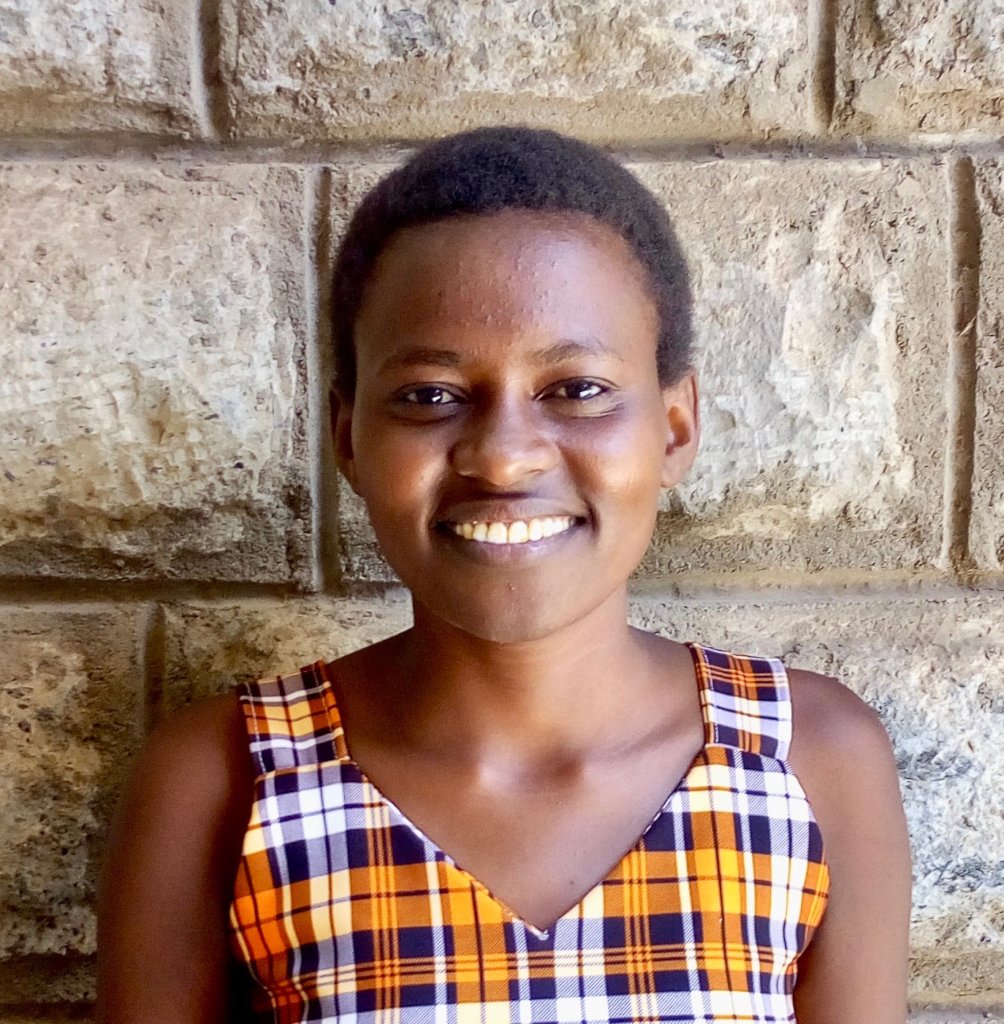
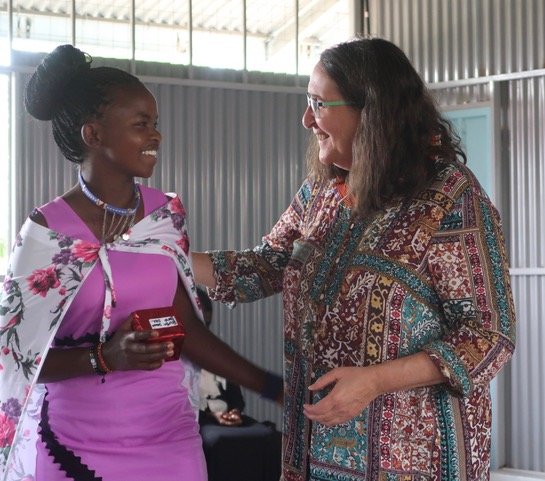
Our Scholarship Program recipients continue to amaze us, as these determined girls and young woman chart their paths forward. One example is Lois, who comes from a polygamist family of one father, three wives and 26 children. Her father removed her from school in Class 3 to tend cattle. Lois dreamed of returning to school, but because her father forbade it, she ran away to her cousin’s home and begged them to help her go to school. They brought her to MGEF in late 2017 to fill out an application and she was accepted to begin Class 4 in January 2018. Her first year was a huge success - Lois won the “best performance award” at our Annual Mentoring Workshop with a high score of 690 out of 700 possible points, which is almost a perfect grade point average. This year, she continues to maintain her high grades and has made many friends. Though she is still very quiet and shy, she now flashes a confident smile.
Life Skills Workshops
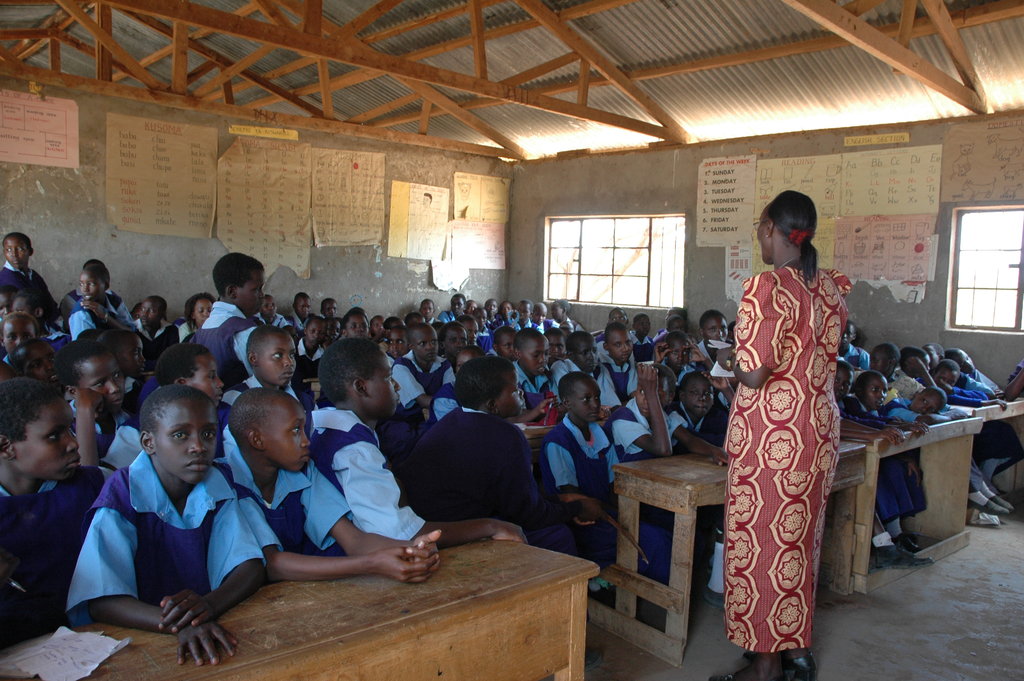
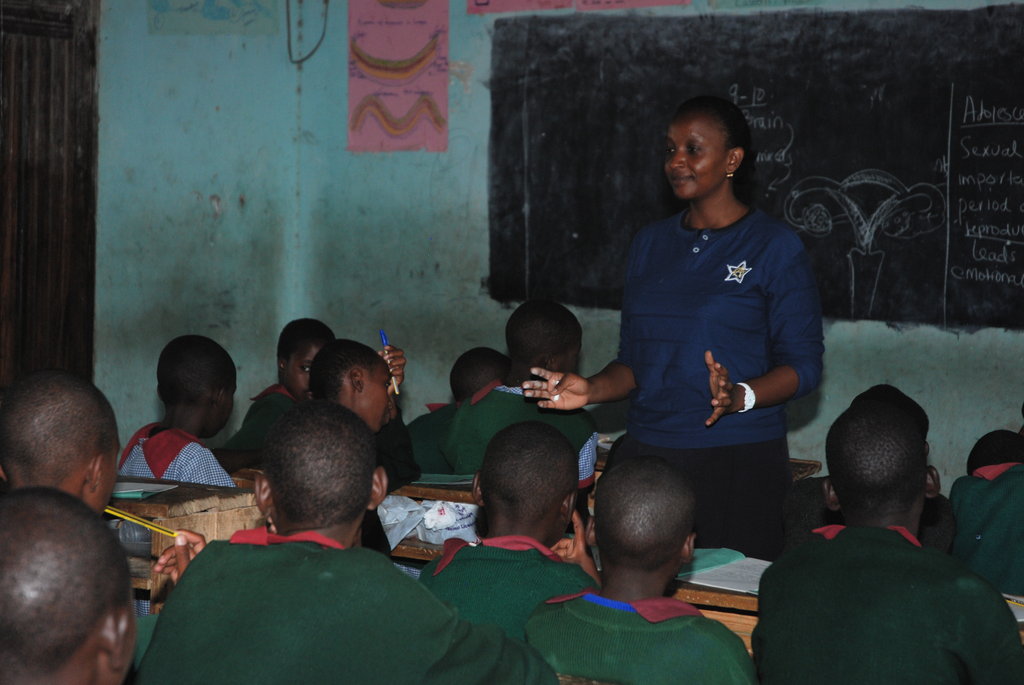
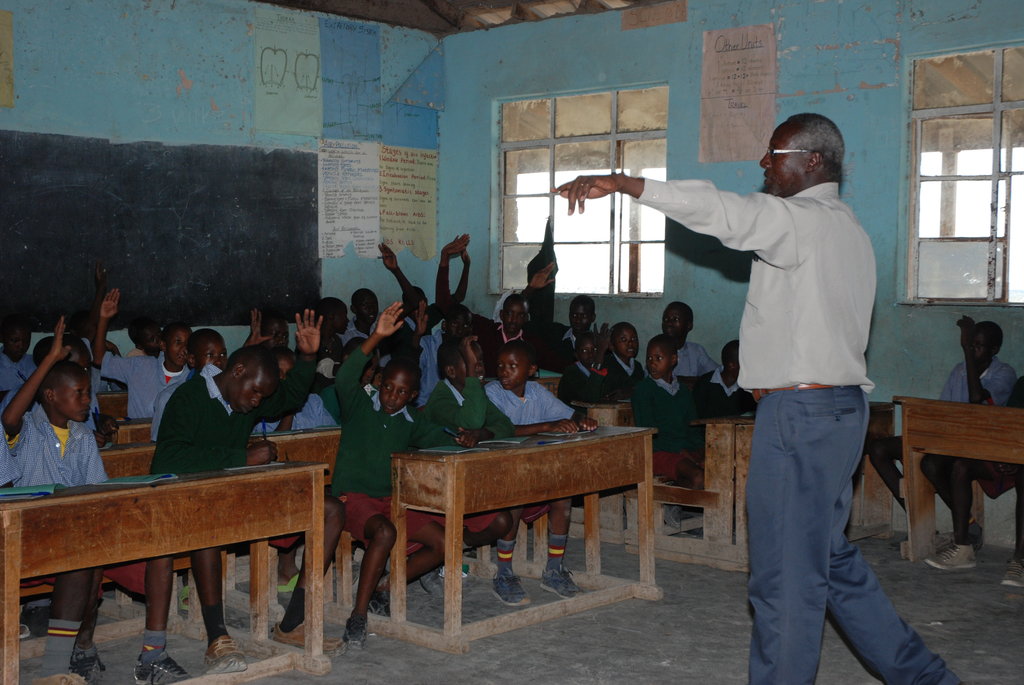
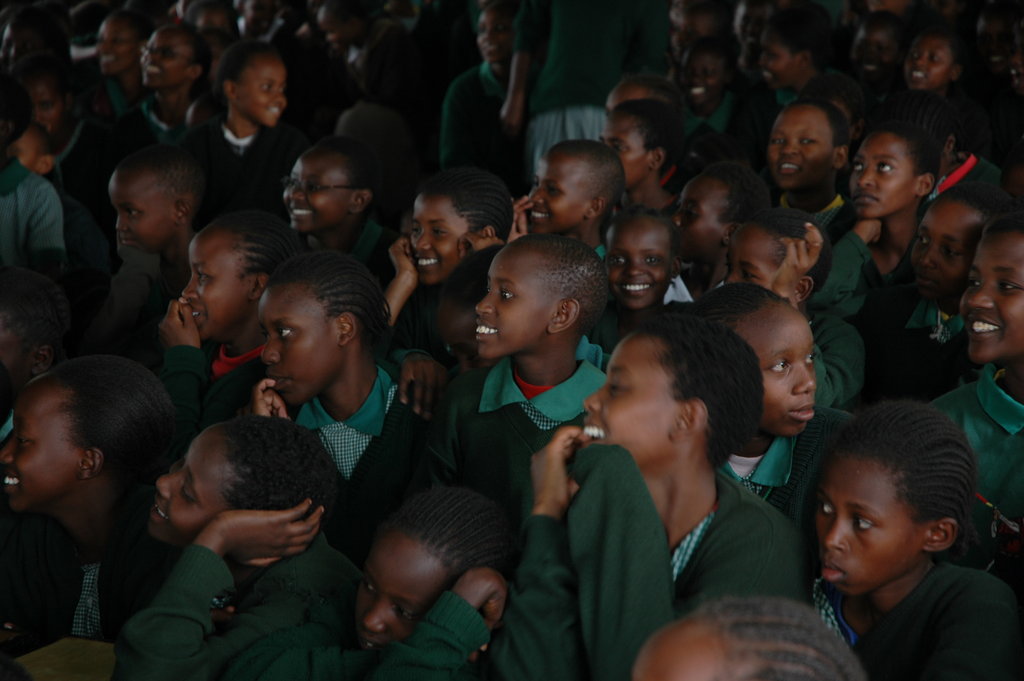
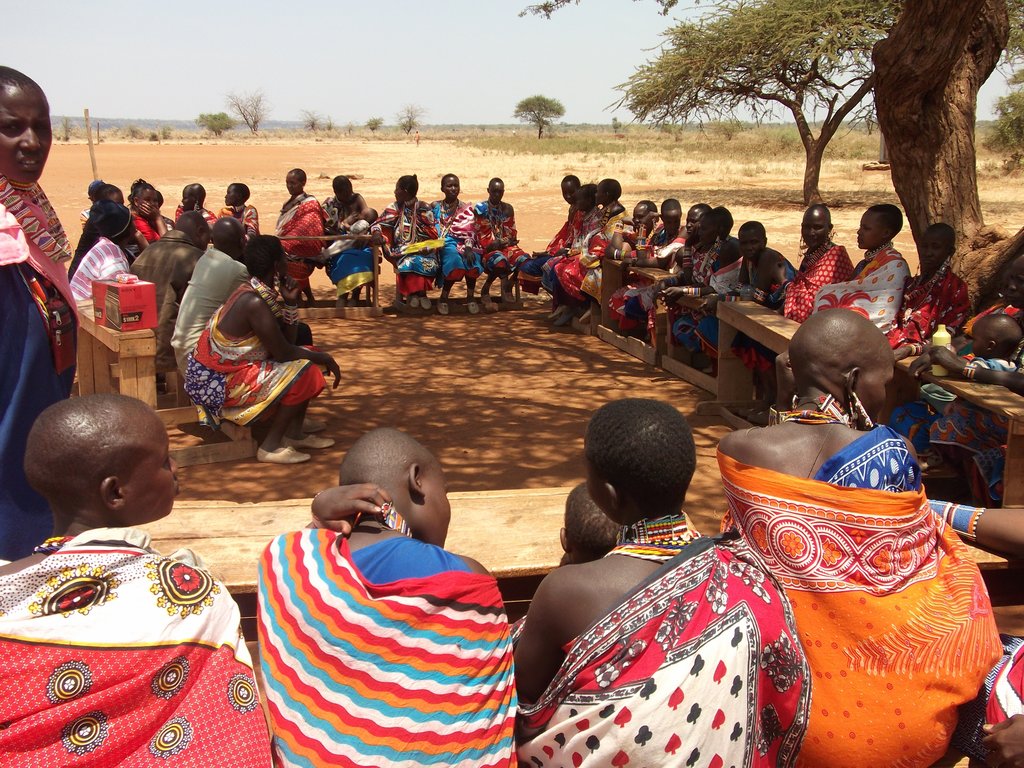
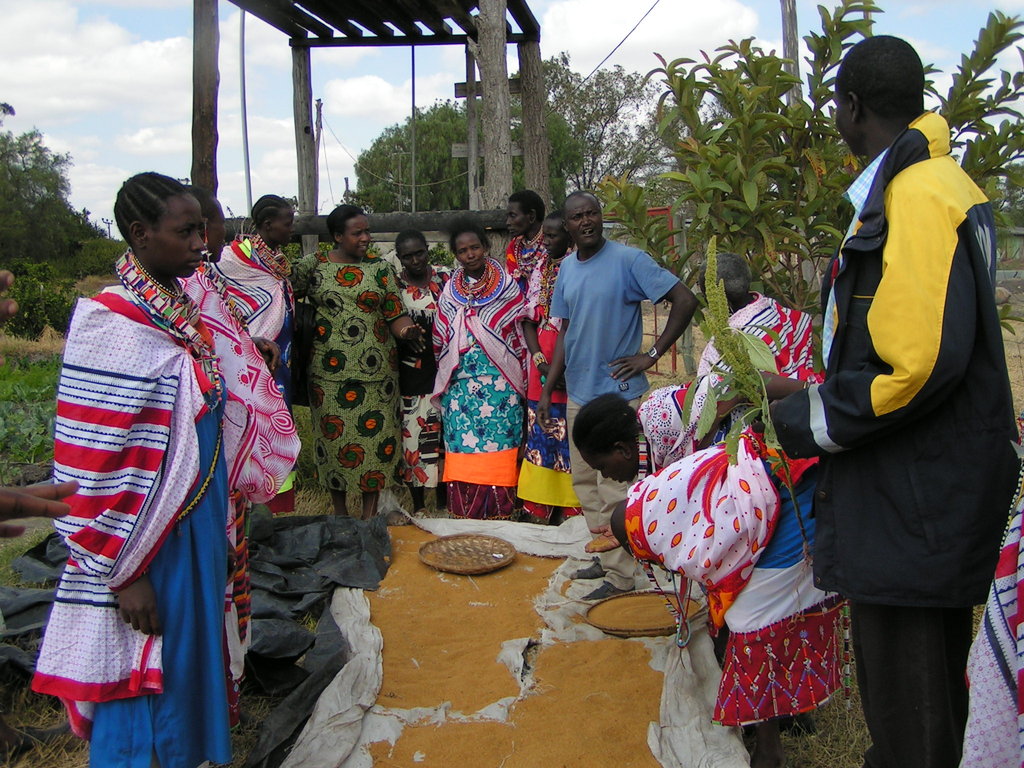
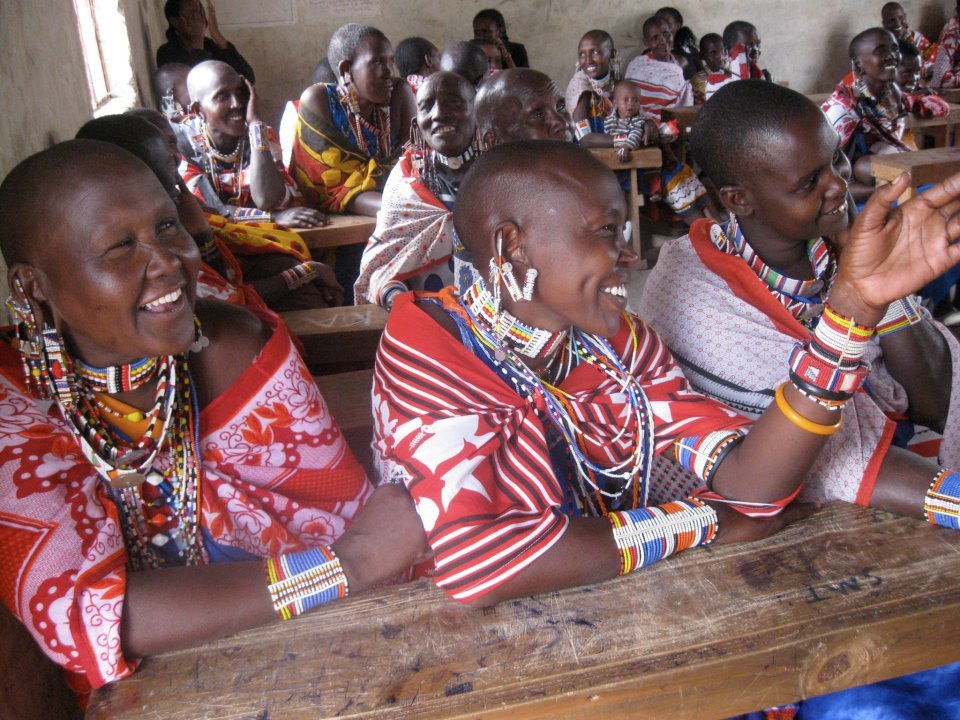
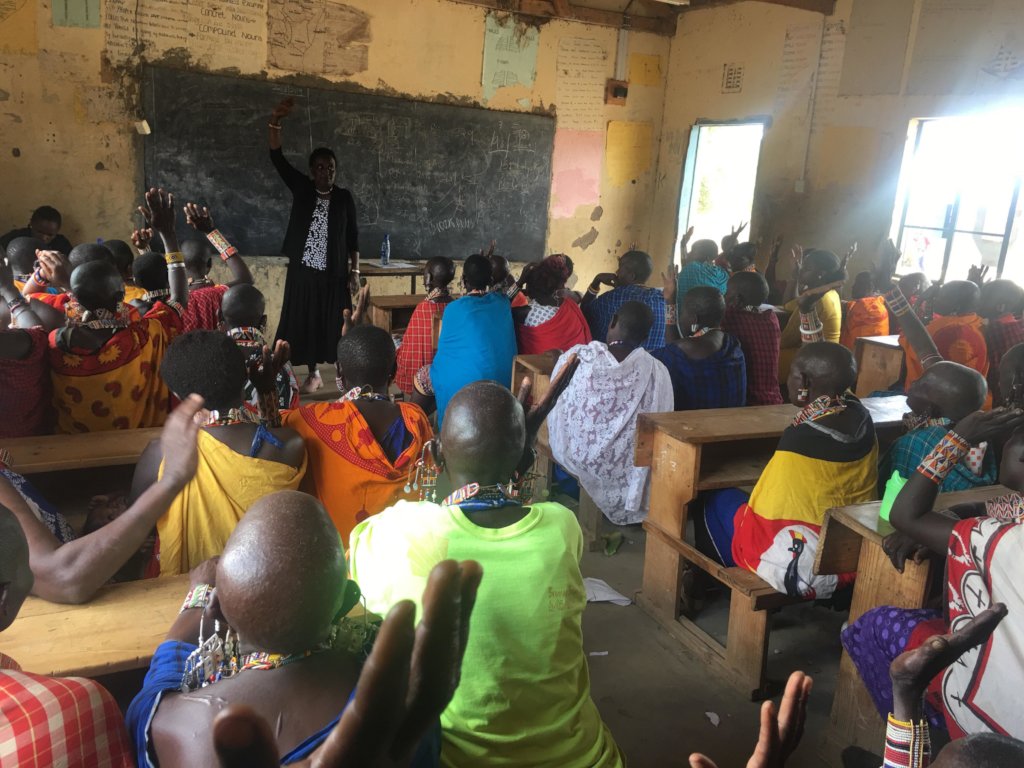
This year, MGEF conducted 26 Life Skills Workshops (LSWs), 13 for adults and 13 for children. The workshops were held in the Namanga Division of Kajiado County. The LSWs address cultural barriers and social customs that prevent Maasai girls from getting an education. Topics covered include harmful effects of early marriage, teen pregnancy and female genital cutting (FGC). With a decade of experience conducting workshops, we have learned that the most effective strategy for promoting change is to conduct them for both the younger and older generations within a short time frame and in the same area. Therefore, we conducted the children’s workshops and the adult workshops in the same villages, within the same month. To date, 16,276 Maasai girls, boys, women and men have attended MGEF’s LSWs.
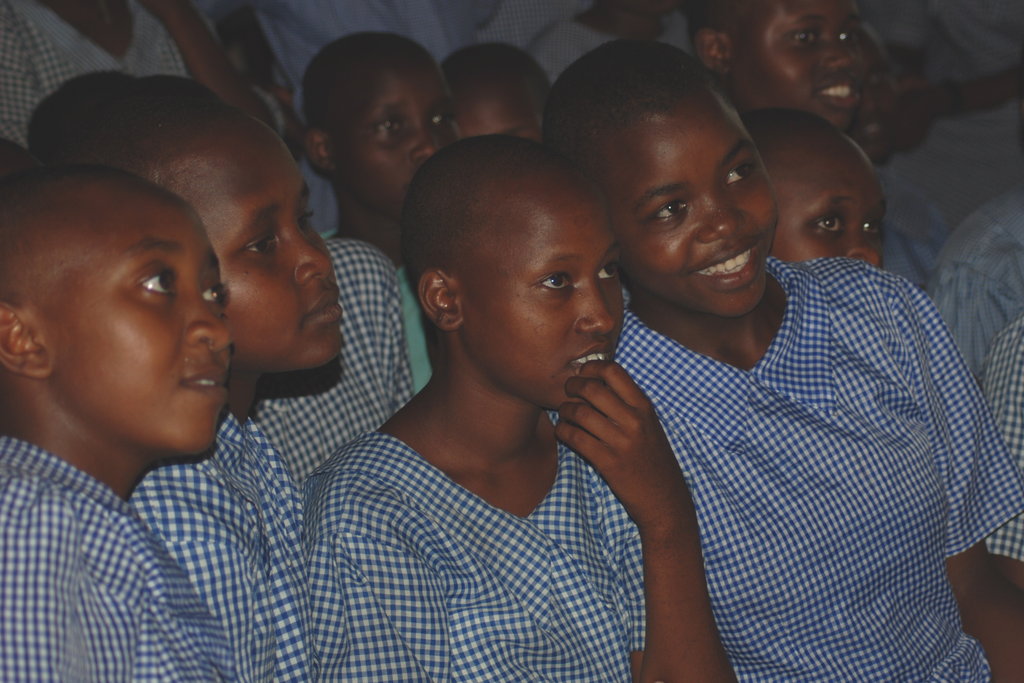
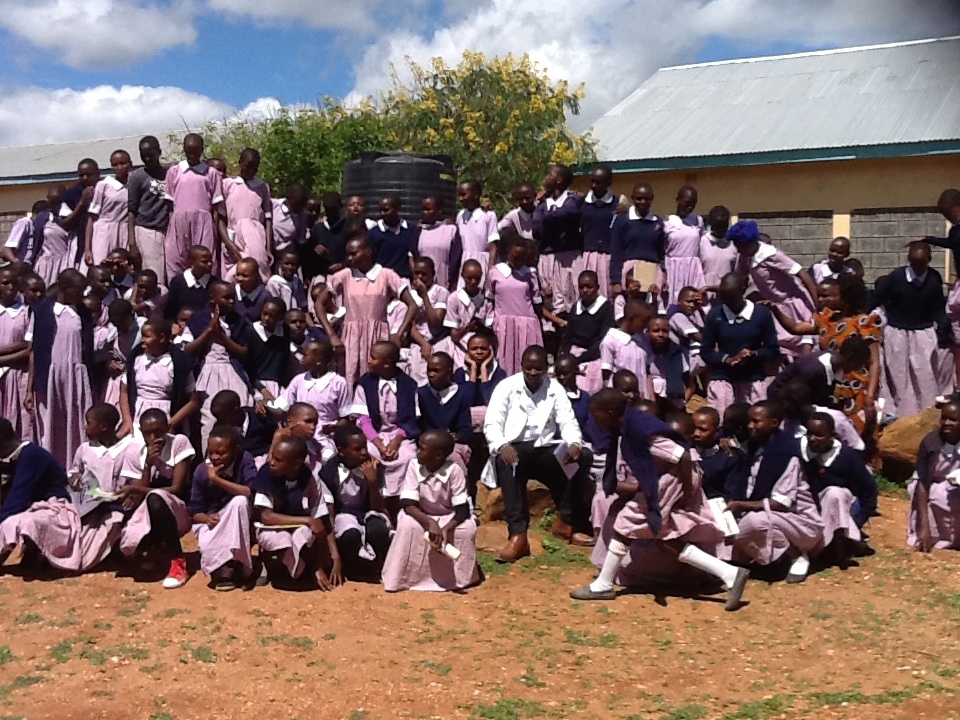
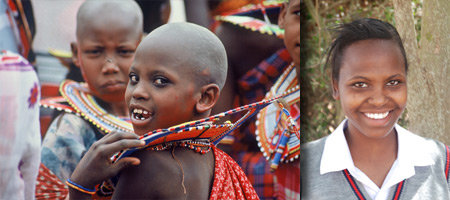
The workshops for children, which are held in primary school for Class 6 through Class 8, continue to show progress and success, but there is still much to be done. The Namanga Division is very diverse, and thus our LSWs were conducted in very rural areas to fairly modern villages. Much to the surprise of the MGEF staff and the LSW facilitators, Meto Primary, which is in a very modern village, suffered the most compared to other LSW locations in terms of FGC and early marriage and were seemingly embedded in old traditions. The girls there are not only circumcised very young, but they also incorrectly believed that all girls in Kenya were circumcised. Though these observations were discouraging, the facilitators spent much of the workshop dispelling the old traditional beliefs and spoke in depth about the ill effects of FGC on women, ultimately enabling the workshops to have a positive outcome. At the end of the workshops, both girls and boys stated they would not circumcise their daughters and that education is the only way out of the cycle of poverty that the Maasai community endures. It was also encouraging to hear in the boy’s workshop that they would try to be much better at protecting their sisters. These girls and boys are the very children that we strive to educate. I was touched by a question that one of the boys had at the end of the workshop, “How do I make my life beautiful?”
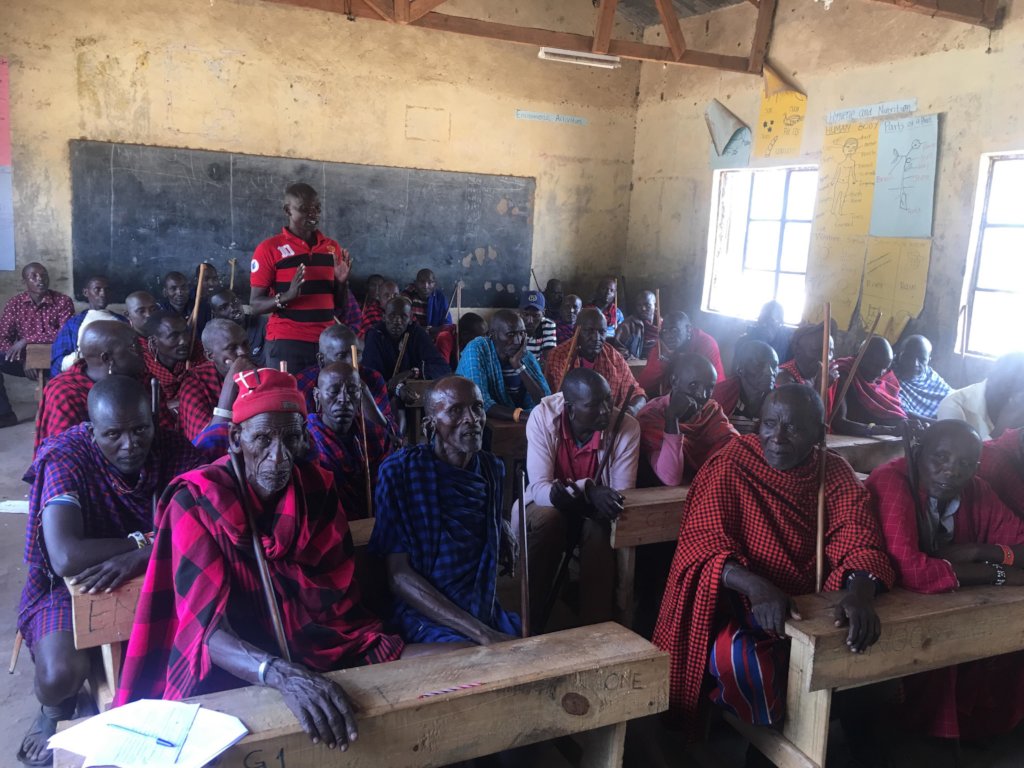
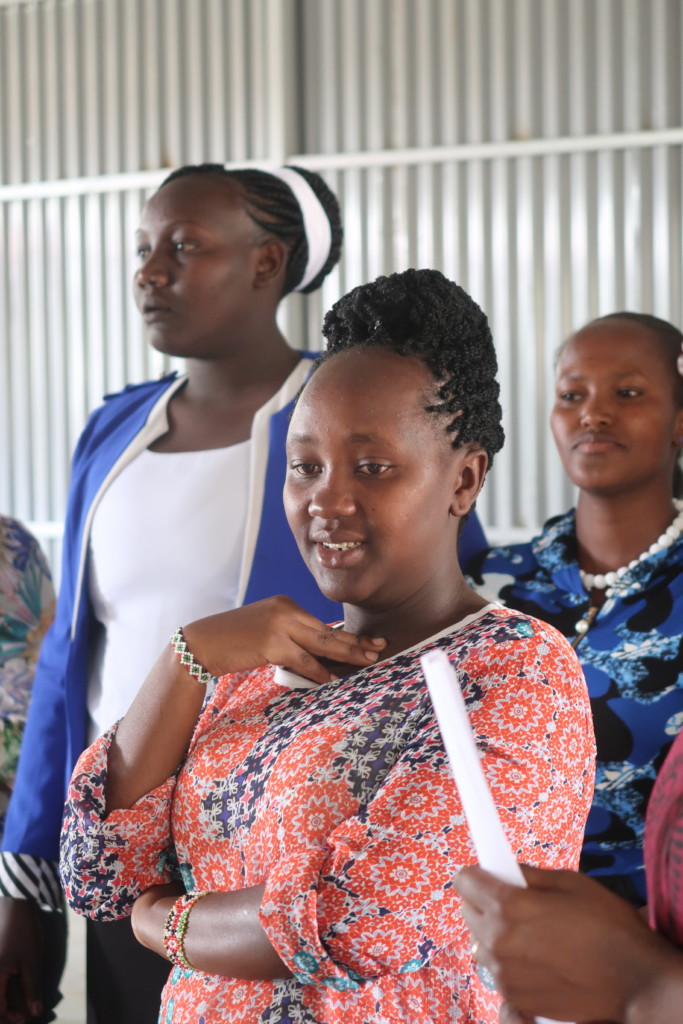
The adult workshops also provide insight into the progress we are seeing in breaking the traditional beliefs that perpetuate poverty in the Maasai community. In the adult workshops, the men and women were separated into two groups by gender. Each group was presented with information about six topics, either directly or indirectly related to barriers to education, after which there was a question and answer session. This was followed by an open discussion with both men and women present. The six topics were: importance of education, school dropout rates, cultural practices (such as FGC and early marriage), HIV, nutrition, and water and sanitation. At the end of the workshop, the men and women are brought together to discuss what they have learned and how they can promote change. The discussions often become very lively, as it is a unique format in which they can converse about issues openly. We are very encouraged to now see that the adults’ conversations are less about whether to educate their children, but rather how to make sure to keep them in school. Though these are still very real issues to solve, we are encouraged and impressed by the huge step forward the community has made in understanding the importance of education to the survival of the Maasai community.
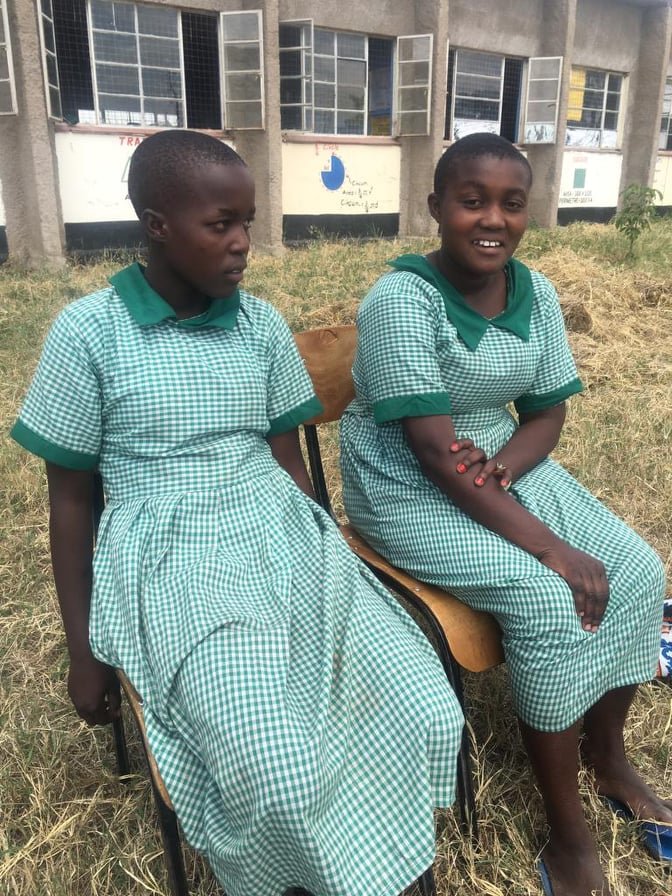
MGEF’s strong reputation in the community can be seen in its ongoing efforts to help rescue Maasai girls from challenging situations. In June 2019, Lucy, MGEF-Kajiado Managing Director, was returning from an LSW workshop when Pacifica, MGEF-Kajiado office assistant, called with important news. One of MGEF-Kajiado’s board members had come to the office with a local chief and two girls, named Florence and Namelok, in desperate need of rescue. The two sisters’ mother is an alcoholic and had abandoned them to sell alcohol in the street at a nearby village. Their father is a very old man with three wives and he does not support these girls or the wife who has left him. Florence and Namelok were staying with a stepbrother who was planning to circumcise them and had already received promises of marriage from two Maasai men from Tanzania. Each man had offered 30,000 shillings (about $300) and a case of soda as a dowry for each girl. Defying the stepbrother’s plan, their uncle gave the girls 100 Kenyan shillings (about $1) and told them to run to their mother, but their mother wanted nothing to do with them. Namelok, the younger sister, managed to send a message to her school teacher, telling her why she was not in school. The teacher contacted the local chief, who brought the girls to the attention of the MGEF board member in the area. With an imminent move to Tanzania on the horizon, these girls needed immediate rescuing. MGEF took swift action, bringing the girls to a boarding school close to the MGEF-Kajiado office. The girls are now safe. They love their new school and have become friends with other MGEF students also attending this school.
It is with your support that we are able to rescue these two girls, and others like them, and change their future of poverty, hard labor and most likely violence. Thank you so much for making our work possible.
By Heather McKay | Executive Director
By Heather McKay | Executive Director
Project reports on GlobalGiving are posted directly to globalgiving.org by Project Leaders as they are completed, generally every 3-4 months. To protect the integrity of these documents, GlobalGiving does not alter them; therefore you may find some language or formatting issues.
If you donate to this project or have donated to this project, you can receive an email when this project posts a report. You can also subscribe for reports without donating.



Support this important cause by creating a personalized fundraising page.
Start a Fundraiser