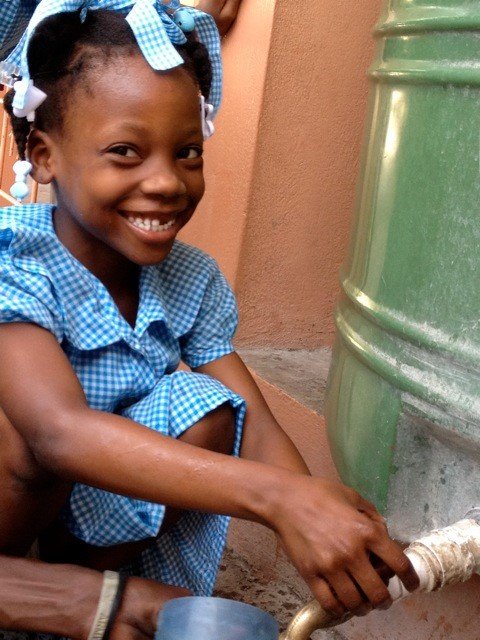
![Children of farming families in the Artibonite]()
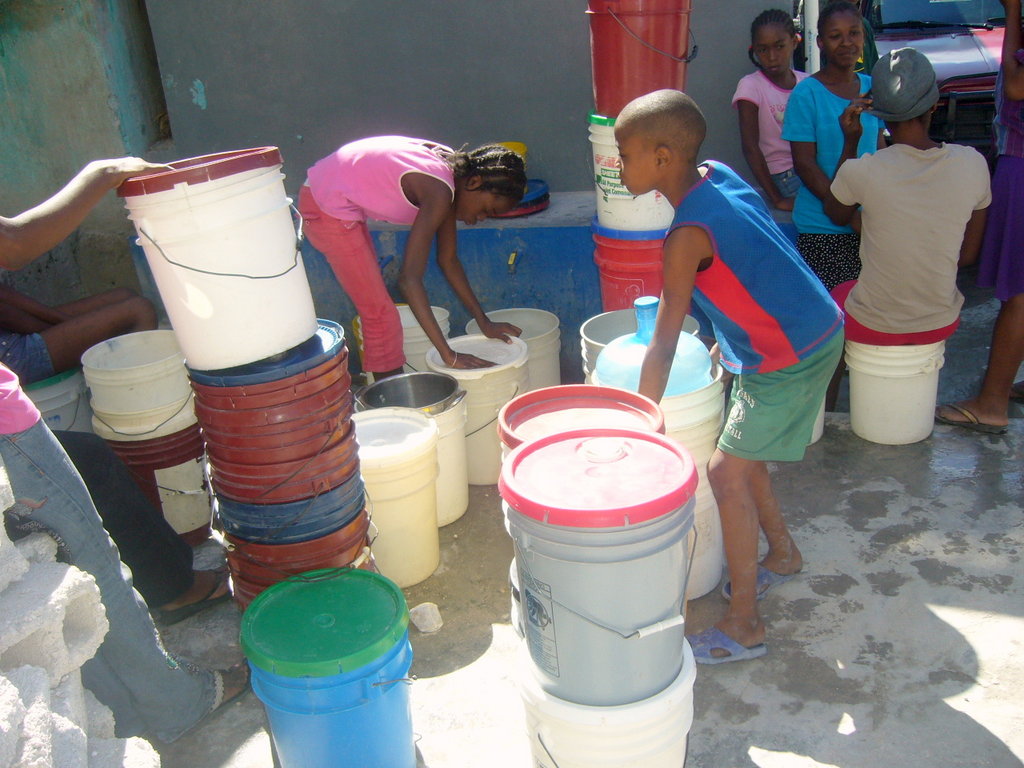
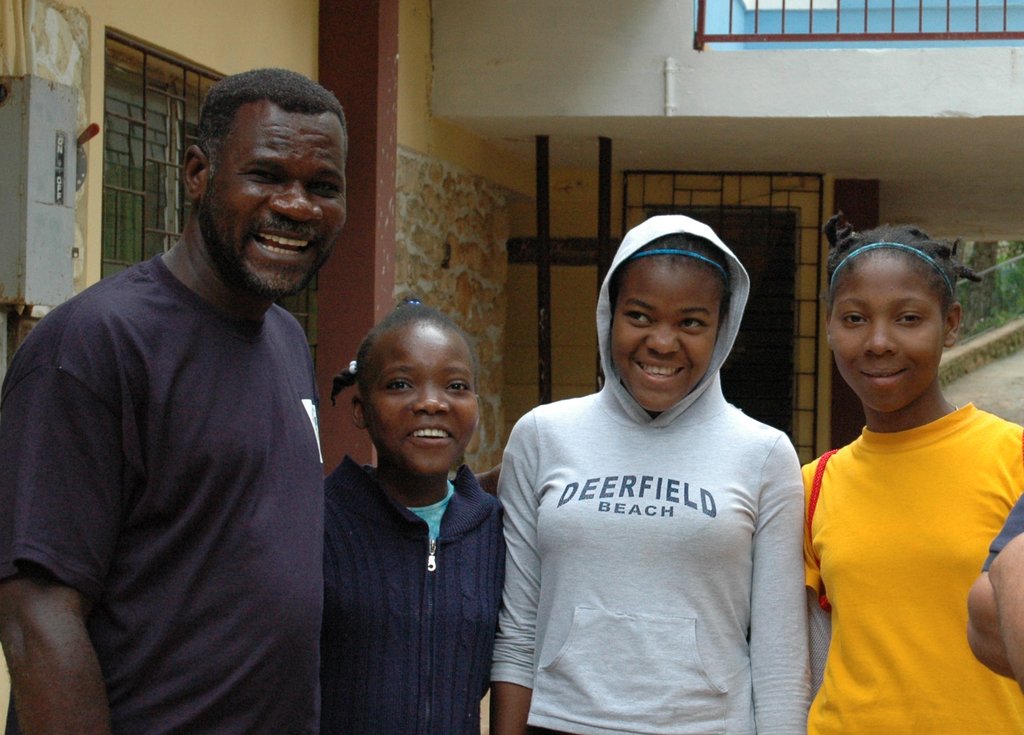
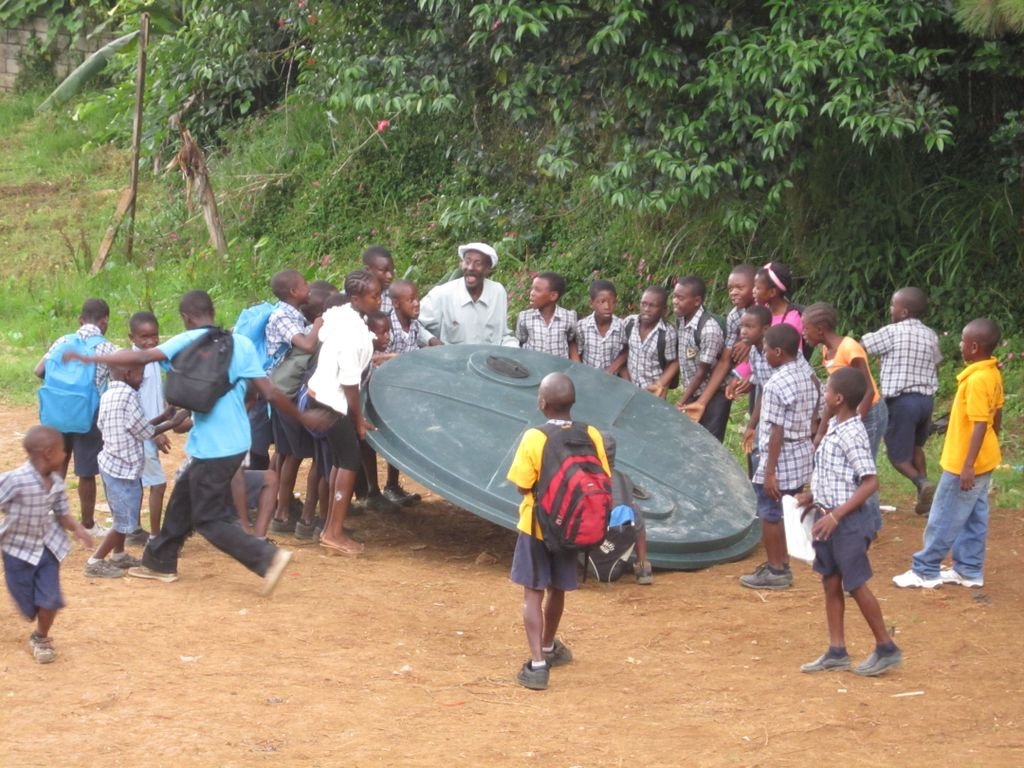
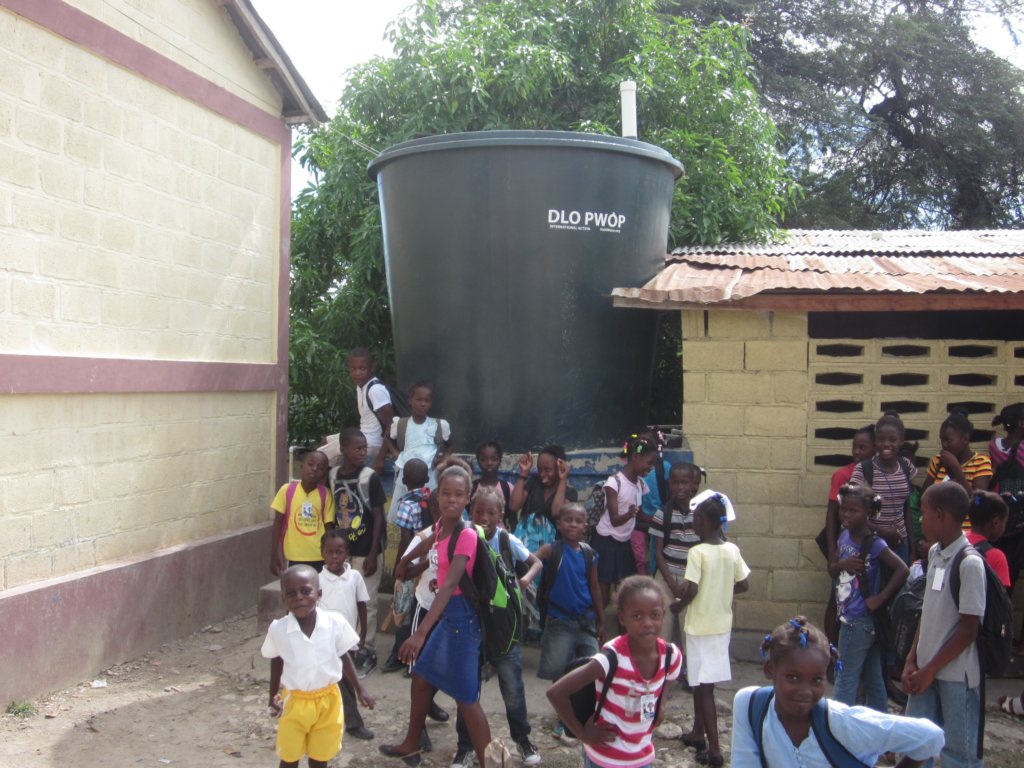
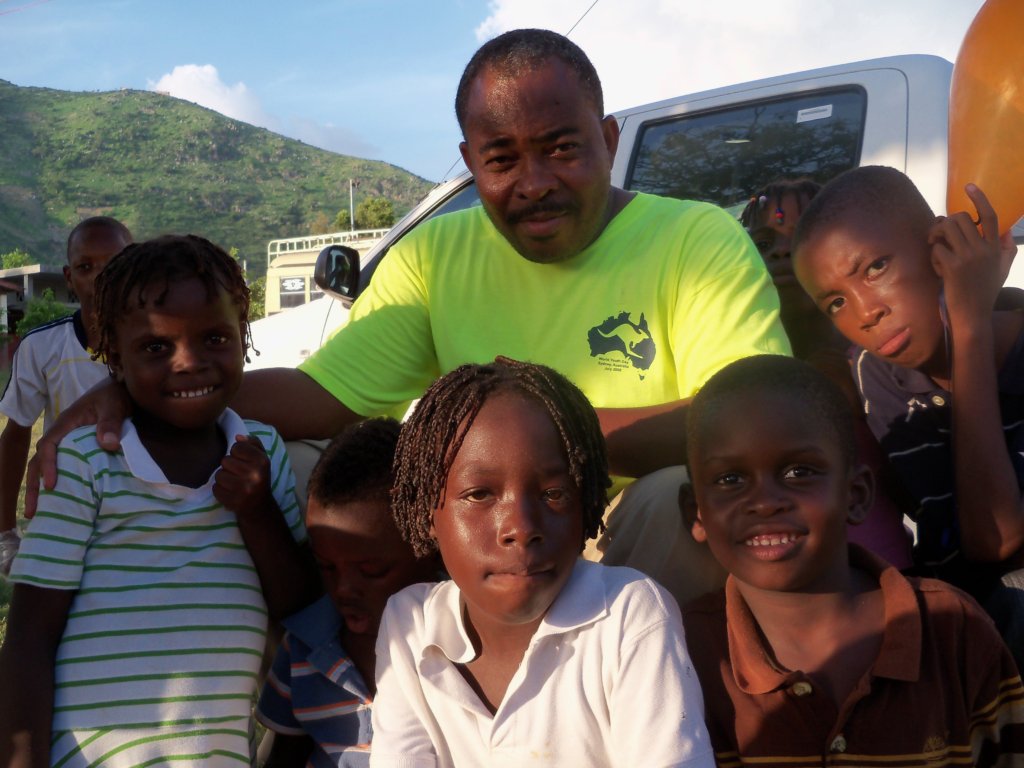
Children of farming families in the Artibonite
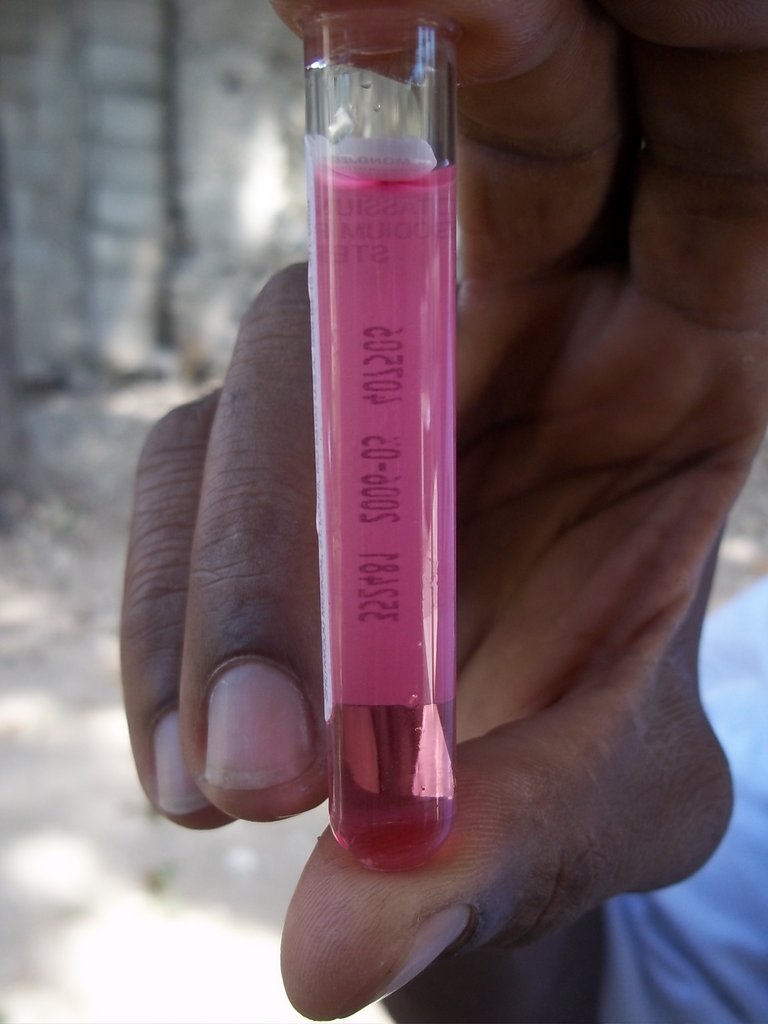
Diseases caused by protozoa – micro-organisms – are now the most common waterborne diseases in Haiti, causing 65% of infections. A protozoa called Crypto is the main culprit. Chlorine is very effective against cholera, but is not effective against Crypto. In the Dessalines commune, this means we need to create new water sources that use water from protected aquifers -- usually devoid of bacterial, protozoan or virus-based infections.
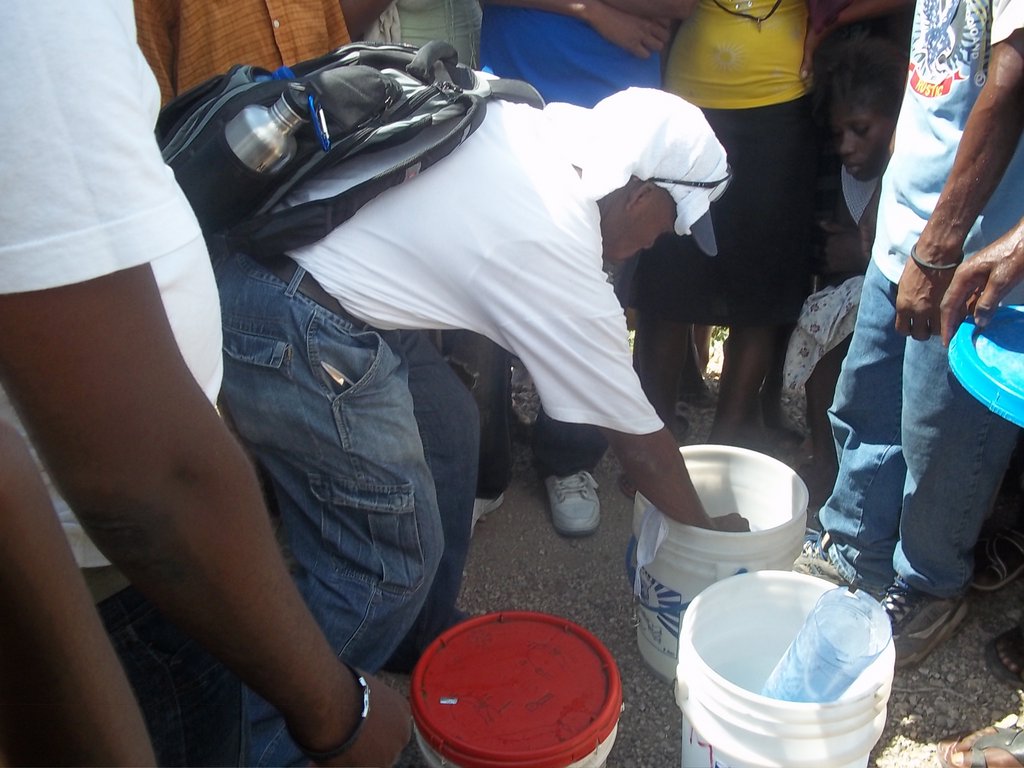
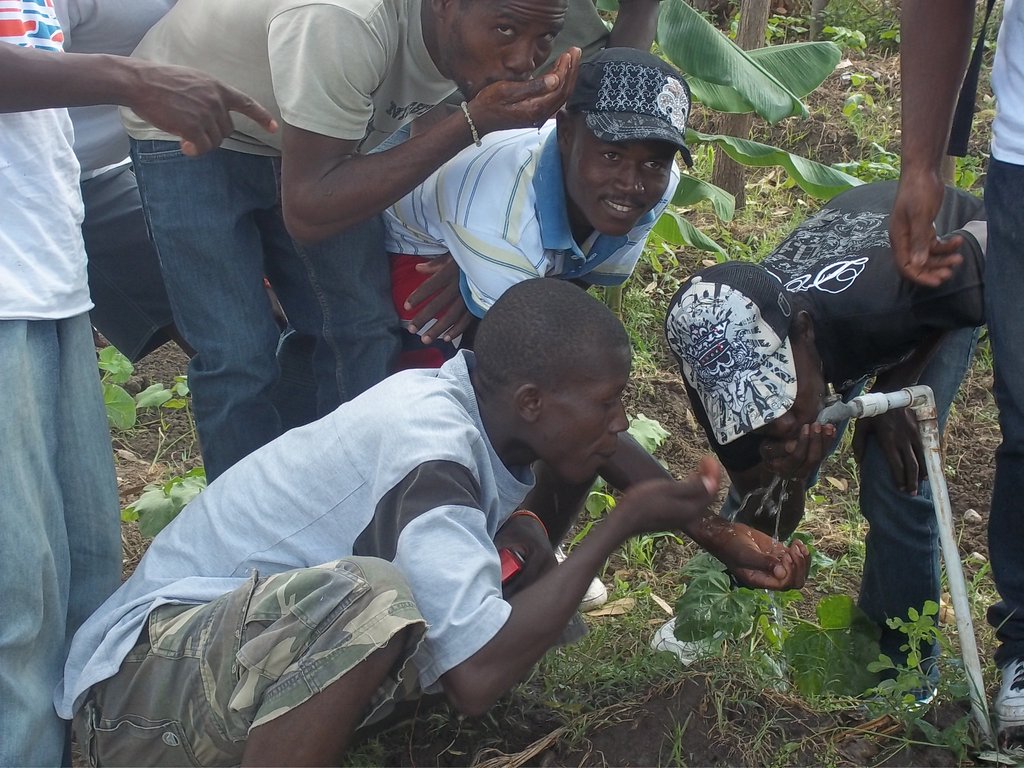
Furthermore, the Artibonite Region is one of the most fertile areas in Haiti, but the farming families here have produced very little food over the past two years because there has been severe drought. This has crippled the peoples' ability to grow and sell food throughout the area. They need access to clean, safe underground water.
This project will provide Dessalines with the clean water they need for drinking and for agriculture. Our team will work with partners to first map where the water sources need to be and then create the wells and the water systems. International Action has been working in Haiti, with water, since 2005, and in the Artibonite Region for four years. We know the area well and have recognized the importance of including many local and international partners, which is the best way to achieve success in Haiti.
We cannot do this alone. We need your help to raise anoth $9,000 to comeplete the next step of this project, empowering under-served farming families to gain access to clean, safe water.
The Process and Next Steps
To create new water sources we are going to partner with several different Haiti-based and international organizations (Haiti Outreach being the main one), as well as different branches of the Haitian water agency, DINEPA. The information will then be used to empower the people in the Artibonite Region to organize and install a water supply or treatment system.
Over the past 10 years, several smaller organizations have been partnering with DINEPA in this manner in the region next to the Artibonite, the Northeast. They have found great success using the aforementioned approach because it focuses on the most important part of any water or sanitation intervention – the long-term operation, maintenance and management. We have found that this approach is the best, which has been the main focus of the Chlorine Distribution System.
Over the next two years, we plan to work in two of the fifteen communes in the Artibonite Region, including Dessalines and Gonaives. These two communes are home to roughly 230,000 people.
1. Contact Local Authorities -- (9/1/2016 -- 11/01/2016): The general local authorities in Haiti, called the KASEKS, and the local water and sanitation authorities in Haiti, called the TEPACs, will be involved throughout the whole process, as it is their country and their mandate to provide their communities with the services that they need. First, our team find out where they think the water sources are in the Dessaline commune. Currently, there is very poor information on this in Haiti, and this project will help provide the Haitian government a base of knowledge, so they can better address the needs of their people.
2. GPS Rapid Assessment of Infrastructure, Potable Water Access map and Drilling Guidance Map --(11/01/2016 -- 2/01/2017): After the team meets with the local Haitian authorities to share information and agree on a partnership for the project, the team will begin mapping the water infrastructure of the Dessalines commune (a commune is a set of neighborhoods) to find out which neighborhoods need access to clean water for drinking and agriculture purposes.
3. Selection of Communities and Decision on Community- or Business-run Model -- (2/01/2017 -- 6/01/2017): This is the most important part of the project. First, communities need to officially submit a letter with the approval of the local authorities, showcasing their initial commitment and need for the water sources. Then, our team meet the neighborhood leaders. Over months of meetings, our team guides the community, via questions, to come up with their own plan. Some communities will decide on a neighborhood-run committee and system, and some will decide upon a for-profit business model. In all cases, a contract will be created between the communities and International Action, to help create clear responsibilities.
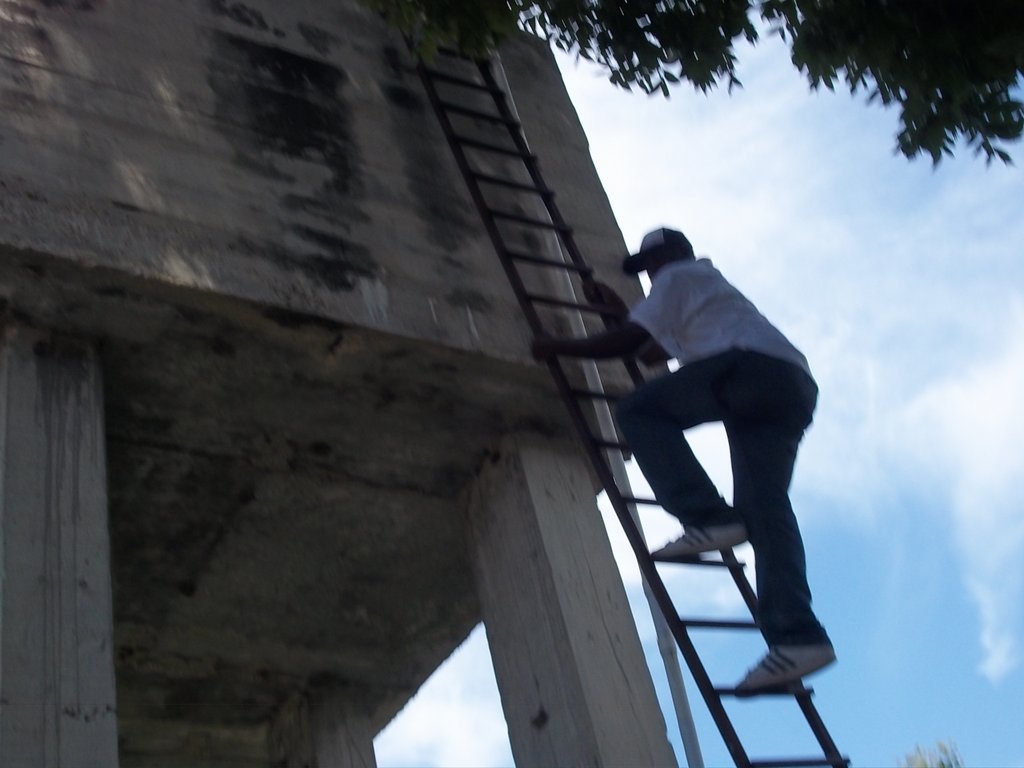
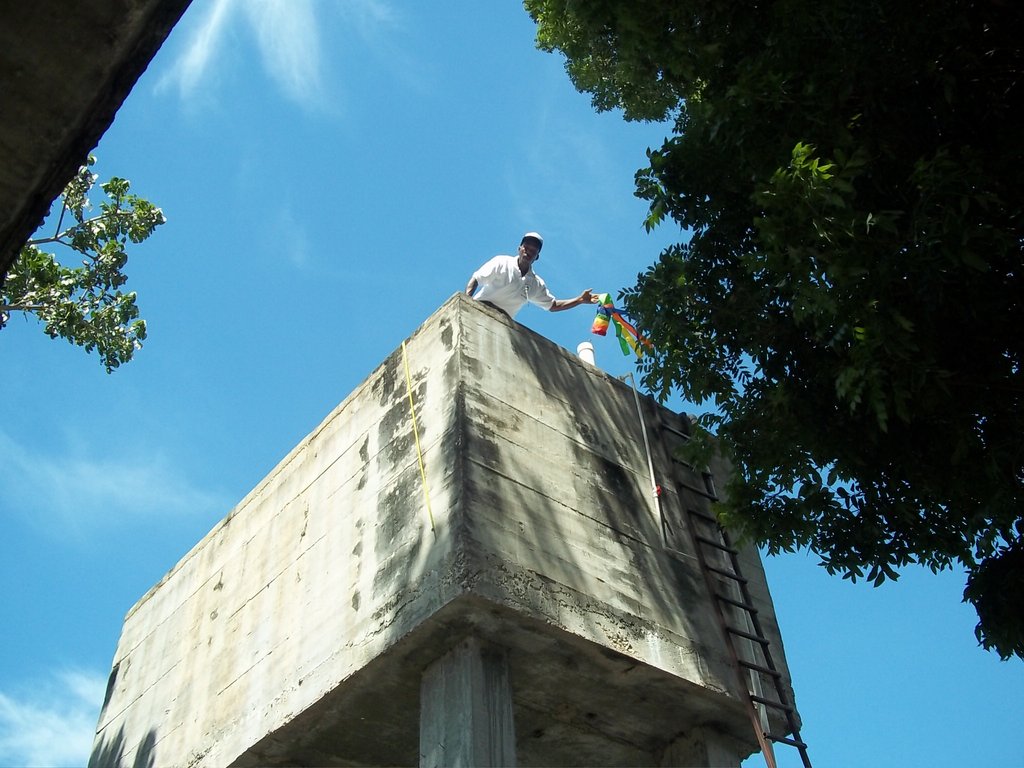
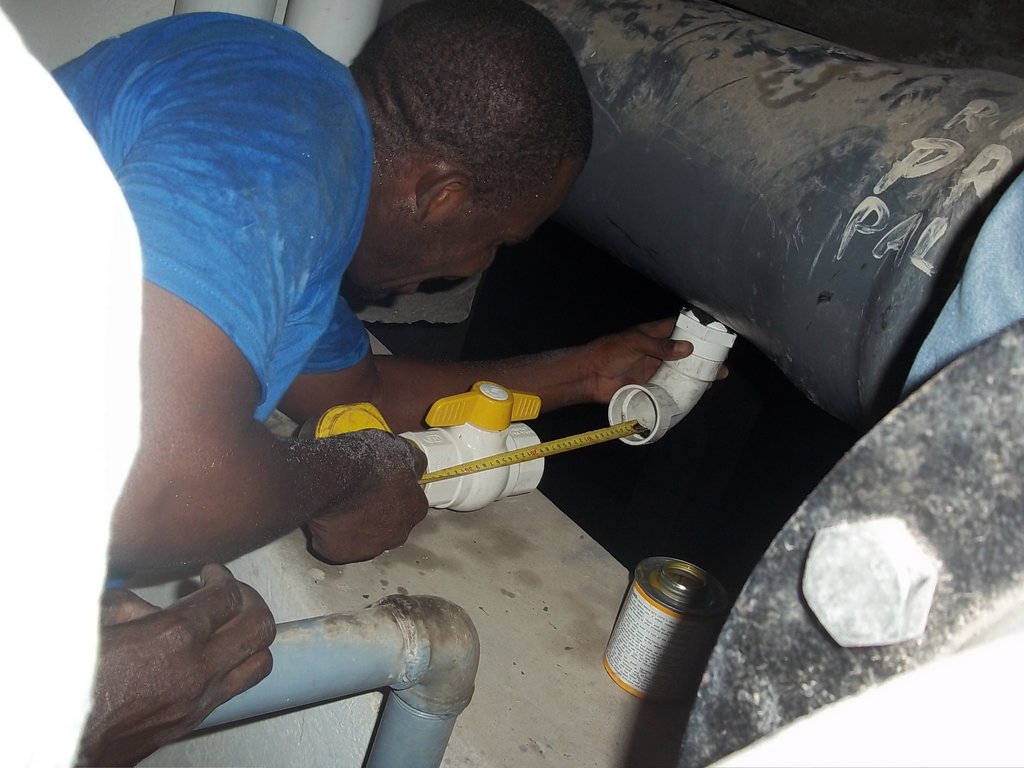
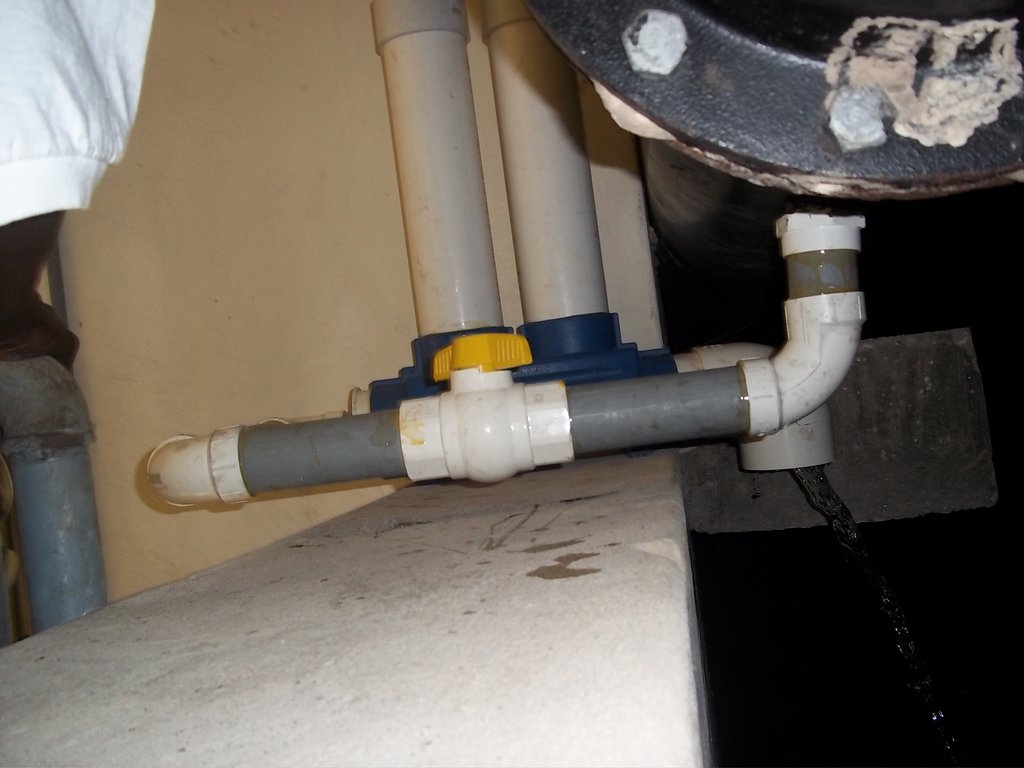
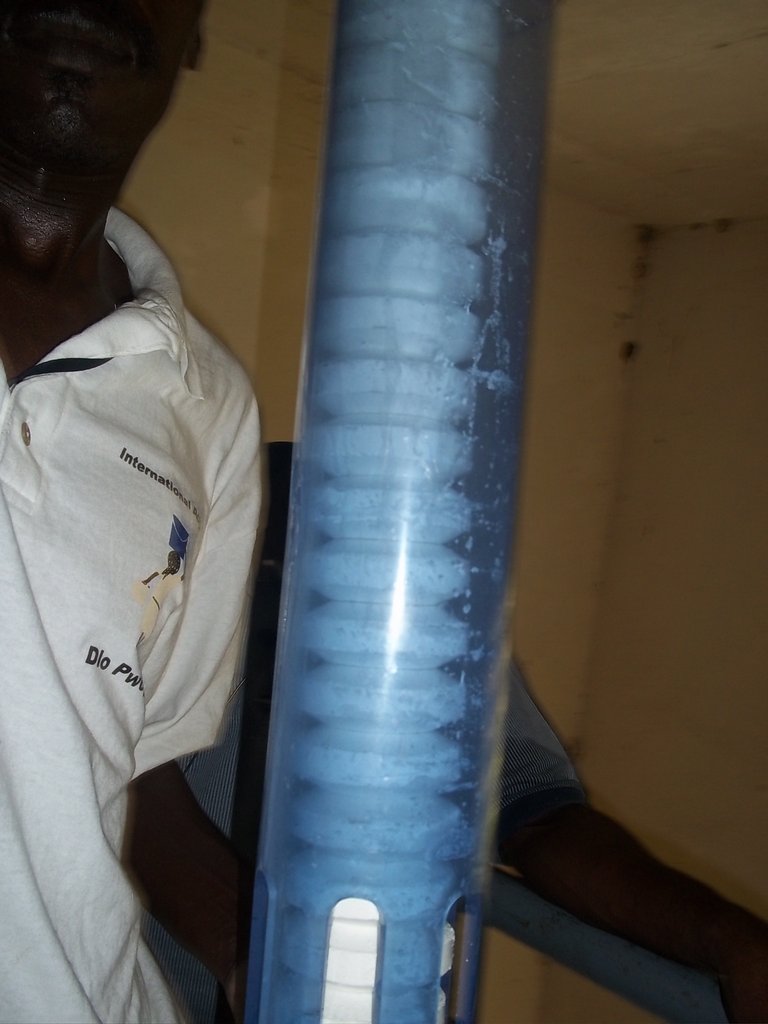
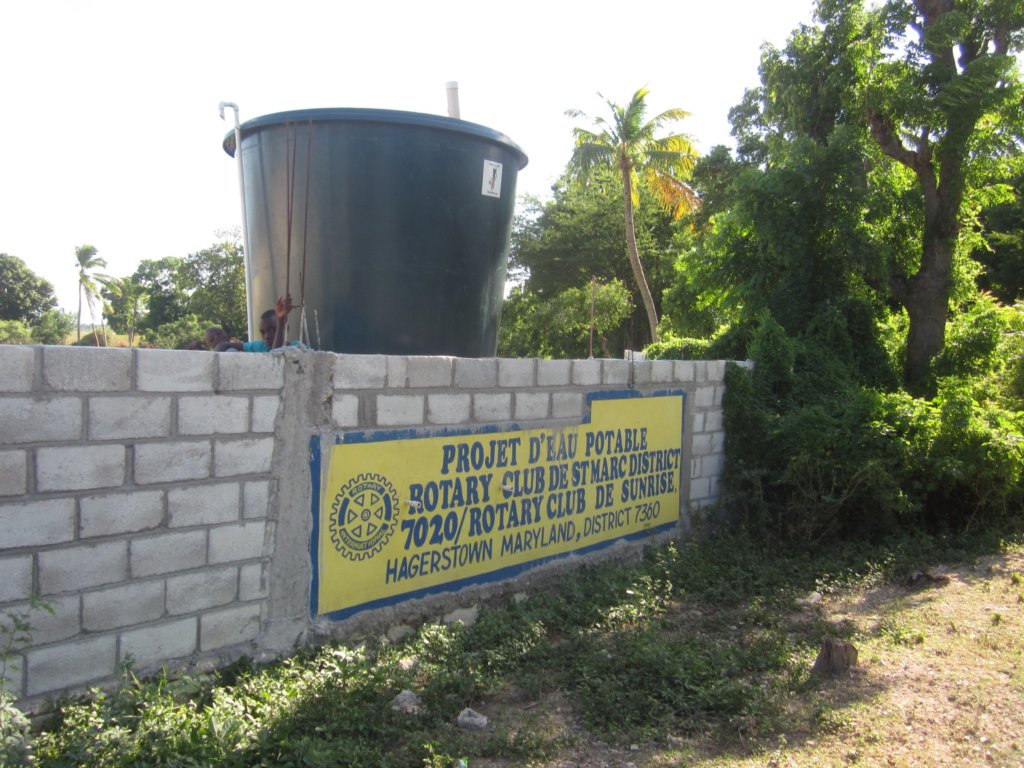
4. Construction of Three Sites; Officially Open the Water Site with a Community Ceremony -- (6/15/2017 -- 8/15/2017): Once three communities make it through the vetting and guidance process, construction of the sites begin, often including the creation a well, and the installation of a pump, base, well house, piping, water tank, and chlorinator (if chlorination is needed).
5. Follow-up -- (Two years of monthly follow-up from inauguration): The follow-up is one of the least expensive parts of the project, but is one of the most valuable. Long-term management of water sites in Haiti is a great challenge. Without a proper follow-up plan, only 40% of water sources in Haiti remain operational after two years. Our team will follow-up once a month to ensure that the communities are adhering to their management plan and to offer coaching and guidance if there are pressing questions or challenges.
These five steps will be repeated, starting 9/01/2017 for the Gonaives commune (also in the Artibonite Region, one of the biggest market areas in Haiti). If you would like to see more detailed information about each step, please let me know and I would be happy to provide.
Impacts and Outcomes
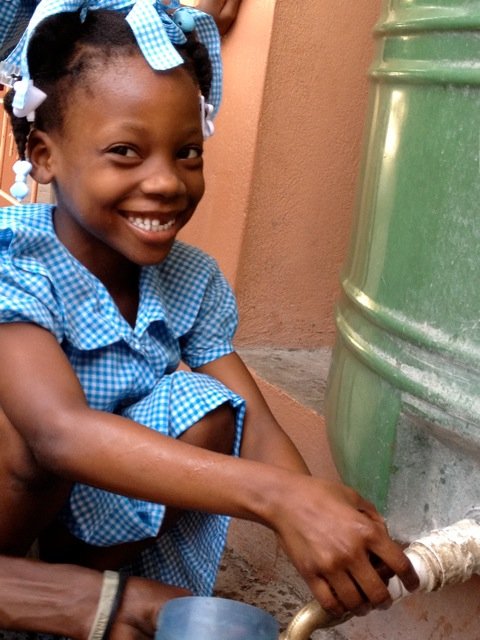
These new water supply and treatment systems will become essential parts of each community they serve in many ways. The water systems will help improve the health of each family that uses it because they will have better quality water and plenty of it to use for drinking, bathing and hand-washing. Many communities will also use the new water supply to irrigate their fields for crops, improving their access to food and creating a source of income. The new water sources will save people time (mainly women and children) when collecting water because their water source will be much closer to the village center than before.
Everthing we do is in partnership with like-minded, generous individuals, like you, and I look forward to what we can coninue to accomplish, together. Thank you very much for all you do.
All the best,
Zach
![Share on Twitter]()
![Share on Facebook]()